
15 Tricks to Help Prevent Neck Wrinkles at Home
Neck skin ages differently than facial skin — it’s thinner, has fewer oil glands, and gets far less consistent skincare attention over the years, which is part of why neck wrinkles and crepiness often show up earlier than expected. There’s no realistic way to erase existing wrinkles overnight, and any claim promising that should be treated with skepticism. What actually helps is a combination of consistent daily habits, the right skincare ingredients, and postural awareness applied over weeks and months, not one product used once before bed. This guide walks through what’s genuinely supported by general dermatological understanding, organized by category, so you know what’s realistic to expect and what to prioritize.
Daily Skincare Habits That Support Neck Skin
The neck is frequently left out of a facial skincare routine entirely, which means it often gets years less consistent care than the face does.
1. Extend Your Facial Skincare Down to the Neck
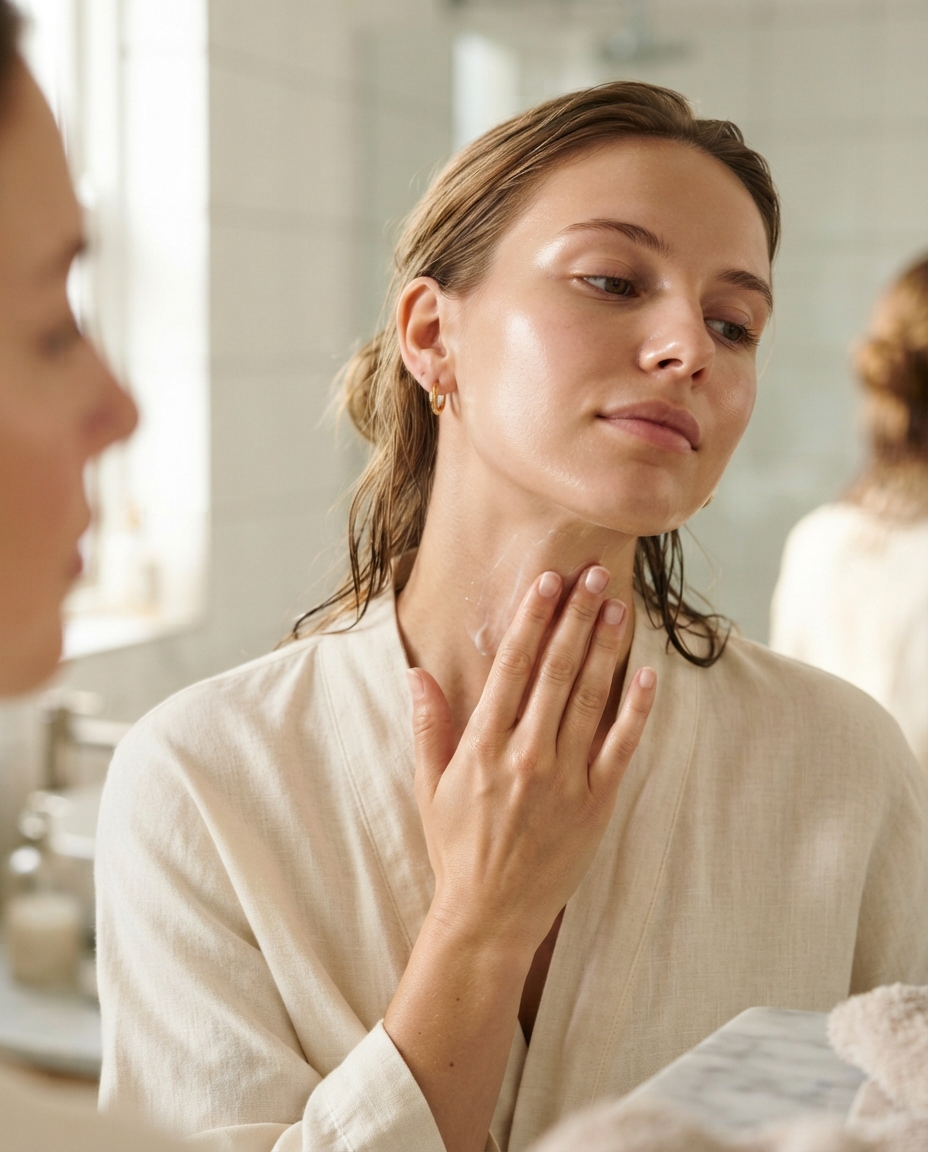
Cleanser, moisturizer, and any active ingredients applied to the face should be extended down over the neck and often the upper chest, since this skin experiences the same environmental exposure but typically receives none of the same products. Making this a consistent habit — rather than an occasional addition — is one of the most accessible changes to make, since it requires no new products, just extending what’s already being applied.
2. Apply Sunscreen to the Neck Daily
Cumulative sun exposure is one of the most well-established contributors to visible skin aging, and the neck — often left uncovered even when facial sunscreen is applied — accumulates exposure over decades largely unprotected. A broad-spectrum sunscreen applied to the neck daily, not just on obviously sunny days, is one of the most consistently supported preventive steps for skin aging generally, including on the neck.
3. Use a Gentle, Hydrating Cleanser on the Neck

Because neck skin has fewer oil glands than facial skin, it’s more prone to dryness, and harsh cleansers can worsen that dryness over time, potentially making fine lines more visible. A gentle, hydrating cleanser applied to the neck as part of a normal cleansing routine helps maintain the skin’s moisture barrier rather than stripping it.
Ingredients Worth Discussing With a Dermatologist
Several ingredients have reasonable general support for improving skin texture and firmness over time, though results vary by individual and a dermatologist can advise on concentration and suitability for your skin.
4. Retinoids

Retinoids (including over-the-counter retinol and prescription-strength options) are among the most studied ingredients for supporting collagen production and improving skin texture over months of consistent use, though they can also cause irritation, especially on the more sensitive skin of the neck, and typically require a gradual introduction. A dermatologist can help determine an appropriate strength and application frequency for neck skin specifically, which often needs a gentler approach than the face.
5. Vitamin C Serum
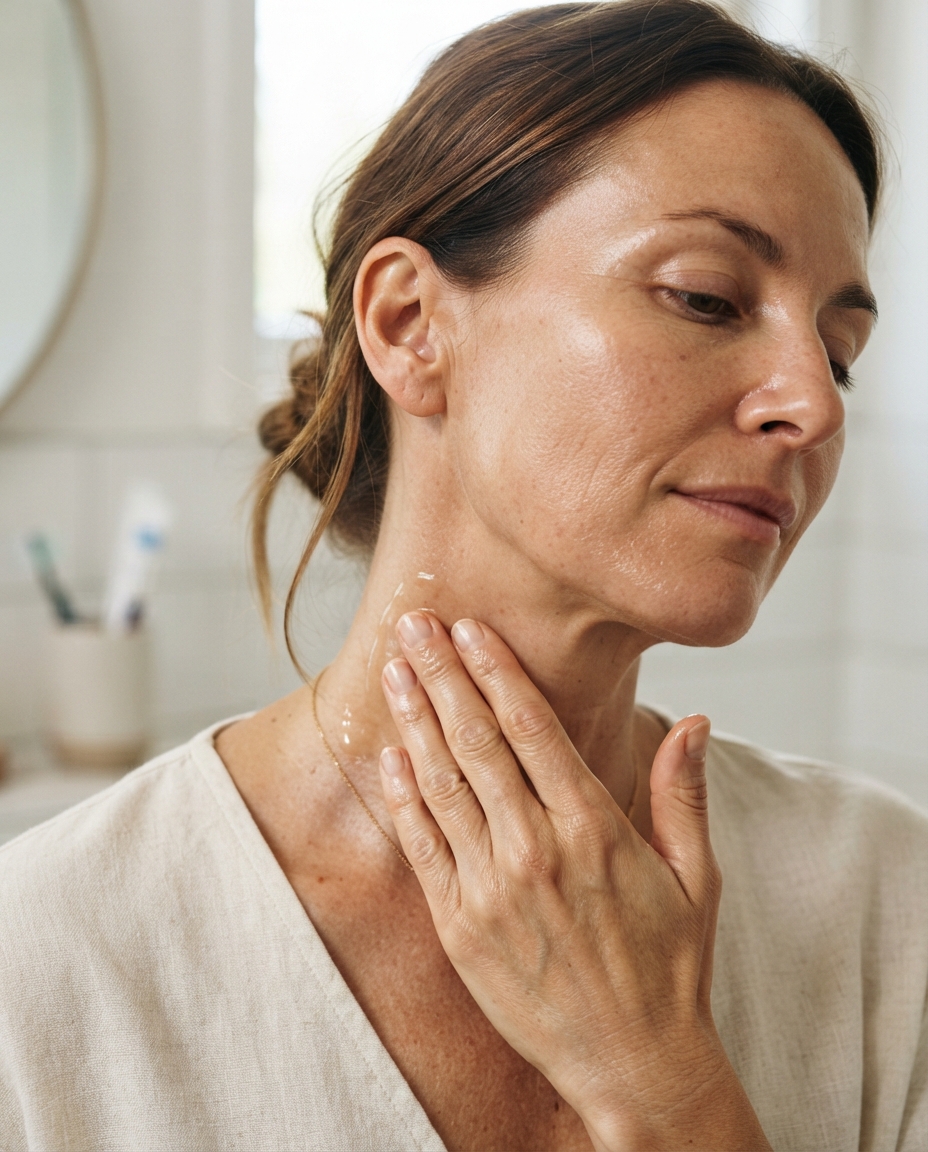
Topical vitamin C is commonly used to support the skin’s antioxidant defenses against environmental damage and is often paired with sunscreen as part of a broader preventive approach, rather than used as a standalone treatment for existing wrinkles. Formulation stability varies significantly between products, so a dermatologist or a reputable skincare retailer can help identify a well-formulated option.
6. Peptide-Based Neck Creams
Peptide-containing creams are marketed specifically toward supporting skin firmness, and while results tend to be gradual and modest rather than dramatic, consistent use over several months is generally how these products are intended to be evaluated. It’s worth approaching specific product claims with some skepticism and discussing realistic expectations with a dermatologist rather than expecting rapid visible change.
7. Hyaluronic Acid for Hydration
Hyaluronic acid helps draw and hold moisture in the skin, which can temporarily plump the skin’s surface and make fine lines appear less pronounced, though this effect is about hydration rather than a structural change to existing wrinkles. It’s commonly layered under a moisturizer as part of a broader hydration routine rather than used alone.
Postural and Habitual Factors
Some contributors to neck wrinkles have less to do with skincare products and more to do with repeated daily movements and positioning over time.
8. Be Mindful of “Tech Neck” Posture

Frequently looking down at a phone or laptop screen for extended periods creates repeated folding of the neck skin, and while occasional use isn’t a significant concern, consistently poor posture over years is thought to contribute to the development of horizontal neck lines. Raising devices closer to eye level when possible, and taking breaks to reset posture, are simple adjustments that don’t require any product.
9. Consider Sleep Position
Sleeping consistently in a position that compresses or folds the neck against a pillow for hours each night may contribute to skin creasing over time, similar to how consistent facial sleep positions are sometimes associated with sleep-related facial lines. Sleeping on your back, when comfortable and practical, keeps the neck in a more neutral position.
10. Stay Consistently Hydrated

Adequate water intake supports overall skin hydration, and while drinking water alone won’t reverse existing wrinkles, chronic dehydration can make skin generally appear less plump and resilient. This is a general wellness habit rather than a neck-specific treatment, but it supports skin health broadly.
Gentle Physical Habits Sometimes Recommended
These are commonly suggested alongside skincare, though it’s worth noting that evidence for their impact on visible wrinkles specifically is more limited and anecdotal than for sun protection or retinoid use.
11. Gentle Neck Stretches

Simple, gentle neck stretches are sometimes recommended to support circulation and reduce muscle tension in the area, though this is more associated with general neck comfort and posture than with directly reducing the appearance of skin wrinkles. They’re low-risk to try as part of a broader routine, provided they’re done gently and without strain.
12. Using a Silk or Satin Pillowcase
Silk and satin pillowcases create less friction against skin compared to cotton, which some people find reduces the sensation of skin dragging or creasing overnight. The evidence specifically linking pillowcase material to reduced wrinkle formation is limited, but it’s a low-cost, low-risk habit some people incorporate alongside sleep position awareness.
Professional Options Worth Discussing With a Provider
For more noticeable results than at-home care can provide, several professional treatments exist — these should be discussed with a licensed dermatologist or qualified provider who can assess individual skin and explain realistic outcomes, risks, and costs.
13. In-Office Chemical Peels

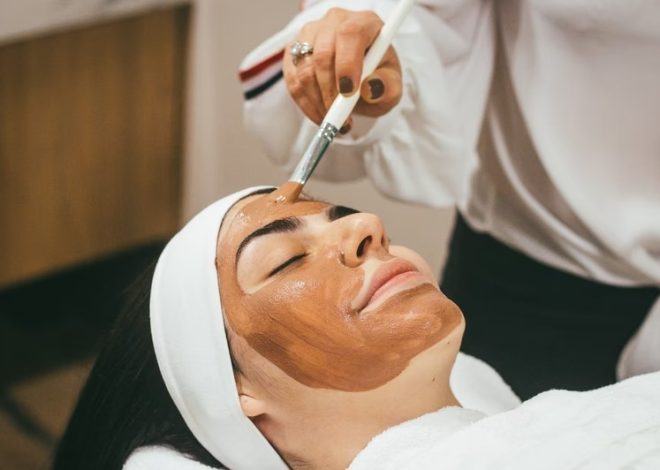
Professional-strength chemical peels, performed by a licensed provider, can help improve skin texture and tone over a series of treatments, though they carry more risk of irritation than at-home products and require professional assessment of skin type and sensitivity beforehand.
14. Microneedling
Microneedling, performed by a trained professional, creates controlled micro-injuries intended to stimulate the skin’s natural repair process and collagen production over time, typically requiring multiple sessions and some downtime. This is a more involved option that should only be pursued after a consultation with a qualified provider who can assess suitability.
15. Laser Resurfacing Treatments

Laser treatments, offered by dermatologists and licensed providers, target deeper layers of skin to support collagen remodeling over a series of sessions, and generally carry more downtime and cost than topical or at-home approaches. These are typically considered for more pronounced concerns after other options have been discussed, and require a full consultation to understand candidacy and expected results.
Building a Realistic, Consistent Routine
If you’re starting from scratch, prioritize sunscreen and gentle hydration first (#1–#3) — these are the lowest-risk, best-supported habits and form the foundation everything else builds on. If you want to add an active ingredient, introduce just one at a time (starting with something gentle like hyaluronic acid or a low-strength retinoid) rather than layering several new products at once, since this makes it easier to identify what’s working and what might be causing irritation. And if you’re considering a professional treatment, treat the consultation itself as the first step — a qualified provider can tell you honestly whether your specific concern is likely to respond well to a given treatment, which is more useful than choosing a treatment based on marketing alone.
It’s worth setting realistic timelines: most legitimate improvements in skin texture and firmness from consistent skincare habits become noticeable over 8 to 12 weeks or longer, not overnight, and existing deeper wrinkles are more realistically softened in appearance over time rather than fully erased through at-home care alone.