

The Acne Routine That Works With Your Skin, Not Against It
There’s a specific, exhausting cycle a lot of people with acne-prone skin end up in: a breakout shows up, they add three new products to fight it, the skin gets more irritated, and somewhere in the middle of that irritation, it’s genuinely hard to tell whether any of it is helping. More products isn’t the same thing as more effective care — and for a lot of acne-prone skin, the routine causing the most frustration is also the routine doing the most damage to the skin’s barrier.
A gentler approach isn’t about doing less because acne doesn’t matter. It’s about doing less because an irritated, compromised skin barrier makes acne-prone skin more reactive, more inflamed, and slower to improve — even when the products involved are technically “acne-fighting.” The routine below is built around a smaller number of steps, done consistently, rather than a long list of actives layered on top of each other.
This guide walks through a simple, step-by-step acne-prone skin routine, explains what each step is actually doing, and flags where a dermatologist’s input matters more than a product recommendation. It’s not a promise of clear skin by any specific date — it’s a realistic, sustainable starting point.
Step 1: Cleanse With a Gentle, Low-pH Cleanser
The instinct with acne-prone skin is often to reach for a cleanser that feels strong — something that strips oil aggressively, tightens the skin, or foams heavily. That “squeaky clean” feeling is frequently a sign the skin barrier has been stripped rather than genuinely cleaned, and a compromised barrier tends to produce more irritation and, over time, can make acne-prone skin more reactive rather than less. A gentle, low-pH cleanser removes dirt, oil, and product buildup without disrupting the skin’s natural protective layer.
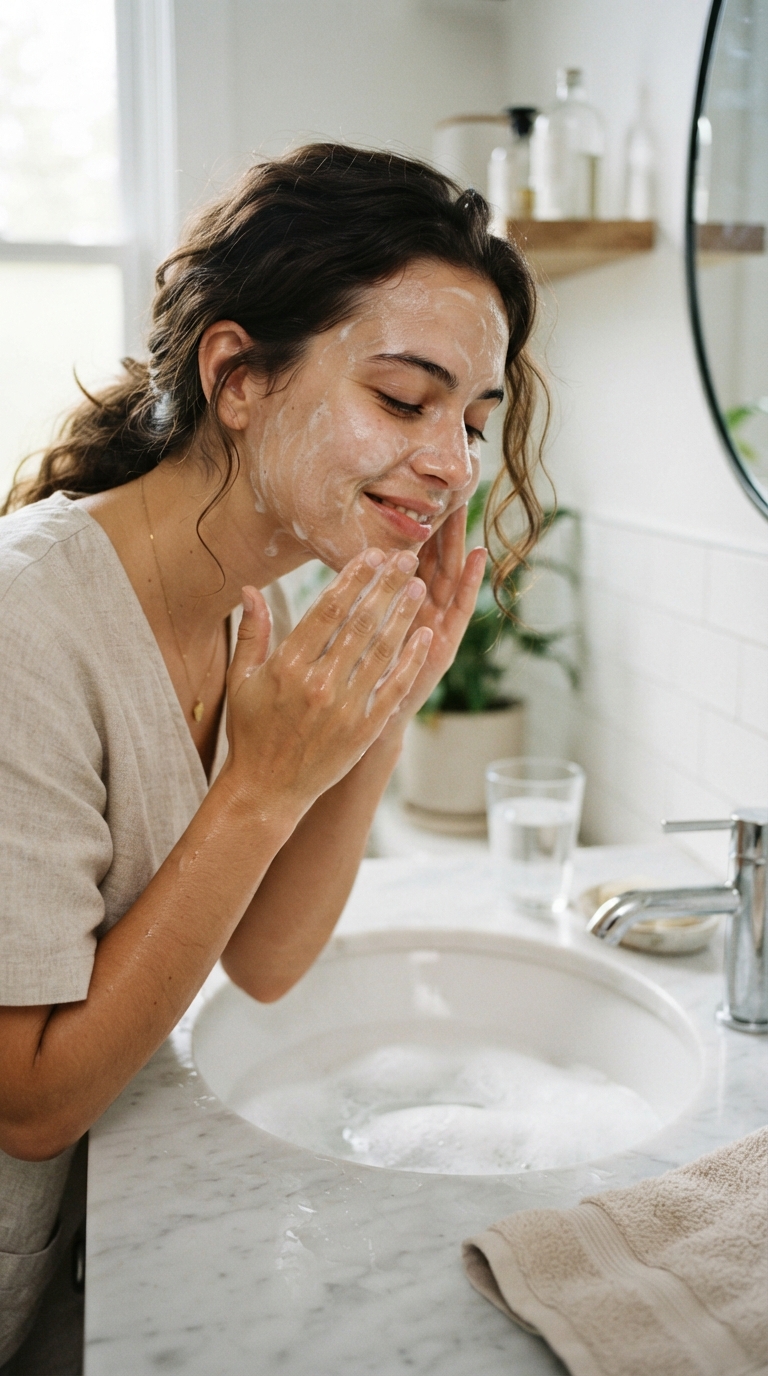
This step matters twice a day, but it’s worth being honest that a cleanser alone won’t resolve active acne — its job is to create a clean, non-irritated base for the rest of the routine to actually work.
Best for: Every acne-prone skin type, from oily to combination to acne-prone-but-dry.
Step 2: Apply a Gentle Toner or Skip It Entirely
Toner is genuinely optional in an acne-prone routine, and for many people, particularly those already using active ingredients elsewhere in the routine, skipping it altogether reduces the number of products the skin has to tolerate without losing anything meaningful. If a toner is used, it should be alcohol-free and hydrating rather than the older-style astringent toners marketed toward oily skin, since those can strip the barrier in the same way a harsh cleanser does.
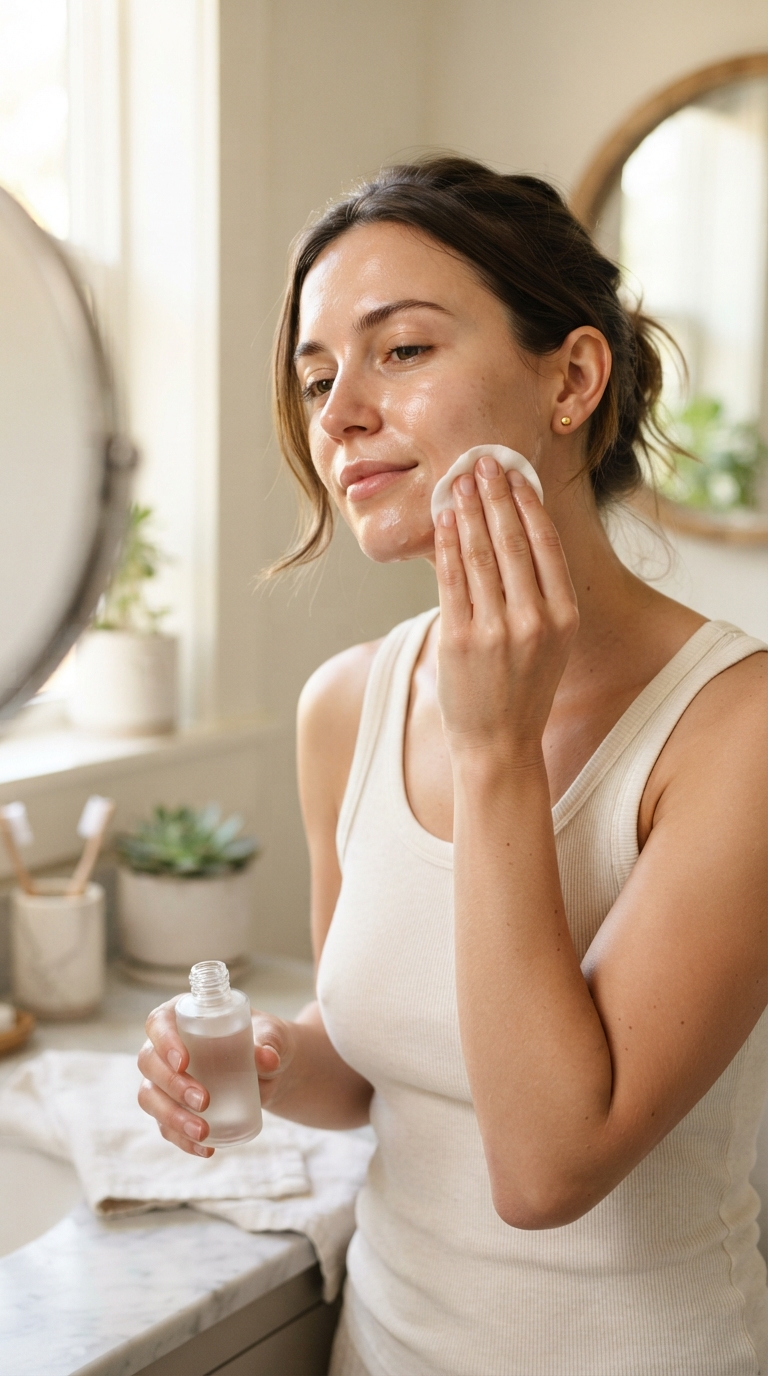
This step is really about restraint — resisting the instinct to add a product simply because a routine “should” have one.
Best for: Anyone with dry or sensitive patches alongside acne who wants an extra layer of hydration before actives.
Step 3: Introduce One Active Ingredient at a Time
Salicylic acid and benzoyl peroxide are two of the most commonly used over-the-counter actives for acne, and each works differently — salicylic acid helps exfoliate inside the pore, while benzoyl peroxide targets acne-causing bacteria. Introducing only one new active at a time, starting with a lower concentration and a few times a week rather than daily, makes it far easier to tell what’s actually helping and what’s causing irritation.
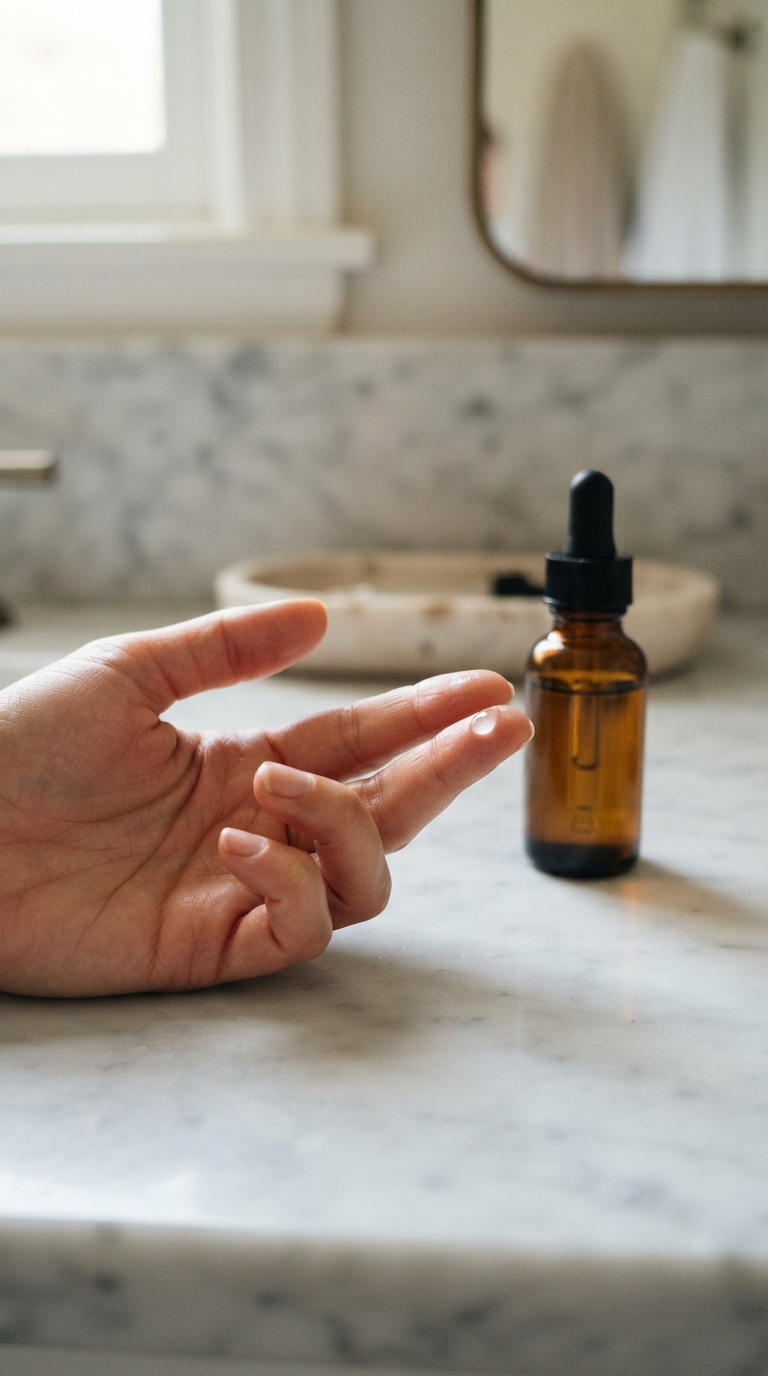
This is also the step where a dermatologist’s input becomes genuinely valuable rather than optional — persistent, cystic, or scarring acne often responds better to a prescription-strength approach than to layering over-the-counter actives on your own, and a dermatologist can advise on which active (or combination) suits your specific skin.
Best for: Mild to moderate acne being managed with an over-the-counter routine; anyone unsure which active is irritating.
Step 4: Moisturize, Even on Oily or Breakout-Prone Skin
Skipping moisturizer because the skin already feels oily is one of the most common mistakes in acne-prone routines, and it often backfires — under-hydrated skin can overcompensate by producing more oil, and active ingredients like salicylic acid or benzoyl peroxide can be drying enough on their own that skipping moisturizer makes irritation worse, not better. A lightweight, oil-free, non-comedogenic moisturizer supports the skin barrier without adding the heaviness some people associate with breakouts.
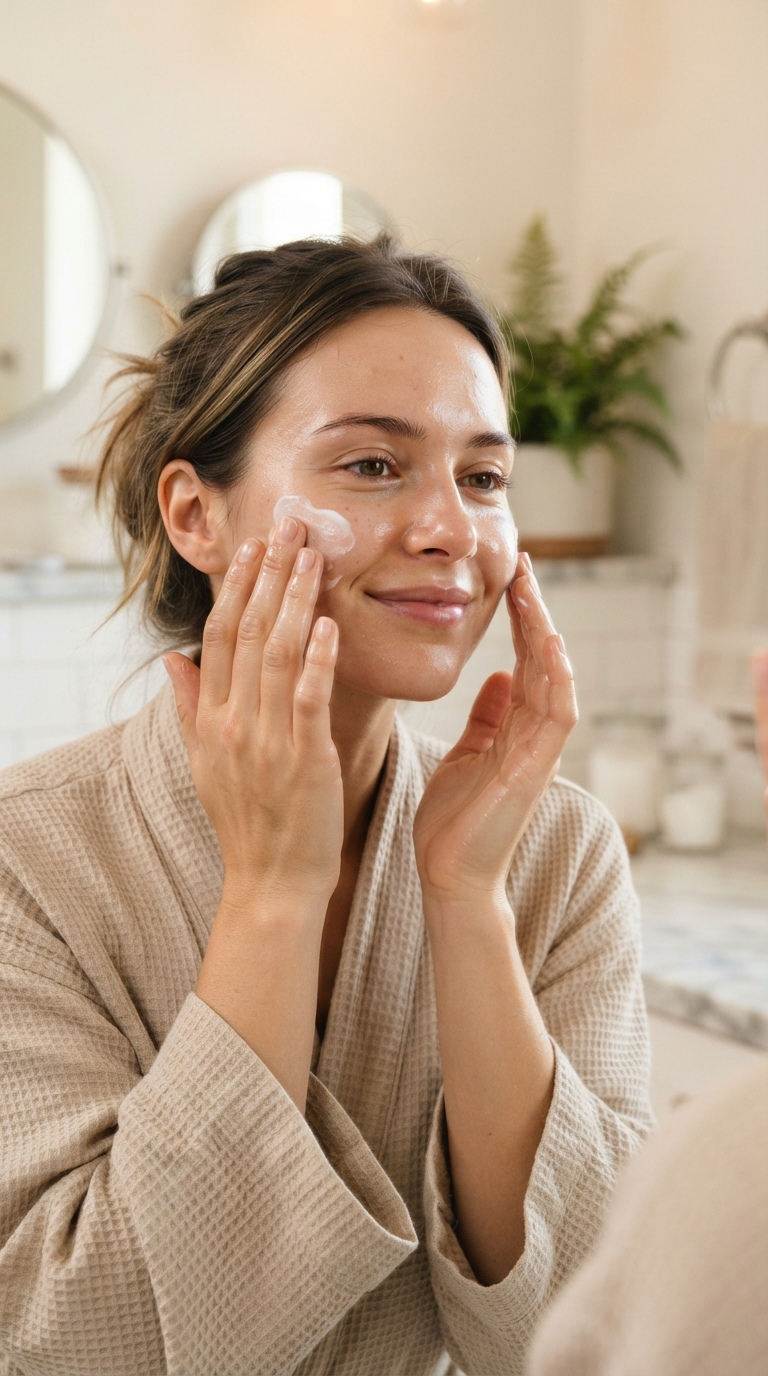
This step isn’t about undoing the acne treatment — it’s about making sure the skin barrier stays intact enough for that treatment to actually work well over time.
Best for: Every acne-prone skin type, without exception, including oily skin.
Step 5: Apply Sunscreen Every Morning
Many acne treatments — retinoids and exfoliating acids in particular — increase the skin’s sensitivity to sun exposure, which makes daily sunscreen a genuinely essential part of an acne routine rather than an optional add-on. Beyond protecting against sun-related sensitivity from active ingredients, consistent sun protection also helps prevent post-acne marks from becoming more pronounced or longer-lasting, since UV exposure can darken those marks further.
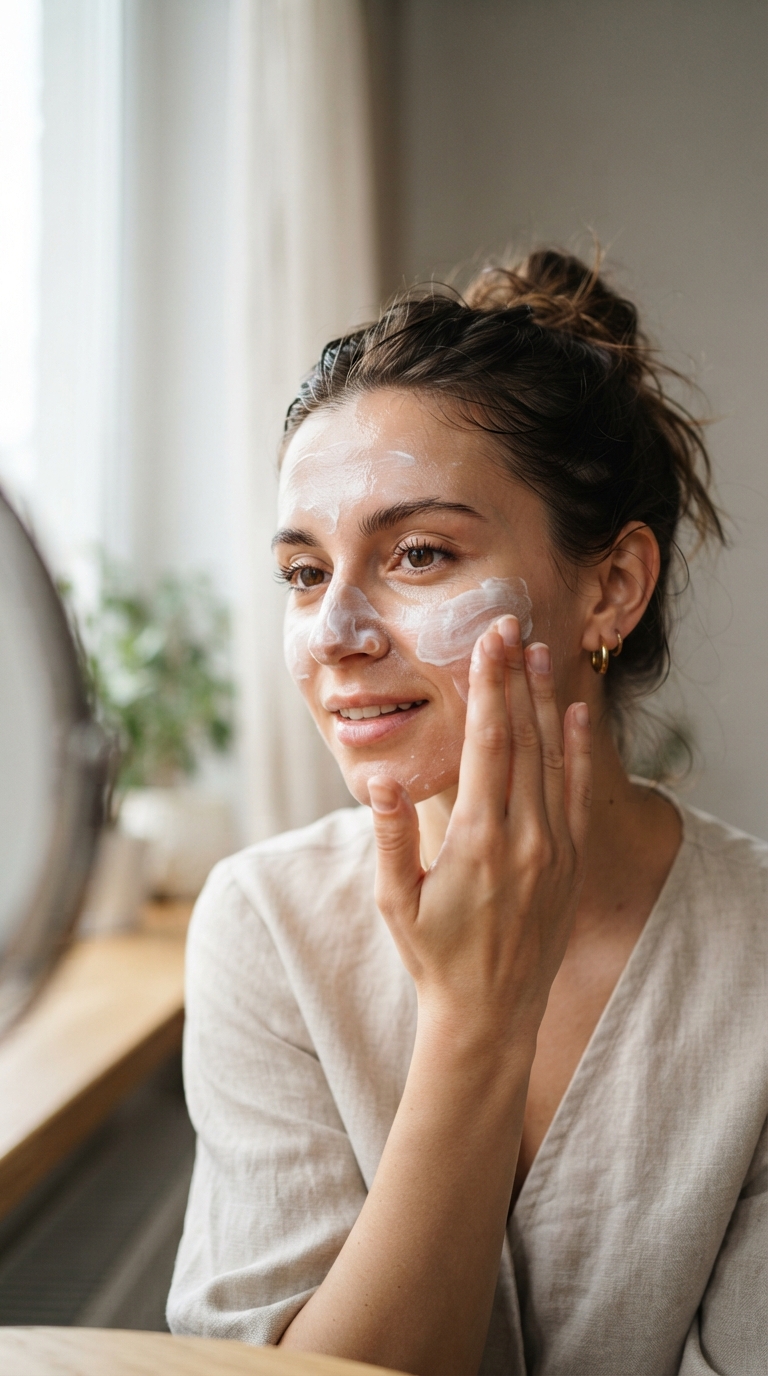
A broad-spectrum, oil-free, non-comedogenic sunscreen applied every morning — regardless of whether it’s sunny — is one of the most consistently supported steps in this entire routine.
Best for: Everyone, every day, regardless of acne severity or which active ingredients are being used.
Step 6: Resist Touching, Picking, or Popping
This isn’t a product step, but it may be the single most impactful habit in the entire routine. Picking at active breakouts increases inflammation, extends healing time, and significantly raises the risk of scarring or lasting dark marks compared to leaving a blemish to heal on its own or with appropriate treatment. This habit is genuinely difficult to break, and it’s worth approaching with patience rather than frustration if it’s something you find yourself doing.

If picking feels compulsive or hard to control, that’s worth mentioning to a dermatologist or another healthcare provider — it’s a common experience, not a personal failing, and some strategies can help.
Best for: Everyone with active breakouts; this step supports every other step in the routine.
Step 7: Change Pillowcases and Phone Screens Regularly
Pillowcases accumulate oil, product residue, and bacteria over the course of a week, and phone screens pick up similar buildup throughout the day — both come into repeated, prolonged contact with the skin, particularly the cheek and jaw area. Washing pillowcases roughly once a week and wiping down a phone screen regularly are small, low-effort habits that reduce one source of repeated skin contact with buildup.

This step won’t resolve acne on its own, but it removes one variable that can otherwise work against everything the rest of the routine is trying to do.
Best for: Anyone noticing breakouts concentrated on the cheek or jaw, where phone and pillow contact is most frequent.
Step 8: Know When to See a Dermatologist
An over-the-counter routine genuinely helps a meaningful number of people with mild to moderate acne, but it has real limits — persistent acne that isn’t improving after several months of consistent care, cystic or deeply painful breakouts, or acne that’s leaving noticeable scarring are all strong signals that professional input is worth pursuing rather than continuing to adjust an at-home routine indefinitely. A dermatologist can offer prescription-strength options, identify whether something beyond typical acne is contributing to the skin’s behavior, and help avoid unnecessary trial and error.
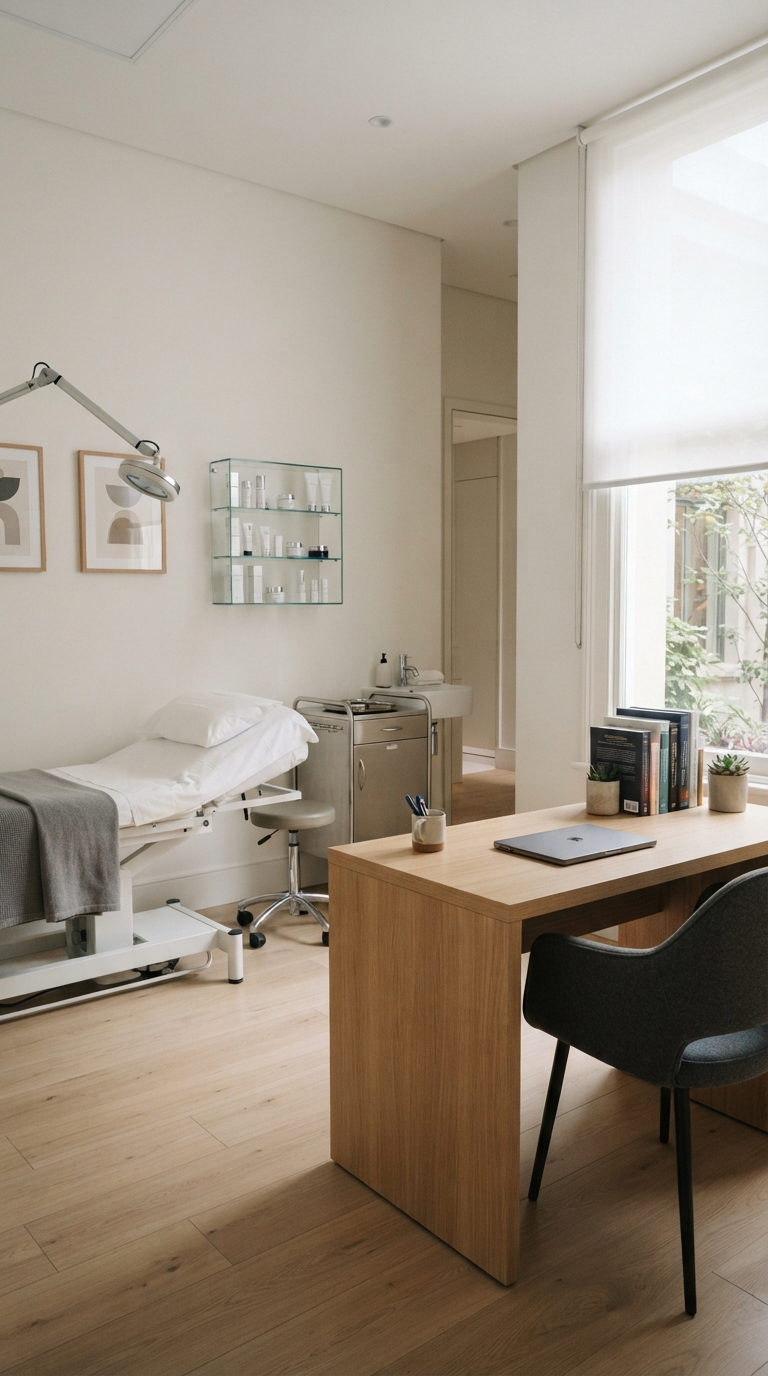
This step is less about a specific product and more about recognizing that “keep trying things at home” isn’t always the right long-term strategy, and that’s not a failure of the routine — it’s simply the point where a different kind of care becomes more useful.
Best for: Anyone whose acne hasn’t responded to a consistent at-home routine after a reasonable trial period, or who is dealing with cystic, painful, or scarring breakouts.
How to Build This Routine Without Overwhelming Your Skin
Start with the cleanser and moisturizer alone for a week or two before introducing any active ingredient — this gives you a genuine baseline for how your skin behaves without any new variables, which makes it far easier to notice what an active is actually doing once it’s introduced. When you do add an active, give it several weeks of consistent use before deciding whether it’s working; most acne treatments take time to show visible change, and switching too quickly makes it difficult to know what’s actually helping.
If your skin becomes red, uncomfortable, or noticeably more irritated at any point, that’s a signal to pull back rather than push through — irritation is not a sign the treatment is “working harder,” and continuing to layer more product on top of an already-irritated barrier tends to slow progress rather than speed it up.
What to Realistically Expect
Most people following a consistent, gentle acne routine start to notice some improvement over 6 to 12 weeks, not days — skin cell turnover and inflammation reduction both take time, and expecting immediate results is one of the most common reasons people abandon a routine before it’s had a real chance to work. Existing acne marks or scarring, if present, typically take even longer to fade and may not resolve fully through skincare alone, which is worth knowing upfront so the routine’s actual results don’t feel disappointing by comparison to an unrealistic timeline.
Closing Thoughts
A gentle, consistent routine won’t feel as dramatic as a shelf full of targeted treatments, and that’s largely the point — acne-prone skin generally responds better to steady, barrier-supportive care than to an aggressive, ever-changing lineup of products. Give this routine time, watch for how your specific skin responds, and don’t hesitate to bring a dermatologist into the process if things aren’t moving in the right direction after a genuine, consistent effort.
Save this guide, start with the basics, and build from there at whatever pace your skin actually needs.



One thought on “The Acne Routine That Works With Your Skin, Not Against It”