
15 Medium Layered Hairstyles That Look Effortlessly Chic
There is a specific version of a good hair day that every person who has ever had the right haircut knows intimately. The morning when you step out of the shower, let your hair dry — or spend exactly seven minutes with a round brush — and everything falls exactly where it should. The volume is in the right place. The movement is natural. The length flatters the jaw, and the layers catch the light in a way that looks effortful but required essentially no effort at all.
That hair day is not luck. It is architecture. It is what happens when a haircut is right for the specific texture, the specific face shape, and the specific lifestyle of the person wearing it. And right now, in 2026, the cut that is producing that hair day most consistently across the widest range of hair types and face shapes is the medium layered haircut.
Medium layered hair sits at the intersection of every good quality a haircut can have simultaneously. It is long enough to be versatile — worn down, half-up, braided, curled, or straightened. It is short enough to be genuinely manageable. The layers provide movement and dimension that flat, single-length cuts cannot produce. And the medium length frames the face in a way that flatters more face shapes than either very short or very long hair can claim.
This guide covers fifteen of the most beautiful, most wearable, and most requested medium layered hairstyles — each one suited to a different texture, face shape, and styling preference. Find the one that describes what you have been trying to achieve, and take this guide to your next appointment.
Style 1: The Classic Collarbone Cut With Face-Framing Layers
The collarbone-length layered cut is the medium haircut at its most universally flattering — ending precisely at the collarbone, with face-framing layers that begin at the cheekbones and angle downward toward the chin. These face-framing layers are the critical element: they draw the eye to the cheekbones, slim the sides of the face, and produce the specific “frame” around the face that makes this cut work for oval, round, square, and heart-shaped faces with minimal modification.
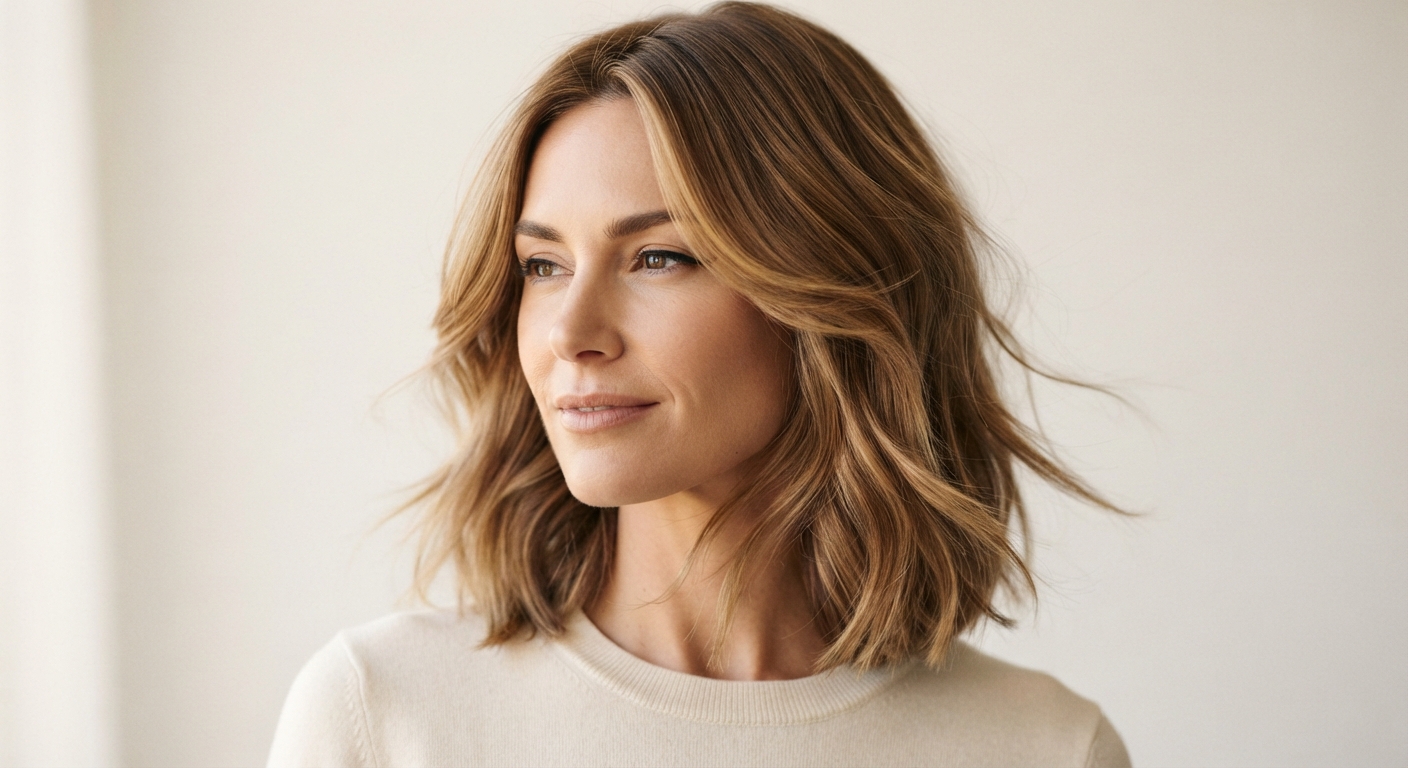
The layers within the body of the hair — typically three to four layers from mid-shaft to the ends — provide movement and prevent the blunt, heavy appearance that collarbone-length hair without layering can produce on thicker hair textures. The ends are point-cut rather than blunt-cut to create a soft, diffused finish.
Best for: Oval, round, and square face shapes. Medium to thick hair texture. The versatility of this cut makes it the single most-requested medium layered style.
Styling: This cut air-dries with a natural bend that requires only minimal product — a small amount of smoothing cream through the mid-lengths and ends. With a round brush, it achieves the classic blowout in approximately eight minutes.g
Style 2: The Curtain Bangs and Layers Combination — The Most-Saved Look on Pinterest
This is the cut that is driving medium layered hair’s current Pinterest dominance. Curtain bangs — a center-parted fringe that is longer in the center, angling away from the face on each side — combined with medium-length layers create a look that reads simultaneously as seventies-inspired and completely contemporary.
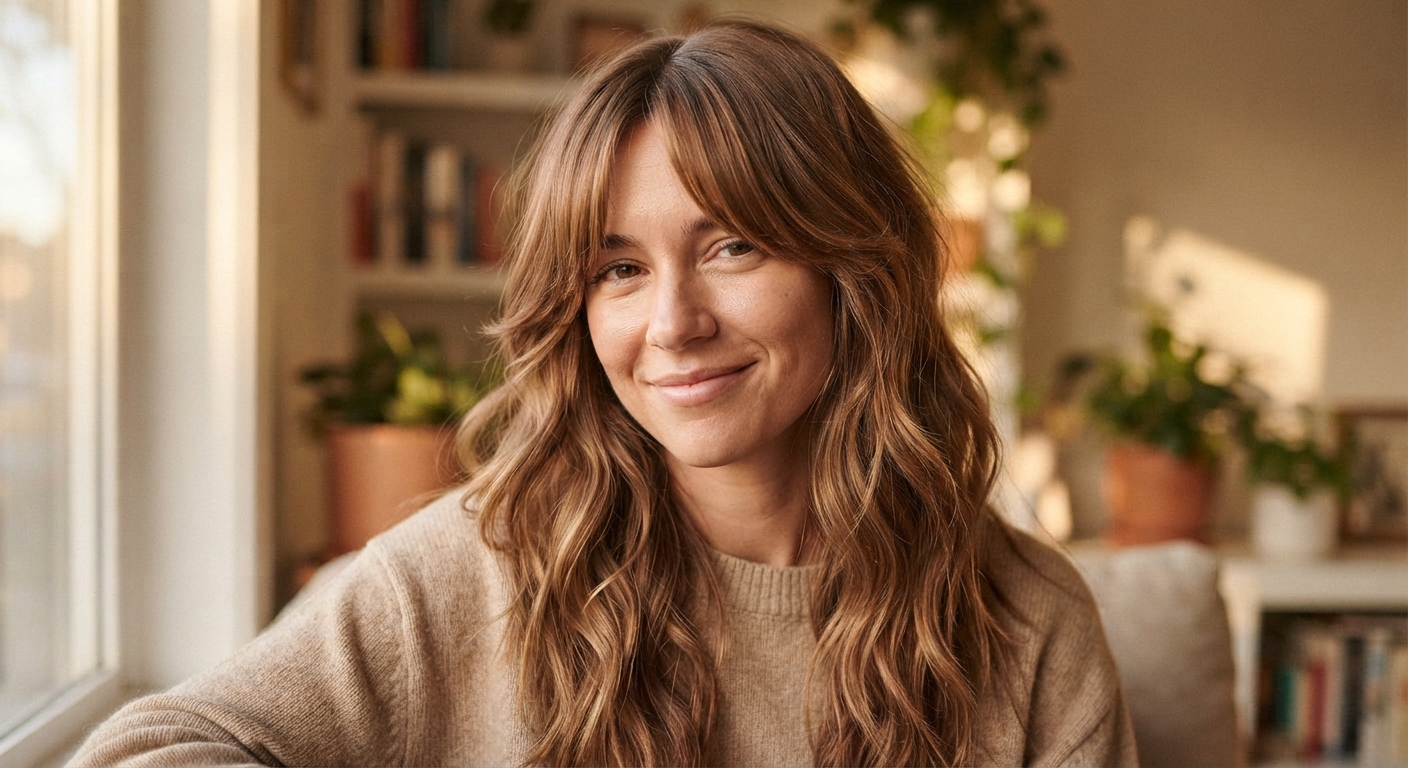
The curtain bangs are the transformative element. They soften the forehead, draw attention to the eyes, and create the oval face framing that most face shapes benefit from. Combined with medium-length layers that provide movement below the chin, the result is a cohesive, face-enveloping look that photographs with extraordinary impact.
The maintenance reality: Curtain bangs require styling every morning — they will not fall perfectly without a round brush or a blow-dryer technique. They need trimming every four to six weeks to maintain the correct length. For owners of thick, straight hair, they maintain their shape with minimal effort once styled. For curly or wavy hair, the morning styling requirement is higher.
Best for: Oval, round, and heart-shaped faces. The curtain bang suits almost every face shape, which is part of its universal appeal.
Style 3: The Textured Shag Haircut — Lived-In Perfection
The shag is experiencing its definitive revival — and in its medium-length form, it produces one of the most versatile, most texture-celebrating cuts available. The defining elements of the shag: heavy layering throughout (not just face-framing and ends, but genuine layers from the top of the head downward), textured and point-cut ends that are intentionally uneven, and a slightly undone quality that makes the cut look more considered rather than less as it grows out.
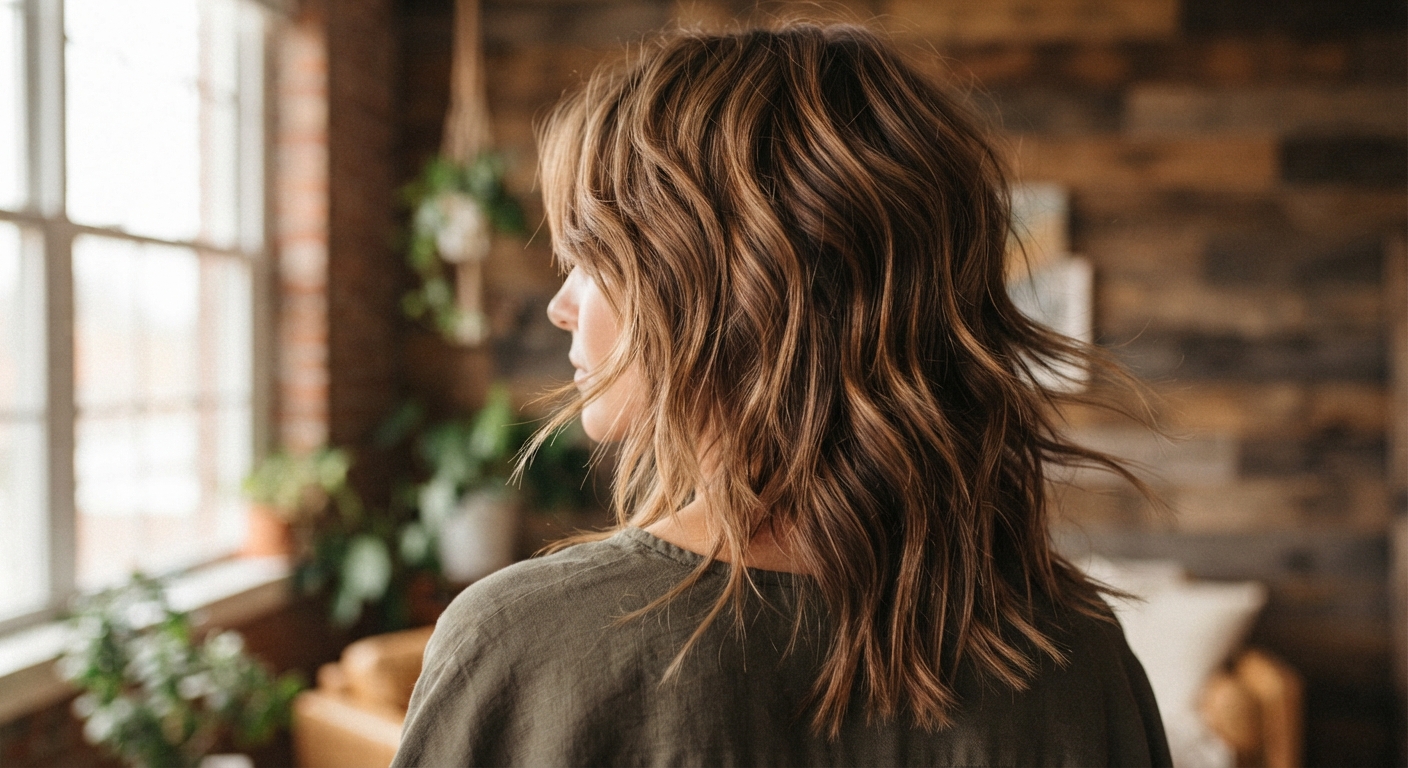
The medium shag suits fine-to-medium hair textures particularly well — the layering removes bulk and creates the appearance of more volume and movement than the hair naturally has. For thick hair, the shag requires more strategic layering to prevent the cut from becoming too bulky in the upper layers.
The styling secret: The medium shag does not want perfection. It wants texture. A sea salt spray, scrunched in while the hair is damp and allowed to air dry, produces the specific tousled, high-texture result that makes the shag look like the best version of itself. The less precision in the styling, the better the shag tends to look.
Best for: Oval and heart-shaped faces. Fine to medium hair texture. Anyone who wants a cut that looks effortless because it genuinely is.
Style 4: The Blunt Bob With Invisible Layers — Structured Volume
The haircut that appears to be a classic blunt bob but behaves like a layered cut. The “invisible layer” technique places the layering within the interior of the hair only — the perimeter remains blunt and defined, but internal weight removal prevents the heavy, helmet-like appearance that a fully blunt medium bob can produce on thicker hair.
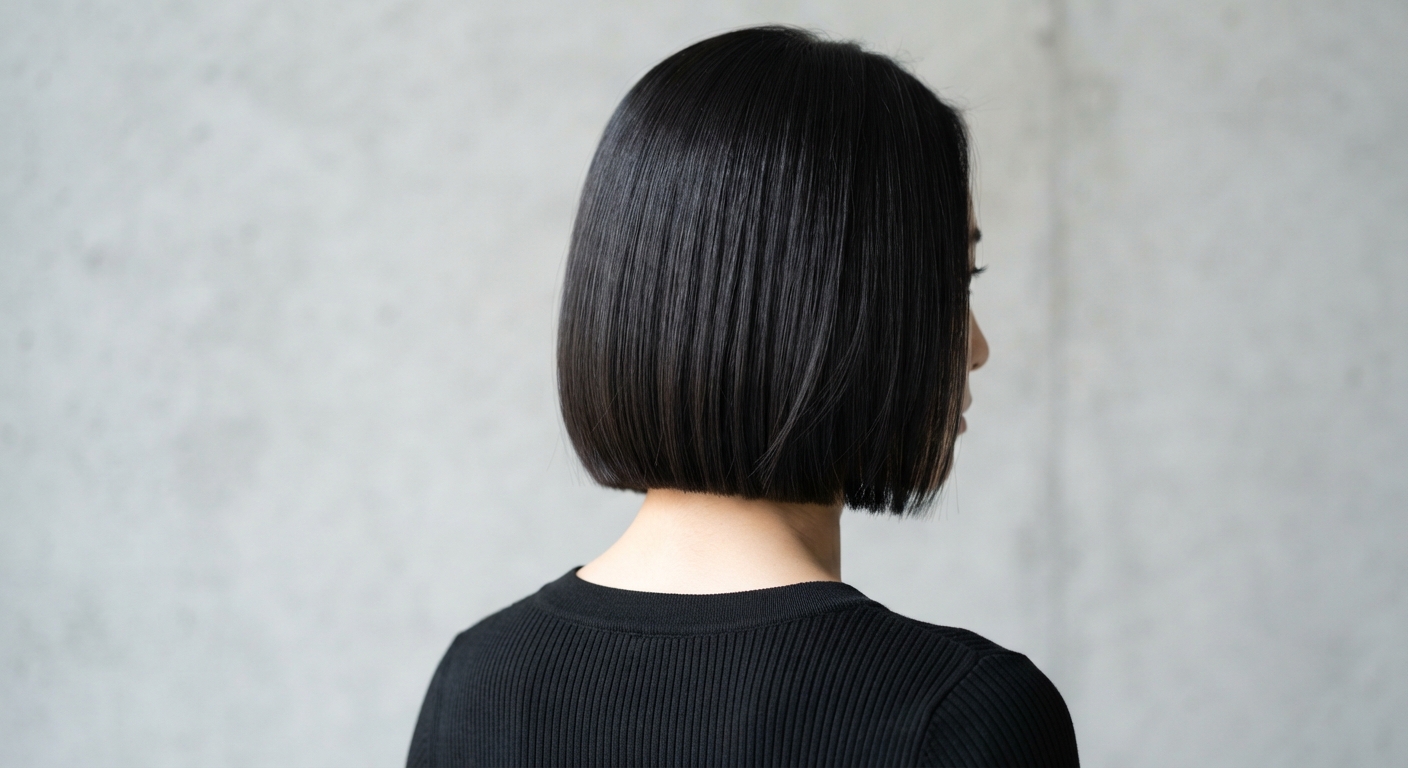
The result is a cut that reads as sharp and structured from the outside, but that moves and flows with the natural lightness of a layered cut from the inside. It is the most professional-facing medium layered style on this list — appropriate for formal environments where a tousled shag or a textured wave would not be.
Best for: Square and strong jawline faces — the blunt perimeter creates a defined horizontal line that softens angular features through contrast. Thick hair textures — the internal layering is genuinely necessary for thick hair in a medium bob to prevent width.
Style 5: The Butterfly Cut — The Biggest Hair Trend of 2026
The butterfly cut is the hairstyle that has dominated every trending hairstyle conversation in 2026. Named for the wing-like visual shape that the contrast between shorter crown layers and longer perimeter layers creates when the hair moves, the butterfly cut creates the most dramatic volume and movement of any medium-length style.
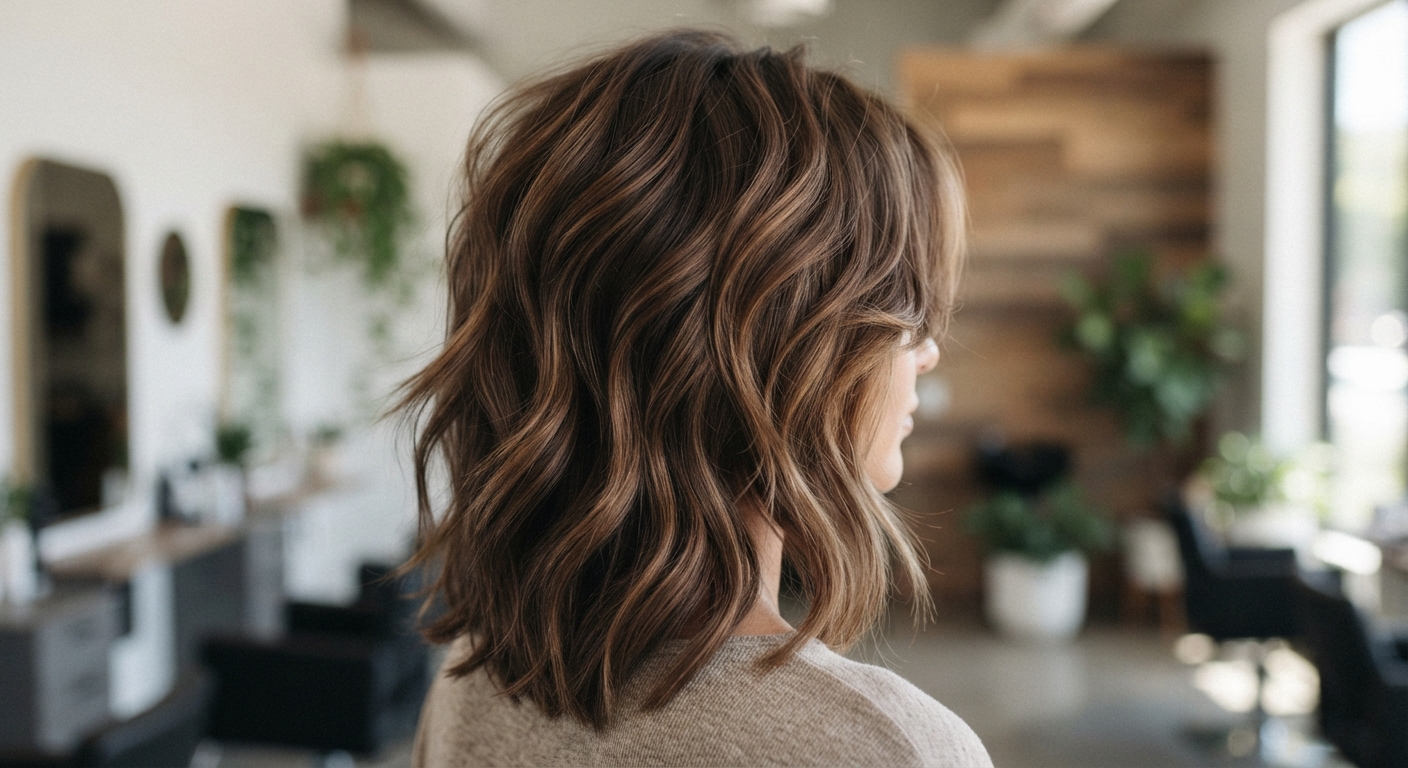
The technique: very short, feathery layers at the crown (approximately chin-length at their shortest) create a voluminous crown section. The perimeter length — collarbone to shoulder — provides the longer, flowing base. The contrast between these two lengths creates the characteristic silhouette.
The styling approach: The butterfly cut is most fully expressed when the crown layers are diffused into loose waves or curls while the perimeter is smoothed — the contrast in texture between crown and perimeter amplifies the butterfly silhouette. A diffuser on a medium-heat setting, followed by the perimeter smoothed with a round brush, produces the full effect in approximately twelve minutes.
Best for: Oval and long face shapes — the shorter crown layers add visual width at the top of the face that longer face shapes benefit from. Fine to medium hair texture — the volume created by the technique is most dramatic on finer hair.
Style 6: The Long Layers on Wavy Hair — The Effortlessness Champion
For naturally wavy hair types — those with a 2A to 2C wave pattern — this cut is the answer to every “I don’t know what to do with my hair” morning. Long, sweeping layers that begin at the collarbone and angle through the perimeter, with minimal work at the root area to preserve natural volume, and end-weight removal that allows the waves to spring into definition rather than sitting weighted and flat.
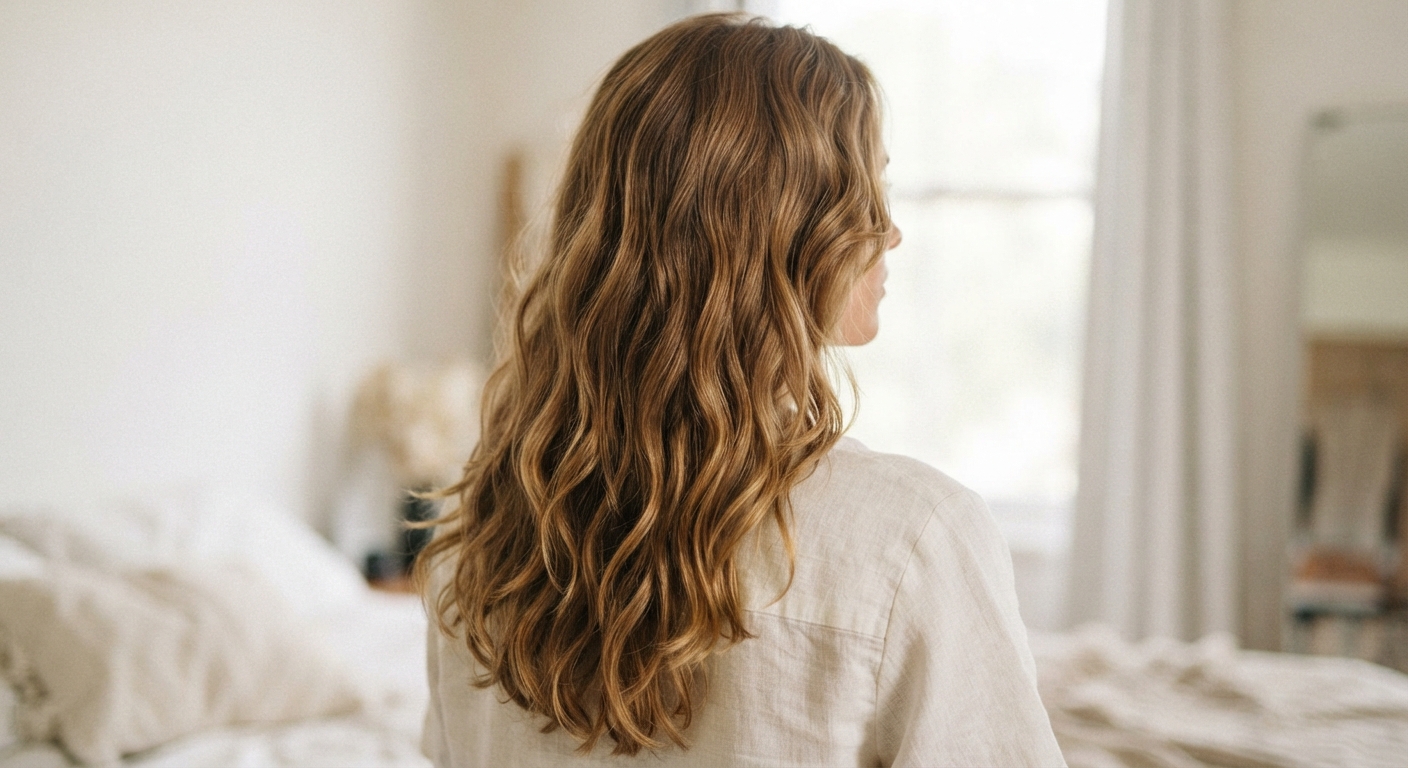
The fundamental principle of cutting wavy hair with layers: layers must be placed where the wave is, not where the wave is not. A wave that is supported by a layer ending at its natural peak creates definition. A wave that is cut through its middle creates frizz and disruption. The skilled stylist who understands wave patterns places layers in conversation with the specific wave pattern, not against it.
The dry-cut advantage: Ask for this cut to be dry-cut rather than wet-cut if your stylist is experienced in the technique. Wavy hair shrinks significantly when it dries, and a wet cut cannot account for how much shorter the layers will appear once the wave springs back. A dry cut sees the hair as it actually lives.
Style 7: The Money Piece and Layers — Color Meets Cut
The money piece — a face-framing color highlight placed at the very front sections of the hair, typically two to three shades lighter than the base — combined with medium-length layers creates a look where cut and color work together to maximize the face-framing effect that either technique achieves individually.
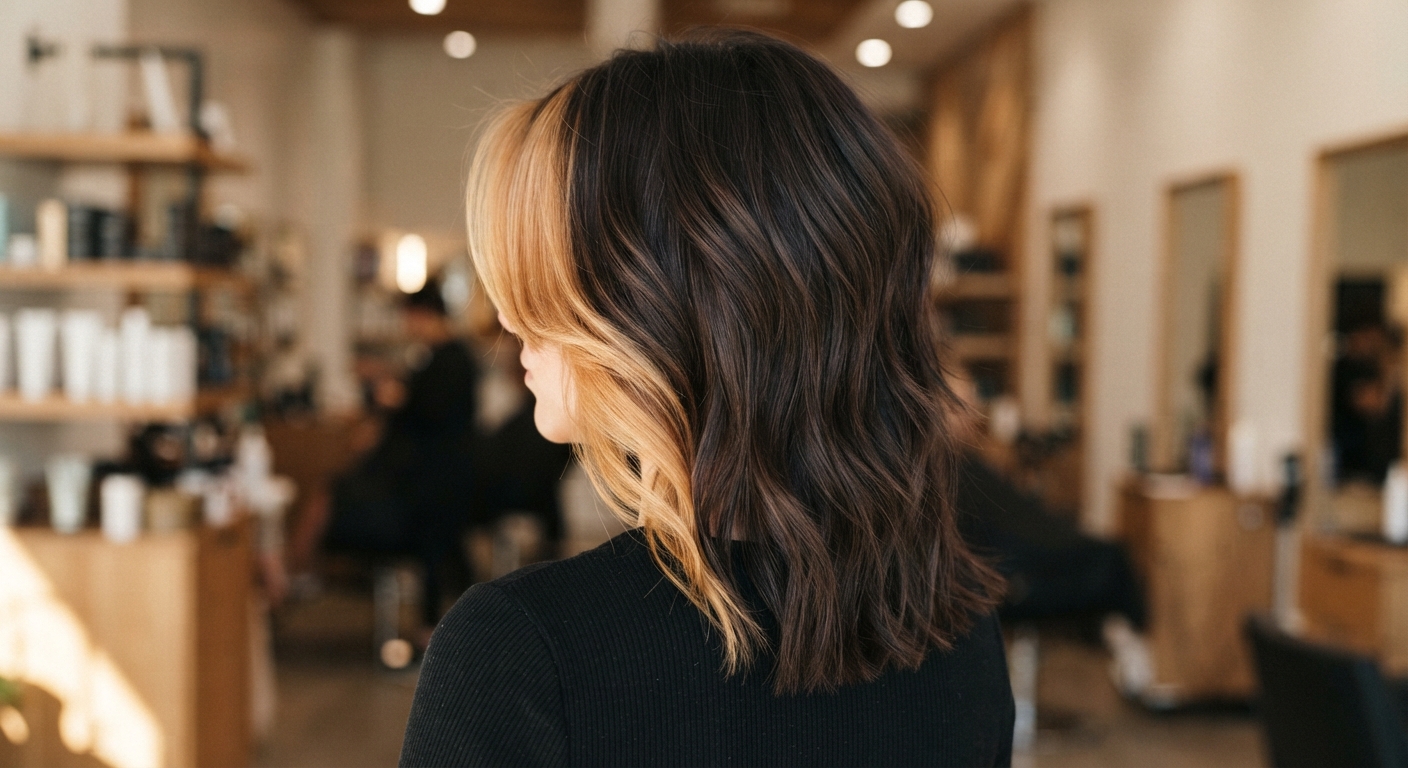
The money piece draws the eye to the face-framing sections. The layers ensure that those face-framing sections have movement and dimension. The combination is greater than either element alone — the color defines the frame, the layers animate it.
The color placement: The money piece should be placed in the sections that fall directly at the face front — the first inch of hair on either side of the center part, taken back to approximately temple width. The highlight should be brightest at the very front and feathered backward to blend with the base color at the mid-scalp.
Best for: All face shapes — the money piece can be adjusted in width and placement to suit any face. Anyone who wants the suggestion of full highlights at a fraction of the maintenance commitment.
Style 8: The Wolf Cut at Medium Length — Edge Meets Wearability
The wolf cut — a hybrid of the shag’s heavy layering and the mullet’s longer back perimeter relative to shorter front sections — has been adapted for medium lengths into one of the most editorial, most photographed cuts in current trend circulation. At medium length, the wolf cut loses the extreme mullet proportion that can read as costume and gains the wearability that makes it genuinely practical.
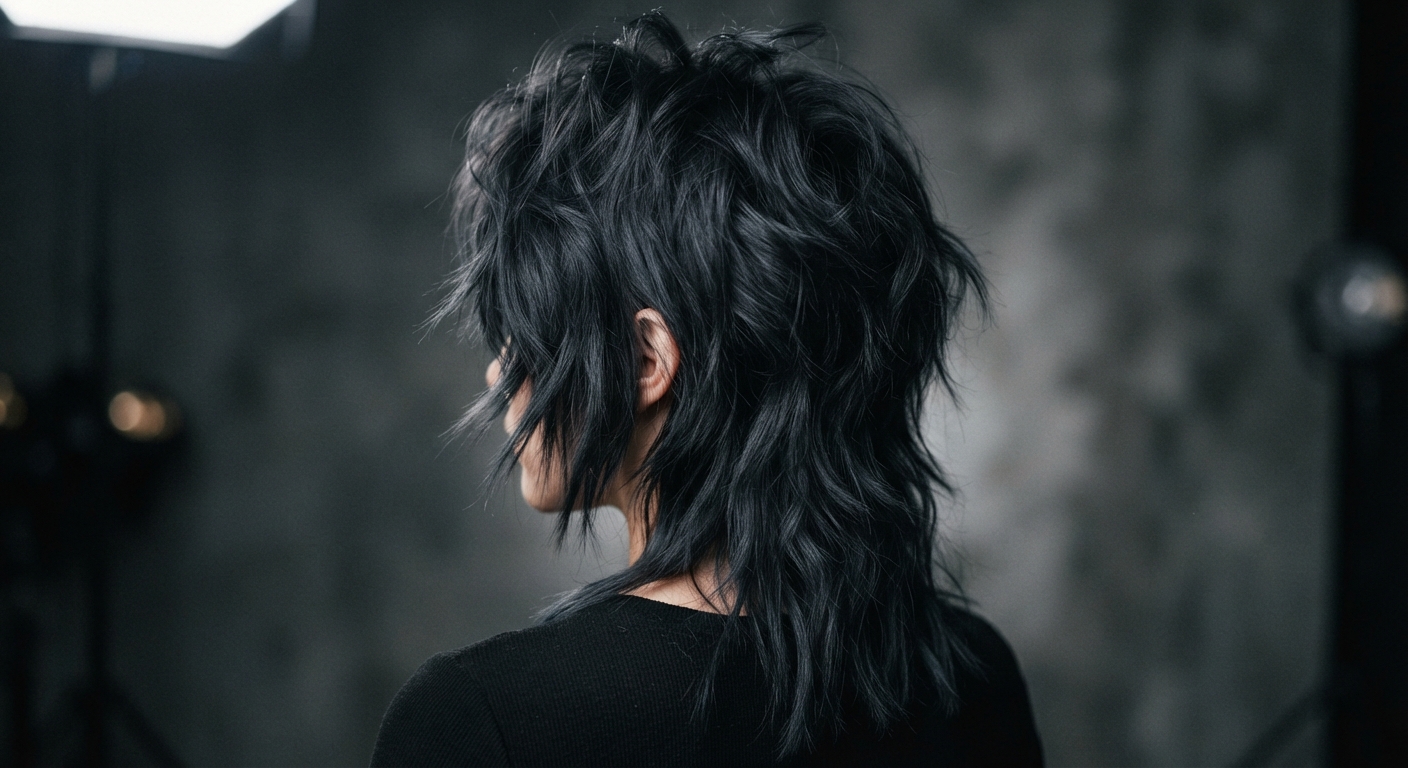
The defining elements at medium length: heavy crown layering that creates significant volume at the top of the head, shorter face-framing layers that angle aggressively toward the chin, and a longer back perimeter that provides the length contrast essential to the wolf cut silhouette.
The styling: The medium wolf cut is at its best when the crown is given maximum texture and volume — a texturizing paste worked through damp crown layers, then air-dried or diffused. The perimeter can be worn straight, wavy, or curled depending on the occasion. The cut transitions between casual and polished based entirely on styling choice, which makes it one of the most lifestyle-versatile medium layered cuts available.
Style 9: The Soft Lob (Long Bob) With Layers — The Timeless Professional
The lob — the long bob ending between the chin and collarbone — with interior layers is the medium layered style that has sustained the longest continuous popularity without becoming dated. It works in a professional environment, a casual setting, and a formal one. Also, It suits every hair texture from very fine to thick. It photographs well from every angle. And it grows out gracefully, requiring only maintenance trimming rather than a full restyle to manage.
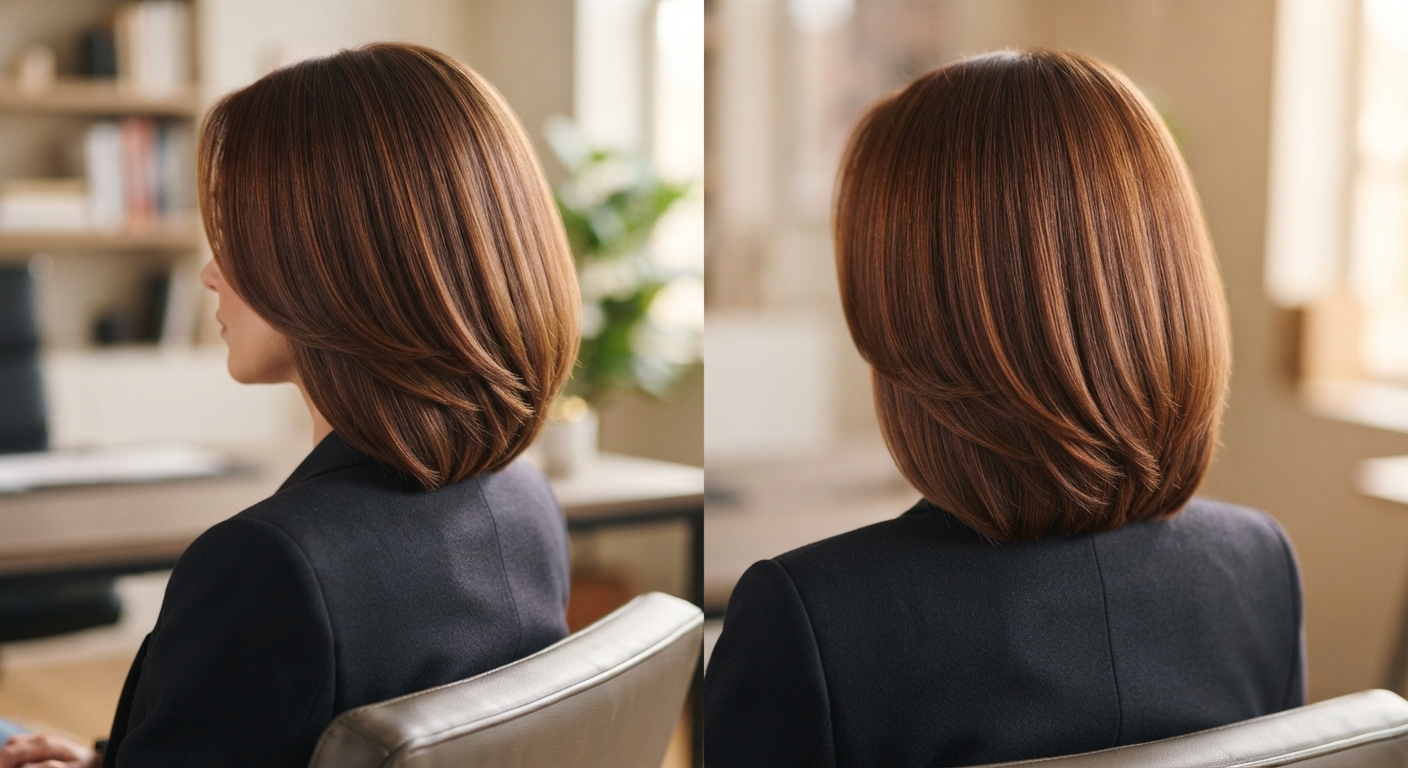
The interior layering on the lob is the element that most differentiates it from the blunt bob. Without layers, the lob can appear heavy and shapeless on anything above fine hair. With interior layers — reducing weight through the mid-lengths while maintaining the perimeter — it moves with a natural bounce and lightness that makes it look significantly more effortful to achieve than the styling actually requires.
The trim schedule: Every six to eight weeks to maintain the perimeter definition. The layers can go twelve weeks without a restyle if the perimeter length is managed correctly.
Style 10: The Layers for Curly Hair — Finally, a Cut That Works With the Curl
Curly hair has been historically underserved by the medium layered haircut conversation — primarily because the techniques developed for straight and wavy hair do not translate to curly hair without producing results that neither flatter nor function. The medium layered cut for curly hair requires a completely different approach: the Deva Cut or the Rezo Cut technique, applied at medium length, with every layer cut dry and at its natural curl formation.
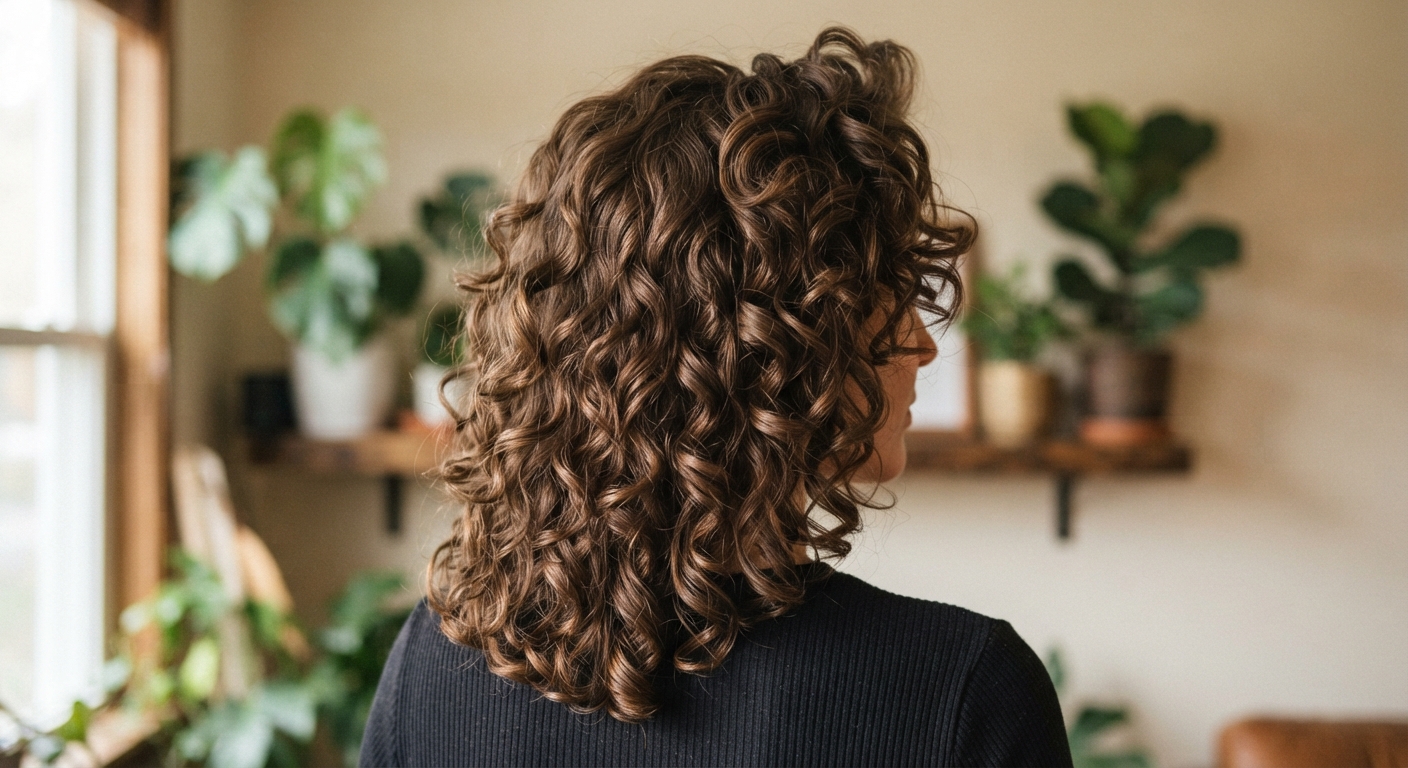
The specific version of medium-length layers for curly hair: volume-building layers at the crown (cut in a slight U or V shape that allows the natural curl spring to create volume rather than weight), length maintenance at the perimeter to preserve the medium length after the curls spring up, and strategic removal of weight in any section where the curl pattern is being pulled straight by excess length and weight.
The shrinkage consideration: Curly hair at medium dry length may appear short-to-medium or even short when wet. The dry cut technique accounts for this by cutting at the natural dry length rather than the wet length — preventing the shock of a cut that appears correct when wet but reads significantly shorter once the curl has dried.
Style 11: The Side-Swept Medium Layers — Asymmetry as a Feature
A medium-length layered cut with a pronounced side part and face-framing layers swept to one side creates a directional asymmetry that adds visual interest to a straightforward medium-length cut. The asymmetry is subtle — this is not an extreme asymmetrical haircut — but the side-swept direction makes the layers frame the face differently on each side, creating a more dynamic and less predictable appearance than a center-parted equivalent.
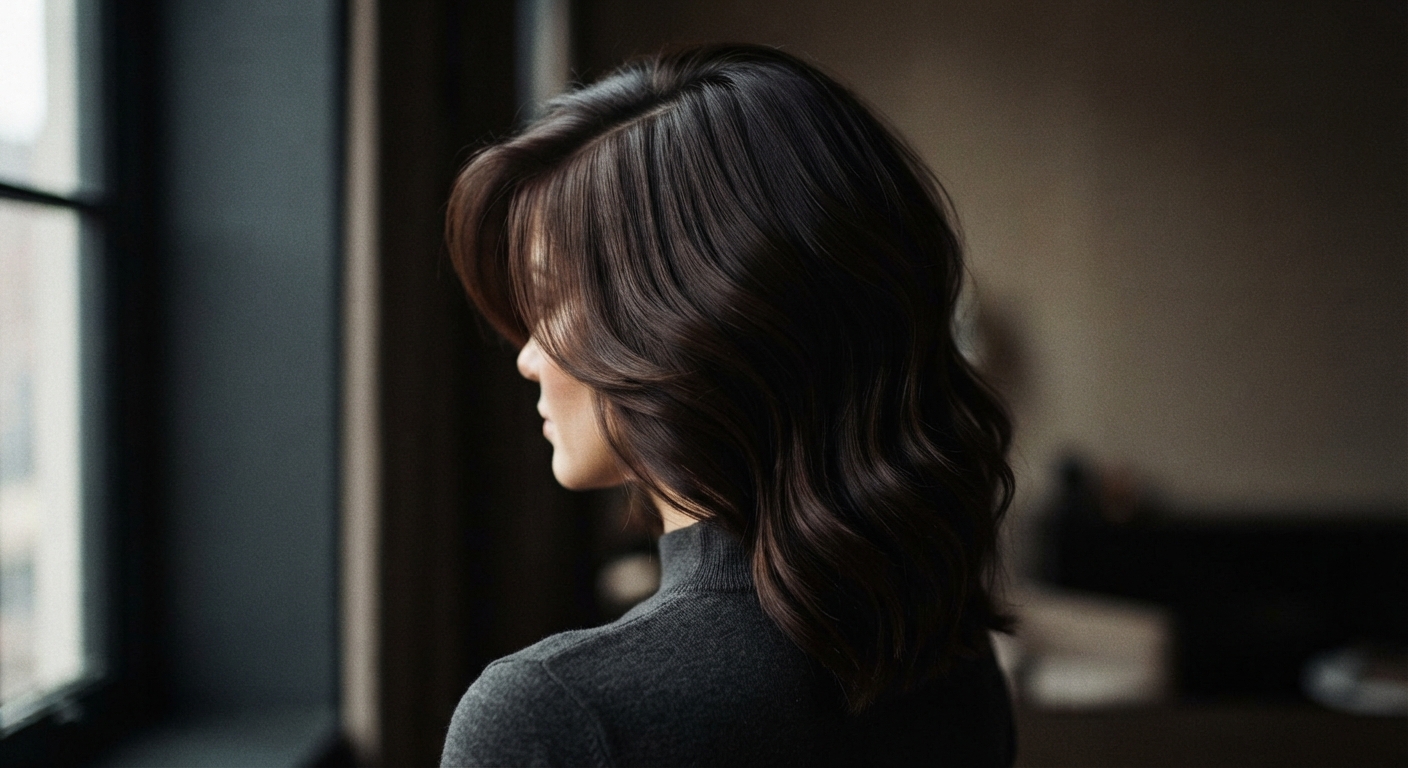
The heavier side (where the part falls) carries more of the face-framing layers and creates a slight visual weight that can camouflage a higher forehead or a less-defined jawline on the weighted side. The lighter side (the parted away side, where less hair falls) opens up more of the face. The combination of the two creates the visual interest of asymmetry without the commitment of an asymmetrical cut.
Best for: Long or narrow face shapes — the side-swept volume creates width in a flattering direction. Anyone who finds a center part reads as too symmetrical for their features.
Style 12: The Textured Lob for Fine Hair — Volume Where There Was None
Fine hair at medium length without layering often appears stringy, limp, and lacking definition. The textured lob for fine hair addresses every one of these problems through a specific layering technique: point cutting throughout the perimeter to create texture and prevent blunt ends from emphasizing thinness, internal layers that remove weight while maintaining perimeter appearance, and a slight internal undercut or graduation that allows the surface layer to sit higher and create the appearance of more volume.
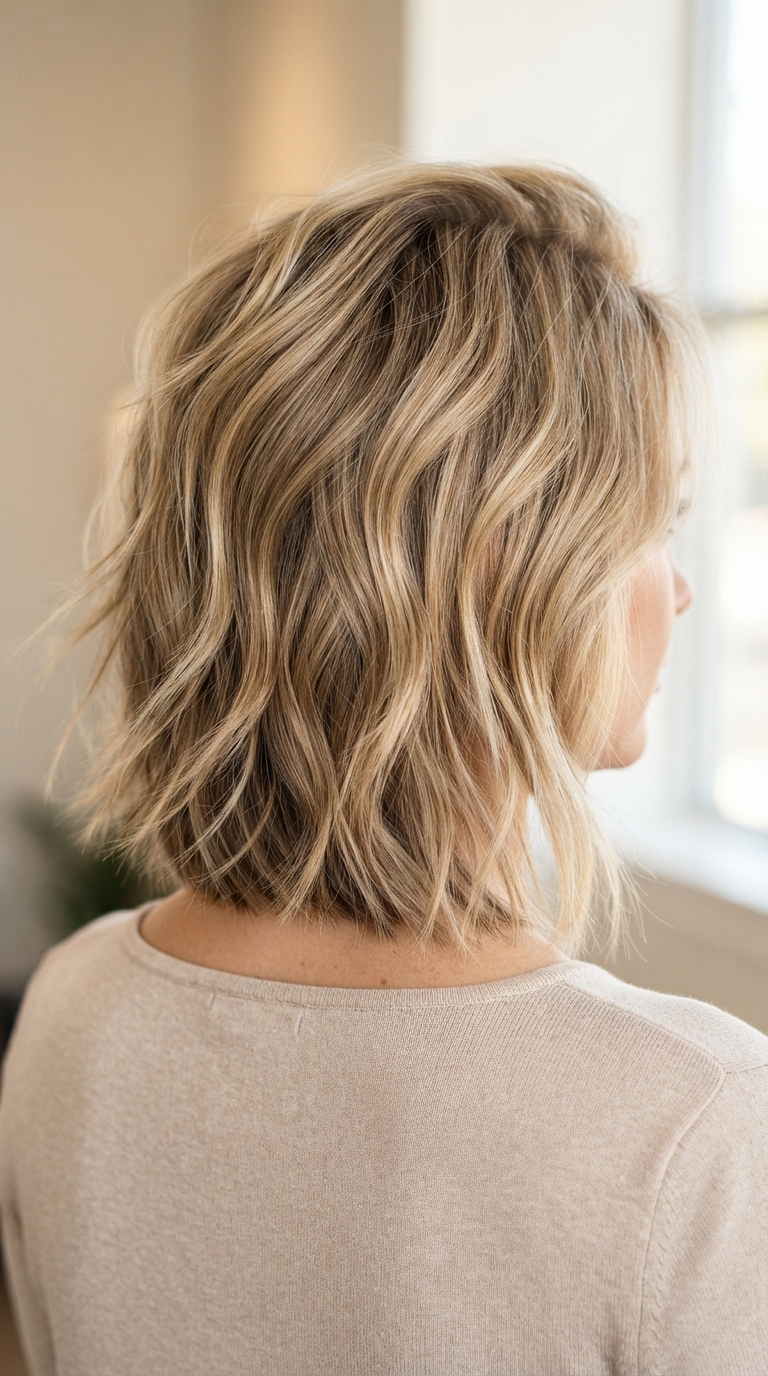
The products that make this work: A volumizing mousse applied to damp roots and blown dry with a round brush lifts the root area. A texturizing spray applied to dry ends creates the appearance of texture and weight that fine hair lacks naturally. A dry shampoo at the roots between washes maintains the volume that washing collapses.
What to avoid: Heavy oils, serums, or conditioners applied to the roots — these are weights that fine hair cannot support. Any conditioning product should be applied to mid-lengths and ends only, and even there, in smaller quantities than the label suggests.
Style 13: The Retro Seventies Layers — Farrah Waves at Medium Length
The seventies layer reference — long, sweeping face-framing layers with voluminous waves, center-parted and falling with the specific movement that is immediately associated with a particular decade and a particular attitude — has been revived in its medium-length form as one of the most requested retro-influenced cuts in current salon conversations.
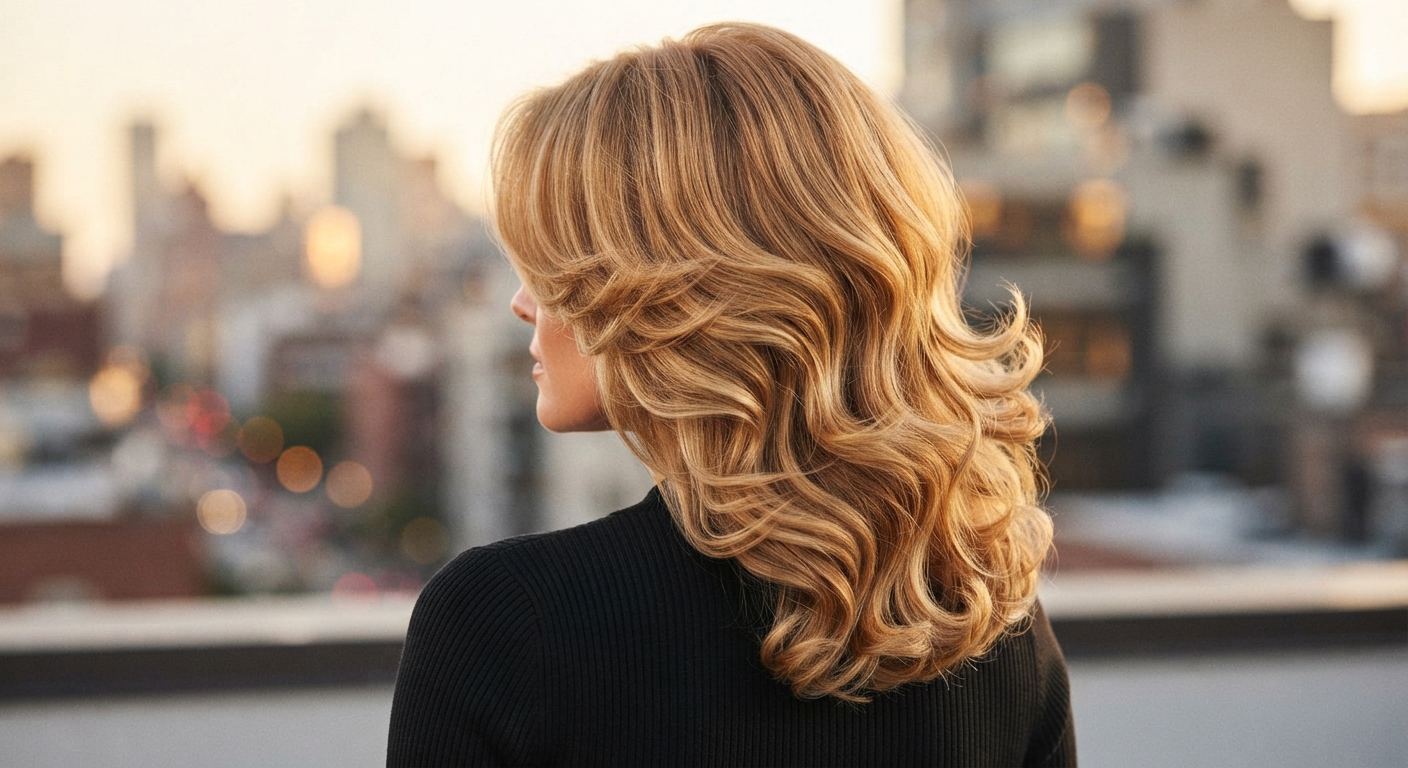
The defining elements: center part. Face-framing layers that begin at the cheekbones and sweep backward. Moderate layering throughout that allows the ends to curl outward with a large-barrel iron. The finished result has a sun-kissed, slightly retro quality that reads as both nostalgic and completely current.
The styling technique: A large-barrel curling iron (2 inches) rolled through the face-framing sections away from the face, held for eight seconds, released, and allowed to cool before being gently separated with the fingers into waves. The perimeter is styled in the same outward direction to complete the cohesive silhouette.
Best for: Oval and long face shapes — the center part and outward curl create width that balances a longer face. Straight to wavy hair that holds a curl reasonably well.
Style 14: The Effortless Air-Dry Layers — For the Low-Maintenance Lifestyle
The medium layered cut designed specifically for a wash-and-wear lifestyle — where the goal is not a polished blowout or deliberately styled waves but a genuinely good result from doing nothing essentially after washing.

The cut that achieves this is specific in its requirements: layers placed precisely at the natural movement lines of the individual’s specific hair pattern (which varies from person to person and requires a skilled stylist who watches how the hair naturally falls rather than applying a standardized layer placement), ends textured to release any heaviness that would cause the natural movement to be weighted out, and a length that is long enough to have gravity-assisted movement but not so long that the weight of the length pulls out the natural texture.
The product-minimal styling routine: After washing, apply one small amount of curl cream or smoothing cream (choose based on whether you want to encourage or reduce natural movement), scrunch it through damp hair, and do nothing else. Air dry completely without touching. The result is the hair’s natural best expression — which is what this cut is designed to maximize.
Style 15: The Bold Copper Layers — When Color Elevates the Cut
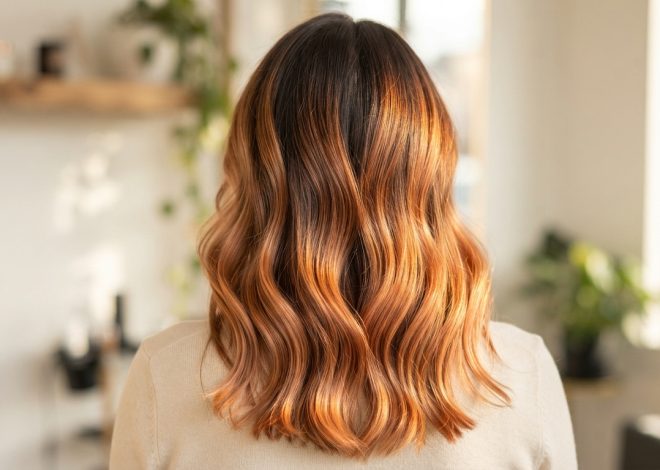
The medium layered cut in a bold, dimensional copper or auburn color — where the color is working as an essential element of the style’s impact rather than as a background to the cut. The dimensional copper that shifts from deep mahogany at the roots through coppery mid-lengths to bright copper or ginger ends creates visual movement through the layers that a flat color cannot replicate.
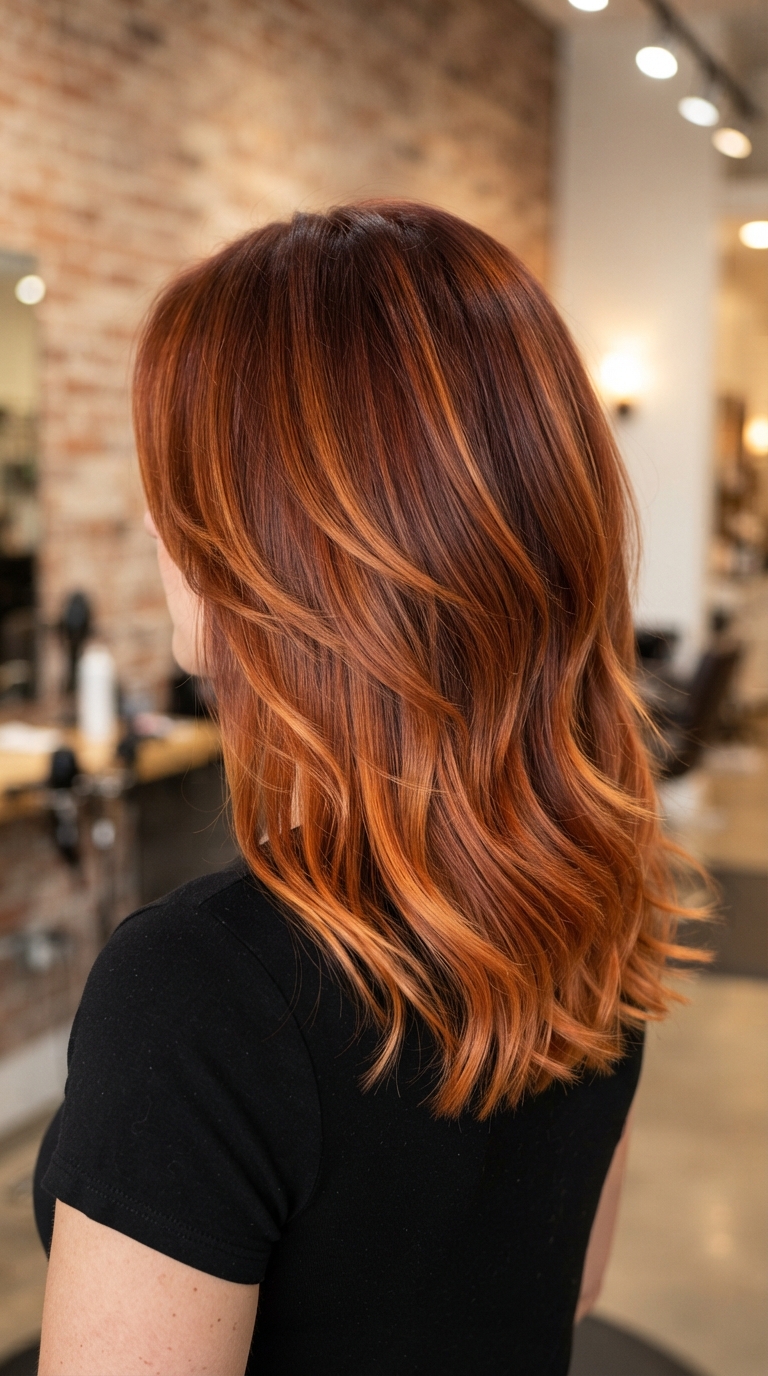
The layer placement for dimensional color: the face-framing layers and the top surface layers should carry the brightest, most vibrant color placement, as these are the sections most visible in daily wear. The underlayers can carry the deepest tones. The contrast between the exposed bright upper layers and the deeper underlayers creates the dimension that makes the cut look three-dimensional.
Best for: Warm and neutral skin undertones — copper and auburn are flattering on a wide range but work best with warm or neutral undertones. The color can be adjusted in warmth (toward golden copper or toward cool auburn) to suit the specific undertone.
Maintenance reality: Copper is the fastest-fading hair color category. Expect visible fading within three to four weeks of initial color, and plan for salon visits every six to eight weeks to maintain the vibrancy. Color-preserving shampoo and minimal heat styling between appointments significantly extend the life of the color.
How to Ask Your Stylist for the Right Cut
The medium layered haircut exists on a spectrum of variation — and communicating your specific goals to your stylist is what determines whether you leave with exactly the cut you wanted or a generic approximation of it. Bring photographs of at least two styles from this guide that represent the elements you want. Use the specific language: face-framing layers, curtain bangs, butterfly layers, wolf cut, textured shag. Ask specifically about the layer lengths — where the shortest layers will fall and where the longest perimeter will be.
The consultation question that most consistently produces the best results: “What would you adjust from this photograph to make it work best for my specific hair texture and face shape?” A stylist who answers this question with specific, considered adjustments is a stylist who is seeing your hair as an individual rather than executing a template.
Maintaining the Medium Layered Cut
Trimming schedule: Every six to eight weeks for cuts with visible layers and defined perimeter. Every eight to ten weeks for softer, more grown-out layer placements.
The at-home maintenance that extends appointment intervals: A pair of hair-cutting scissors (never fabric scissors — the blade is wrong and causes split ends) for trimming single split ends that appear between appointments. A small amount of hair oil or balm applied to ends every two to three days to maintain moisture and reduce split end formation.
Growing out gracefully: Most medium layered cuts grow out into longer layered cuts without requiring a full restyle — the layers simply become longer, which is often a desirable progression. A perimeter trim at regular intervals maintains the shape while the layers develop.
Choosing the Right Medium Layered Style for Your Face Shape
Oval: The lucky face shape — suited to every style on this list. Start with Style 1 (collarbone cut) or Style 5 (butterfly cut) for maximum impact.
Round: Choose styles with face-framing layers that angle toward the chin — Styles 1, 3, 8, and 11 all create the elongating visual effect that suits round faces. Avoid blunt perimeters that add horizontal width.
Square: Styles 2 (curtain bangs), 4 (soft perimeter), and 13 (seventies waves) soften angular features through their softening curves and movement. The blunt perimeter of Style 4 creates a beneficial horizontal line at the jaw.
Heart-shaped: Styles 3 (shag), 7 (money piece), and 6 (wavy long layers) balance a wider forehead and narrower chin through volume at the bottom sections and softened framing at the top.
Long/Oblong: Styles 5 (butterfly cut) and 13 (seventies waves) add width at the crown and sides that visually balances a longer face. Avoid center parts that elongate further.
The medium layered haircut is not a trend that will age out of your photographs in three years. In every variation on this list — from the classic collarbone cut to the architectural butterfly, from the seventies wave to the effortless air-dry layers — it is a cut that exists at the permanent intersection of flattery, versatility, and genuine wearability.
Find the style that describes the hair day you have been trying to have. Take the photograph to your next appointment. And ask the stylist who answers your consultation question with specificity and confidence to show you what they can do.
Save this guide to Pinterest, share it with every person in your life who has said “I need a change, but I don’t know what” — because this is almost certainly the answer — and book the appointment.
The right cut genuinely changes things. ✂️💇♀️