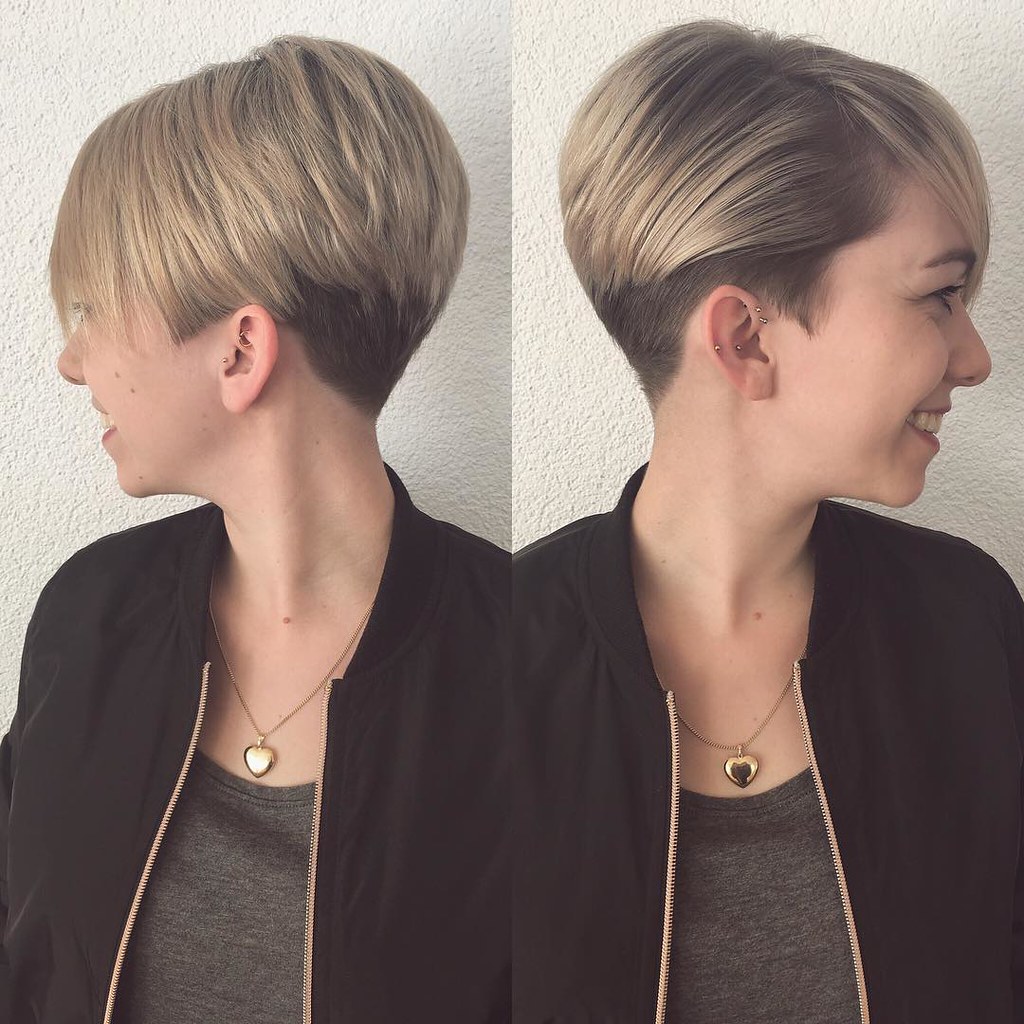
15 Feminine Pixie Cuts That Will Make You Want to Try Them Today
A pixie cut can completely change the way a haircut frames the face, but short hair does not have to feel severe, sharp, or overly structured. Some of the most feminine pixie cuts rely on exactly the opposite approach: soft movement, wispy edges, rounded shape, delicate fringe, natural texture, and enough length in selected areas to keep the haircut fluid rather than rigid.
That is what makes the pixie such a versatile short haircut. Two people can technically wear the same overall length and still end up with completely different results depending on where the weight is removed, how the fringe is shaped, whether the sides are tapered or undercut, and how much movement is left through the crown. A close-cropped pixie can feel neat and classic, while a long layered version can sit almost halfway between a pixie and a bob.
Texture also changes everything. Straight hair can create a sleek or feathery finish, wavy hair brings natural movement, and curls can give a pixie shape, volume, and softness without requiring much added styling. Even color influences the cut. Platinum blonde can emphasize every layer and edge, while brunette shades can create depth and shadow through textured sections. Silver can turn a classic crop into a deliberate fashion statement.
The best pixie cuts usually work with the natural characteristics of the hair rather than fighting them. Fine hair may benefit from strategic layering and root lift, while very dense hair often needs internal weight removal so the shape does not become bulky. Curly textures usually need enough length in the right places to preserve curl pattern and avoid an overly rounded shape unless that is exactly the goal.
The fifteen pixie ideas below cover everything from soft and romantic to bold and editorial. The aim is not to suggest that one version is universally flattering. Instead, each cut offers a different balance of softness, structure, texture, and maintenance so you can identify the style that feels closest to your own hair and aesthetic.
1. The Soft Wispy Pixie
The soft wispy pixie is one of the easiest ways to make a short haircut feel delicate rather than severe. Instead of relying on blunt edges or sharply defined sections, the cut uses fine layers and feathered ends to create movement around the forehead, temples, ears, and nape. The finished result feels light, airy, and slightly undone rather than sculpted into one rigid shape.
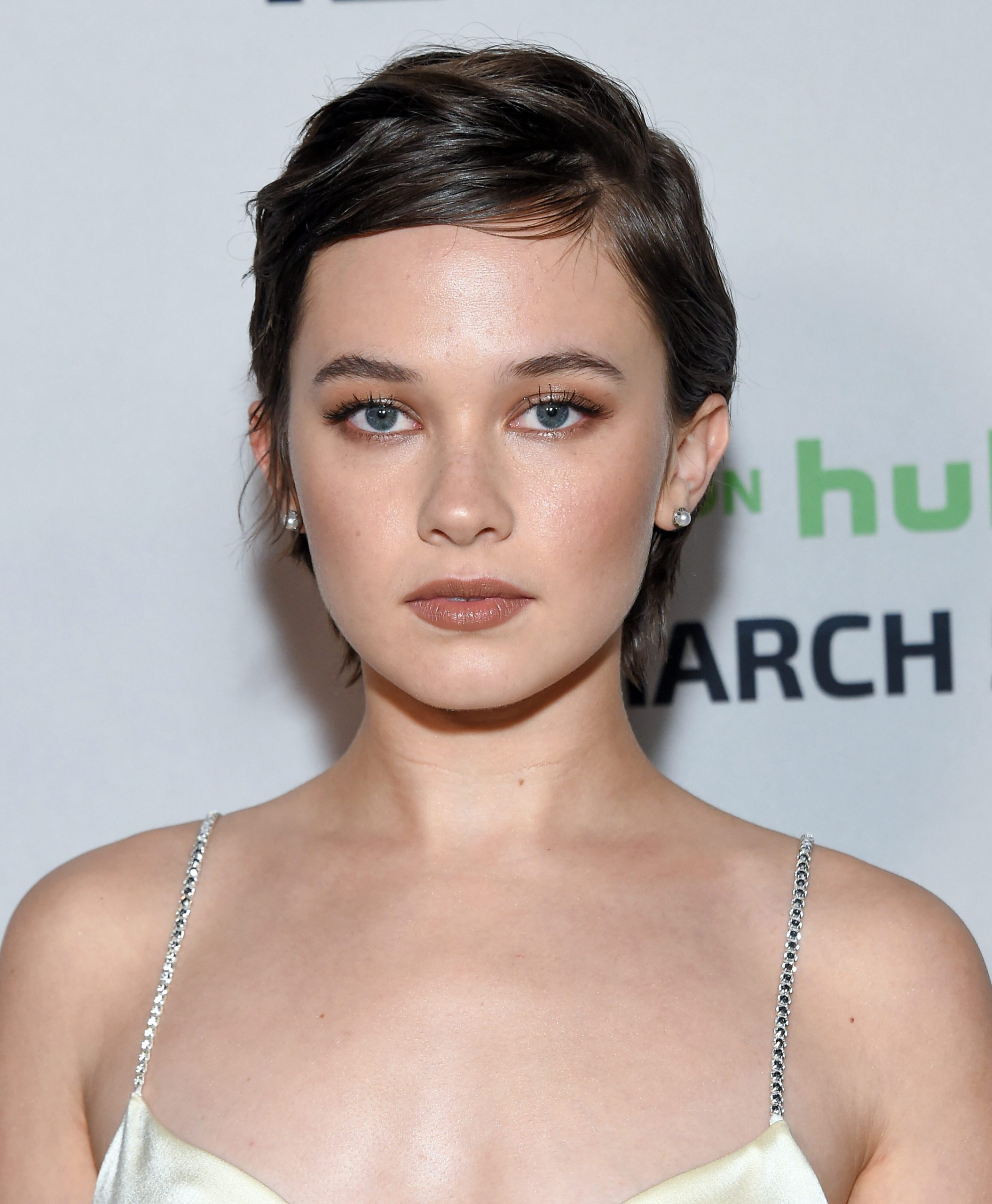
This cut works especially well for straight or gently wavy hair because the individual pieces can separate naturally without requiring heavy styling products. Fine hair can also benefit because wispy layering creates visual movement without removing so much weight that the hair begins to look sparse. The key is controlling how much thinning happens around the perimeter. Too much texturizing can make fine hair look weaker rather than softer.
The fringe can remain slightly longer than the rest of the cut and fall naturally across the forehead, or it can be broken into smaller pieces that sit around the brows. Around the ears, soft tapering helps the haircut blend into the face rather than creating a hard horizontal line.
Styling should remain minimal. A small amount of lightweight cream or texturizing product can separate the ends, but the goal is to preserve movement rather than create obvious spikes.
Best For
Straight to softly wavy hair, fine to medium density, and anyone who wants a pixie that feels gentle and low-pressure rather than edgy.
Styling Note
Ask for soft internal layering and feathered perimeter work rather than a heavily razored or aggressively thinned finish if your hair is fine.
2. The Textured Crop
The textured crop is a stronger, more modern version of the pixie. It keeps the overall length short but introduces intentional separation through the top so the hair appears piece-y, lived-in, and slightly editorial rather than perfectly smooth.
This style works particularly well for medium-density hair because there is enough material to create visible texture without making the scalp too exposed. Thick hair can also carry the cut beautifully when internal weight is removed strategically. Fine hair may need a lighter touch so the texturizing does not eliminate too much density.
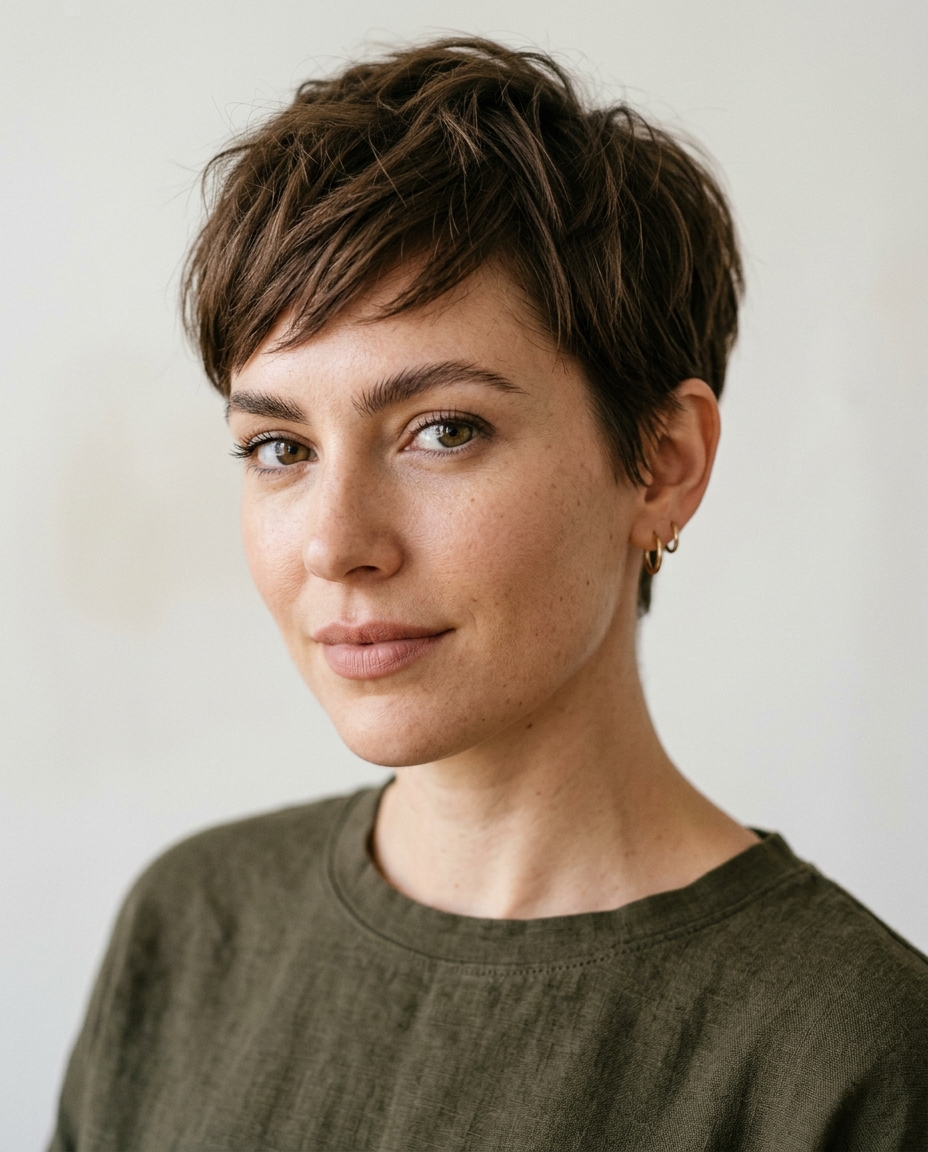
The top is usually longer than the sides, allowing small sections to move in different directions. Instead of brushing everything flat, the haircut looks best when a little irregularity is preserved. Some pieces can fall forward, others can lift through the crown, and a few can sit slightly to the side.
Styling products matter here because heavy waxes can collapse the texture. A lightweight paste, dry texture spray, or small amount of matte cream usually creates enough separation without making the hair look greasy.
The textured crop is ideal for people who like a short haircut that looks intentional but not overly polished. It has enough movement to feel current without becoming complicated.
Best For
Medium to thick hair, naturally straight or slightly wavy textures, and anyone who likes an effortless modern finish.
3. The Long Pixie
A long pixie is one of the safest choices for someone who wants short hair but is not ready for a dramatic crop. It keeps more length through the crown, front, and sometimes around the ears, creating a shape that sits somewhere between a traditional pixie and a very short bob.
The extra length offers more styling flexibility. The front can be worn swept across the forehead, tucked behind one ear, styled with volume, or smoothed down for a more polished look. This makes the cut especially useful for people who enjoy changing their hair from day to day.
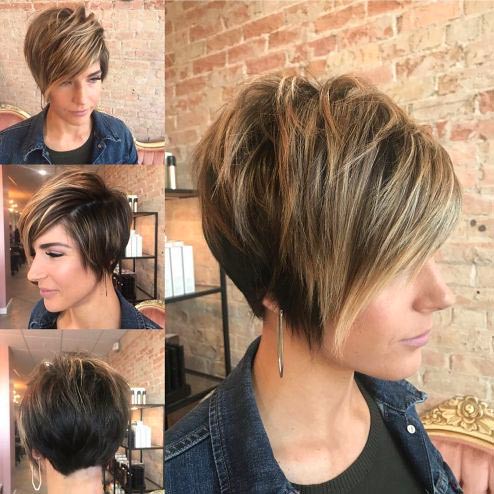
Long pixies can also make the transition from longer hair feel less abrupt. Because there is still enough hair to frame the face, the haircut retains some of the softness associated with a bob while gaining the lightness and exposed neckline of a pixie.
Hair density should influence the layering. Fine hair often looks fuller when the shape remains relatively compact, while thick hair benefits from carefully removing weight beneath the surface. Too much short layering can make a long pixie become bulky at the crown and thin at the ends.
Maintenance is slightly more forgiving than with a very short pixie because the shape can grow for a little longer before looking noticeably different.
Best For
First-time pixie wearers, people growing out a shorter crop, and anyone who wants short hair with more styling options.
4. The Side-Swept Pixie
A side-swept pixie introduces a romantic quality by keeping more length through the fringe and directing it diagonally across the forehead. That movement immediately softens the cut because the eye follows the sweeping line rather than focusing on the shortness around the sides and back.
The fringe can be subtle and light or long enough to skim the brow and cheekbone. Longer versions create more drama and can be styled smooth, slightly wavy, or tucked behind the ear.
This style works particularly well for straight and wavy hair because the fringe naturally holds a sweeping shape. Fine hair may benefit from a side part that creates the illusion of additional density at the front, while thicker hair often needs internal layering to prevent the fringe from becoming too heavy.
The sides should remain balanced with the fringe. If the top is significantly longer, very tightly shaved sides can create a stronger contrast and make the haircut feel more edgy. For a softer result, choose tapered sides that remain relatively close but not dramatically disconnected.
A side-swept pixie can also be useful for someone who wants short hair while retaining enough front length to frame the face.
Best For
Anyone who prefers soft face-framing movement, longer fringe, and a slightly romantic short hairstyle.
5. The Curly Pixie
A curly pixie proves that short hair does not need to be straightened or controlled into a smooth shape. Natural curl can actually make a pixie feel softer because the texture creates rounded movement through the crown and fringe.
The most important part of a curly pixie is preserving enough length for the curl pattern to form properly. Cutting curls too short in areas where they naturally spring upward can completely change the intended shape once the hair dries. This is why curly pixies benefit from being shaped with the hair’s shrinkage and natural direction in mind.
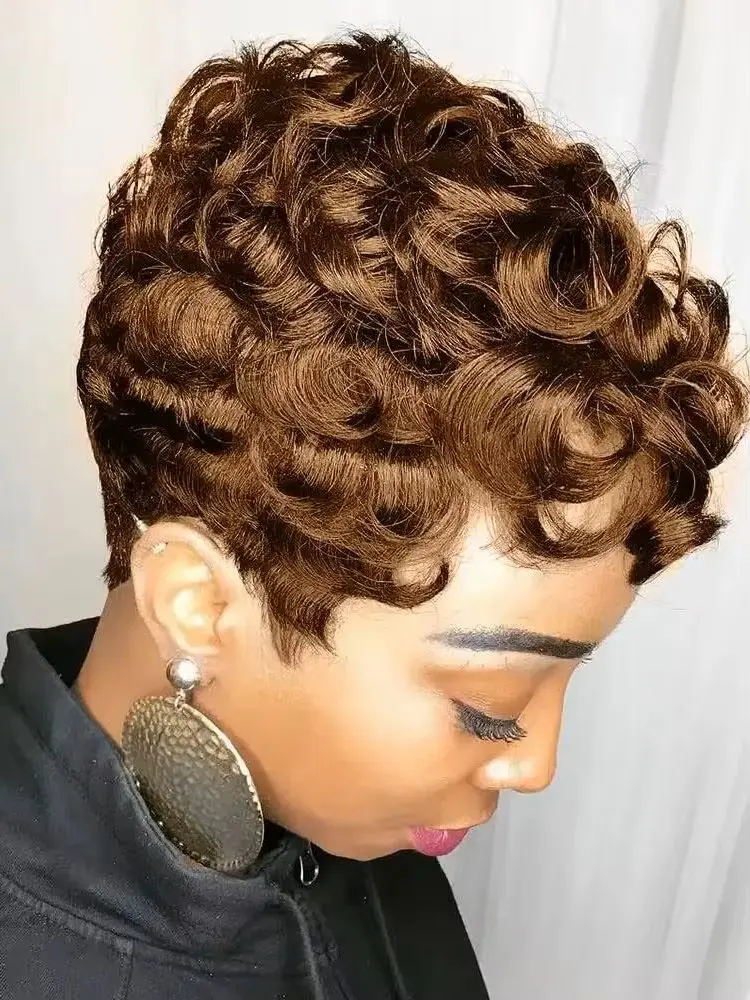
The top can remain fuller while the sides and nape are gradually tapered, creating a balanced silhouette. Alternatively, curls can remain relatively even all around for a softer rounded effect.
Styling should prioritize definition without stiffness. A lightweight curl cream or gel can help reduce frizz while allowing the curls to retain movement. Drying with minimal disruption often preserves the pattern better than repeatedly touching the hair.
The cut can work across a wide range of curl types, but the exact layering and length need to be customized. Tighter curls and coils may require a completely different approach from loose waves even when the inspiration photo looks similar.
Best For
Naturally curly, coily, or strongly wavy hair and anyone who wants to showcase texture rather than smooth it away.
6. The Undercut Pixie
The undercut pixie creates contrast by keeping one or both sides significantly shorter while leaving more length through the top. It is one of the bolder options on this list, but it can still feel feminine when the longer section is styled with softness and movement.
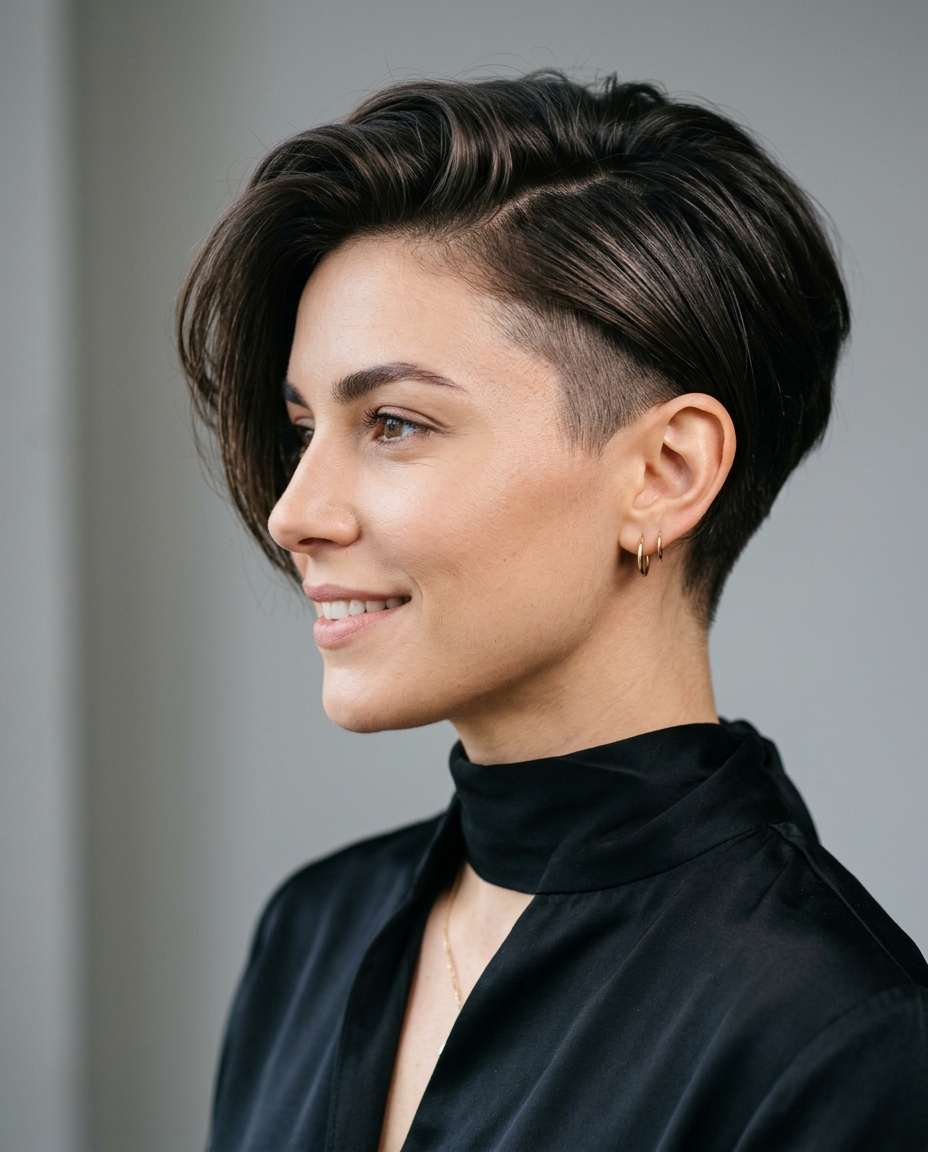
The top might be swept sideways, worn in loose waves, or left textured and slightly messy. That longer layer provides enough versatility to offset the sharper undercut beneath it.
This style can work especially well for thick hair because removing bulk from the sides reduces weight and makes the remaining length easier to style. For fine hair, the contrast needs more careful planning because removing too much hair from the sides can reduce overall density.
The amount of undercut can also be customized. A hidden undercut beneath longer hair creates subtle structure, while a fully visible shaved side produces a much stronger statement. Maintenance is relatively high because the short sections lose their crispness quickly as they grow. If you like the exact contrast of the cut, regular cleanup appointments will probably be necessary.
Best For
Thick hair, bold personal style, and anyone who likes a strong short cut with more length on top.
7. The Silver Pixie
A silver pixie can make natural grey hair feel completely intentional rather than something to disguise. The short shape puts the color on display, while the mixture of silver, white, charcoal, and darker strands can create beautiful dimension through the layers.
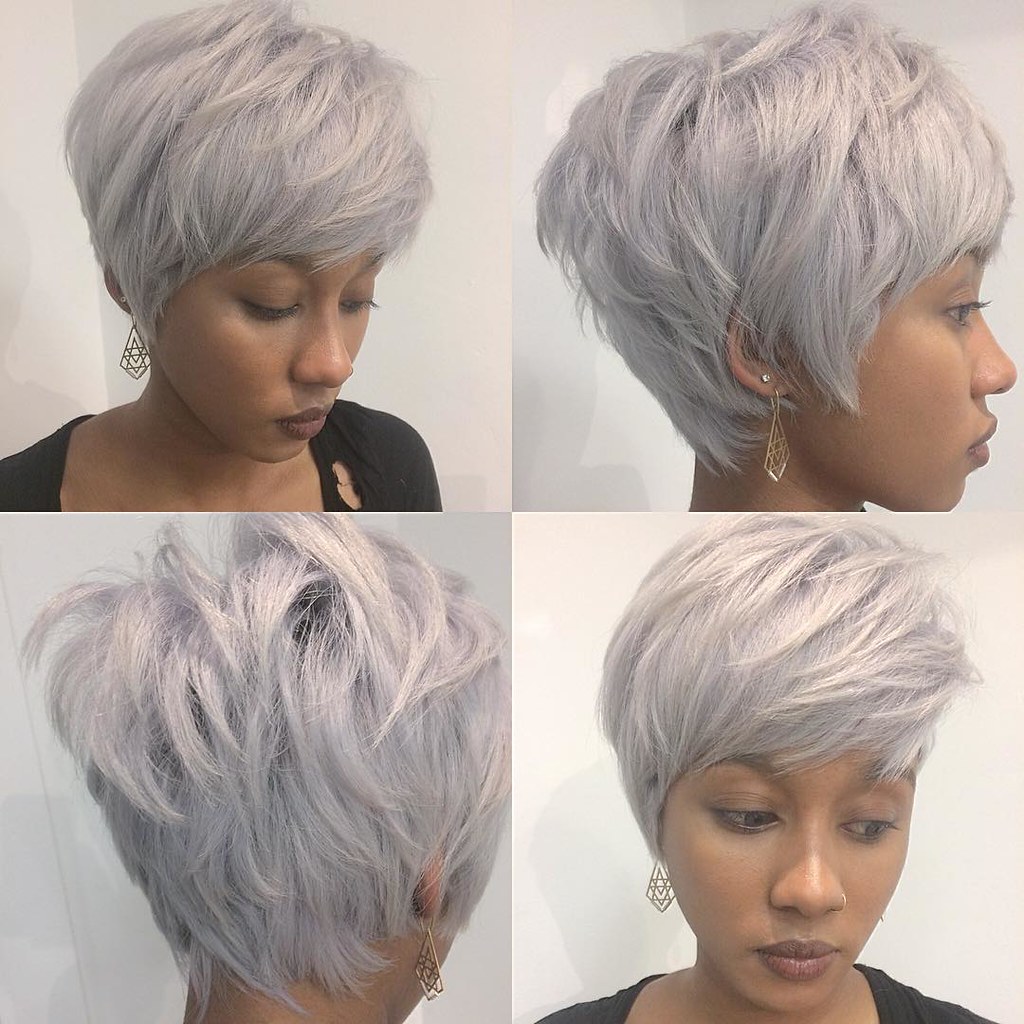
This cut works especially well when the shape is clean and modern. Soft tapering around the ears and nape keeps the haircut polished, while slightly longer texture through the top prevents it from feeling overly severe.
Natural silver hair can vary greatly in texture. Some people find grey strands coarser or drier than their previously pigmented hair, while others notice very little change. Moisture and shine therefore become important considerations because silver hair reflects light beautifully when the surface remains smooth.
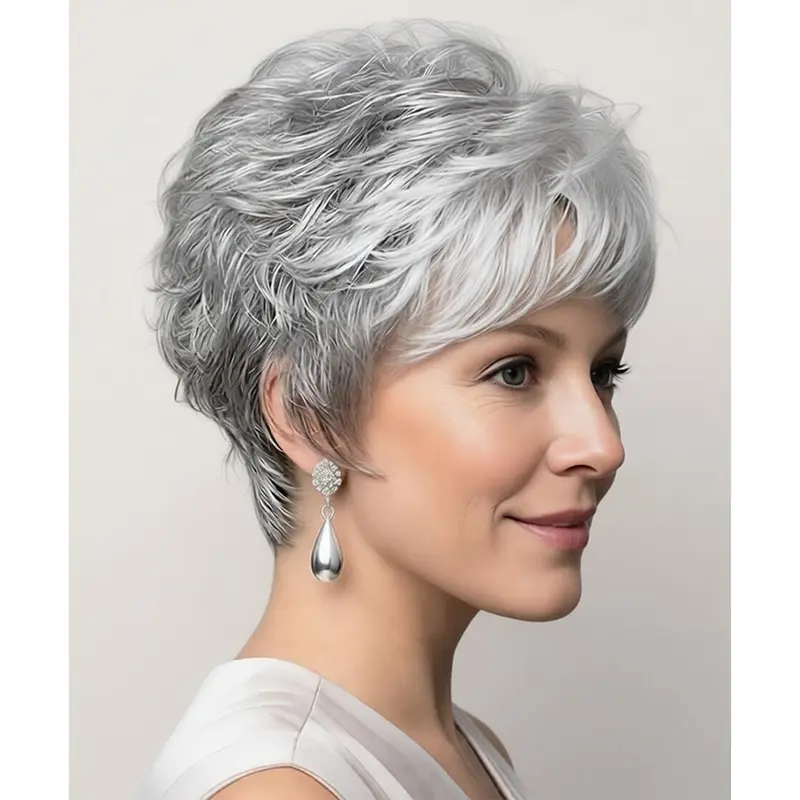
Purple or toning products are sometimes used to reduce unwanted yellow tones, but overuse can leave the hair dull or violet-tinted. A stylist can recommend an approach based on the actual color. The silver pixie also works beautifully on intentionally dyed grey or platinum-silver hair, although maintaining artificial silver usually requires more color upkeep than wearing natural grey.
Best For
Natural grey hair, silver color lovers, and anyone who wants the haircut and color to feel deliberately modern.
8. The Pixie With Bangs
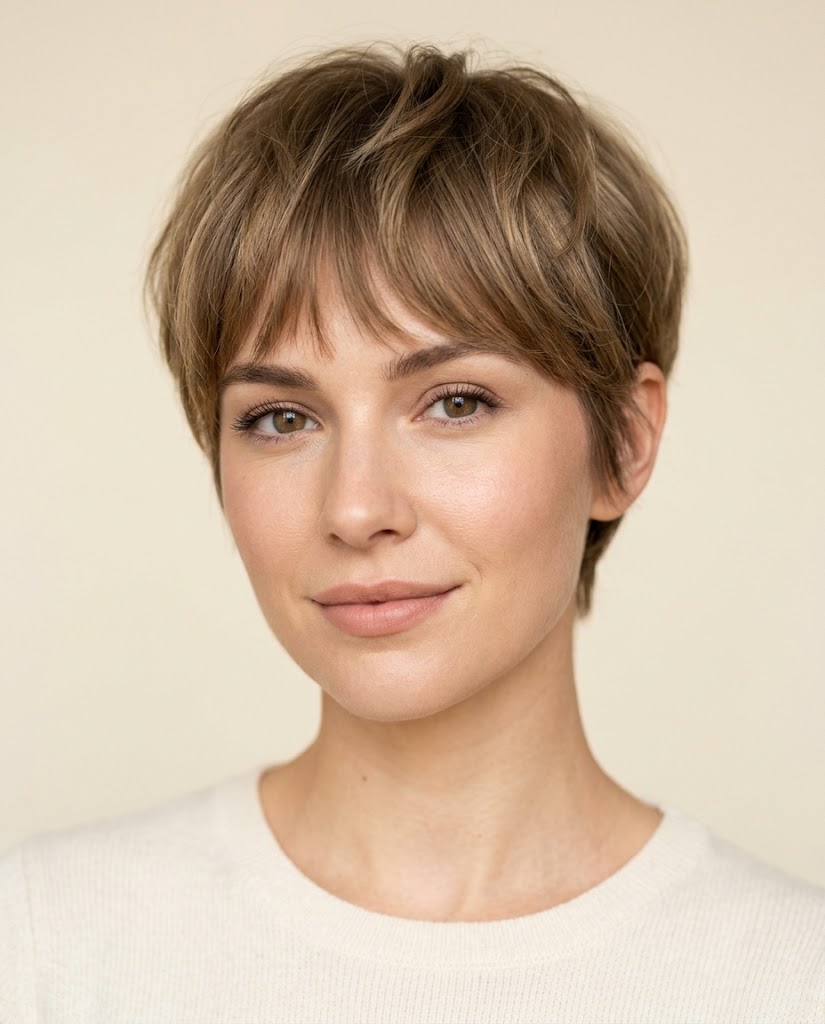
Adding bangs changes the personality of a pixie more than almost any other detail. The fringe can be short and delicate, long and side-swept, straight across, curtain-like, or broken into wispy pieces, which makes this one of the most customizable versions of the cut.
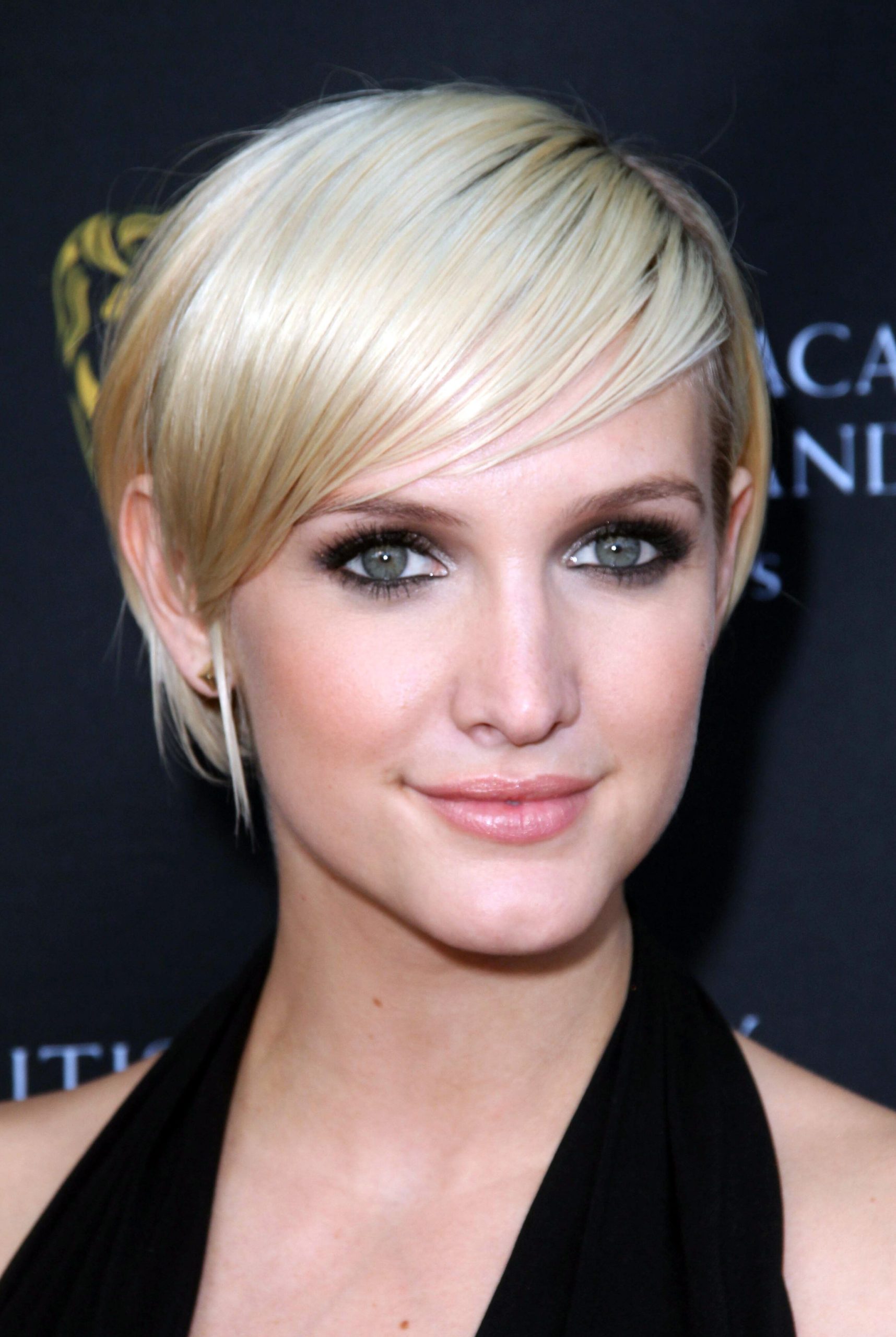
Short micro-style bangs create a stronger editorial effect, while eyebrow-length fringe feels softer and more familiar. Wispy bangs blend naturally into a feminine pixie because they preserve movement around the forehead without creating a heavy horizontal line.
The fringe should be designed around the hair’s natural growth pattern. Cowlicks, great hairline changes, and curls all affect how bangs sit. Fighting those characteristics every morning can turn an otherwise easy pixie into a high-maintenance haircut. Longer fringe offers the most flexibility because it can be styled forward, swept sideways, lifted away from the face, or pinned back as it grows. The rest of the pixie should support the fringe rather than compete with it. If the bangs are already strong and graphic, a simpler tapered shape often creates better balance.
Bang Options
| Bang Style | Overall Effect |
|---|---|
| Wispy fringe | Soft and delicate |
| Side-swept fringe | Romantic and face-framing |
| Brow-length bangs | Classic and feminine |
| Micro bangs | Editorial and bold |
| Curly fringe | Soft and textured |
| Long layered fringe | Flexible and modern |
9. The Messy Pixie
The messy pixie is not actually unstyled. Its effortless appearance comes from strategic layering that allows sections to move independently rather than lying in one uniform direction. The best versions have controlled irregularity. The crown may lift slightly, pieces near the forehead may fall forward, and the sides can remain soft rather than perfectly smooth. That variation gives the haircut an editorial, lived-in quality.
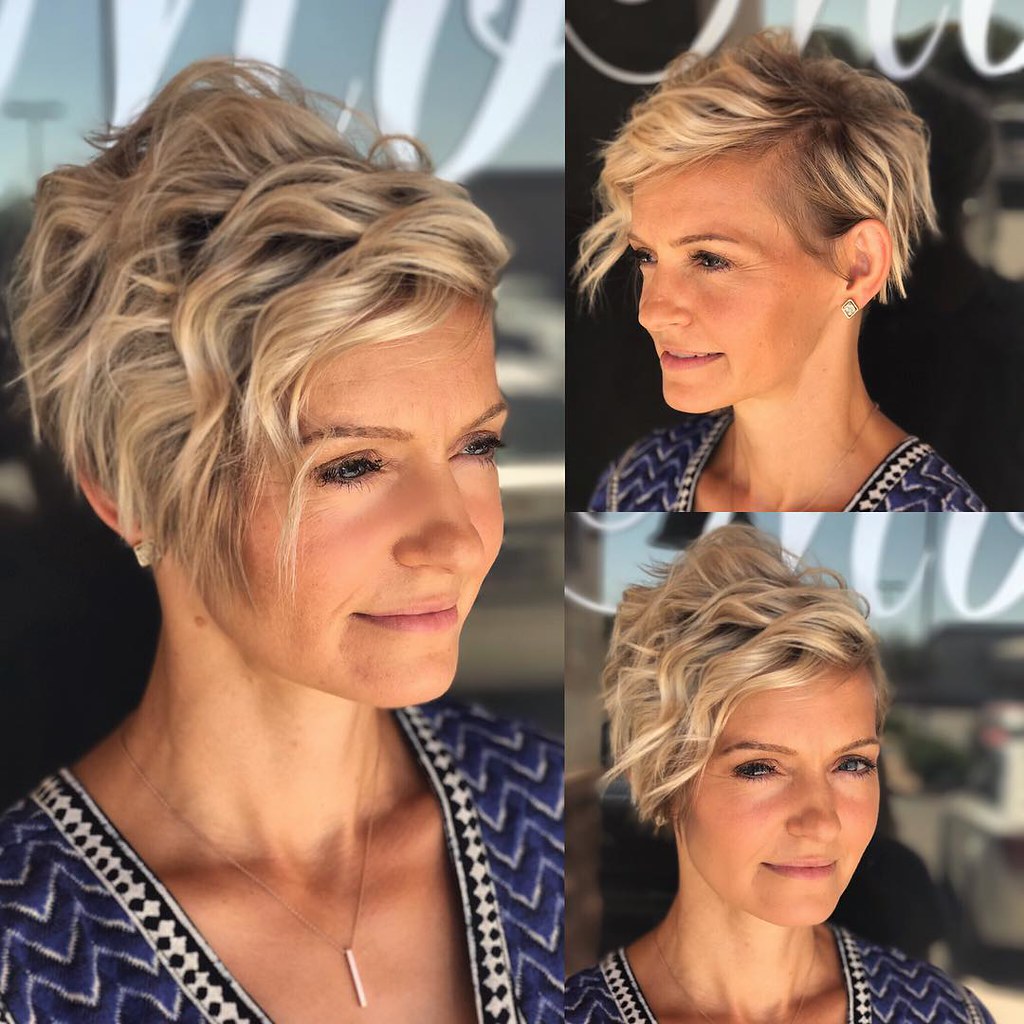
Texture is especially important. Straight hair may need a small amount of styling paste or dry texture product, while naturally wavy hair often creates the effect with minimal help.
The cut should still have a strong underlying shape. Without clean structure around the ears and nape, a messy pixie can quickly look grown out rather than intentionally undone. This is a great option for anyone who dislikes precise morning styling. Instead of trying to make every piece sit perfectly, the haircut works because some movement is expected.
Best For
Straight, wavy, and lightly curly hair, relaxed personal style, and anyone who wants a pixie that improves with a little imperfection.
10. The Classic Audrey Pixie
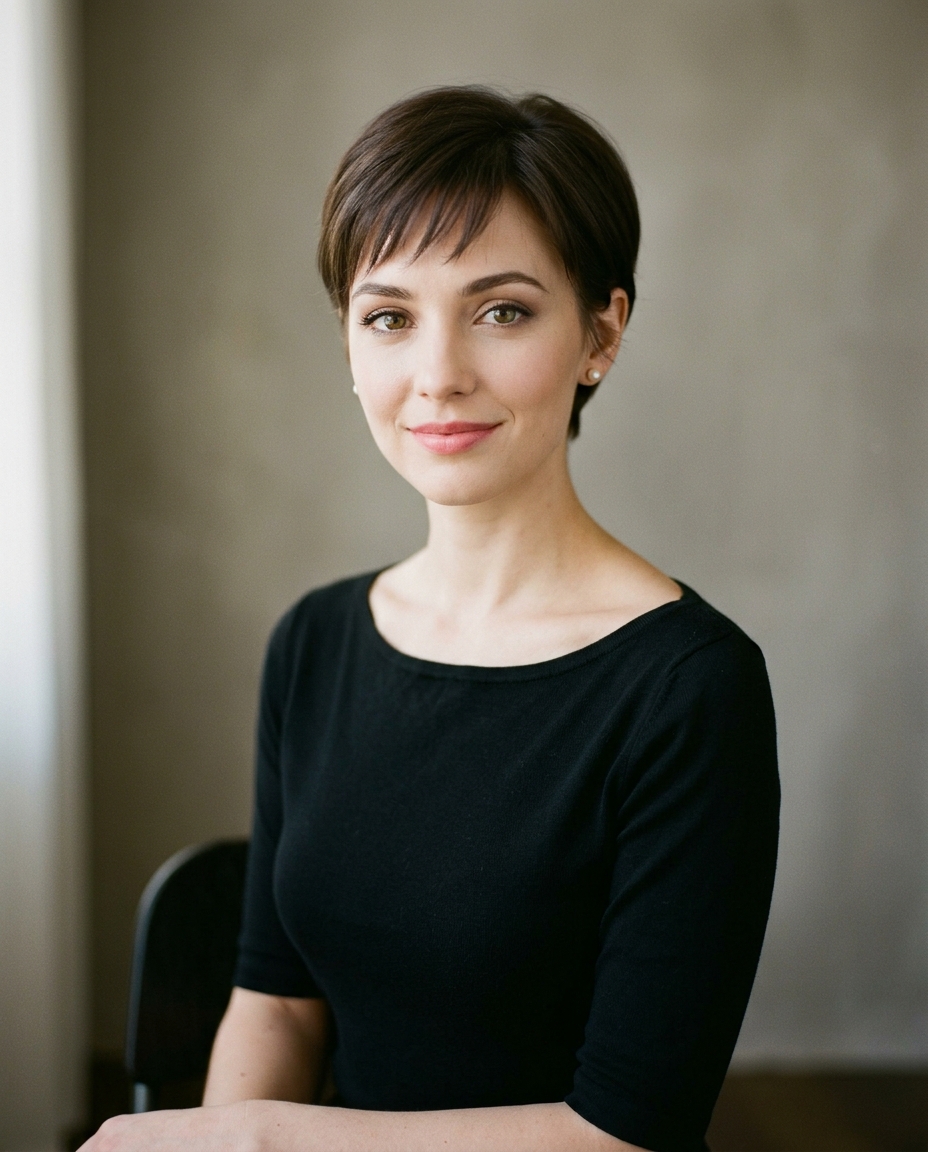
The Audrey Hepburn-inspired pixie remains one of the most recognizable references for feminine short hair. The appeal comes from its simplicity: short, softly shaped sides, delicate fringe, and enough fullness through the top to keep the silhouette graceful rather than severe.
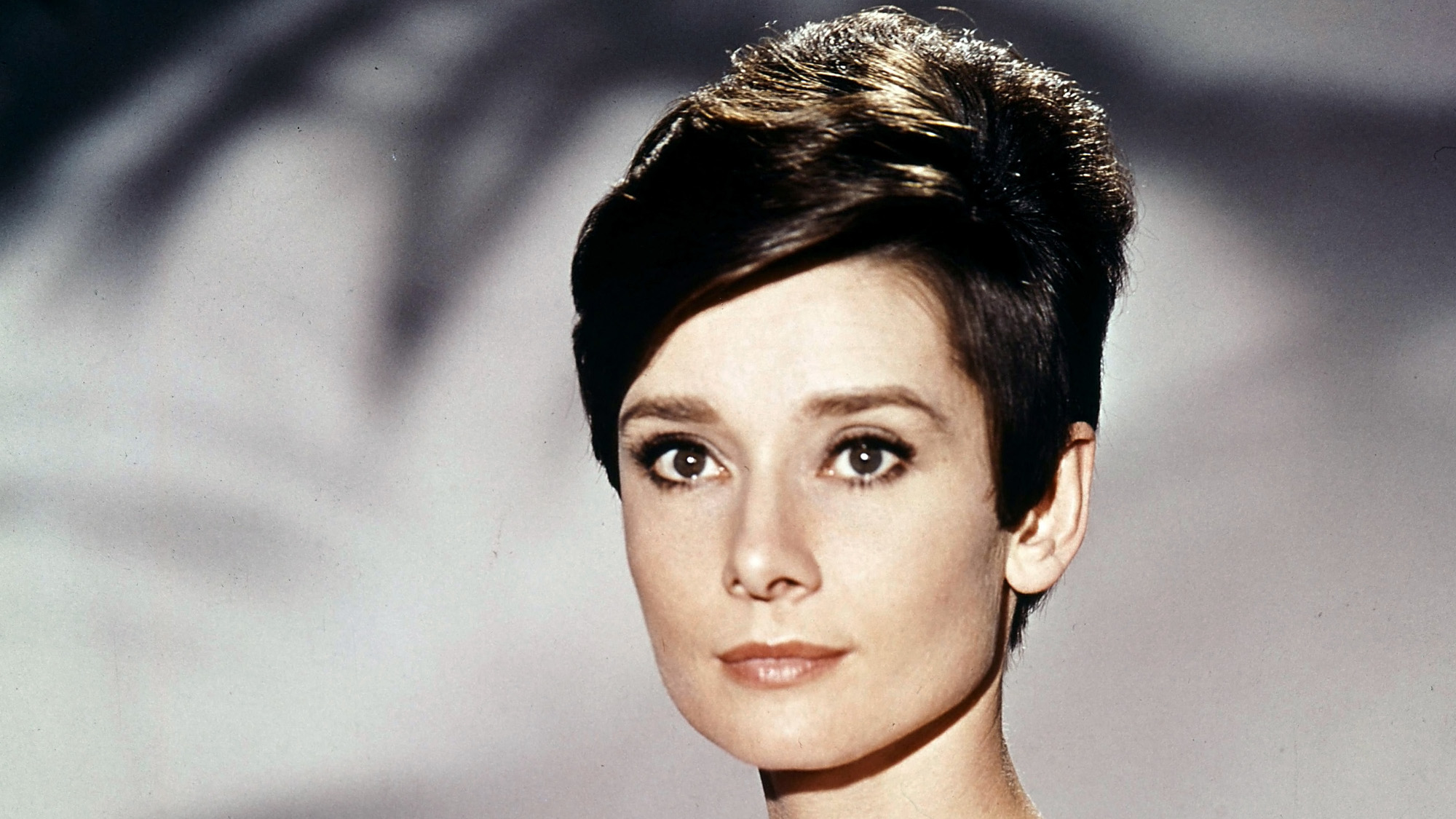
This version works best when interpreted rather than copied literally. Modern hair texture, face shape, styling habits, and personal preference should all influence the final result. The fringe is especially important. Short, softly separated pieces across the forehead create the vintage-inspired character without turning the cut into a heavy blunt crop.
The sides are neat but not aggressively shaved, and the nape remains clean. This balance allows the haircut to expose the neck and facial features while preserving softness around the forehead. For a contemporary version, the top can be given slightly more texture and movement than the classic reference. That keeps the cut from feeling costume-like while retaining the elegant simplicity that made the style iconic.
Best For
Classic style lovers, fine to medium hair, and anyone who wants a timeless feminine pixie rather than a highly trend-driven cut.
11. The Voluminous Top Pixie
The voluminous-top pixie uses contrast between a fuller crown and closer sides to create height without requiring long hair. The shape can feel glamorous, polished, or slightly dramatic depending on how much volume is added. This cut is particularly useful for fine or medium hair that benefits from lift through the crown. Layering should support the volume rather than thinning the hair excessively. Root direction and styling technique often matter as much as the actual length.
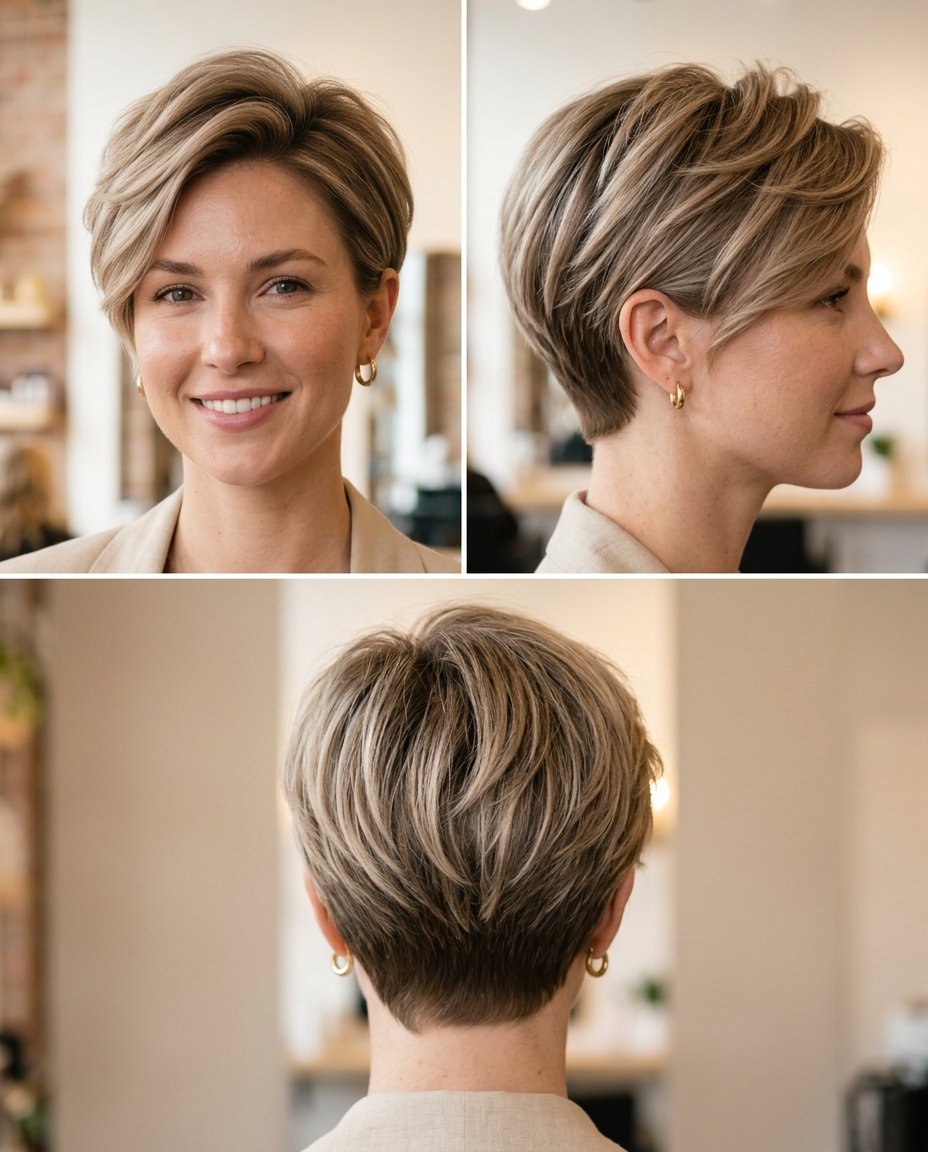
The sides remain closer to the head so the crown becomes the visual focus. For a softer result, choose tapered rather than shaved sides and keep some movement through the front.
Blow-drying the roots in the opposite direction from where they naturally fall can create lift, while lightweight mousse or root spray helps maintain volume without making the hair stiff. People with thick hair can also wear this cut, but the crown may need internal weight removal to prevent it from becoming excessively bulky.
Best For
Fine to medium hair, anyone who likes height through the crown, and people who want a pixie with a more styled silhouette.
12. The Asymmetric Pixie
An asymmetric pixie uses intentionally different lengths on each side to create movement and visual interest. One side may be tucked closely around the ear while the other carries a longer fringe, or the entire top may sweep diagonally across the head. The asymmetry makes the haircut feel modern without necessarily making it severe. Keeping the longer side soft and textured creates a more feminine interpretation, while sharp lines and extreme contrast make it more graphic.
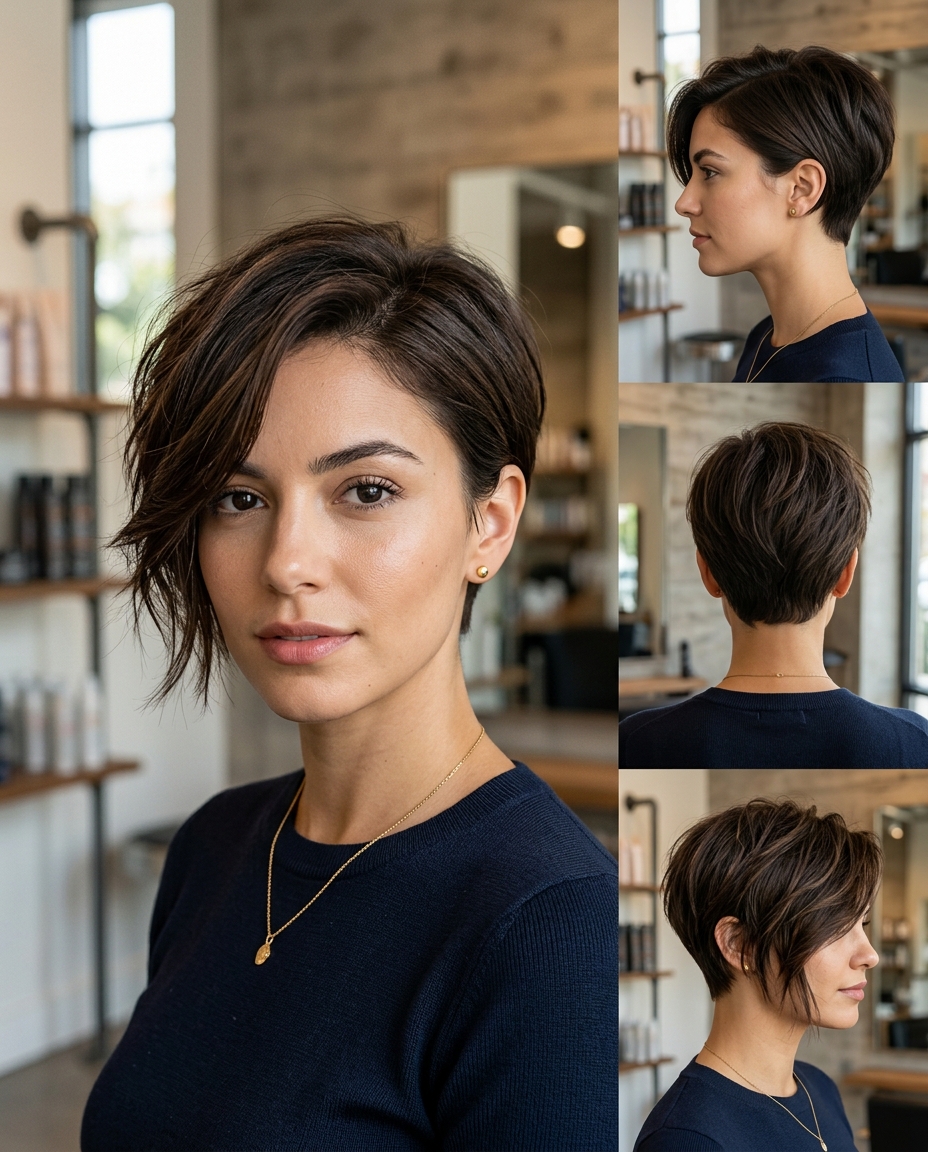
This design is especially effective on straight or wavy hair because the difference in length remains visible. Curly hair can also work beautifully, but the asymmetry needs to account for shrinkage and curl pattern.
The haircut should still feel balanced from the back. A big front difference does not mean the nape or crown should appear disconnected. As the cut grows, the asymmetry can become less obvious, so regular reshaping may be necessary if you want to maintain the original effect.
Best For
Modern style, people who enjoy side-swept fringe, and anyone who wants something more distinctive than a classic pixie.
13. The Blonde Pixie
A blonde pixie demonstrates how color and haircut can work together rather than functioning as separate decisions. Lightening the hair makes layers, texture, and individual pieces much more visible because highlights and shadows create additional separation through the cut.
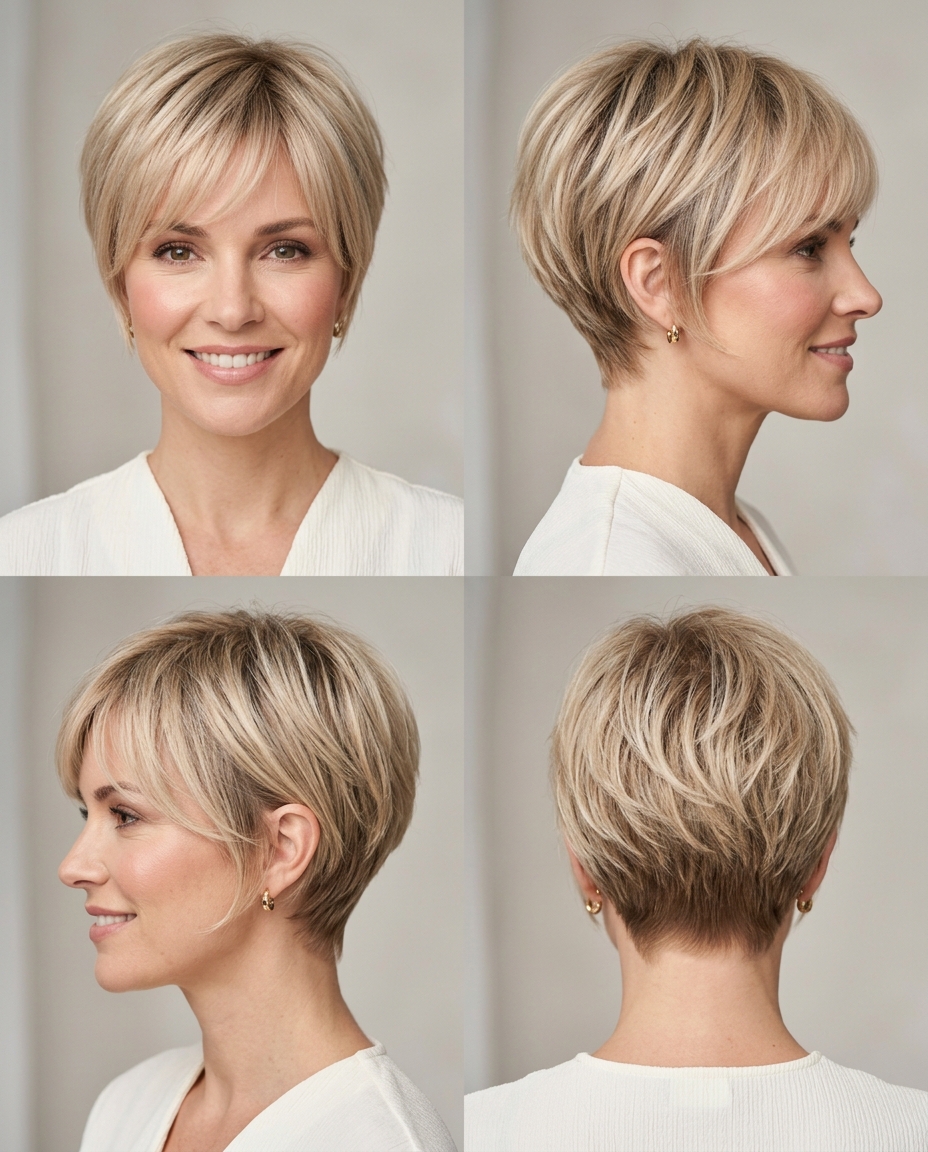
Platinum gives a pixie a bold, high-fashion quality, while beige, honey, champagne, and dimensional blonde tones create a softer result. Darker roots can add depth and make the haircut look more textured even when the actual styling is simple.
The condition of the hair matters because very short hair still needs enough strength to maintain a healthy surface. Significant bleaching can change texture and increase dryness, so the lightening plan should account for the starting color and hair condition. One advantage of a pixie is that damaged lengths are regularly trimmed away as the shape is maintained, but that should not be treated as permission to overprocess the hair.
The strongest blonde pixie usually combines color placement with the haircut. Brighter sections through the fringe or top can emphasize movement, while a slightly deeper root creates contrast.
Best For
Anyone who wants the pixie to feel brighter, more dimensional, or more fashion-forward.
14. The Brunette Textured Pixie
Dark hair creates a very different pixie effect because the silhouette often appears stronger and more defined. A brunette textured pixie uses layering and subtle color dimension to prevent the dark shade from looking like one solid block. Fine highlights are not required. Natural variations in espresso, chestnut, chocolate, and soft brown can create enough depth, particularly when the hair is styled in separated pieces.
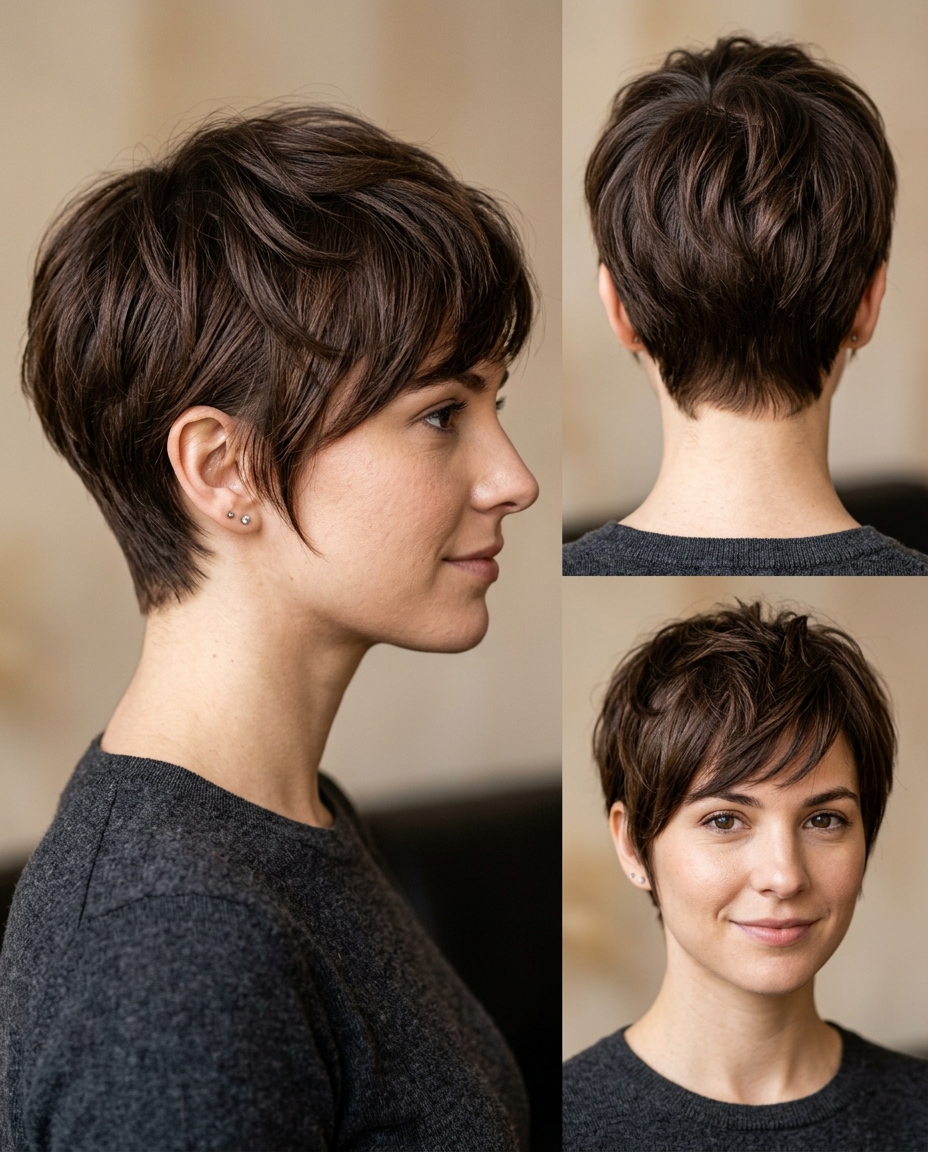
Texture through the crown helps light catch different sections, revealing movement that might disappear in a very smooth dark crop.
The sides can remain neat and tapered while the top stays slightly longer. This combination keeps the haircut polished while still allowing enough movement to avoid a severe appearance. For naturally very dark hair, shine is particularly noticeable. Lightweight smoothing or finishing products can enhance the richness of the color, but heavy oils can quickly make a short cut look flat.
Best For
Naturally dark hair, people who like rich dimensional color, and anyone who wants a pixie that feels polished but not overly lightened.
15. The Pixie With a Tapered Nape
A tapered nape can completely change how polished a pixie looks from the back. Instead of ending in a blunt horizontal line, the hair gradually becomes shorter as it approaches the neckline, creating a cleaner and more natural transition. This detail works with almost every pixie style on this list. A wispy pixie becomes more refined, a curly pixie gains structure, and a long pixie looks less bulky through the back.
The taper can be extremely subtle or much closer, depending on personal preference. For a softer feminine finish, the hairline is usually blended rather than sharply boxed in.
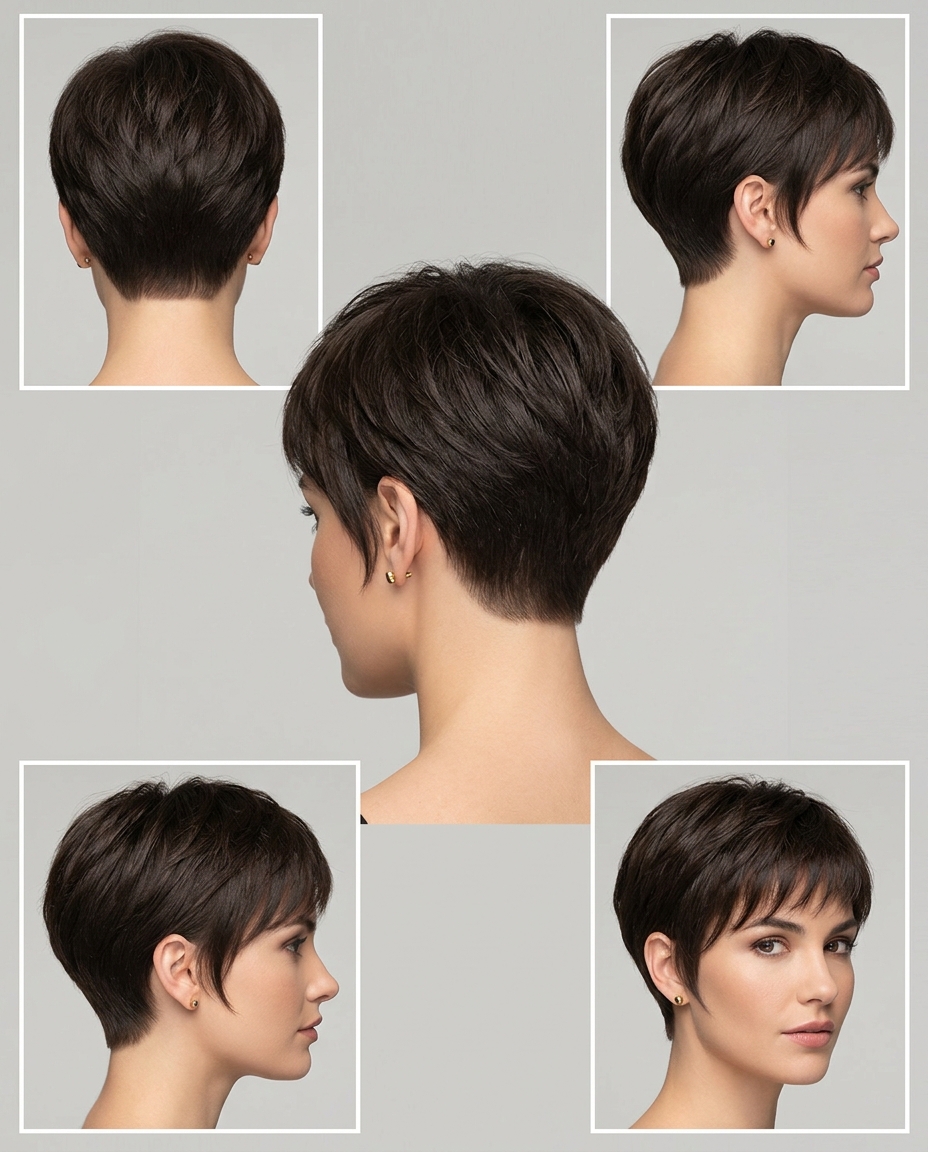
A clean nape also emphasizes the neck and makes earrings, collars, and open-neck clothing more noticeable, which is part of the visual appeal of a short haircut. Maintenance is important because the nape is often the first part of a pixie to look grown out. Even when the top still looks good, several weeks of growth around the neckline can change the entire shape.
Best For
Anyone who wants a clean, finished pixie from every angle and does not mind regular neckline maintenance.
Which Pixie Cut Is the Most Feminine?
There is no single pixie shape that automatically looks more feminine than every other version. The impression usually comes from a combination of softness, movement, shape, color, and styling.
Wispy fringe can soften the forehead. Longer sections around the temples can create face framing. A tapered nape gives the haircut a delicate finish, while waves or curls introduce natural movement. Even a very short undercut can feel feminine when the top retains softness, and the styling reflects the wearer’s aesthetic.
The most useful approach is to identify which elements make you personally feel comfortable in short hair.
| Pixie Style | Overall Mood | Maintenance |
|---|---|---|
| Soft wispy pixie | Delicate and airy | Moderate |
| Textured crop | Modern and relaxed | Low-moderate |
| Long pixie | Soft and versatile | Moderate |
| Side-swept pixie | Romantic | Moderate |
| Curly pixie | Natural and soft | Texture-dependent |
| Undercut pixie | Bold | High |
| Silver pixie | Modern and elegant | Low-moderate |
| Pixie with bangs | Customizable | Moderate-high |
| Messy pixie | Editorial and effortless | Low |
| Classic pixie | Timeless | Moderate |
| Voluminous top | Polished and glamorous | Moderate |
| Asymmetric pixie | Modern and distinctive | Moderate-high |
| Blonde pixie | Bright and fashion-forward | Color-dependent |
| Brunette textured pixie | Rich and dimensional | Low-moderate |
| Tapered-nape pixie | Clean and polished | Moderate-high |
How to Choose the Right Pixie for Your Hair Texture
Hair texture should influence the cut more than trend photos do. Fine straight hair usually benefits from preserving density. Soft layers, a side-swept fringe, a classic pixie, or a crown-focused shape can create movement without removing too much hair.
Thick straight hair often needs internal weight removal so a short cut does not become bulky around the sides or crown. Textured crops, undercut pixies, and asymmetric shapes can work particularly well because they use the density intentionally.
Wavy hair naturally supports messy, side-swept, and long pixie styles because the bends create movement even with minimal product. Curly and coily hair needs enough length for the curl pattern to form. The shape should be created around natural shrinkage rather than copied directly from a straight-haired reference.
The most important salon conversation is therefore not simply, “Which pixie suits my face?” It is, “How will this exact shape behave with my natural texture every morning?”
How Short Should Your First Pixie Be?
If you are moving from medium or long hair directly into a pixie, the long pixie is usually the least dramatic transition. Keeping extra length through the fringe and crown gives you more styling flexibility while you adjust to seeing more of your face, ears, and neckline.
A very short crop can be beautiful, but it removes most of the styling safety net. If you decide you dislike the length, the only solution is waiting for it to grow.
For a first pixie, consider keeping the front slightly longer than you think you need. It can always be shortened during the appointment once you see how the overall shape looks. The sides can also be tapered instead of shaved. That creates a short silhouette without committing immediately to an undercut.
Pixie Cuts and Face Shape
Face-shape rules are often presented far too rigidly. There is no rule saying a round, square, oval, heart-shaped, or long face cannot wear a particular pixie. What changes is where the haircut creates visual weight.
Volume at the crown changes the vertical proportions of the style. Side-swept fringe creates diagonal movement. Straight bangs create a stronger horizontal line. Exposed sides emphasize cheekbones and ears, while longer sections soften those areas.
Instead of asking whether your face shape is “allowed” to wear a pixie, look at which features you want the haircut to emphasize. A stylist can adjust fringe length, crown volume, sideburn softness, and taper placement without changing the fundamental pixie idea.
How Much Maintenance Does a Pixie Cut Require?
Short hair uses less shampoo and may take less time to dry, but a pixie is not automatically maintenance-free. The shape depends heavily on precise length. When hair grows even half an inch, the proportions can change more noticeably than they would on long hair.
A tapered nape may begin looking soft and grown out first. Bangs can fall into the eyes. Short sides can lose their definition while the crown becomes heavier.
Many pixie wearers schedule more frequent trims than people with long hair for exactly this reason. The required timing depends on how short the cut is and how quickly your hair grows.
| Pixie Detail | Why It May Need Maintenance |
|---|---|
| Short nape | Loses clean taper quickly |
| Undercut | Visible growth changes contrast |
| Bangs | May reach eyes rapidly |
| Asymmetry | Difference becomes less distinct |
| Long pixie | More forgiving as it grows |
| Messy crop | Often grows out relatively well |
How to Style a Pixie Without Making It Look Stiff
The biggest styling mistake with many pixie cuts is using too much product. Short hair requires only a small amount because product spreads through a much smaller amount of hair. Too much wax, pomade, or oil can turn soft texture into separated greasy sections.
Begin with less than you think you need. For smooth pixies, a lightweight styling cream can control flyaways while maintaining movement. For textured crops, a small amount of matte paste applied mostly through the ends creates separation. Fine hair may benefit from lightweight mousse or root spray, while curls often need a moisturizing curl product rather than wax.
Apply product gradually and keep it away from the roots unless lift or control is specifically needed there. The finished hair should still move when you touch it.
Growing Out a Pixie Without Hating Every Stage
Growing out a pixie is easier when the haircut continues being reshaped rather than simply left untouched for a year. The back often grows faster visually than the front because extra length at the nape can create a mullet-like shape before the top has caught up. Regularly cleaning the neckline while allowing the crown and sides to gain length can keep the overall silhouette more intentional.
The pixie usually transitions into a long pixie first, then something closer to a bixie or very short bob. Accessories can help during awkward fringe stages. Small clips, headbands, and tucked sections provide styling options while the front grows.
The goal should not be preserving the original pixie while simultaneously growing it out. Once the objective changes, each haircut should move the shape closer to the next stage.
What to Bring to Your Pixie Haircut Appointment
Bring several reference photos rather than one perfect image. Choose at least one showing the front, one showing the side, and ideally one showing the back. A pixie can look completely different from behind, especially when tapering and undercuts are involved.
Look for references with hair texture similar to your own whenever possible. A fine straight platinum pixie will not automatically behave like thick curly brunette hair even when cut to similar lengths. Explain which specific elements you like. You might want the fringe from one photo, the nape from another, and the overall length from a third.
It is equally useful to explain what you do not want. If you dislike visible scalp, very short sideburns, shaved sections, or heavy bangs, say that before cutting begins. A pixie leaves less room for misunderstanding than a long layered haircut because every inch influences the final silhouette.
15 Feminine Pixie Cuts at a Glance
| Pixie Idea | Signature Detail | Best Overall Effect |
|---|---|---|
| Soft wispy pixie | Feathered edges | Delicate |
| Textured crop | Piece-y separation | Modern |
| Long pixie | Extra front/crown length | Versatile |
| Side-swept pixie | Sweeping fringe | Romantic |
| Curly pixie | Natural curl pattern | Soft and textured |
| Undercut pixie | Close sides + long top | Bold |
| Silver pixie | Grey/silver dimension | Elegant |
| Pixie with bangs | Defined fringe | Customizable |
| Messy pixie | Controlled tousled texture | Editorial |
| Classic Audrey pixie | Delicate short fringe | Timeless |
| Voluminous-top pixie | Crown lift | Glamorous |
| Asymmetric pixie | Uneven side lengths | Contemporary |
| Blonde pixie | Light color + texture | Bright |
| Brunette textured pixie | Dark dimensional layers | Rich |
| Tapered-nape pixie | Clean neckline | Polished |
Final Thoughts
A feminine pixie cut does not depend on keeping the hair long enough to resemble a bob. It depends on how the short shape is designed. Soft fringe can make a crop feel delicate. Texture prevents a short cut from looking rigid. A longer top adds movement. A clean tapered nape makes the haircut feel polished. Natural curls create softness automatically, while an asymmetric fringe can make the same general length feel far more modern.
Color can change the effect again. Silver creates a cool, deliberate statement. Blonde emphasizes layers and separation. Brunette shades create rich shadow and dimension. The best version is the one that works with your natural texture and the amount of maintenance you genuinely want to do.
If you dislike daily styling, a messy or naturally textured pixie may make more sense than a perfectly sculpted voluminous cut. If you want plenty of flexibility, keep more length through the fringe. If you enjoy a sharp salon finish and do not mind frequent appointments, a tapered nape or undercut can give the haircut much stronger definition.
A pixie is a small haircut with a surprising number of design decisions. That is exactly why it can be so personal. You are not simply choosing short hair. You are choosing where the softness stays, where the structure begins, how much texture remains, and which parts of the face and neckline you want the haircut to reveal. When those decisions work together, a pixie can feel every bit as feminine as longer hair—just in a completely different way.