23 Gorgeous Hair Colors for Brunettes to Try Next
Being a brunette in 2025 is genuinely one of the most exciting places to be in the hair color conversation. While the blonde obsession cycles endlessly and redheads claim their perennial viral moments, brunettes have quietly accumulated the most versatile, the most dimensional, and the most universally flattering color palette available — and the colorists who work within it are producing results that belong on the cover of every magazine that covers beauty.
The old idea that brunette means flat, uniform brown has been dismantled so completely that it is almost funny. The brunette color trends are moving towards the direction of warmth, shine, and optical richness. The most requested colors include molten chocolate, mocha brown, chestnut warmth, cool espresso, and bronde-brown blends — looks that rely on clever placement and glazing rather than one-note dyeing.
What makes the brunette color space so extraordinary right now is the specificity available within it. You can be a warm brunette or a cool one. A light brunette with sun-kissed highlights or a deep brunette whose color shifts and glows in different light. A brunette with copper flecks that look natural or a brunette with caramel pieces so precisely placed they frame the face like architecture. You can stay close to your natural base or travel significantly from it while remaining, unmistakably, a brunette.
There’s something new and stunning for every shade of brown hair. From sun-kissed highlights to rich, deep tones, there are endless ways to transform your brunette hair into something spectacular. Whether you want to add subtle dimensions or go for a striking new hue, there are plenty of trends to inspire you.
These twenty-three colors are the ones that colorists are talking about right now — the shades being requested across salons from New York to London to Paris — and the ones that demonstrate most clearly what brunette hair is capable of when it is treated as the rich, dimensional, endlessly interesting color category it truly is.
Color 1: Rich Espresso Brown — The Deepest, Glossiest Brunette Available
A deep, rich brown with subtle cool undertones that mimic the shades of dark chocolate and coffee. It’s incredibly shiny and sophisticated, offering a uniform color that is anything but flat.
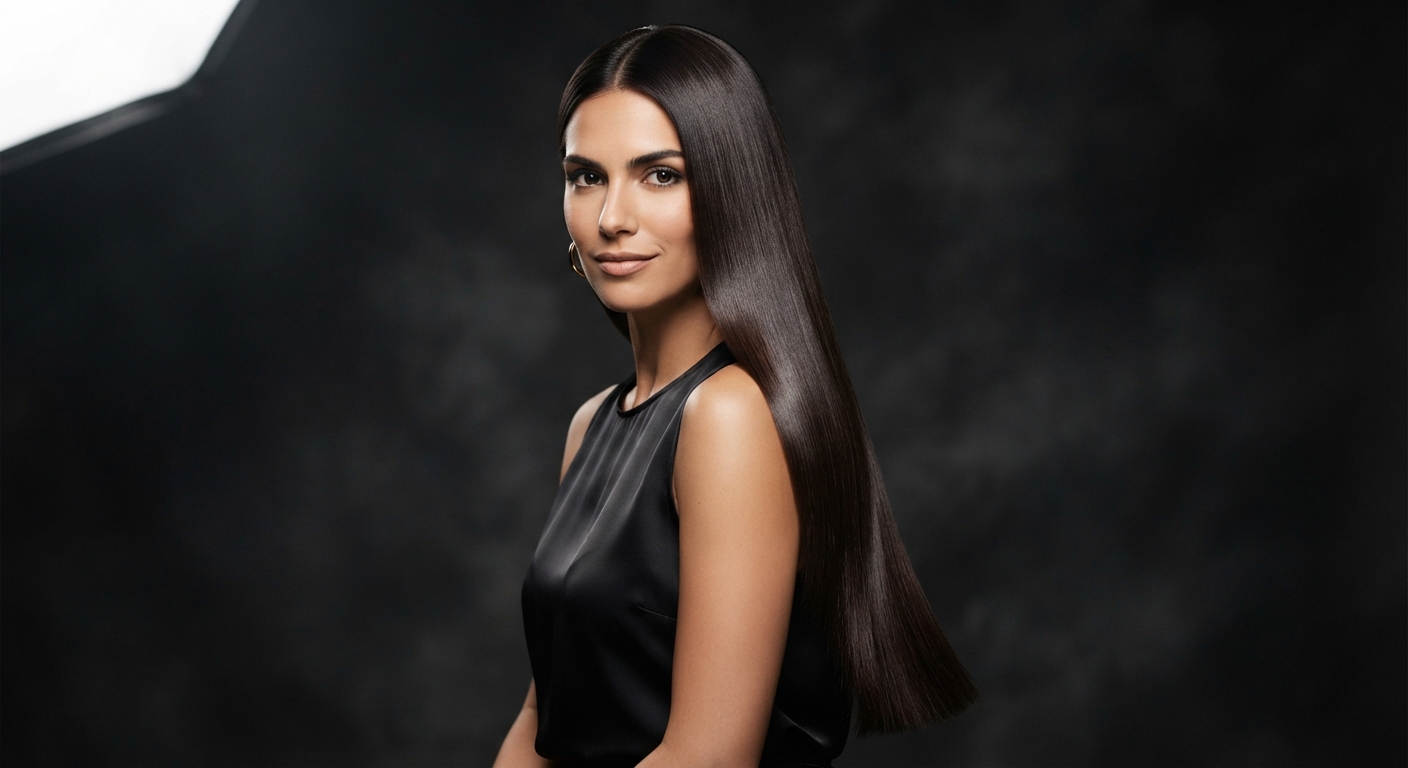
The espresso brown is the brunette at its most intentional. Unlike a natural dark brown that reads as simply dark, the espresso shade has a specific quality — a cool undertone, a mirror-like gloss, and the kind of depth that seems to absorb and reflect light simultaneously rather than simply absorbing it. It is the brunette equivalent of a perfectly tailored black suit: impossibly classic, endlessly appropriate, and more nuanced up close than it appears from a distance.
The espresso brown shade is the perfect way to go bold for autumn, but it works year-round as the foundation for dimensional gloss treatments that keep the result from reading as flat. A glossing treatment applied over espresso brown at every other salon visit produces the specific high-shine that makes this shade look like it costs exactly what it costs.
Best for: Cool and neutral skin undertones. Fair to olive skin — the contrast of deep cool brown against lighter skin produces the most striking result.
Technique: A permanent color in a 3 or 4 level (very dark brown to near-black) with a blue or violet tone correction to neutralize any warmth. Follow with a clear gloss over the color to maximize shine.
Maintenance: Root touch-up every eight weeks. Gloss every four weeks between color appointments to maintain the mirror shine.
Color 2: Warm Mocha Brown — The Perfect Everyday Brunette
Mocha brown shades: a cool-reflecting mid-brown with a neutral warm tone — the best way to be warm without brass.
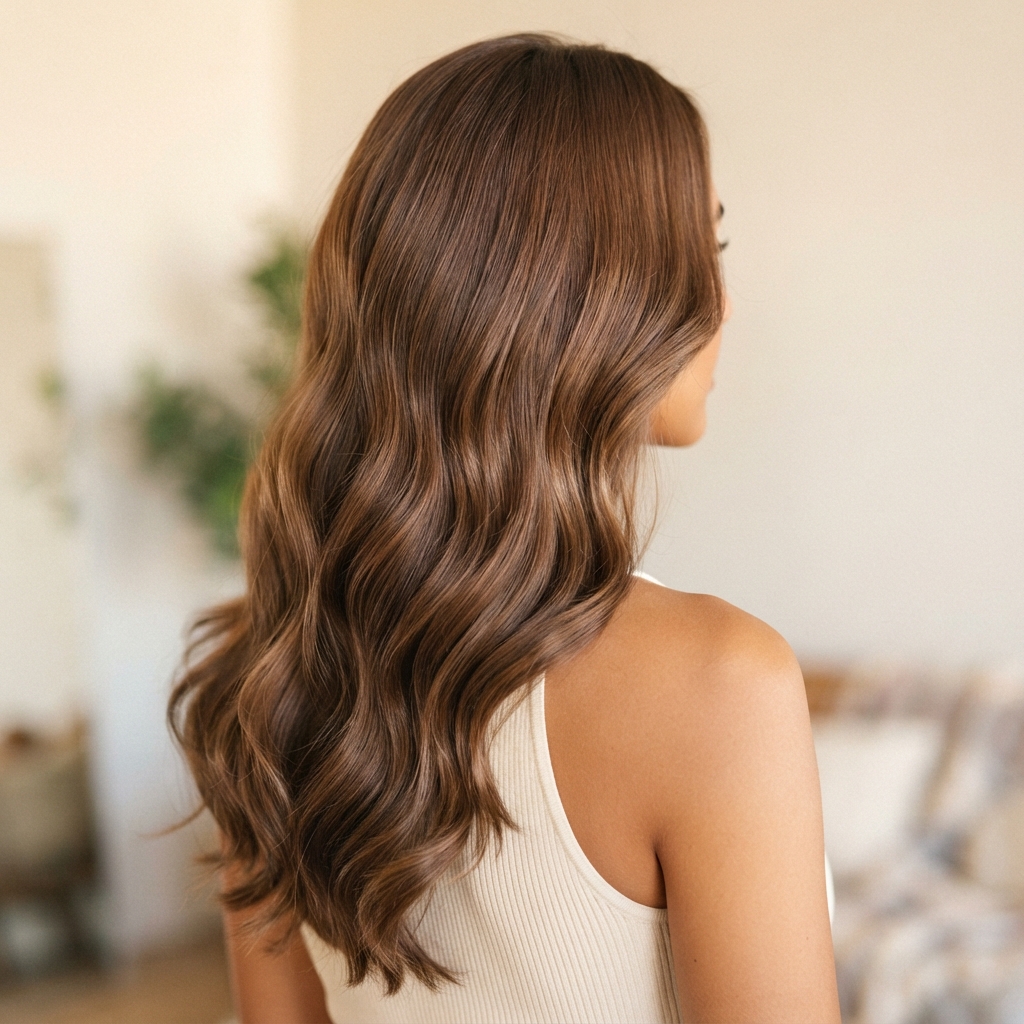
The mocha brown is the brunette color that belongs to the largest number of people — because it works on the largest range of skin tones, suits the largest range of face shapes, and requires the least maintenance while looking the most deliberately considered. It sits at the precise center of the warm-cool spectrum: warm enough to be flattering and alive in natural light, cool enough to resist the brassiness that undermines many warm brown shades over time.
This is also the shade that Pantone’s decision to name Mocha Mousse as 2025’s Color of the Year put directly at the center of the beauty conversation. Pantone awarded “mocha mousse” the coveted 2025 color of the year, and fashion lovers everywhere added this cozy shade to their carts. Chic, classic, and versatile, this brown nail polish is all you need for your next simple nail design. The same logic that makes it dominant in nail color applies precisely to hair: it is warm without being aggressive, rich without being heavy, and beautiful without requiring maintenance that most people cannot sustain.
Best for: Warm and neutral skin undertones. Every skin tone from fair to deep — the mocha adapts across the full range.
Technique: A single-process color in a neutral to neutral-warm brown tone. No foils required for the base color — the depth is achieved through the tone rather than through lightening.
Color 3: Chocolate Balayage — Movement and Dimension in Every Strand
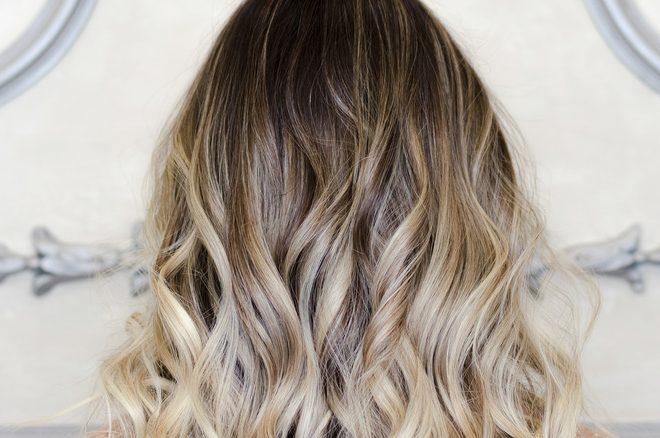
The chocolate balayage takes the rich foundation of a deep brown base and paints lighter chocolate, mocha, and caramel tones through the mid-lengths and ends in a sweeping, freehand technique that mimics the way sunlight naturally hits and lightens dark hair. The result is a brunette that appears to shift and move with the light — darker at the root, progressively lighter toward the ends, with the specific lived-in quality that signals healthy, naturally beautiful hair.
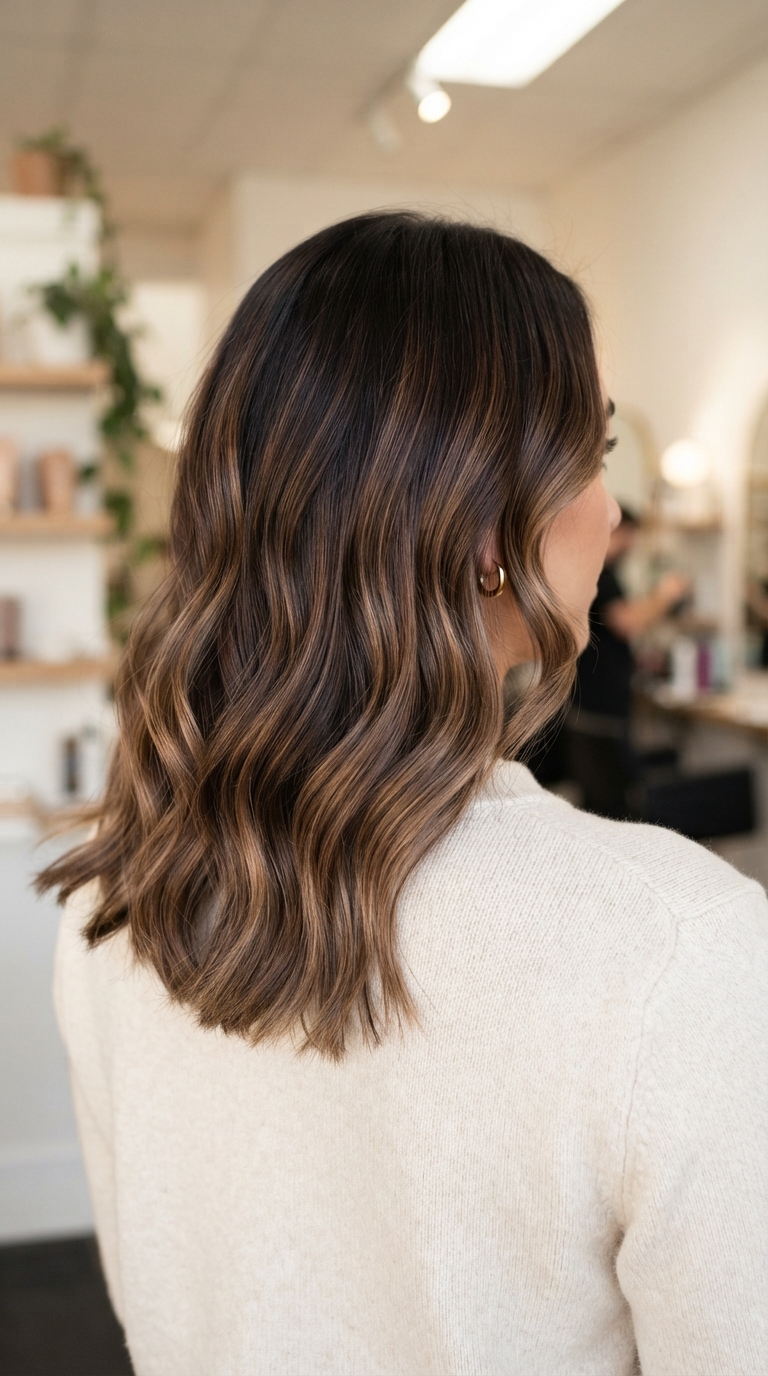
Balayage paints color onto the hair in a sweeping motion. It creates a natural and soft look, perfect for brunettes who want a sun-kissed effect. The chocolate balayage specifically keeps the tone warm and deep throughout — this is not a balayage that approaches blonde or even light caramel. It remains firmly brunette while providing the dimension that single-process brunettes cannot achieve.
Best for: Warm skin undertones. Natural brunettes who want dimension without significant lightening. Any brunette who has been told, “you should stay dark but add some depth.”
Maintenance: The most forgiving maintenance profile of any highlighting technique — balayage grows out naturally without a visible regrowth line. Touch up every twelve to sixteen weeks rather than the eight-week schedule that traditional highlights require.
Color 4: Caramel Highlights on Dark Brown — The Sun-Kissed Classic
If your hair naturally lightens after a day in the sun, lucky you! If not, you can easily emulate the sun-kissed look by adding a few warm blonde streaks throughout your head, especially around the front.
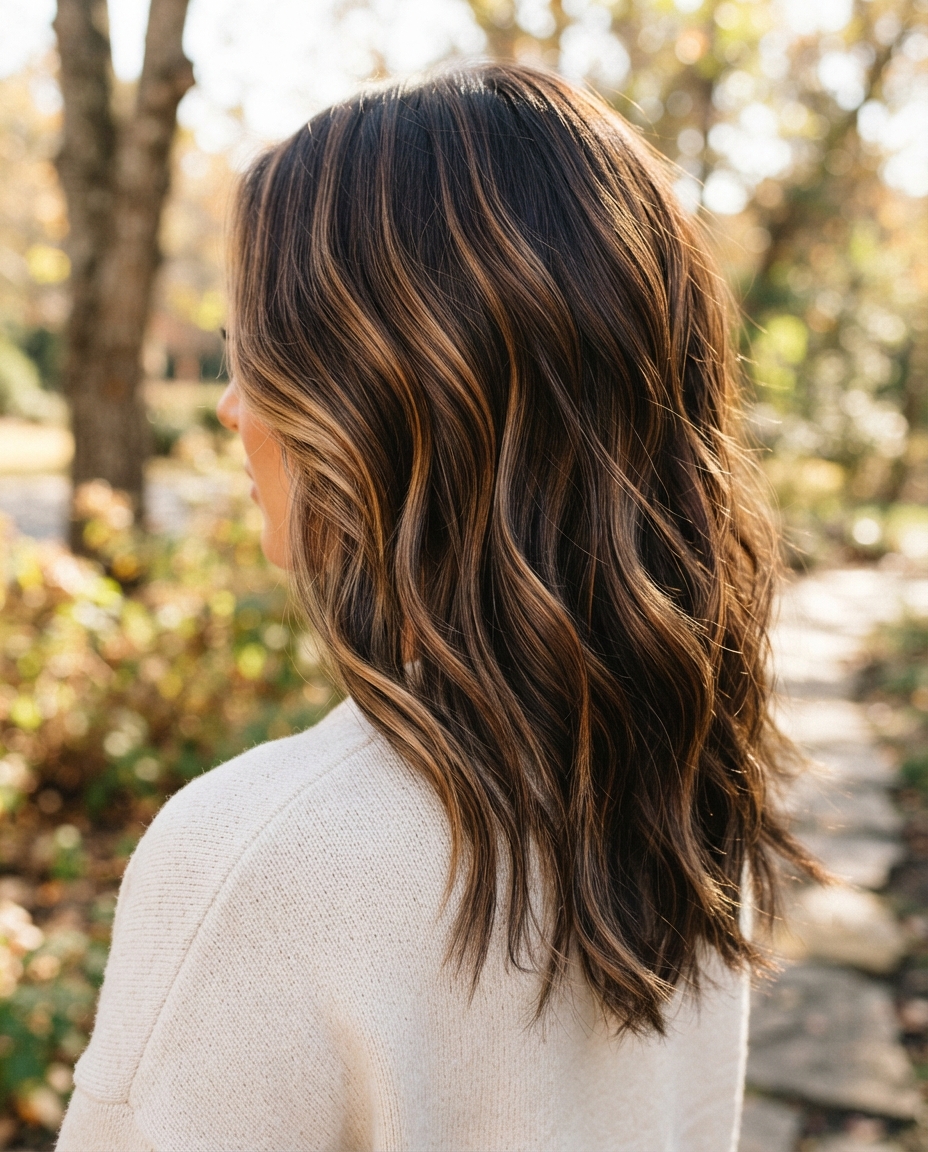
The caramel highlight on dark brown hair is the combination that has defined the “effortlessly beautiful brunette” look for decades — and continues to be requested more than any other single brunette color service in most salons. The caramel tone is warm gold-brown, sitting between a true honey blonde and a medium brown, and when placed against a dark brown base, it creates the visual contrast that makes the face look brighter, the hair look healthier, and the overall effect look significantly more expensive than the hours invested justify.
The placement matters as much as the tone: face-framing pieces carry the lightest, most golden caramel. Interior sections carry a slightly deeper variation. The hairline and ends brighten more than the mid-sections. This graduated placement creates the specific depth that makes caramel highlights read as natural rather than applied.
Best for: Warm and neutral skin undertones. Natural dark brunettes who want warmth without dramatic change.
Technique: Traditional foil highlights or balayage depending on the desired effect — foils for more defined, consistent pieces; balayage for a softer, less structured result.
Color 5: Chestnut Brown — Autumn in Every Light
Chestnut warmth: reddish-brown shades which are autumnal and multidimensional. The chestnut brown occupies the specific and beautiful territory where warm brown meets warm red — the color of a freshly opened chestnut shell, rich with simultaneous gold and copper and deep mahogany tones. It is a color that shifts noticeably between indoor and outdoor light, appearing more auburn in sunlight and more deeply warm brown in interior lighting, which gives it the kind of multi-dimensional visual interest that makes people stop and ask what color that is.
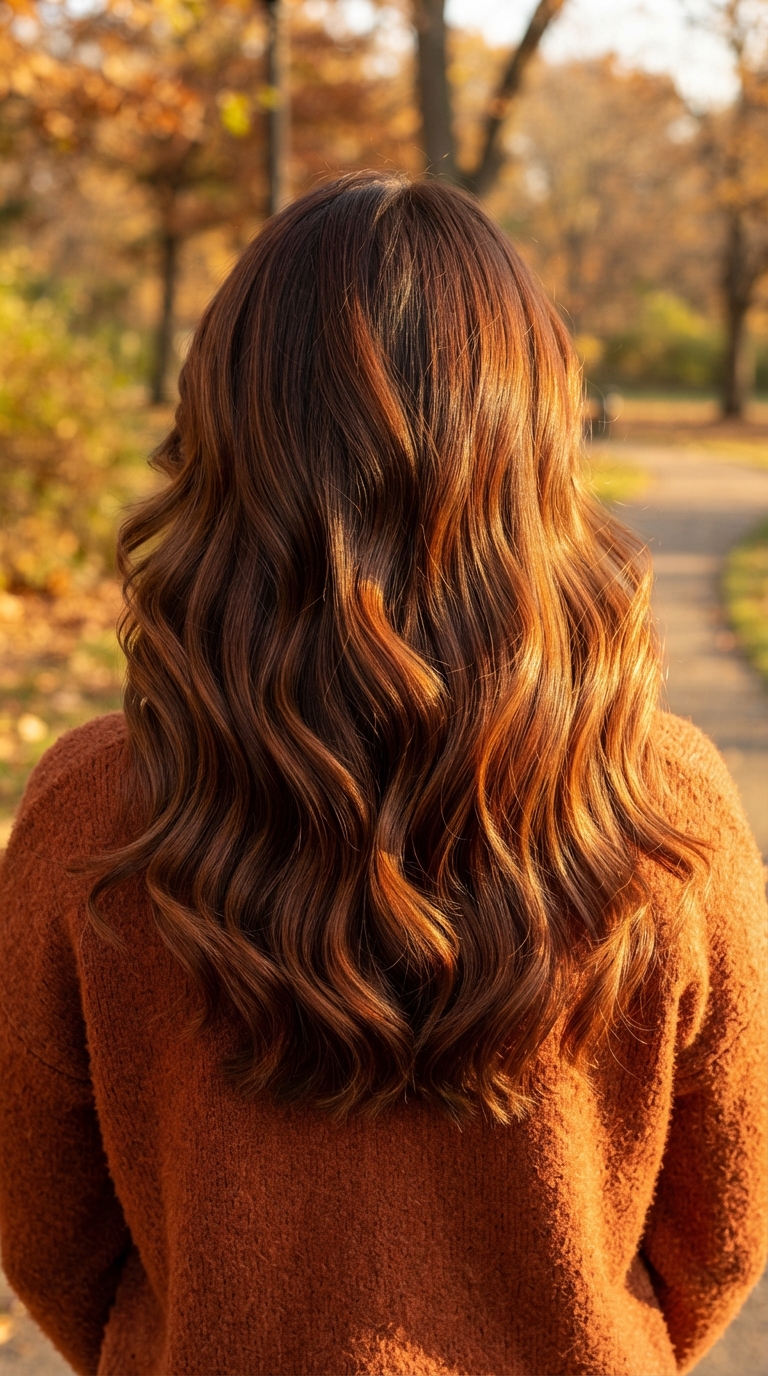
Vibrant chestnut is a bright brunette shade paired with subtle undertones in red or golden hues. Its extra warmth and chocolatey richness add extra oomph to a classic brown color.
This color is the answer for brunettes who want warmth without going red, dimension without highlights, and a color that looks different and interesting in every lighting condition they encounter throughout the day.
Best for: Warm undertones. Medium skin tones particularly — the chestnut warmth creates a beautiful resonance with warm medium complexions. Works beautifully for autumn and winter but is attractive in every season.
Technique: A permanent warm brown dye in the 5-6 level range with red-gold tone correction — not a true red dye but a warm brown with enough red pigment to produce the chestnut shift.
Color 6: Bronde — The Brunette-Blonde That Gives You Both
Sitting perfectly at the intersection of brunette and blonde (hence “bronde”), this shade features a warm brown base blended with honey-toned, caramel, and buttery highlights — best for those who want a significant brightening effect without going fully blonde.
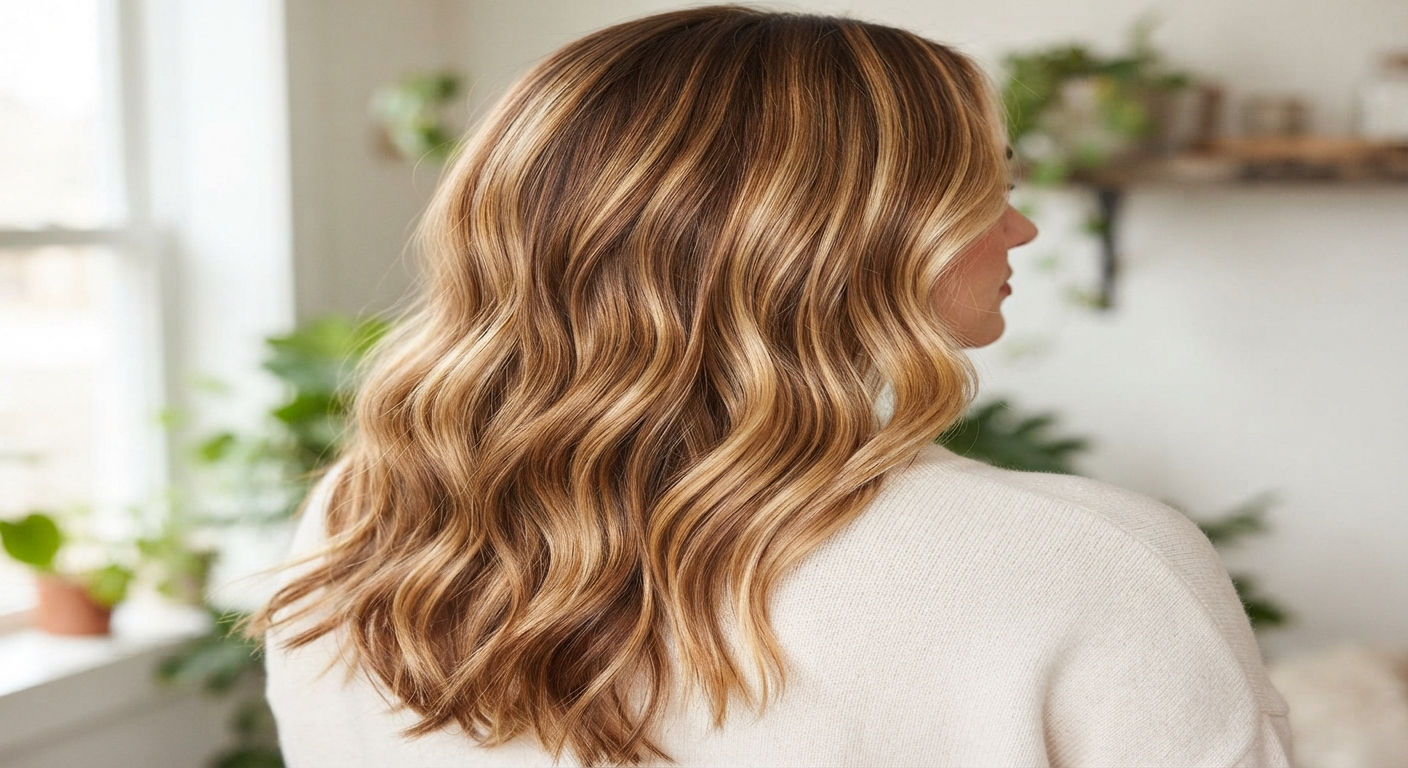
The bronde is the color that resolves the “I can’t decide between brunette and blonde” conversation permanently by deciding that the answer is both. It is not a half-hearted commitment to either — it is a deliberate, skillfully executed blend that produces a color that reads as richly dimensional brunette in some lights and warmly blonde in others. The base remains brunette. The highlights are genuinely blonde. The skill is in the blending that makes the transition between them feel natural and inevitable rather than striped.
Blended bronde: this color gives cool-toned brunettes a chance to lighten up with blonde that will last months and months. Blending is the key.
Best for: Natural brunettes who want the brightest result short of going fully blonde. Warm and neutral undertones both work beautifully.
The maintenance advantage: Because the base remains brunette and the highlights are blended rather than precise, the regrowth line is significantly less visible than with traditional blonde highlights on dark hair. Many bronde wearers stretch their appointments to twelve to fourteen weeks.
Color 7: Honey Brunette — Warmth, Glow, and Natural Radiance
Honey brunette hair color blends rich brown tones with warm, golden highlights, resulting in a soft, radiant, and sun-kissed appearance. This shade adds dimension and brightness to the hair while maintaining a natural brunette base. Honey brunette is perfect for those who want a warm, youthful look that enhances glow and works beautifully in both straight and wavy hairstyles.
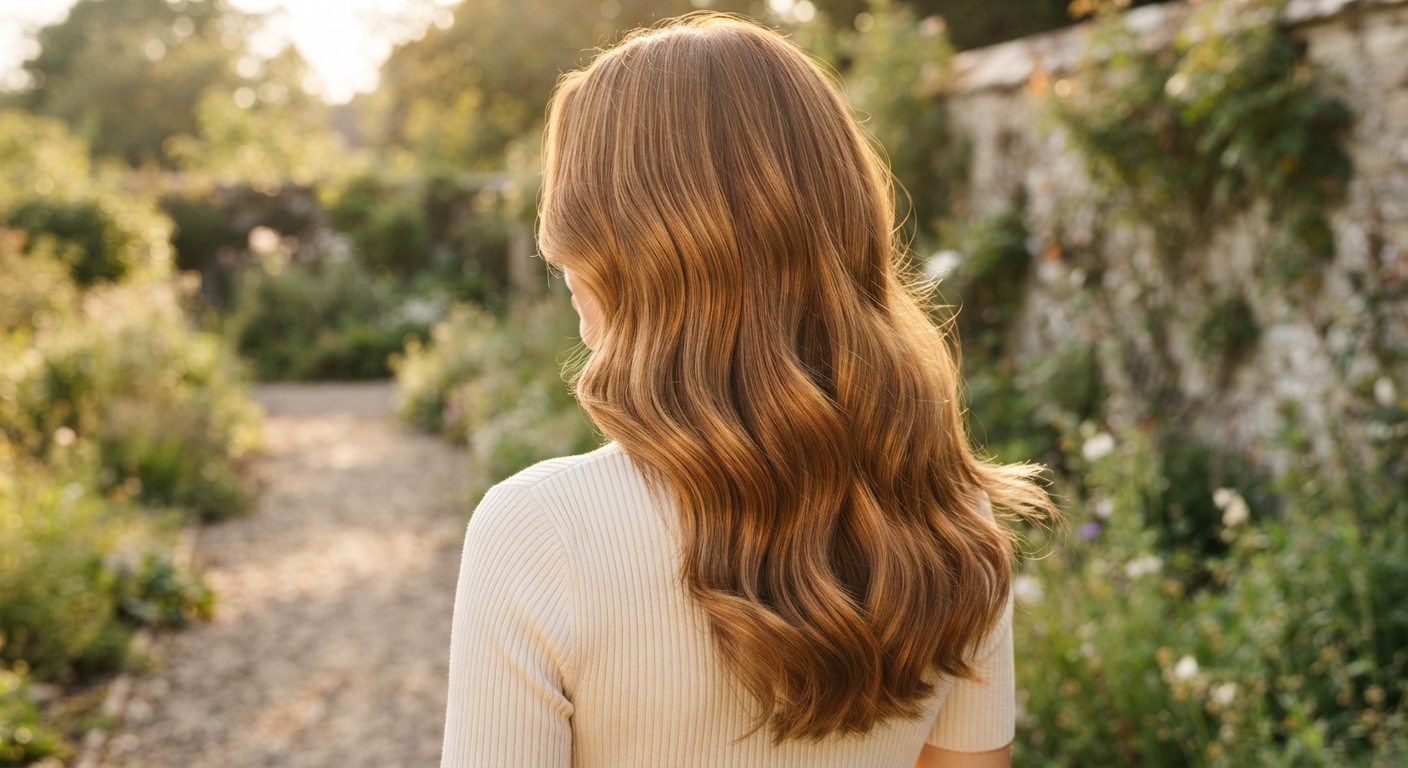
The honey brunette is the color that produces the most consistent compliment of any brunette shade: “your hair looks so healthy.” The warm golden tone of honey refracts light in a way that makes even processed hair appear richly conditioned and glossy, and the combination of honey tones throughout a brunette base creates the specific glow that most people associate with exceptionally healthy hair.
Where the caramel highlight creates contrast, the honey brunette creates a more uniform warmth — the highlights are present but they are closer in tone to the base, creating an integrated warmth rather than a defined piece placement. The result is subtler and more natural but no less beautiful.
Best for: Warm undertones. Particularly flattering on medium to olive skin tones where the golden warmth creates a complementary warmth in the complexion.
Color 8: Auburn — When Brunette Becomes a Love Affair With Red
Auburn is the color at the boundary of the brunette world — warmly and decidedly brown, but infused with enough red pigment to make “what color is your hair?” a question with a genuinely interesting answer. True auburn is not red hair. It is not brown hair. It is the specific, gorgeous, light-catching territory between the two, where a deep reddish-brown shifts in different lights from distinctly copper to distinctly chocolate.
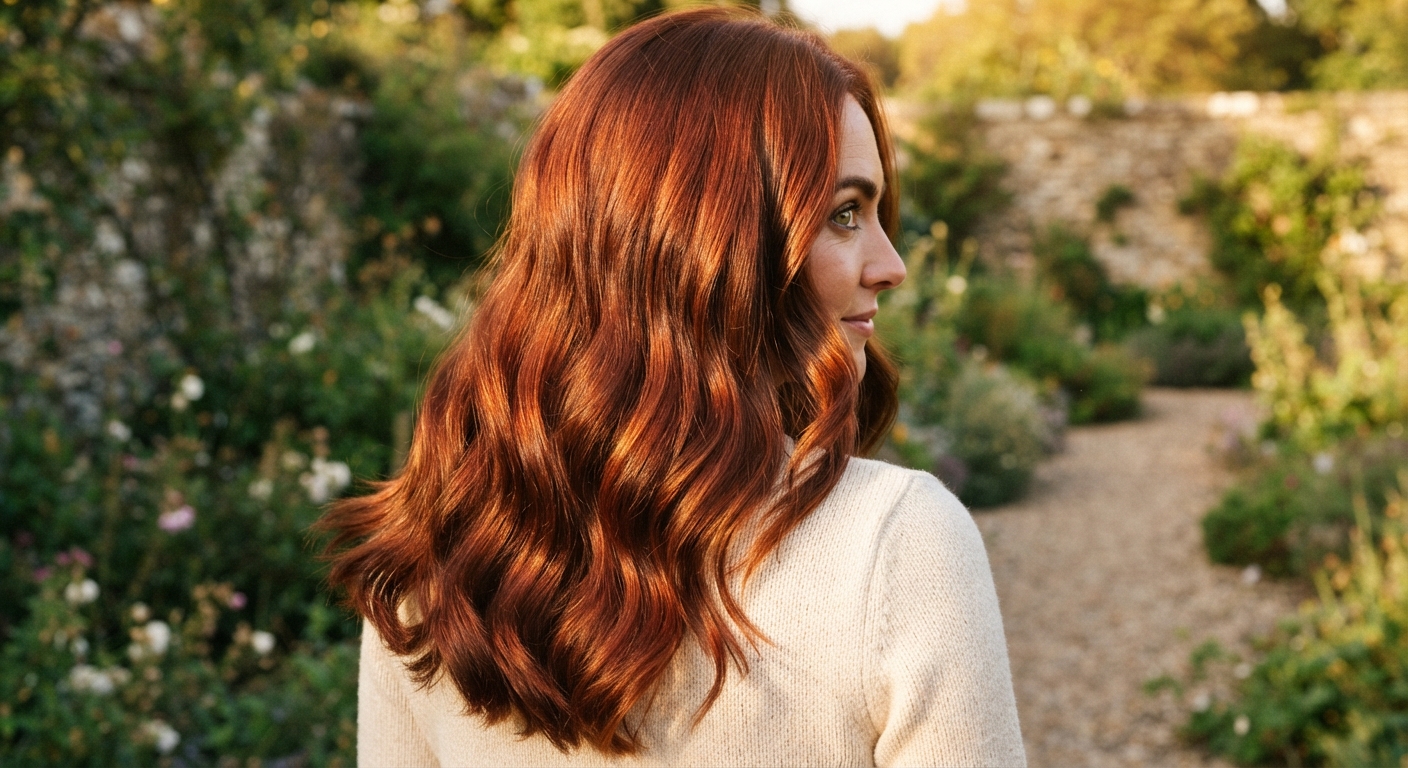
Natural brunettes can get just a touch of extra zing with minimal balayage babylighting in a warm shade like reddish auburn.
The auburn is the choice for brunettes who want genuine visual excitement — a color that makes people look twice in sunlight, that photographs with warmth and dimension, and that gives the complexion a flush of warmth that neutral browns cannot produce. It is also, notably, one of the most flattering colors available for green and hazel eyes, which the warm red tones in auburn enhance by creating an opposite-warmth contrast that makes eye color appear brighter.
Best for: Warm undertones. Fair to medium skin tones where the redness in the color creates warmth rather than conflict. Green, hazel, and amber eyes.
Maintenance: Red-family tones are the fastest fading of all color categories. Expect visible fading within three to four weeks; plan for color appointments every six weeks rather than the standard eight.
Color 9: Ash Brown — The Cool, Sophisticated Modern Brunette
Ash brunette hair color is a cool-toned brunette shade infused with subtle grey or smoky undertones, creating a modern and sophisticated look. This color is perfect for those who prefer a chic, muted style while still maintaining natural depth. Ash brunette is especially flattering for fair to medium skin tones and is ideal for anyone seeking a trendy yet elegant hair color that minimizes warm or brassy hues.
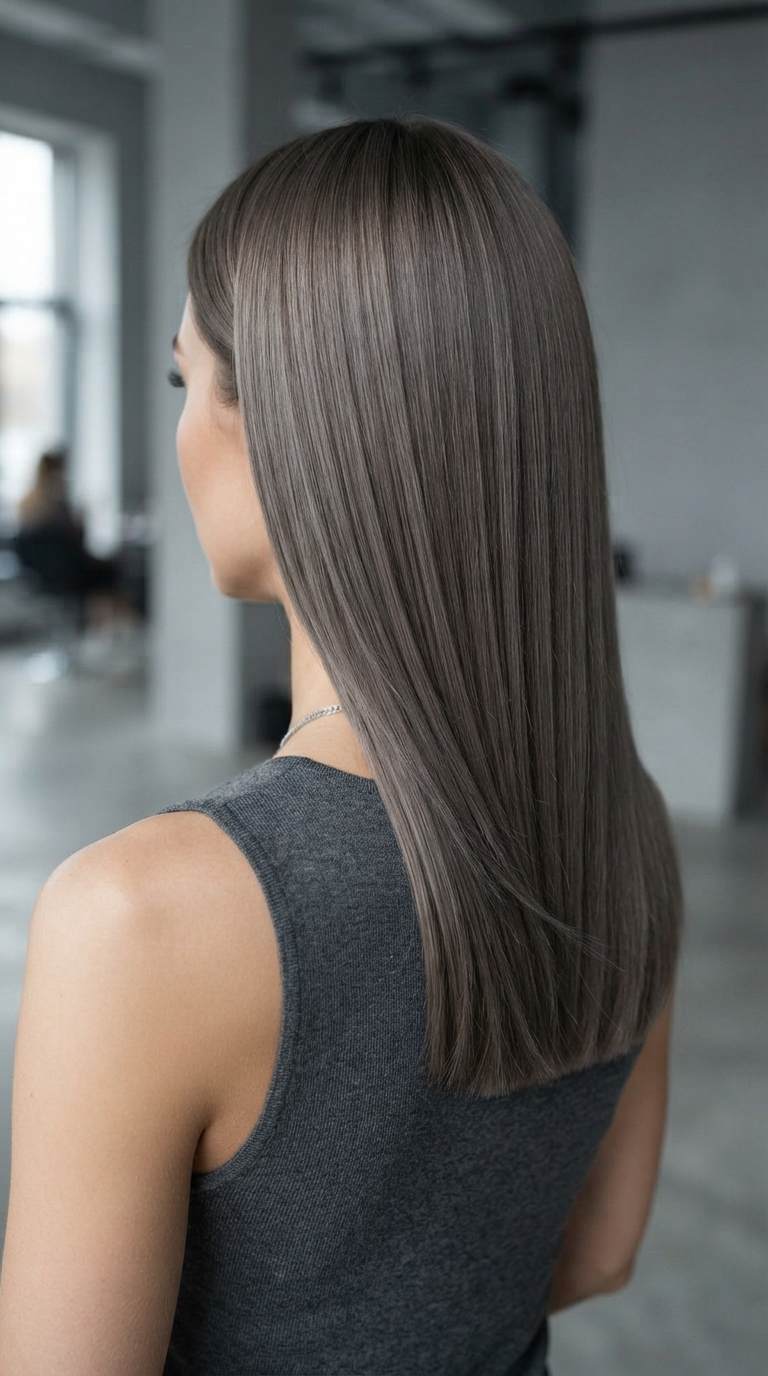
The ash brown is the brunette shade that travels furthest from conventional warmth expectations — and in doing so, produces one of the most genuinely interesting and most fashion-forward results available in the category. The grey-smoky undertone that defines ash brown creates a color that reads as distinctly modern, slightly editorial, and significantly more unexpected than a standard brunette shade.
A modern take on brunette that incorporates ashy, taupe, and grey-toned highlights throughout a darker base. This color creates a “smoky” effect that is chic, edgy, and the best brown hair color for neutralizing redness in the skin.
This is the brunette shade for people who want their hair color to make a statement about their aesthetic sensibility rather than simply their preference for warm or cool tones.
Best for: Cool and neutral undertones. Fair to light medium skin tones. Anyone who has warm redness in their complexion that they want their hair color to neutralize rather than enhance.
The maintenance challenge: Ash tones require a color-toned shampoo (purple- or blue-toned) used weekly to maintain the cool ash quality. Without toning maintenance, ash brown shifts toward warm and brassy faster than most other brunette shades.
Color 10: Copper Brunette — The Color That Makes Everything Look Like Golden Hour
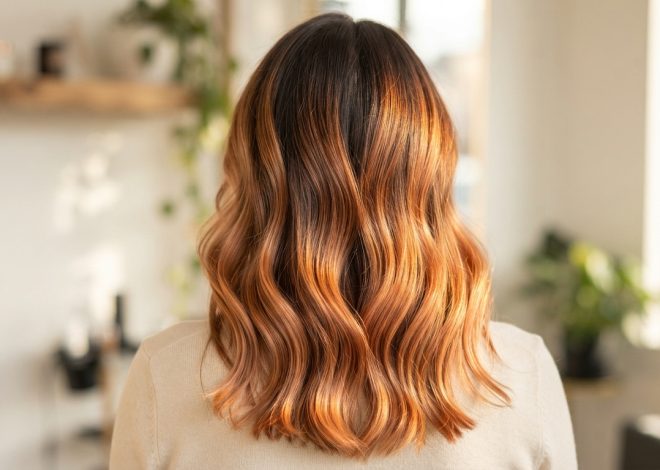
Strawberry brown: the mix of a light brown base with bright pops of orange-toned highlights is unique and chic. The copper brunette takes this premise and makes it more deliberate — a medium to dark brown base with genuine copper and warm orange-toned pieces woven throughout, creating a color that produces the specific warm glow of late afternoon sunlight even at 9 am on a Tuesday in December.
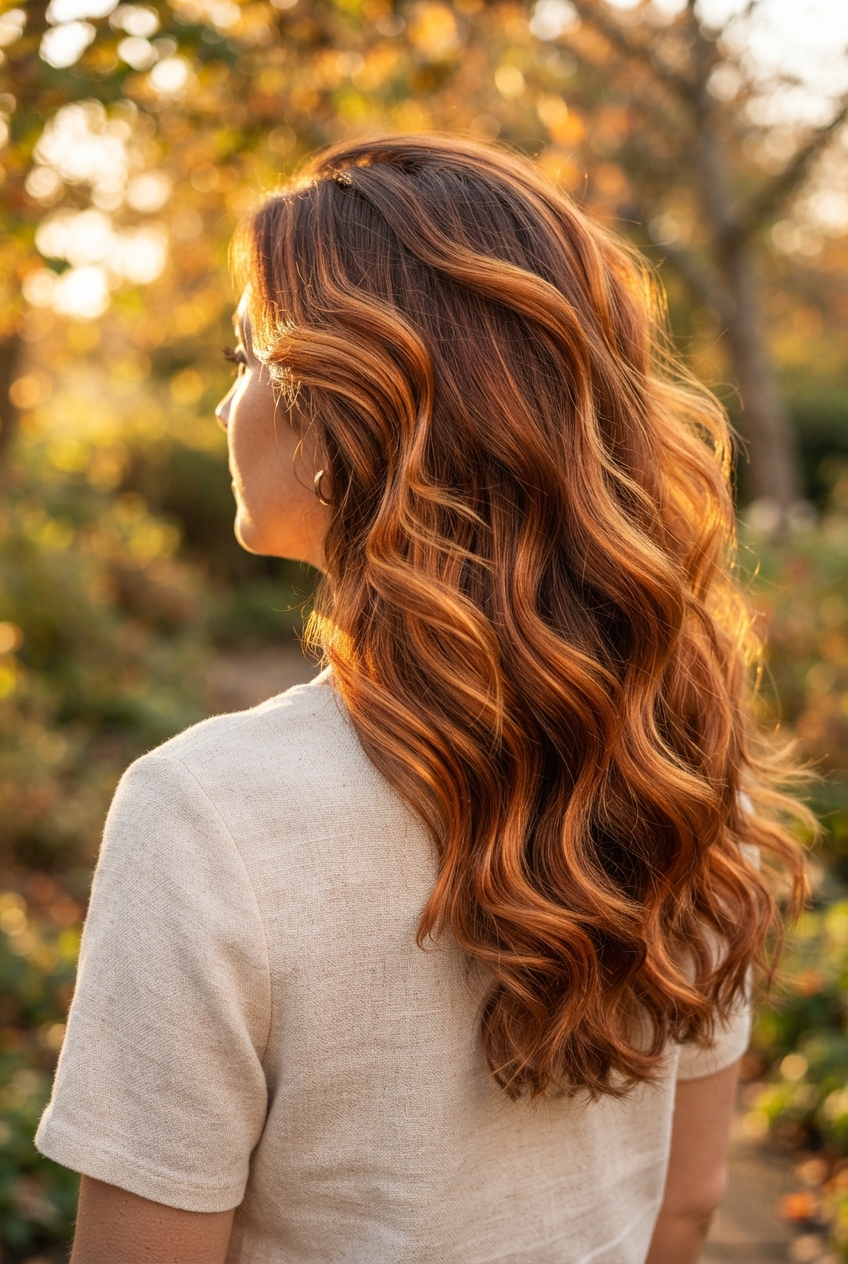
The copper pumpkin shade strikes the perfect balance between vibrant and warm. The uniform blend of gold and brunette tones adds instant warmth, giving your color that fresh finish without feeling too dark or too light.
Copper brunette is the most vibrant of all the brunette shades — the one that most consistently makes people stop in the street and ask what color that is. It is also the most high-maintenance of the warm brunette family, requiring toning maintenance and color refreshes more frequently than cooler or more neutral shades.
Best for: Warm undertones. Medium to olive skin tones — the copper warmth creates a beautiful resonance. Blue and green eyes, which the warm copper tones enhance dramatically.
Color 11: Dimensional Dark Brown — Depth Without Lightness
Not every brunette wants to go lighter. Not every brunette wants highlights. Some brunettes want to go deeper — richer, more dimensional, more specifically beautiful within the dark end of the spectrum — without introducing any blonde, caramel, or lighter element.
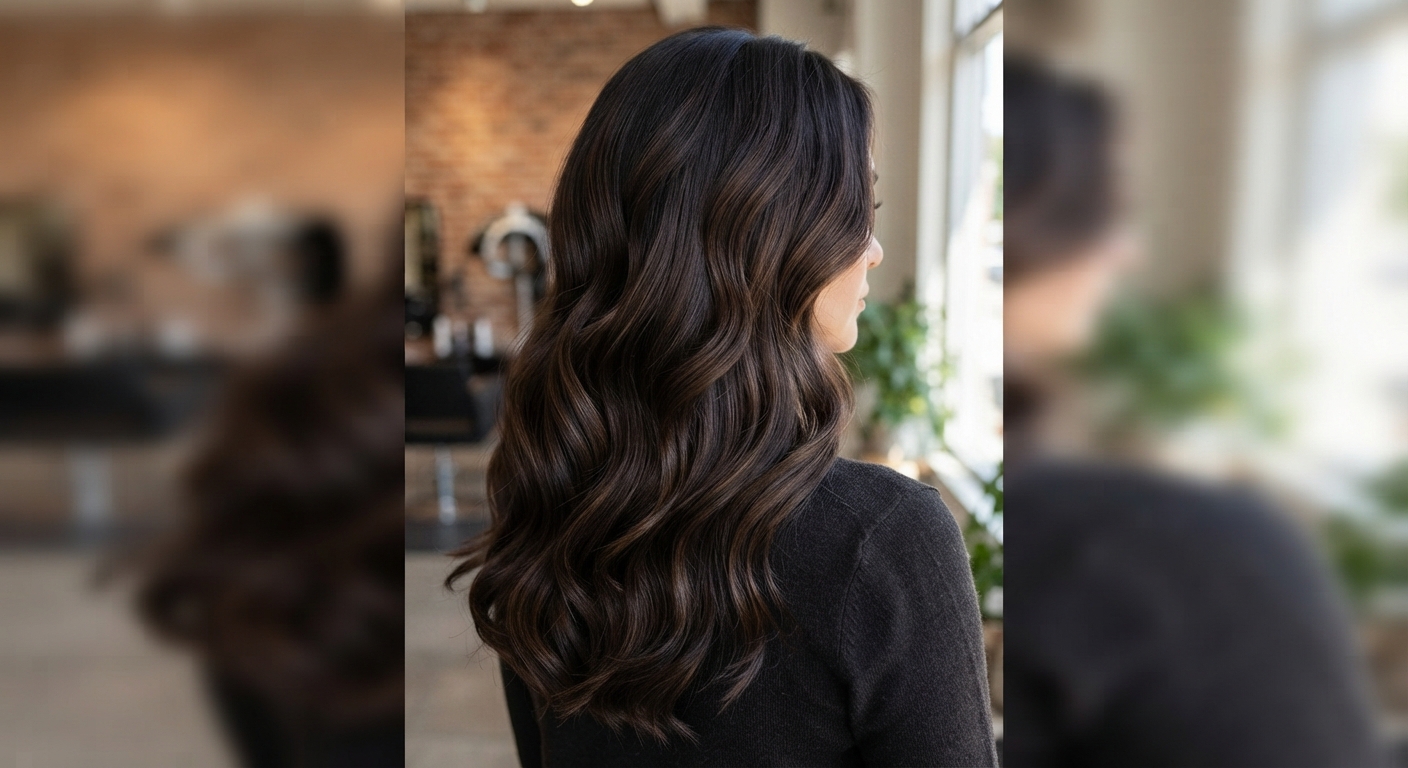
The dimensional dark brown achieves this through tone contrast within the dark end of the color spectrum. Deep espresso lowlights in the root area create the foundation. A slightly warmer medium-dark brown throughout the mid-lengths and surface provides the top layer. The tonal shift between these two dark shades — which is subtle but visible — creates dimension without any lightening being required.
Different shades of brunette hair provide distinct attractiveness to all their variations. The dimensional dark brown is the variation for the brunette who has always wanted to stay dark but has never been fully satisfied with the single-note appearance that a flat, one-process dark brown produces.
Best for: Naturally dark brunettes. Deep and rich skin tones where dark hair creates a beautiful, dramatic contrast. Anyone who has been advised to “lighten up a little” and absolutely does not want to.
Color 12: Golden Brown — Warmth You Can Feel
The golden brown is exactly what it sounds like: a medium brown with enough warm golden pigment running through it that the color reads as genuinely warm and golden in all lighting conditions, not merely in direct sunlight. It is a step warmer than honey brunette and a step away from caramel — sitting in the specific territory of brown that looks like autumn leaves at peak color, or like a perfectly drawn espresso with a hint of the golden crema still visible.
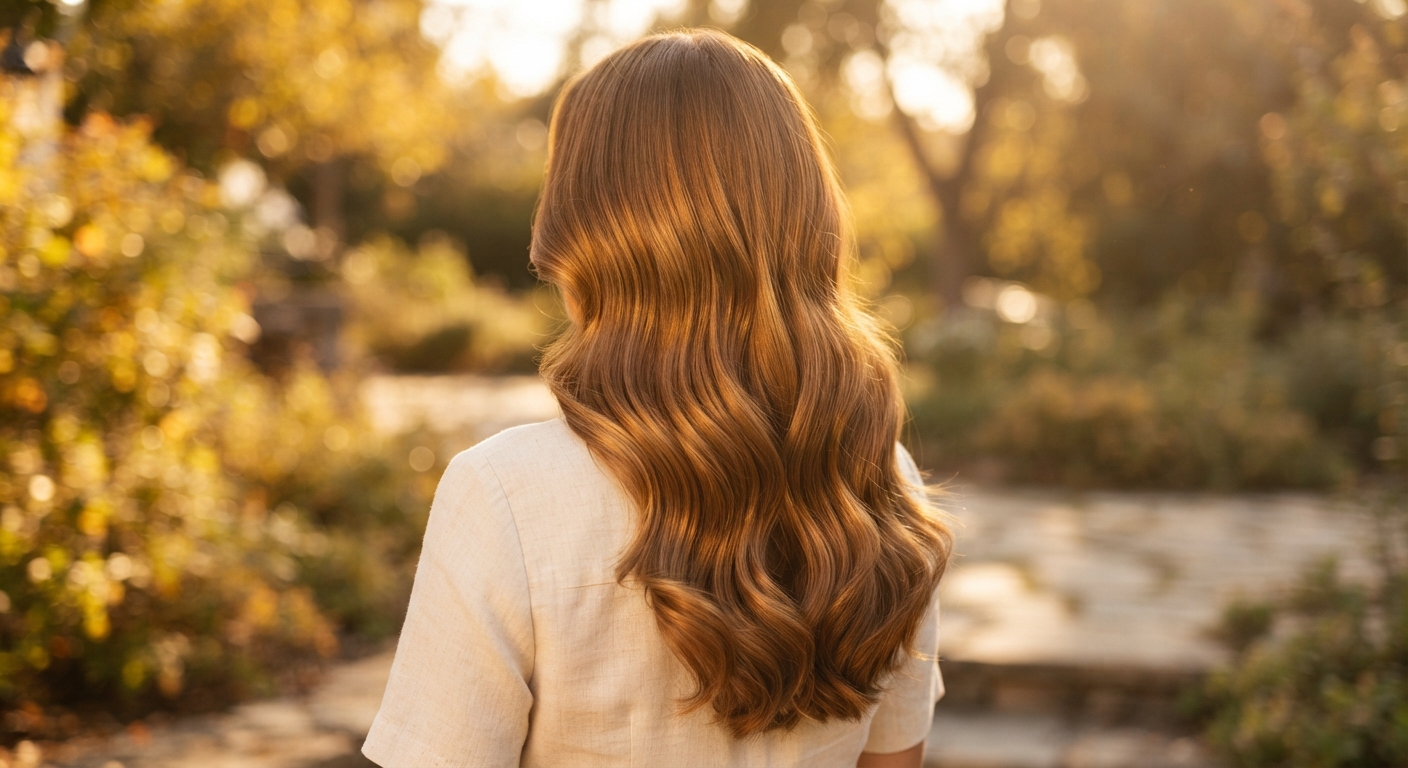
This color is one of the most historically beloved brunette shades because it works across an extraordinary range of skin tones. A flawless combination of deep brown tones together with golden caramel notes presents itself as a warm and dimensional option that provides lightening features to darker hair through a naturally highlighted appearance.
Best for: Warm and neutral undertones across the full skin tone range — golden brown is one of the few colors that works from very fair skin through to deep rich skin tones with minimal adjustment.
Color 13: Mocha Latte — The Neutral Mid-Brown With Depth
The mocha latte brunette is the medium brown that has been perfected by tone — neither warm nor cool but precisely neutral, with enough depth to appear intentional and enough lightness to feel fresh. It is the coffee shop aesthetic applied to hair: familiar, comforting, beautifully proportioned, and somehow better than expected.
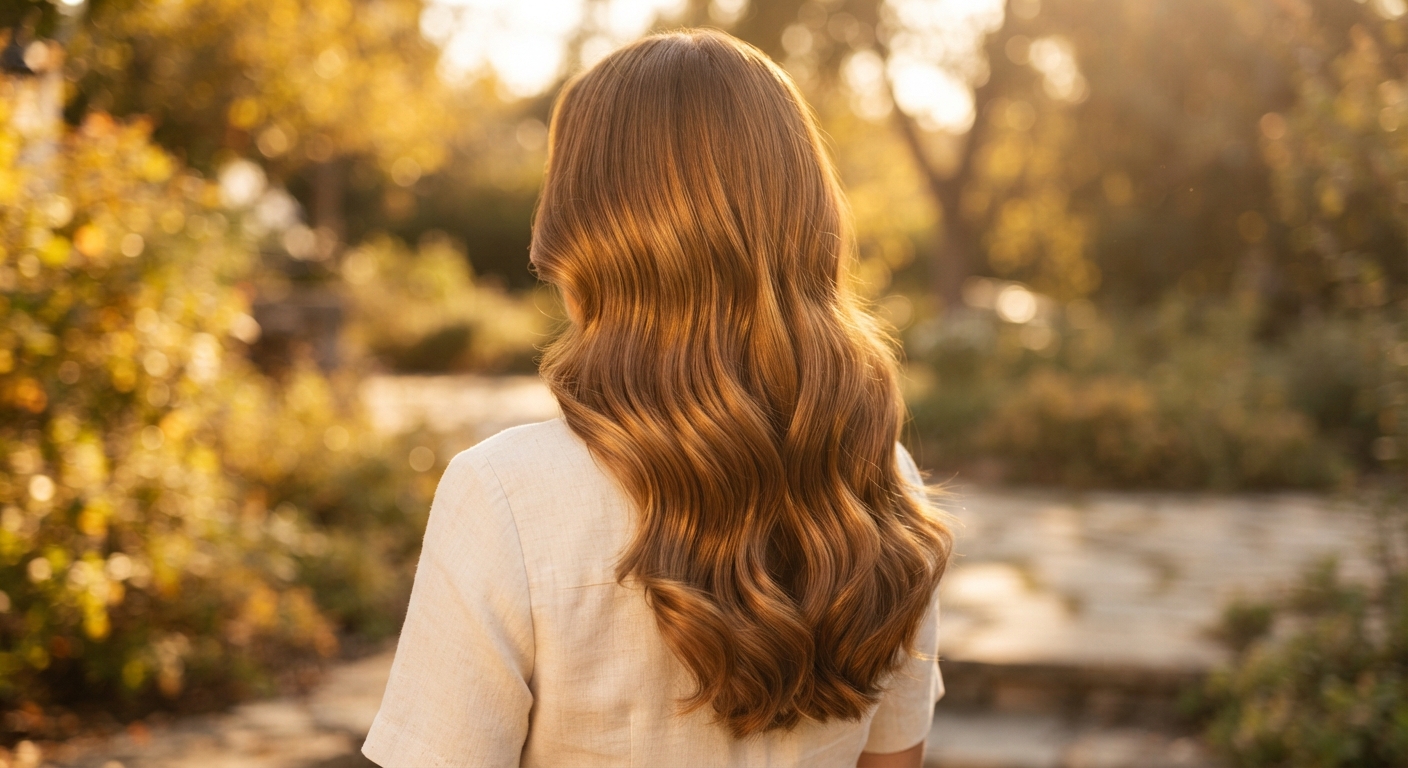
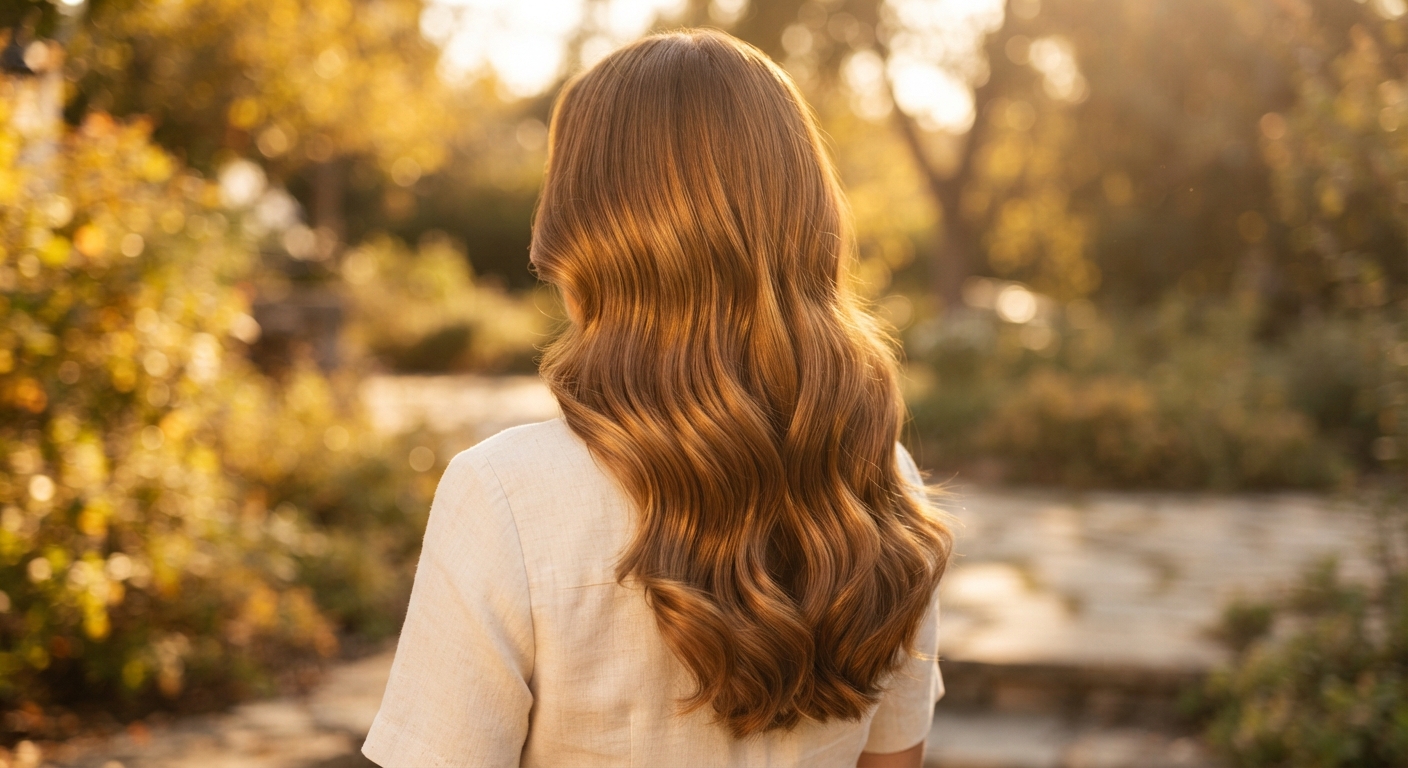
The mocha latte specifically references a color that sits between medium brown and the lighter end of the brunette spectrum — lighter than a standard mocha, richer than a plain medium brown — with the specific neutral tone that allows it to work with virtually every skin tone and personal aesthetic. It is the brunette equivalent of the classic white shirt: it belongs in every context, flatters virtually everyone, and is quietly remarkable in its perfect ordinariness.
Best for: All skin tones and undertones — the genuine universality of neutral medium brown makes this the most broadly recommended brunette shade.
Color 14: Strawberry Brown — The Color That Surprises Everyone
We all know and love strawberry blonde, but take the brightness down a few levels, and you’ve got a gorgeous strawberry brown. The mix of a light brown base with bright pops of orange-toned highlights is unique and chic.
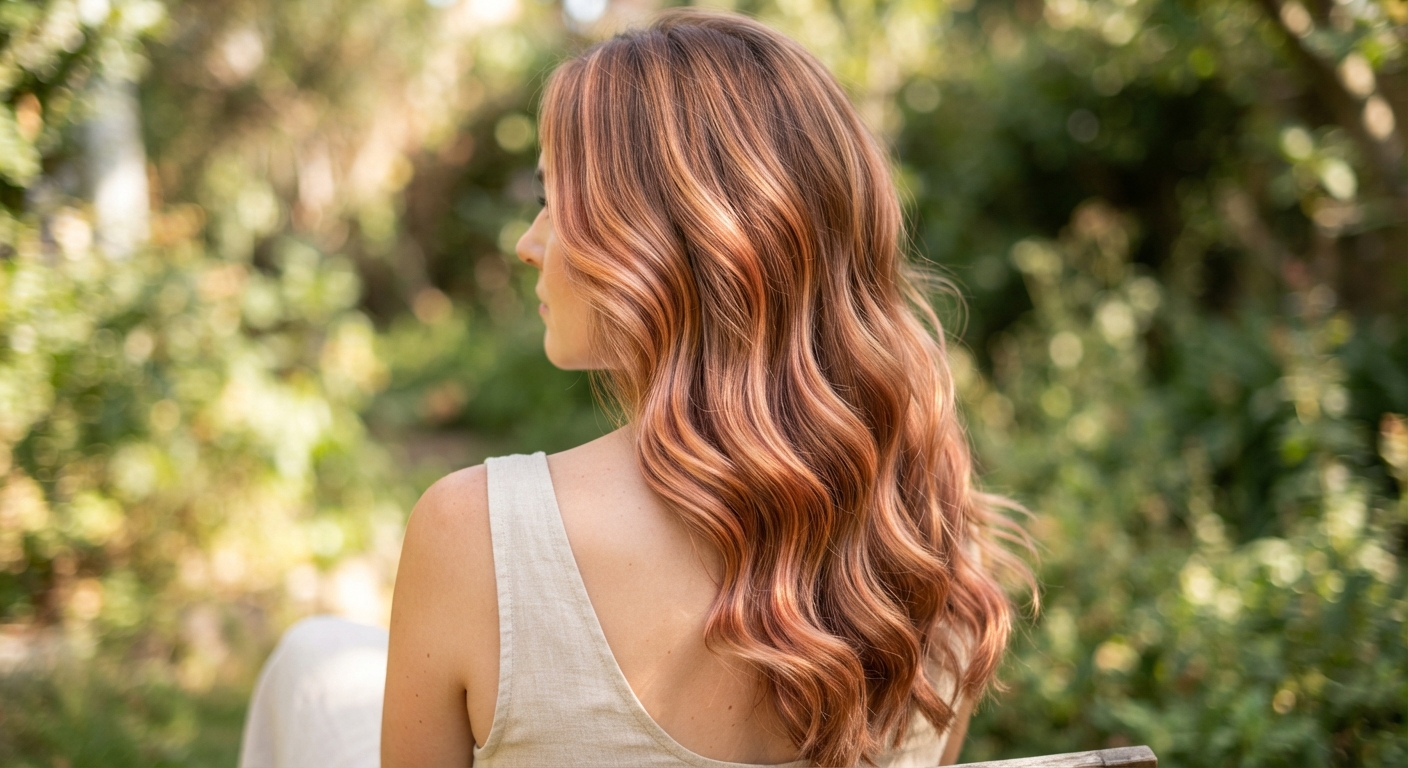
The strawberry brown is the color that occupies genuinely unexpected territory — too brown to be a strawberry blonde, too warm and orange-tinged to be a standard brunette. It is the color that makes people describe someone’s hair as “she’s kind of auburn but also kind of brown and also there’s something pink about it in the light?” and then be unable to further specify. This ambiguity is the feature, not the flaw.
In direct sunlight, the peach-orange tones in the highlights become visible, and the result reads as genuinely unusual and beautiful. In interior lighting, the brown base dominates, and the result reads as a warm, sophisticated brunette. The two versions of the same color, across different lighting conditions, give the strawberry brown wearer a hair color that is perpetually interesting.
Best for: Very fair skin tones with cool-to-neutral undertones — the contrast of the warm peach-orange highlights against fair skin is particularly striking. Less recommended for very warm or olive skin tones where the orange undertones can conflict.
Color 15: Chocolate Cherry — Dark Romance in Every Strand
The chocolate cherry is the brunette that goes to the ballet on a winter evening. It is a deep, dark brown base infused with just enough red-burgundy pigment that in direct light, a distinctly cherry-wine tone glows beneath the surface — visible, unmistakable, and stunning — while in lower light it reads as a simply rich, beautiful dark brown.
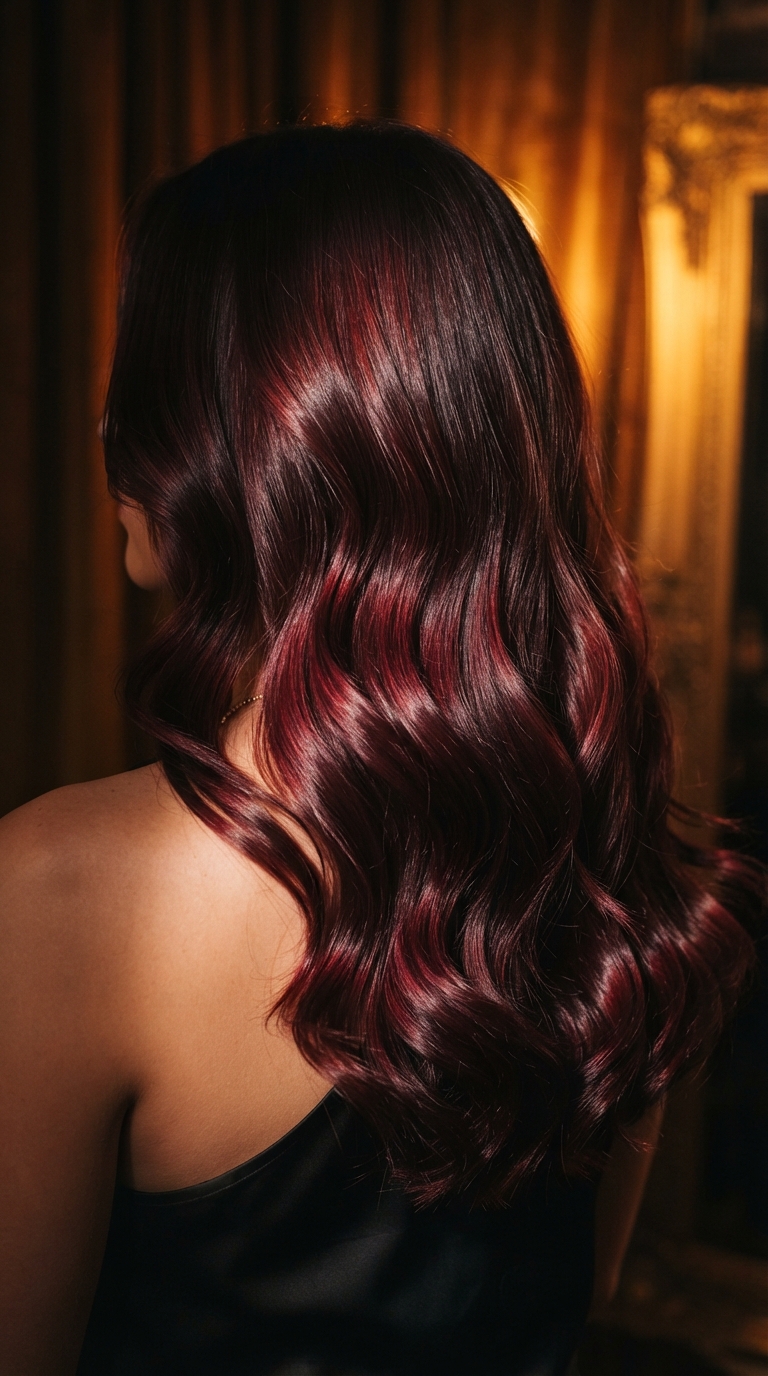
This is a color with dramatic intentions. It is not the mocha latte’s quiet universality or the espresso’s polished coolness. The chocolate cherry announces something: that the person wearing it has an aesthetic point of view and the confidence to execute it through a color that other people will look at and immediately want.
Best for: Cool and neutral undertones. Fair to light medium skin tones where the deep red-brown creates a dramatic, high-contrast result. Works beautifully for people who also wear deep wine, berry, and burgundy in their clothing palette.
Color 16: Smoked Suede Brunette — The Editorial Cool Girl Shade
“I’m loving brunettes with soft highlights,” explains celebrity stylist Jacob Schwartz. “This is the most stunning look for those looking to go a little bit darker this fall.” The subtle highlights with contrasting brunette add just the right amount of dimension, giving the hair an effortless look. Whether you have some grown-out or bleached highlights that you’re looking to darken, or you’re fully brunette and wanting some warmth, smoked suede brunette is so chic for autumn.
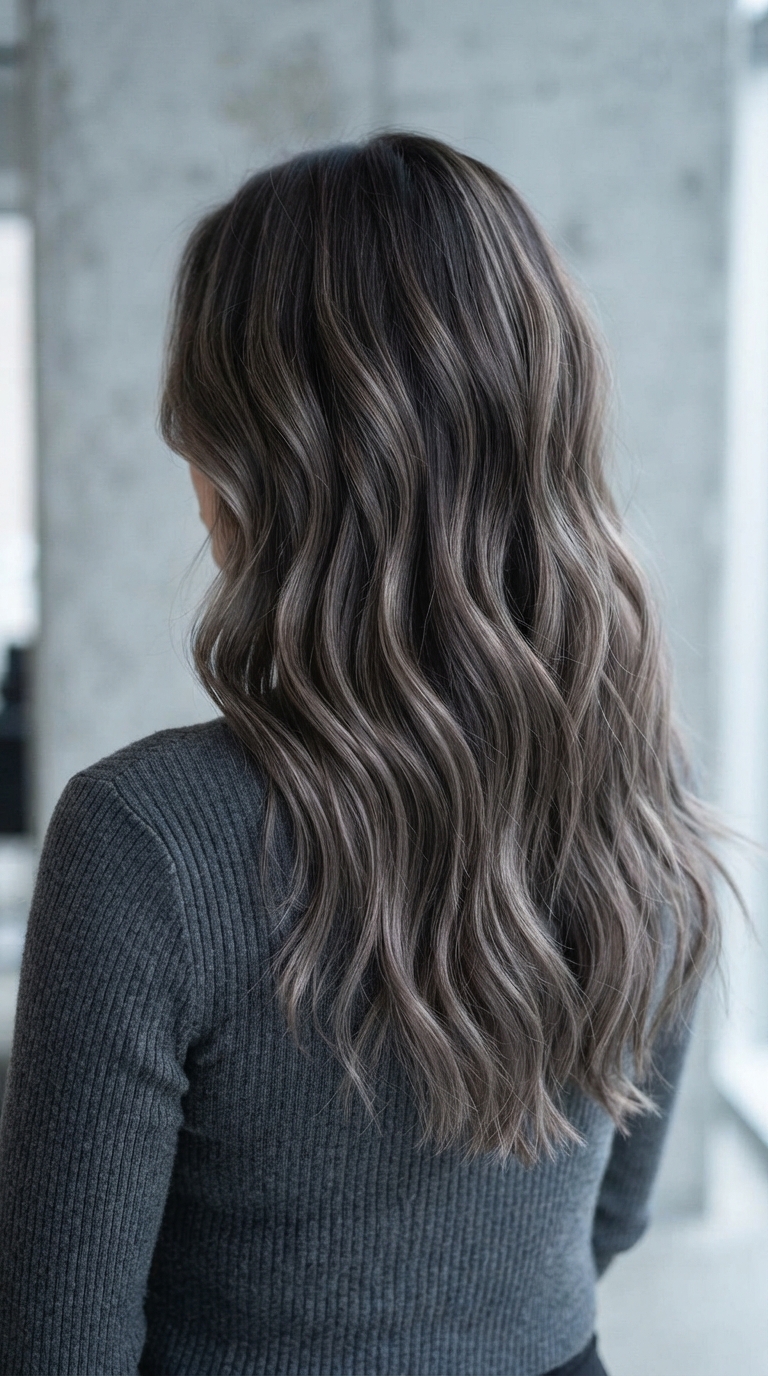
The smoked suede brunette is the cool girl answer to the warm-brown-with-highlights category — it takes the same approach of a dark base with dimensional lighter pieces but executes it in a cooler, smokier, more editorial register. The highlights are ashy rather than caramel. The base is cool rather than warm. The overall effect is like a perfectly worn suede jacket: textured, dimensional, interesting, and effortlessly chic.
This color is particularly powerful on people who have been told that their warm brunette is looking “a little brassy.” The smoked suede neutralizes warmth while adding dimension, producing a result that reads as intentional, sophisticated, and modern rather than as simply avoiding a problem.
Best for: Cool to neutral undertones. Fair to medium skin tones. Natural brunettes who have warm highlights growing out and want to neutralize rather than deepen the warmth.
Color 17: Toffee Brunette — The Color That Photographs Like a Dream
The toffee brunette lands between caramel and honey in the warm brunette spectrum — slightly more golden than caramel but deeper than honey, with a specific warm richness that produces extraordinary results in photographs. It is the hair color that makes every Instagram photograph look more beautiful than it had any right to, because the warm toffee tones pick up any available warm light and amplify it throughout the frame.
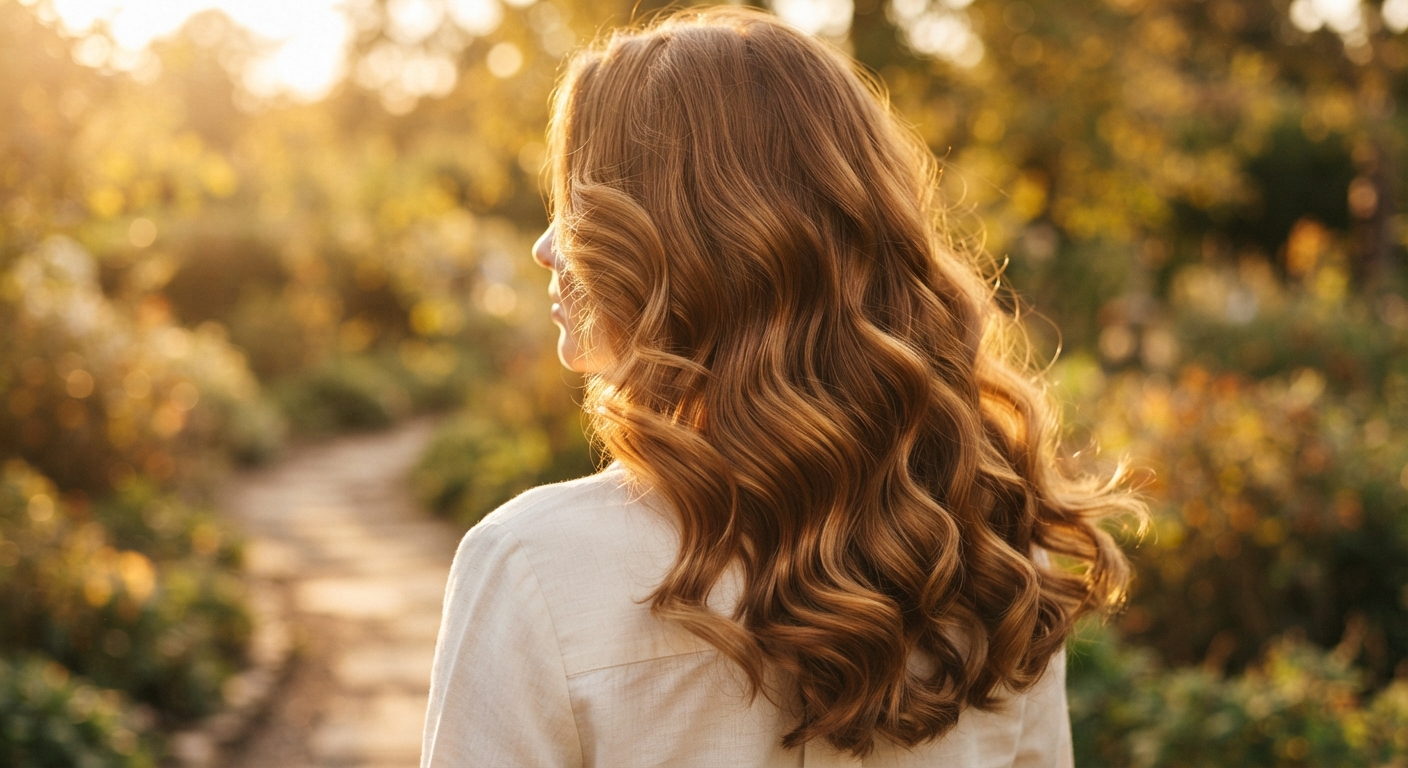
This is not a coincidence. Toffee, caramel, and honey tones are photographically warm — they respond to the warm light that most flattering photography uses by amplifying it rather than absorbing it. A toffee brunette in golden hour light becomes something genuinely extraordinary in a photograph. The practical consequence: if you take or appear in a significant number of photographs, the toffee brunette provides a perpetual photographic advantage that cooler or darker shades cannot match.
Best for: Warm and neutral undertones. Particularly flattering for content creators, photographers, and anyone whose appearance in photographs is a regular and important part of their life.
Color 18: Lived-In Brunette — The Low-Maintenance Masterpiece
Clean girl core nails are our sanctuary — trendy, simple nail designs that scream sophistication without the fuss. The same principle that drives the clean girl aesthetic in beauty applies directly to the lived-in brunette: sophistication without effort, or more accurately, the appearance of effortlessness that is produced by exceptional calibration rather than actual effortlessness.
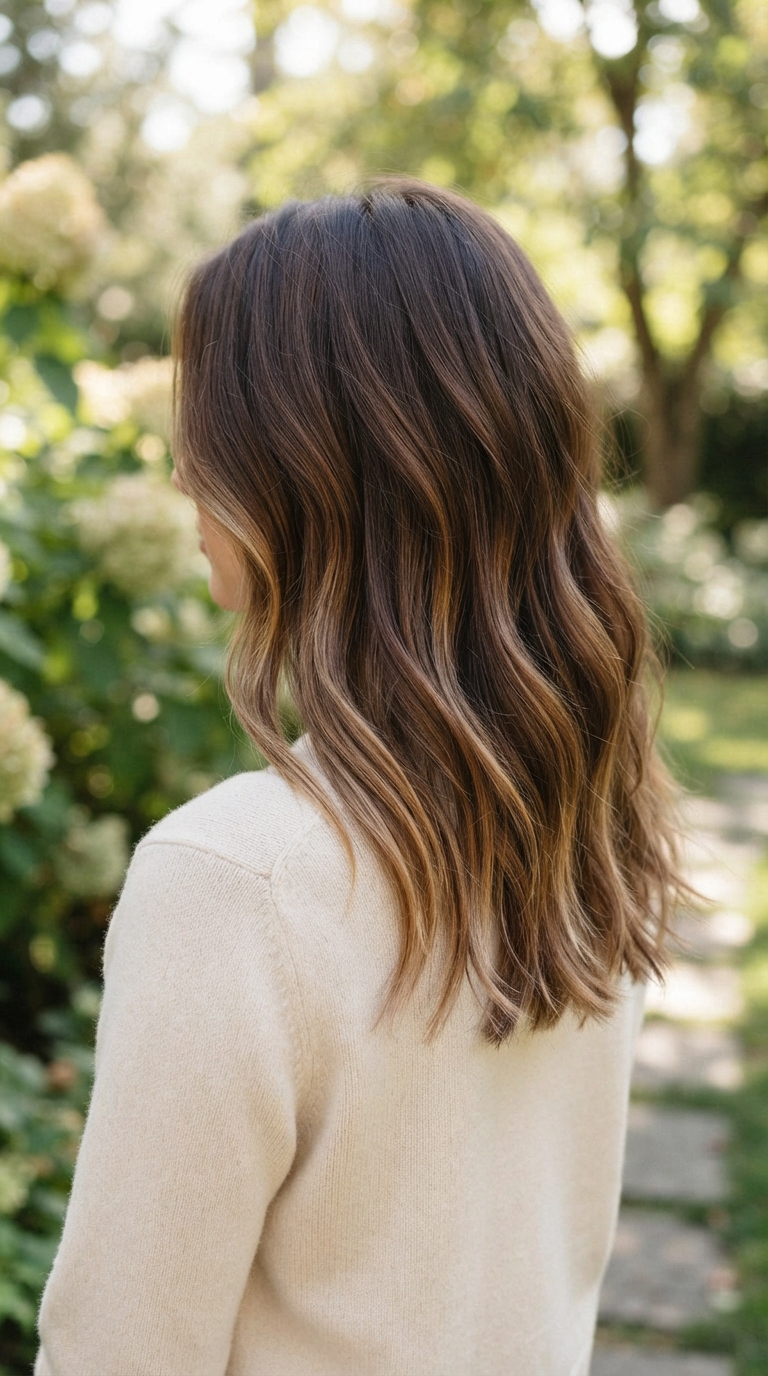
The lived-in brunette is characterized by a natural-looking root shadow that blends seamlessly into slightly lighter mid-lengths and ends, all within a close tonal range. There is no dramatic contrast, no defined piece placement, no obvious evidence of salon work. The color simply looks like exactly what the model’s hair naturally does when it is in optimal condition — which is precisely the achievement.
This is the color technique most often described as “I want my hair to look like I just have great hair naturally.” The colorist who can deliver this is worth their weight in toffee brunette.
Maintenance: The most genuinely low-maintenance brunette approach — the root shadow is intentional, so root growth actually improves the result for the first several weeks rather than degrading it. Appointments every sixteen to twenty weeks for many clients.
Color 19: Peekaboo Brunette With Hidden Color — The Secret Surprise
The peekaboo technique places a vibrant, unexpected color — burgundy, deep plum, copper, or even a bold jewel tone — in the lower layers of a dark brunette base, hidden when the hair is down but revealed in movement, when the hair is lifted, or in a ponytail. It is the color approach for the person who wants to be both the professional brunette and the person with extraordinary hair simultaneously.
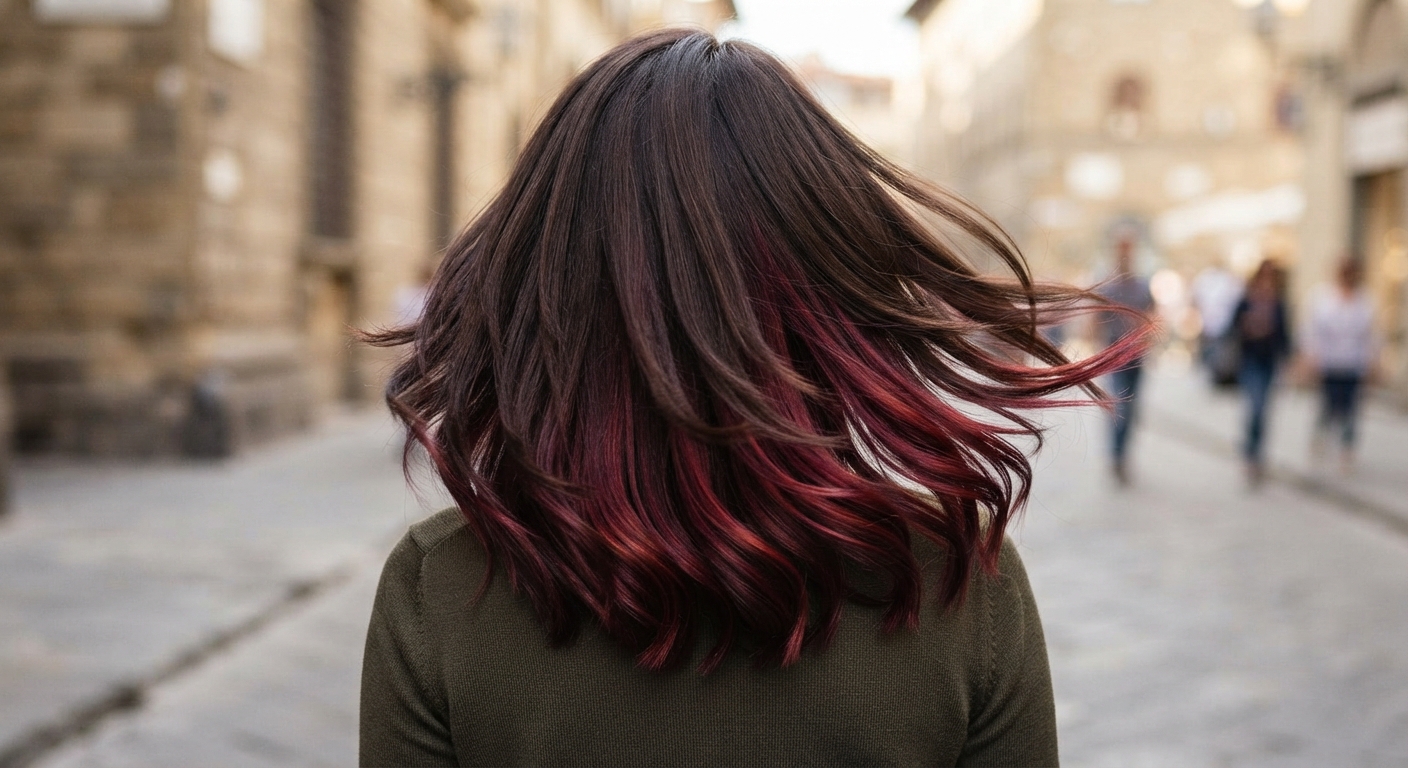
The hidden element can be as subtle (a slightly lighter chocolate in the under-layer) or as bold (a jewel-toned burgundy or plum in the under-layer) as the wearer’s personal aesthetic and professional environment allow. The outer layer always presents as a standard, polished brunette. What happens in movement is between the wearer and the light.
Best for: Anyone in a professional environment where bold color at the surface is inappropriate. Anyone who wants the fun of color play with the practical reality of a conservative primary appearance.
Color 20: Sandy Brown — The Brunette’s Answer to Sandy Blonde
The sandy brown is the lighter end of the brunette spectrum — a cool-to-neutral medium blonde-brown that reads warmer and richer than any blonde but noticeably lighter than a standard brunette. It is the color that allows someone who is “kind of brunette, kind of blonde naturally” to land definitively in the brunette category while maintaining the lightness and warmth that their natural base suggests.
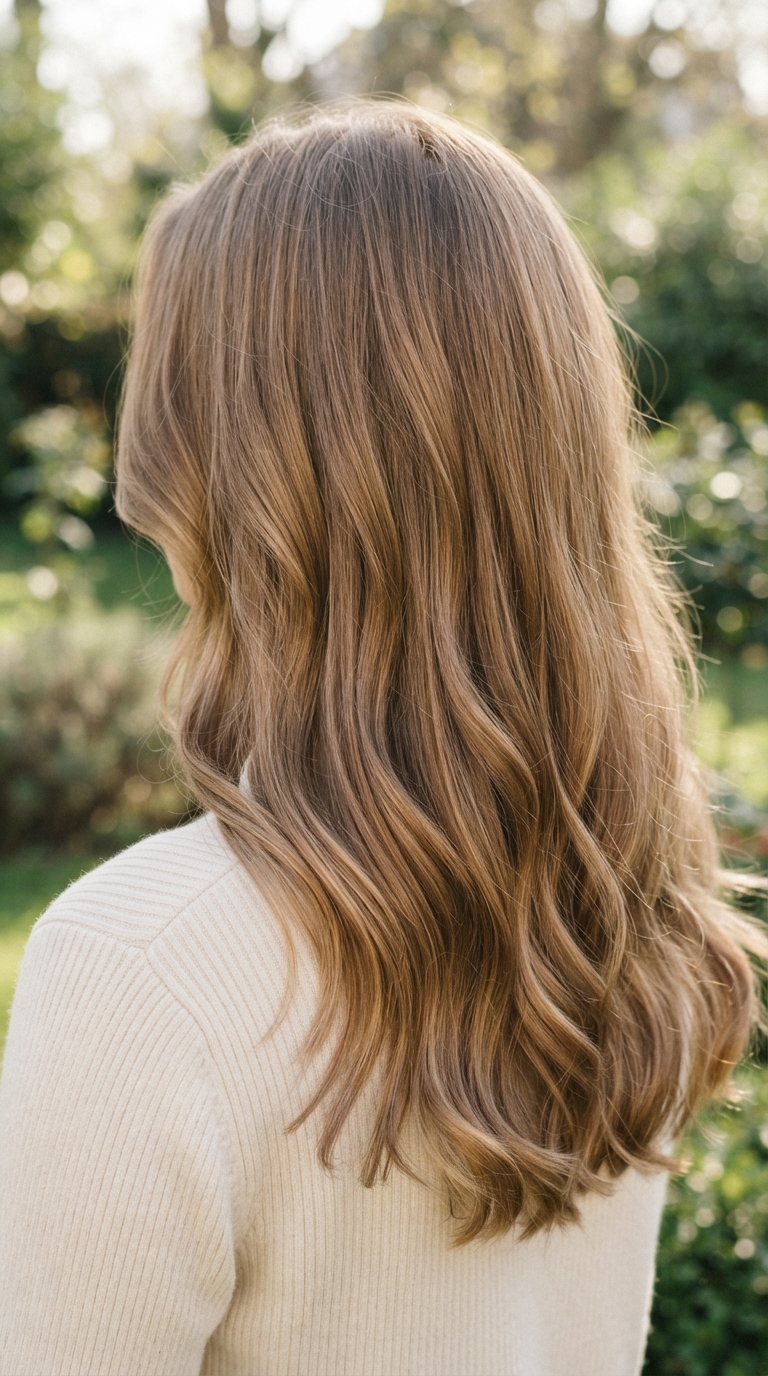
Sandy brown suits the natural brunette who has always been on the lighter end of the spectrum — someone whose natural color is a light to medium brown and who has always wanted something that enhances rather than dramatically changes what they have. The result is gentle, warm, and distinctly beautiful without any significant departure from the natural.
Best for: Natural light brunettes. Warm and neutral undertones. Anyone transitioning from highlights back toward a more natural look.
Color 21: Mahogany — The Red-Brown That Commands Every Room
Mahogany is the darkest and richest end of the red-brown spectrum — deeper than auburn, more intentionally red than chestnut, and more brown than any true red. It is the color of the finest wood furniture, of dark cherries in wine, of the specific deep reddish-brown that appears almost black in shadow but reveals its extraordinary warmth the moment light touches it.
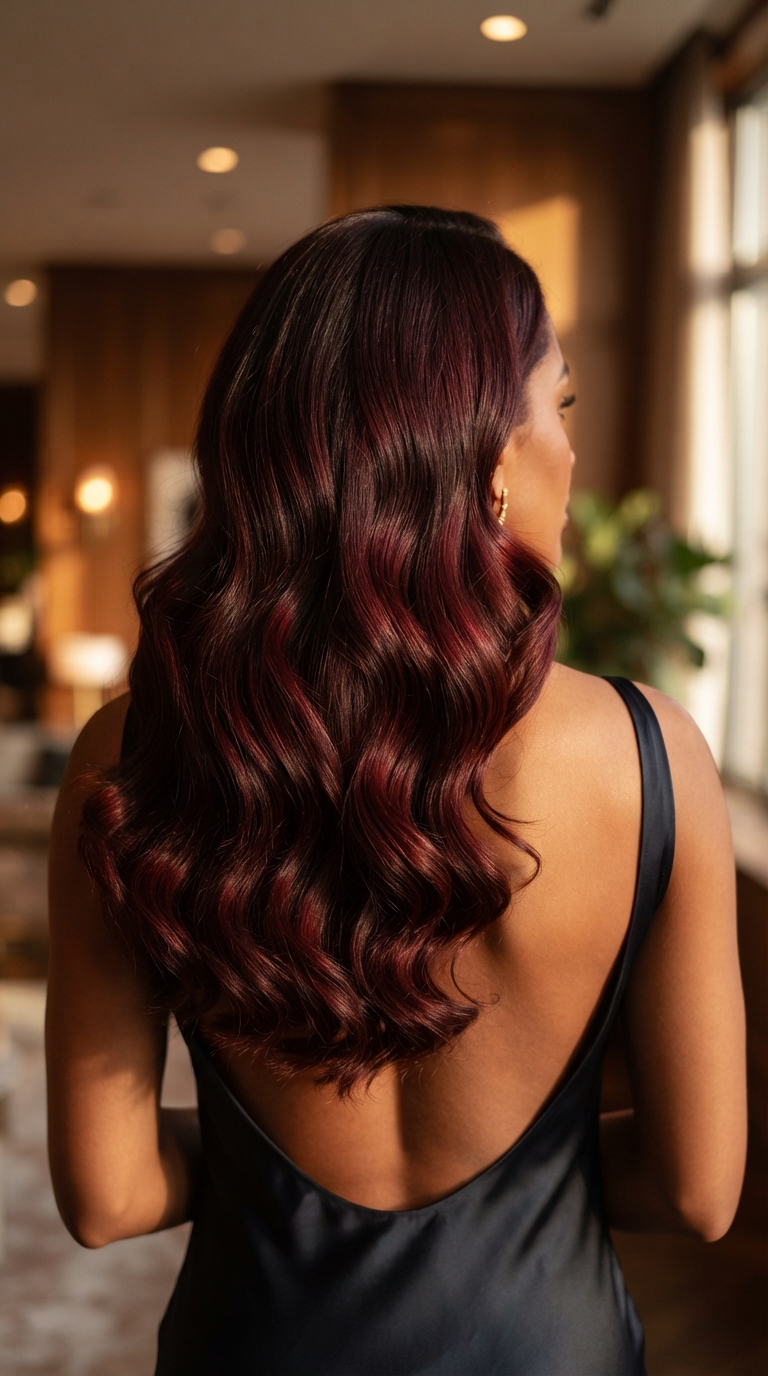
This is the brunette color choice that carries the most presence of any shade on this list. It is not quiet. It is not subtle. And it is not the background color that lets the outfit do the talking. Mahogany is itself the statement — and the complexion tones it flatters most are those warm and rich enough to meet it as an equal rather than being overwhelmed by it.
Best for: Warm undertones. Medium to deep skin tones — mahogany is one of the most flattering hair colors available for deeper complexions, where the red-brown warmth creates extraordinary resonance.
Color 22: Babylights on Brunette — The Most Natural-Looking Highlight Technique
Babylighting is another technique that adds depth. Strips of foil separate sections of hair to apply the color precisely. It’s ideal for more dramatic and defined highlights. But babylights specifically use the very finest possible sections — sometimes as narrow as a single strand — to create a highlight that is so fine and so naturally integrated that it appears as natural variegation in the color rather than as applied highlights at all.
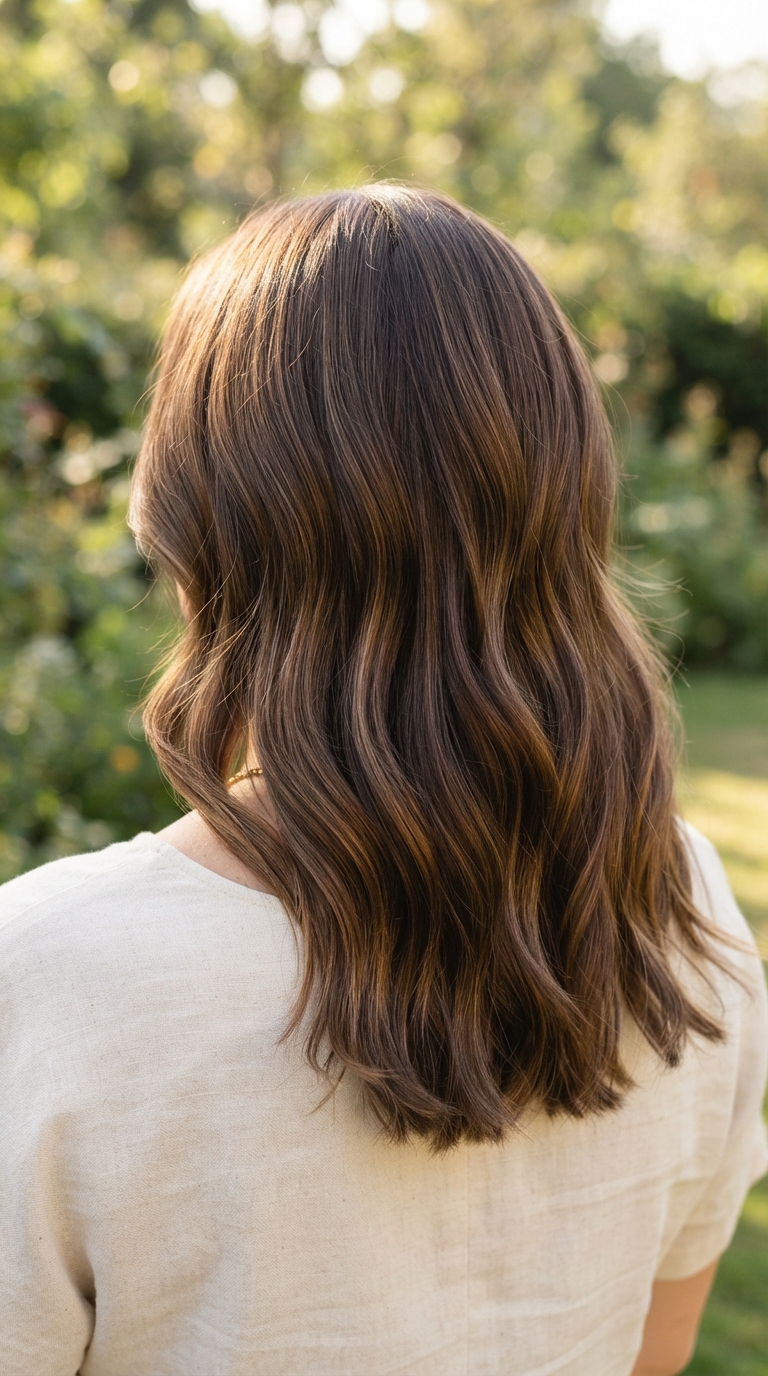
On brunettes, babylights in a toffee-to-caramel range produce the most convincing natural-looking result of any highlighting technique available. The highlights are visible — they add genuine lightness and dimension — but they are present in a way that leads observers to think “her hair is so healthy and dimensional” rather than “she has highlights.” The distinction is the goal.
Best for: Natural brunettes who want the most subtle, natural-reading form of lightening possible. Brunettes who have been told their highlights look “too fake” in the past.
Technique: Very fine sections, using foil or a balayage-adjacent brush technique, placed throughout the hair in a distribution that mimics natural variegation. Takes significantly longer than traditional highlighting — expect two to three hours at the salon.
Color 23: Mocha Mousse — The Color of the Year for Brunettes
The brunette color trends are moving towards warmth, shine, and optical richness, with mocha being one of the most requested colors — and the confirmation of mocha mousse as Pantone’s 2025 Color of the Year has transformed what was already a beloved brunette shade into the definitive hair color trend of the year.
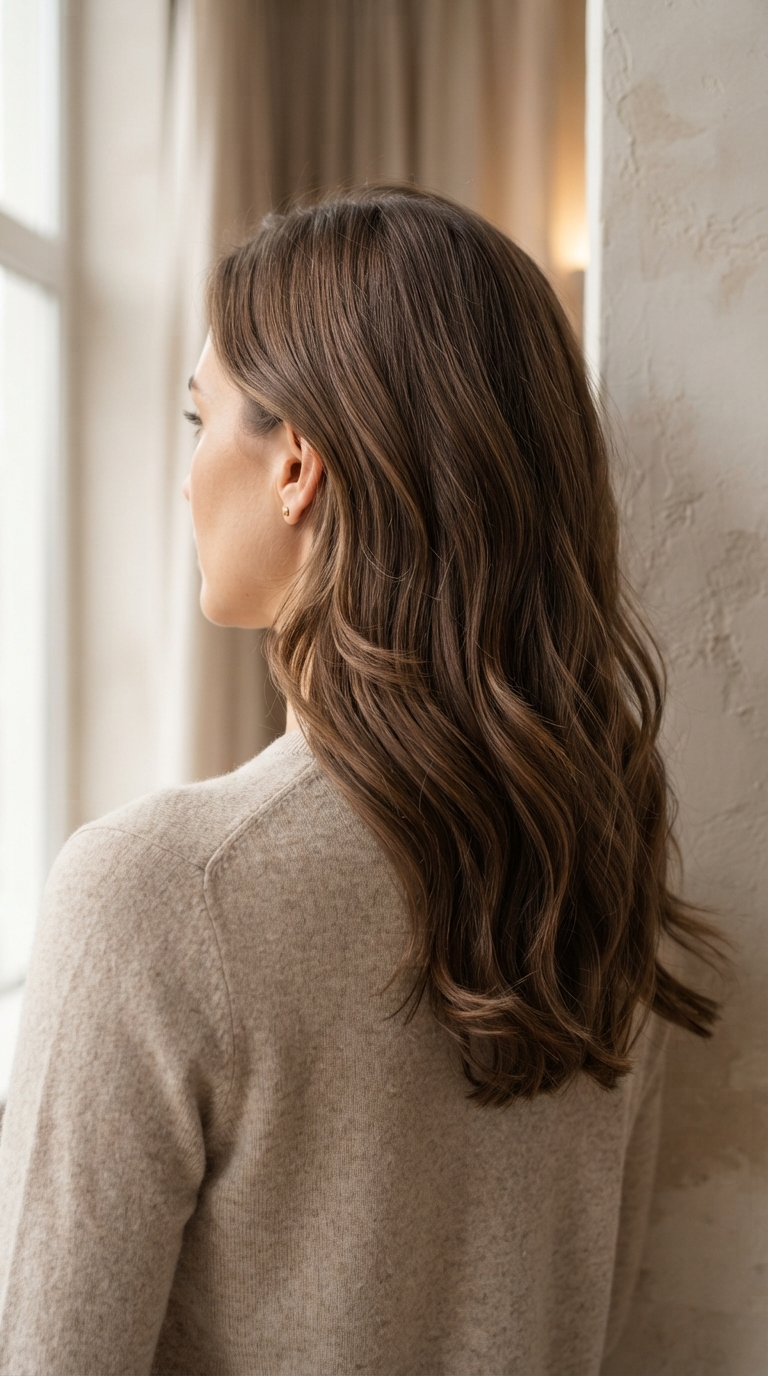
Mocha mousse as a hair color is a medium-warm brown with a specific lightness and airiness that the “mousse” descriptor captures perfectly — it is not dense or heavy like a chocolate brown, not golden like a honey brunette, but something more specific: a warm, slightly airy medium brown that reads as genuinely sophisticated and completely modern. Milky whites and blush layers embody that effortless “I woke up like this” grace. The mocha mousse brunette has a similar quality: the grace of something that appears natural while being specifically, deliberately beautiful.
This is the brunette color for the current moment. It is the color that exists at the intersection of the quiet luxury aesthetic, the clean girl beauty trend, and the broader cultural embrace of warmth and ease over glamour and drama.
Best for: Genuinely universal — warm, cool, and neutral undertones all work. The specific neutrality of mocha mousse is what makes it the closest thing to a universally flattering brunette shade that exists.
How to Choose the Right Brunette Color for Your Skin Tone
The single most impactful factor in brunette hair color selection is the relationship between the hair color’s undertone and the skin’s undertone. The general principle:
Warm skin undertones (golden, peachy, or olive complexions) are enhanced by warm brunette shades: toffee, caramel, chestnut, copper, honey, golden brown, and auburn. These colors create a warm resonance with the complexion that makes both the hair and the skin appear more vibrant.
Cool skin undertones (pink, red, or bluish veining at the wrist) are enhanced by cool brunette shades: ash brown, espresso with cool tones, smoked suede, and chocolate cherry. These colors create a flattering contrast rather than a competing warmth.
Neutral skin undertones have the widest range available — both warm and cool brunette shades can work, with the choice depending on personal aesthetic preference rather than complexion compatibility.
Deciding between warm and cool tones is simpler than it sounds: warm undertones will glow in caramelized browns, chestnut, and mocha with golden hair highlights. Cool undertones lean toward espresso, ash-brown, or neutral mocha with slightly cooler lowlights.
The Techniques That Make Every Brunette Color Better
Balayage: The freehand painting technique that creates the most natural-looking dimension. Best for: caramel, toffee, honey, and bronde results.
Foil highlights: More precise and more consistent piece placement. Best for: babylights, defined caramel pieces, and any result requiring precision.
Glossing: A clear or tinted semi-permanent gloss applied over any brunette color to maximize shine and deepen the tone. The single highest-return maintenance treatment for any brunette — the difference in shine and depth is immediately visible.
Toning: A color-depositing treatment that adjusts the tone of existing color. Used to neutralize brassiness in warm brunettes, to enhance the cool quality of ash brunettes, and to refresh the vibrancy of fading copper and auburn shades.
The brunette hair color conversation has never been richer, more dimensional, or more genuinely exciting than it is right now. Twenty-three colors — from the deepest espresso to the airiest mocha mousse, from the vibrant copper to the hidden mahogany peekaboo — represent the full extraordinary range of what brunette hair can be when it is treated with the intention and artistry it deserves.
Find the color that makes your heart stop a little. Take it to a colorist you trust. And know that whatever brunette shade you choose from this list, you are choosing from the most beautiful category of hair color available in the world right now.
Save this to Pinterest, share it with every brunette you know who has been thinking about a color change, and book the appointment.
The right brunette color genuinely changes everything