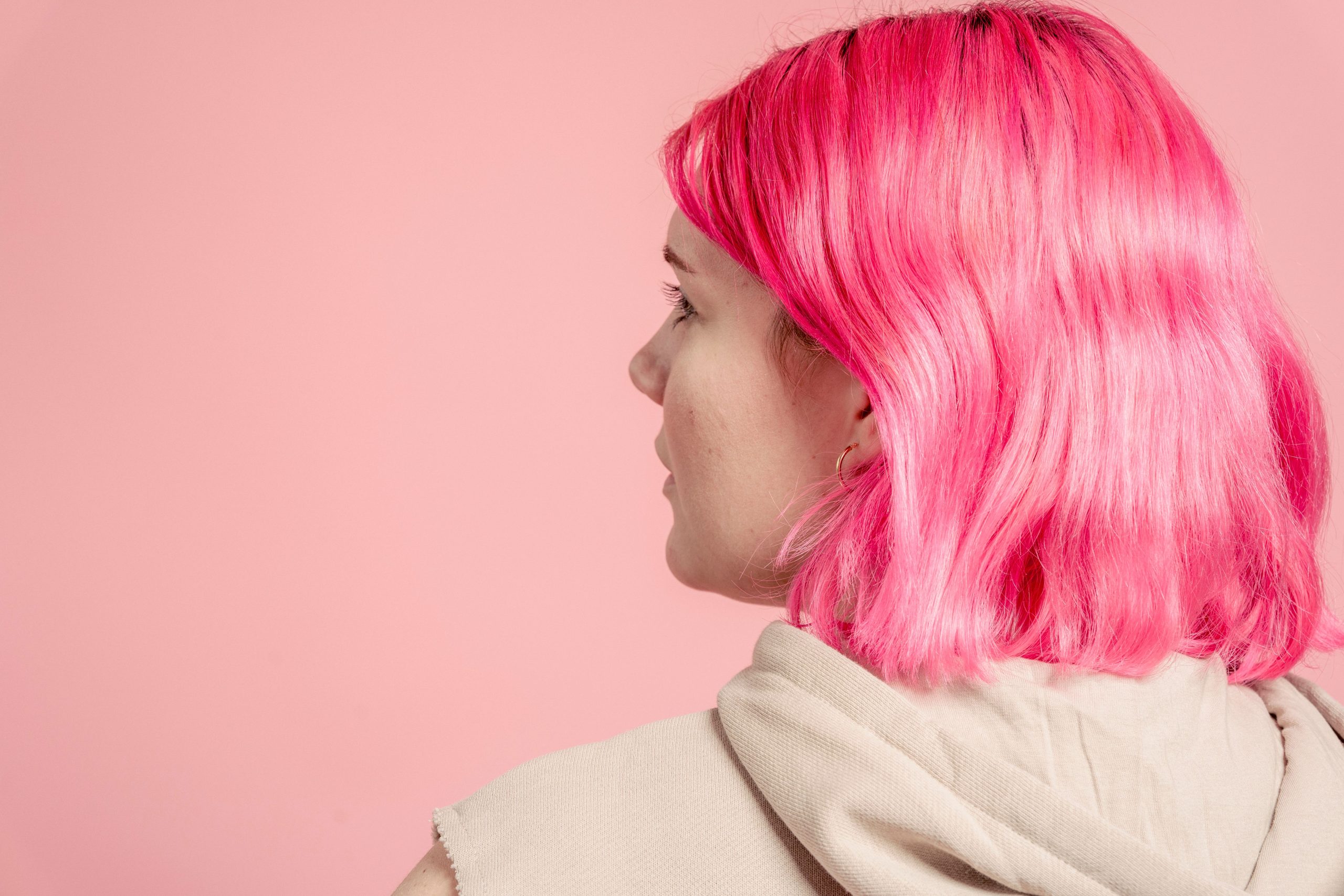
15 Hair Color Ideas for Brunettes That Look Expensive
There’s a specific quality that separates a brunette color that looks expensive from one that just looks brown. It’s rarely about the shade name on the color chart — it’s almost always about dimension. Flat, single-process brown reads as low-effort even when it’s freshly done, while brunette hair with the right depth, placement, and undertone can look like it was styled for a magazine cover on a completely ordinary Tuesday.
The good news is that “expensive-looking brunette” isn’t actually about spending more money at the salon, though a few of these techniques do involve more chair time than a single-process color. It’s about choosing a shade and placement that work with your natural base rather than fighting it, and understanding which specific details — root shadow, face-framing pieces, tonal shifts — are doing the visual work in the brunette colors that consistently get saved and screenshotted.
This guide covers fifteen brunette hair color ideas, organized from the most natural-looking upgrades to the boldest color-forward options, each one explained by exactly what makes it read as high-end rather than simply “brown.” Bring the specific language to your colorist, and know what to expect in terms of maintenance before you commit.
Style 1: Soft Mocha Brunette
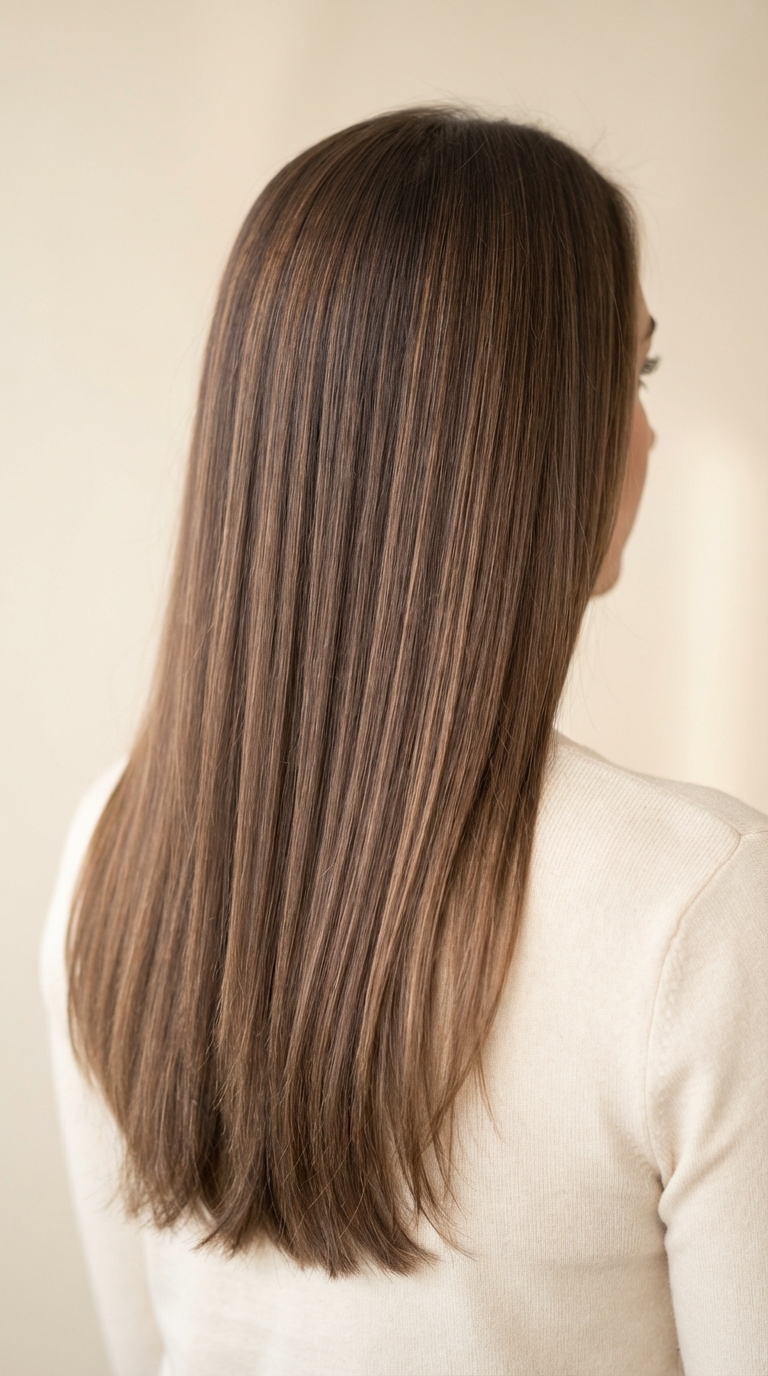
A warm, slightly muted brown with a subtle coffee-and-cocoa undertone, soft mocha sits between a flat, one-dimensional brown and a heavily highlighted style. The depth comes from soft balayage placement woven through the mid-lengths and ends rather than a single flat application, which is what keeps the color from reading as generic “brown box dye” even at a glance.
This shade works on nearly any natural brunette base, and because the balayage technique is designed to blur into natural regrowth, it’s one of the lower-maintenance options here — a genuine advantage for anyone chasing the expensive look without the expensive upkeep schedule.
Best for: Anyone wanting a subtle upgrade from their natural brunette rather than a dramatic change. Medium to deep skin tones.
Maintenance reality: Root touch-ups every 8–10 weeks; the soft placement means regrowth is genuinely forgiving between appointments.
Style 2: Chocolate Cherry Brunette
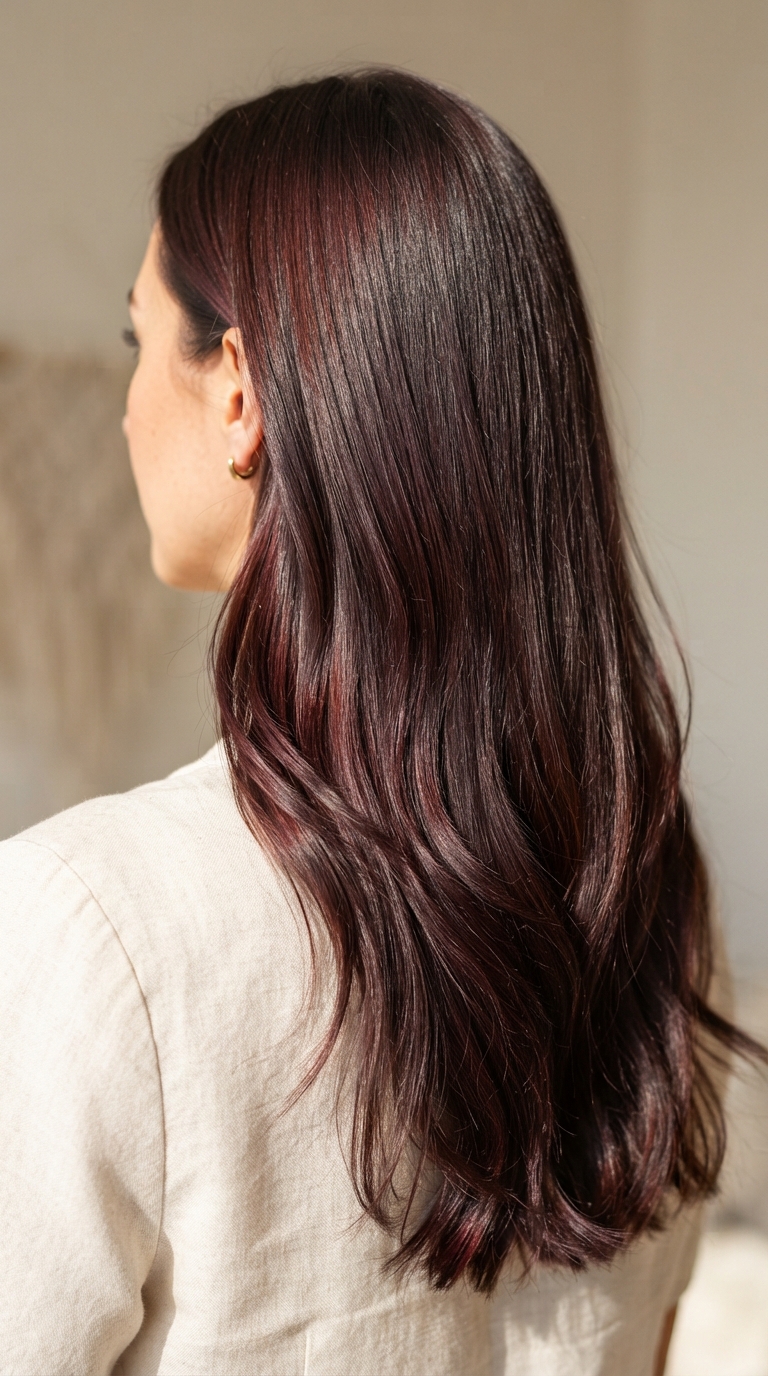
A deep brunette base with a subtle reddish-plum undercurrent that only fully reveals itself in direct or bright light, chocolate cherry reads as a rich, near-black brown indoors and shifts toward a deep red-brown outdoors. That color-shifting quality is precisely what makes this shade photograph so well — it never looks static or one-note the way a flat espresso brown can.
Because the effect comes from tone rather than lightening, this color requires relatively minimal upkeep for how dramatic and rich it looks, making it one of the better “high-impact, low-effort” options on this list.
Best for: Deeper natural brunette bases. Anyone wanting richness and depth without going lighter.
Maintenance reality: A gloss refresh every 6–8 weeks keeps the red-plum undertone vivid; the base color itself grows out gracefully.
Style 3: Golden Balayage on Natural Brown
Hand-painted, sun-swept golden blonde pieces placed over a natural brown base, concentrated through the mid-lengths and ends rather than starting at the root, create the kind of brightness most associated with well-maintained, salon-cared-for hair. This is one of the most durable and low-maintenance techniques on this entire list, since the soft, painted placement grows out with almost no visible line.
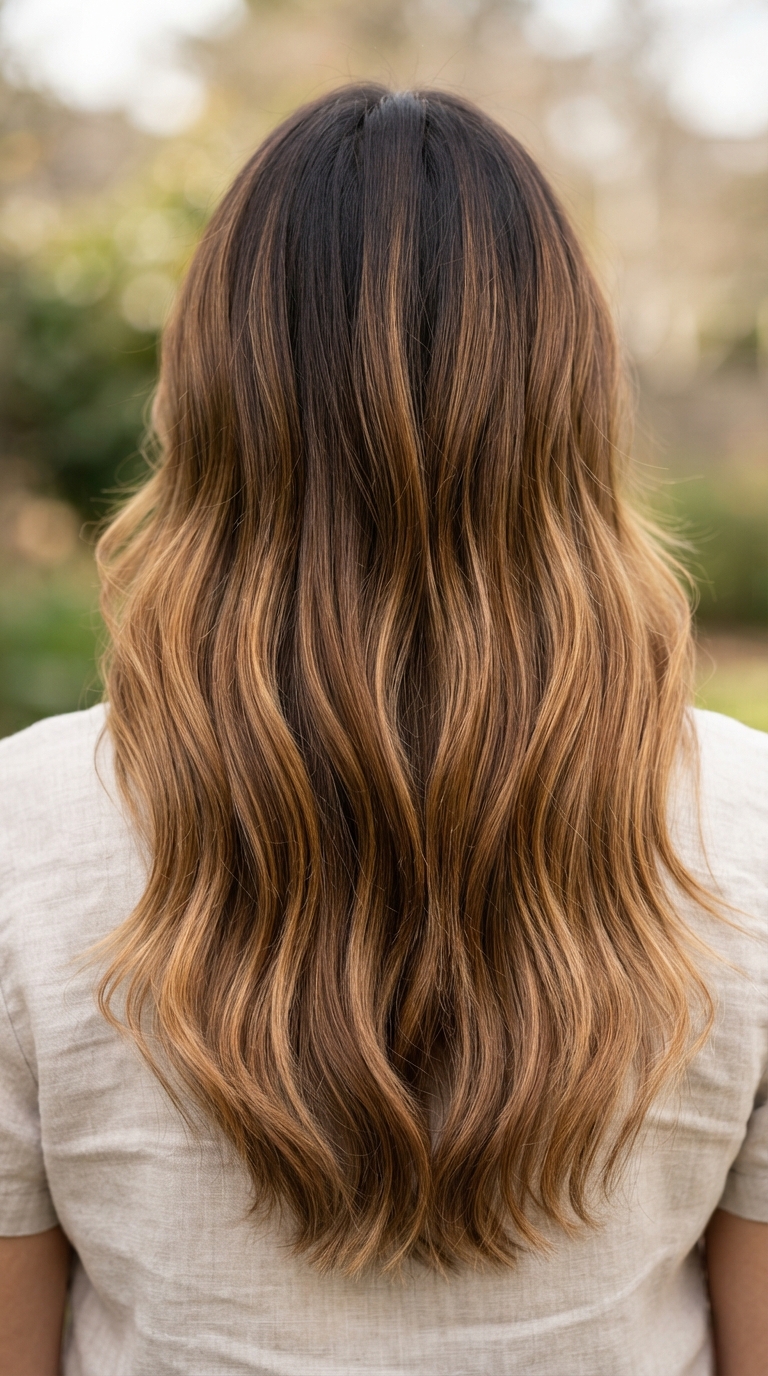
The expensive-looking quality here comes specifically from restraint — the highlights are concentrated where light naturally hits the hair rather than applied uniformly, which is what separates balayage from a flatter, more obvious highlight job.
Best for: Anyone wanting meaningful brightness without committing to an all-over blonde process.
Maintenance reality: One of the lowest-maintenance color techniques available; touch-ups every 10–12 weeks are typical.
Style 4: The Money Piece for Brunettes
A concentrated section of lighter, brighter color framing the face against an otherwise deeper brunette base delivers brightness exactly where it shows most — in photos and in person — without lightening the whole head. This remains one of the most requested partial-color techniques specifically because it delivers a visually significant change for a fraction of the maintenance and cost of full highlights.
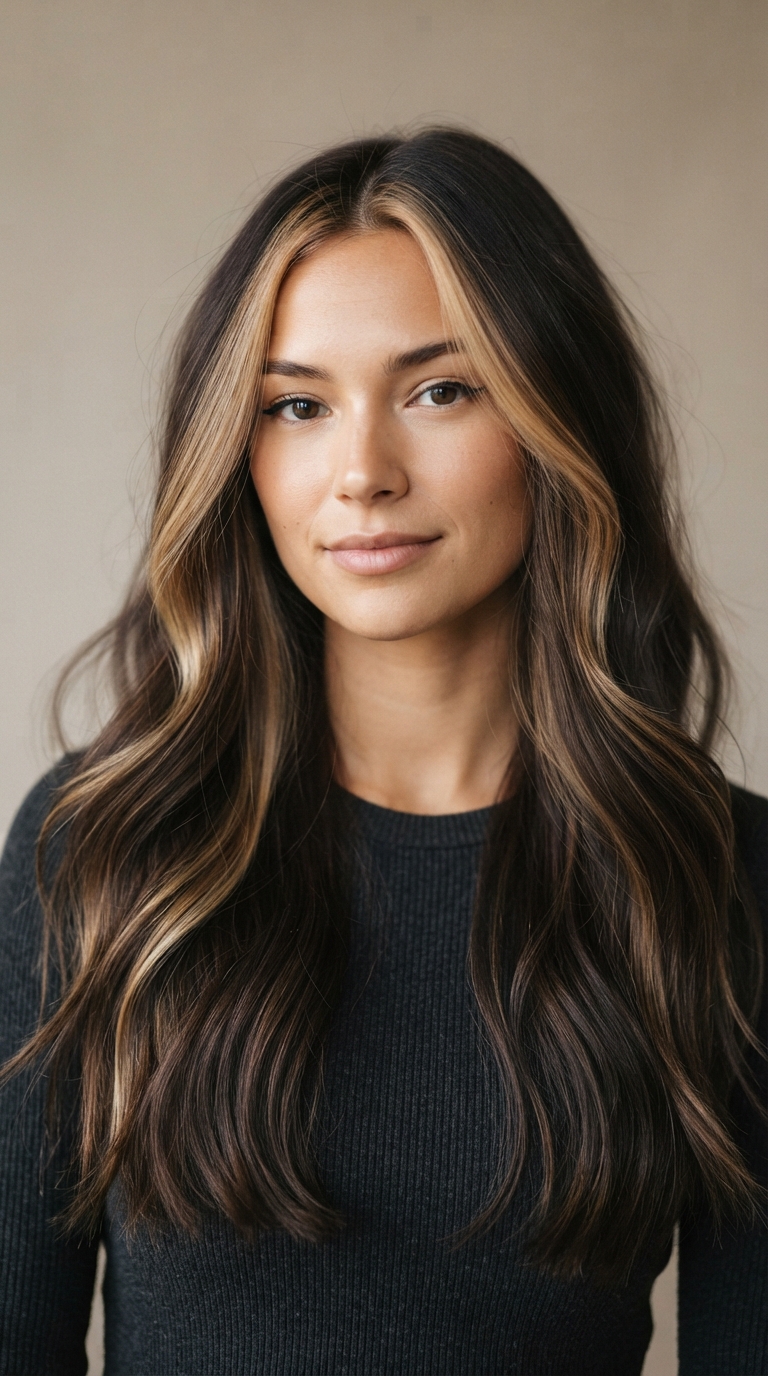
The reason this reads as expensive rather than simply “highlighted” is placement precision: the color is concentrated at the face-framing sections where a colorist has deliberately considered how it interacts with your specific features, rather than scattered throughout.
Best for: Nearly every brunette base shade. Anyone wanting a noticeable change with minimal ongoing commitment.
Maintenance reality: Touch-ups every 10–14 weeks; one of the most cost-effective techniques on this list per salon visit.
Style 5: Warm Chestnut Brown
Slightly redder and richer than mocha, chestnut brown carries a warm reddish-brown undertone that photographs beautifully in both indoor and outdoor light. It’s become one of the season’s most requested all-over or near-all-over brunette shades because it reads as rich without veering into a stark, flat black-brown that can look heavy or dated.
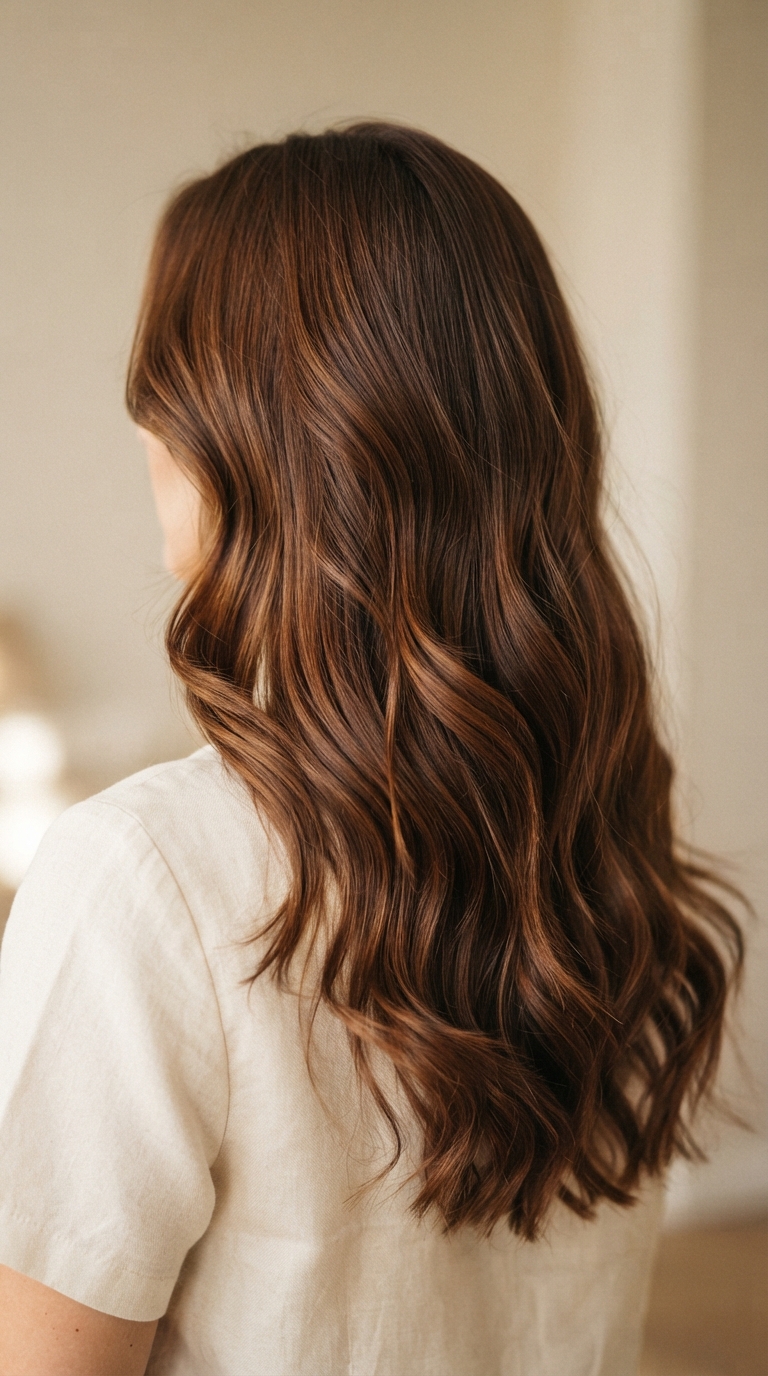
This shade suits medium-to-deep skin tones especially well, and because minimal lightening is involved, it tends to require touch-ups only every 8–10 weeks.
Best for: Anyone wanting a warm, rich, all-over brunette that doesn’t require ongoing highlight maintenance.
Maintenance reality: Root touch-ups every 8–10 weeks; a very approachable single-process option.
Style 6: Root Smudge With Soft Ends
A deliberately soft, smudged transition between a deeper natural root and lighter mid-lengths and ends — rather than a crisp, defined line — is a technique built specifically to minimize how often color needs touching up. The blurred transition means regrowth simply extends the soft gradient rather than creating a visible demarcation, which is exactly the kind of detail that makes hair color look considered rather than grown-out.
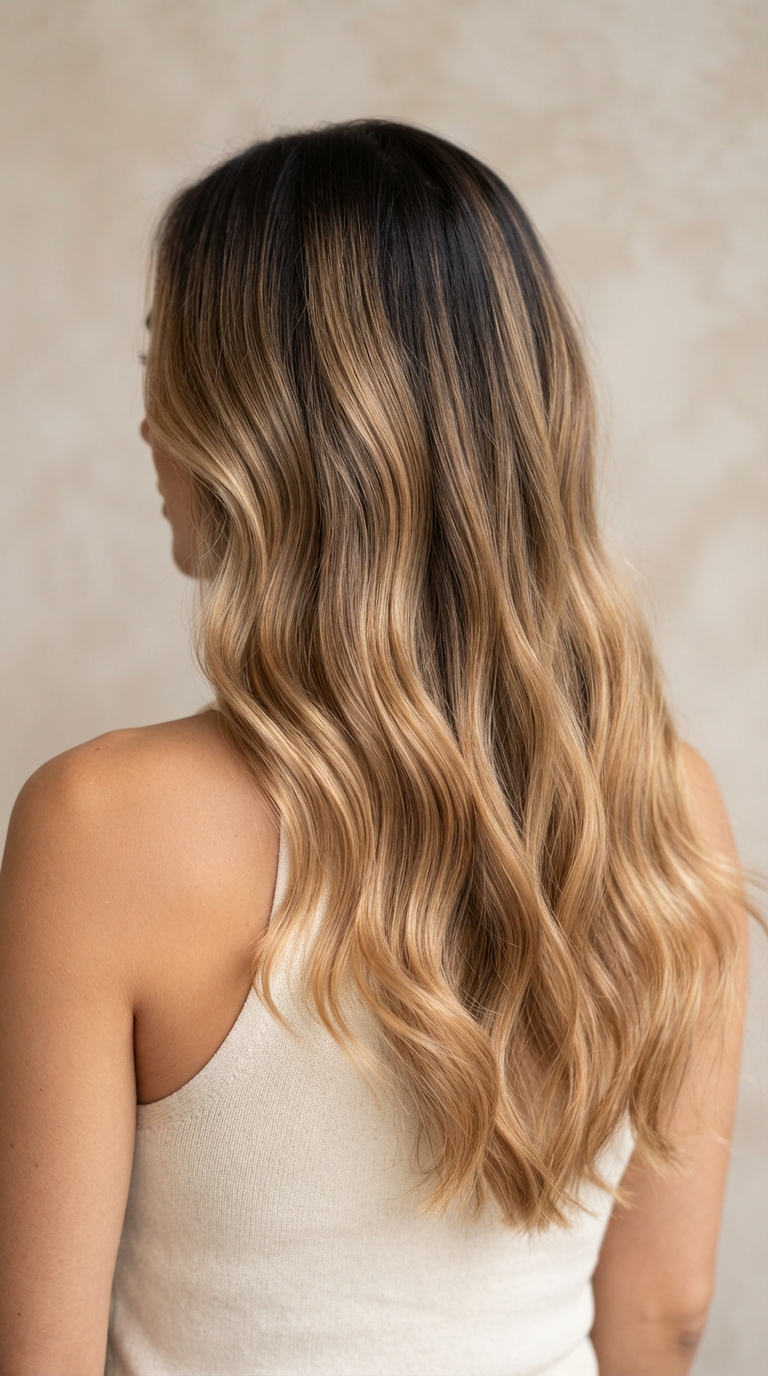
This technique pairs with almost any base brunette shade and is particularly popular among people who want noticeably lighter ends without a frequent root maintenance schedule.
Best for: Anyone wanting lighter ends without the commitment of frequent root appointments.
Maintenance reality: One of the most forgiving techniques for grow-out; appointments every 10–12 weeks are common.
Style 7: Sun-Kissed Natural Brunette (Babylights)
Extremely fine, subtle highlights placed throughout the hair — babylights — mimic the way hair naturally lightens from sun exposure, creating soft, barely-there dimension rather than distinct highlighted pieces. This technique defines a certain category of “expensive brunette” specifically because it’s the opposite of dramatic: the goal is for people to ask if you’ve been somewhere sunny, not to notice you’ve had your hair colored at all.
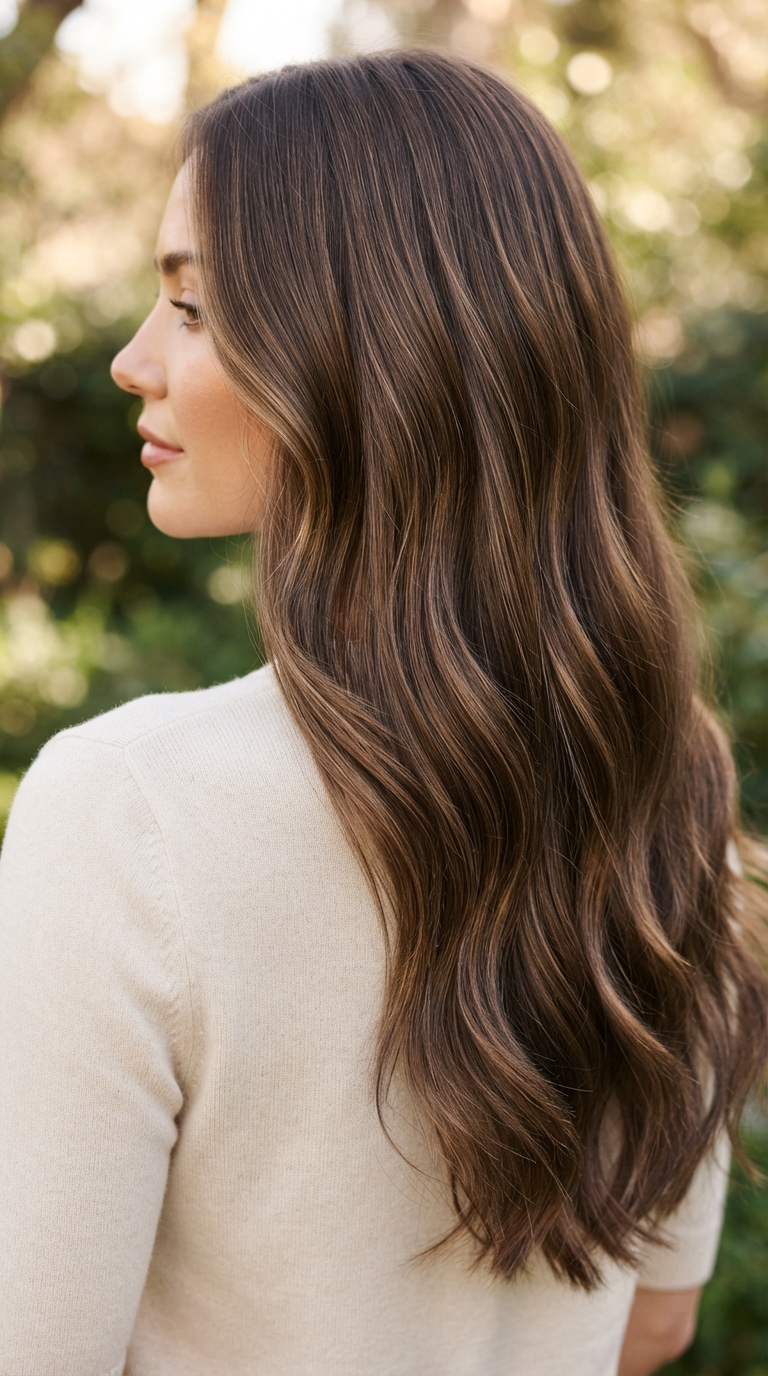
Because the highlights are fine and softly placed, regrowth is barely noticeable for months, which makes this one of the more cost-effective high-end techniques over the course of a year.
Best for: Brunettes who want brightness around the face without changing their overall depth.
Maintenance reality: Can often go 3–4 months between appointments due to the extremely soft placement.
Style 8: Caramel Balayage on Brunette
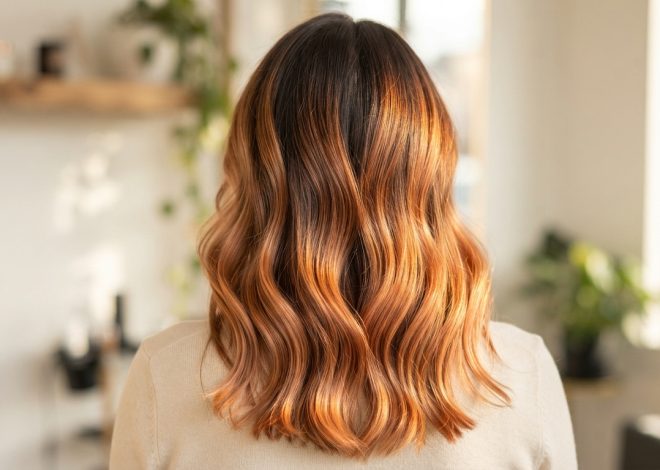
Warm caramel tones hand-painted through a brunette base in soft, sun-swept placement give brightness and richness without the stark contrast of traditional foiled highlights. This remains one of the most consistently requested balayage color combinations because caramel sits close enough to most natural brunette bases that regrowth blends rather than creating an obvious line.
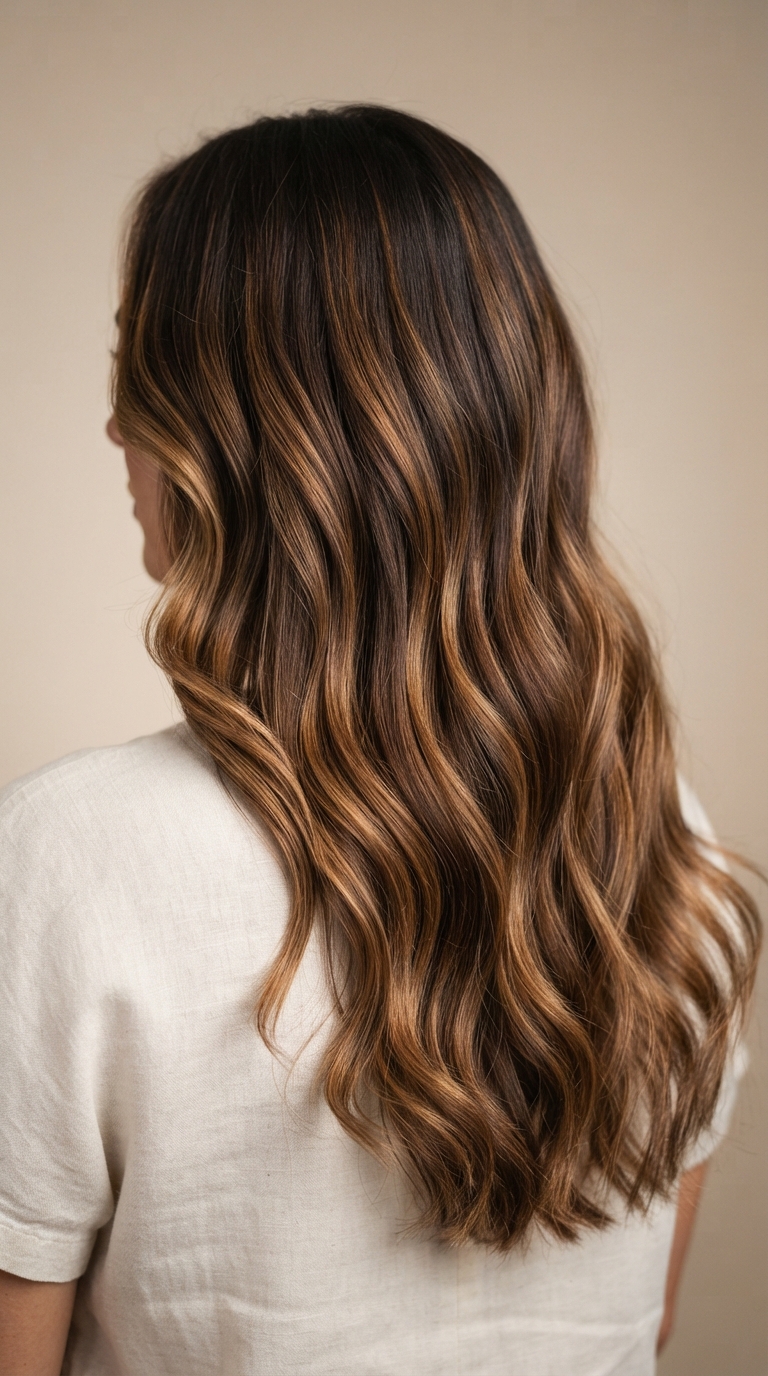
The expensive quality of this look comes from the tonal harmony between the caramel and the base — nothing about it reads as a stark, separate process, which is exactly the effect that a skilled colorist is working to achieve.
Best for: Warm-toned brunettes wanting richness and brightness that photographs beautifully in golden-hour or indoor warm lighting.
Maintenance reality: Touch-ups every 10–12 weeks; among the most forgiving techniques for busy schedules.
Style 9: Deep Espresso With a Glass-Like Gloss
An intensely deep, near-black brunette finished with a clear or subtly tinted gloss treatment takes the darkest end of the brunette spectrum and gives it the kind of mirror-like shine that reads as genuinely luxurious rather than simply dark. The gloss is doing significant visual work here — deep brunette without shine can look flat, while the same color with a glass-like finish looks intentional and high-end.
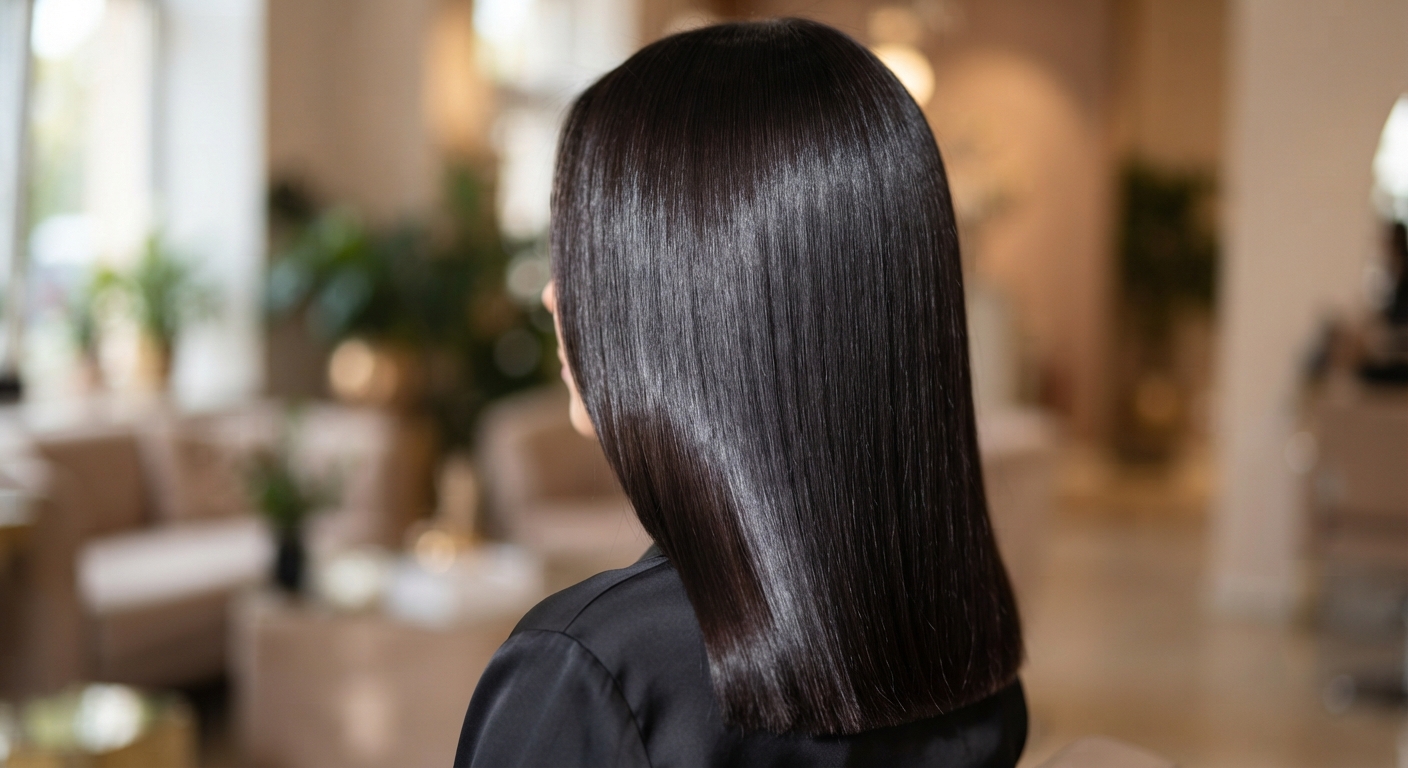
This is one of the simplest ways to elevate an existing dark brunette without any lightening at all, which makes it appealing to anyone protective of their hair’s natural darkness and health.
Best for: Anyone with a naturally deep brunette base wanting maximum richness and shine without lightening.
Maintenance reality: Gloss treatments every 6–8 weeks maintain the shine; no root touch-up needed since there’s no lightening involved.
Style 10: Bronde (Brown-Blonde Blend)
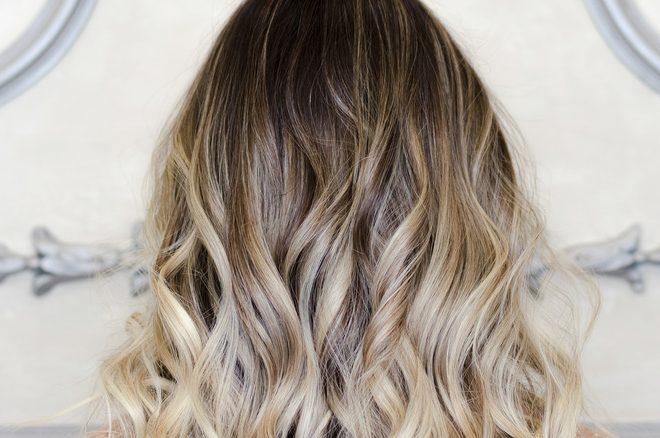
A deliberate blend sitting exactly between brown and blonde, bronde uses soft, blended lowlights and highlights throughout so the overall effect reads as a completely custom, in-between shade rather than a definitive brunette or blonde. The custom quality is the whole point — bronde can’t be replicated with a single box color, which is precisely why it photographs as more considered and higher-end than either pure brunette or pure blonde alone.
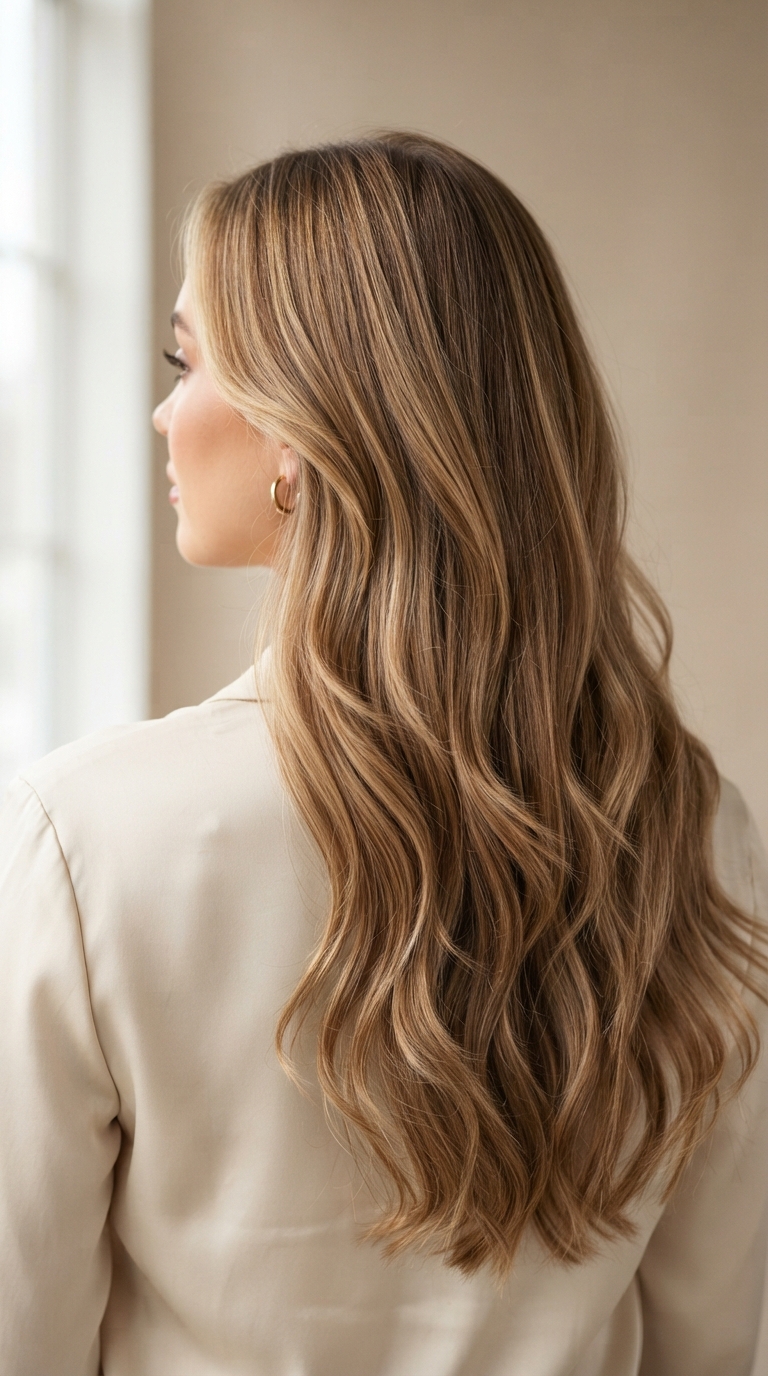
It suits people who find a single-process color too flat and want visible movement and depth without the higher-maintenance demands of committing fully to blonde.
Best for: Anyone who wants dimensional movement and doesn’t want to commit fully to either brunette or blonde.
Maintenance reality: Touch-ups every 8–10 weeks; more involved than a single-process color but less demanding than full blonde upkeep.
Style 11: Cool-Toned Ash Brown
A brown with a distinct cool, ash-grey undertone rather than warmth, ash brown offers an alternative to the warmer brunette trends dominating much of this list, appealing especially to people who find warm brown tones clash with their coloring. On the right cool-toned complexion, this shade reads as sleek and editorial in a way warm browns simply can’t replicate.
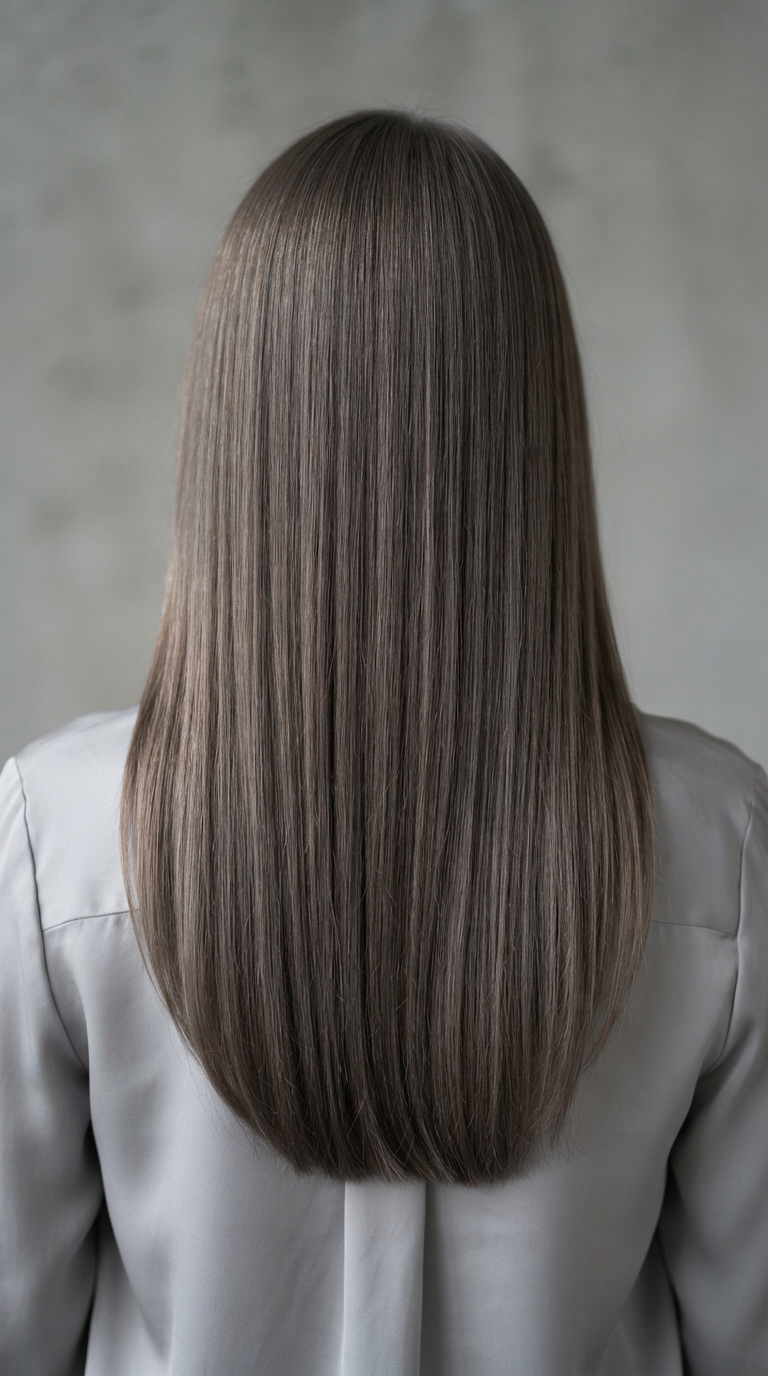
This color does require periodic toning to maintain the cool cast, since brown shades naturally tend to warm up as they fade, but on the right person it’s one of the most striking options in this entire guide.
Best for: Cooler skin undertones specifically; a strong pivot away from the warm-toned brunette trends if warmth doesn’t suit your coloring.
Maintenance reality: Toning appointments every 6–8 weeks to maintain the cool cast and prevent warming.
Style 12: Dimensional Brunette With Face-Framing Contour
Rather than a single all-over technique, this look layers subtle lowlights underneath a brunette base with slightly lighter, face-framing pieces at the front — essentially using color the way a makeup artist uses contour, to sculpt and define rather than simply cover. The dimensional layering is what elevates this beyond a standard color job into something that reads as deliberately styled.
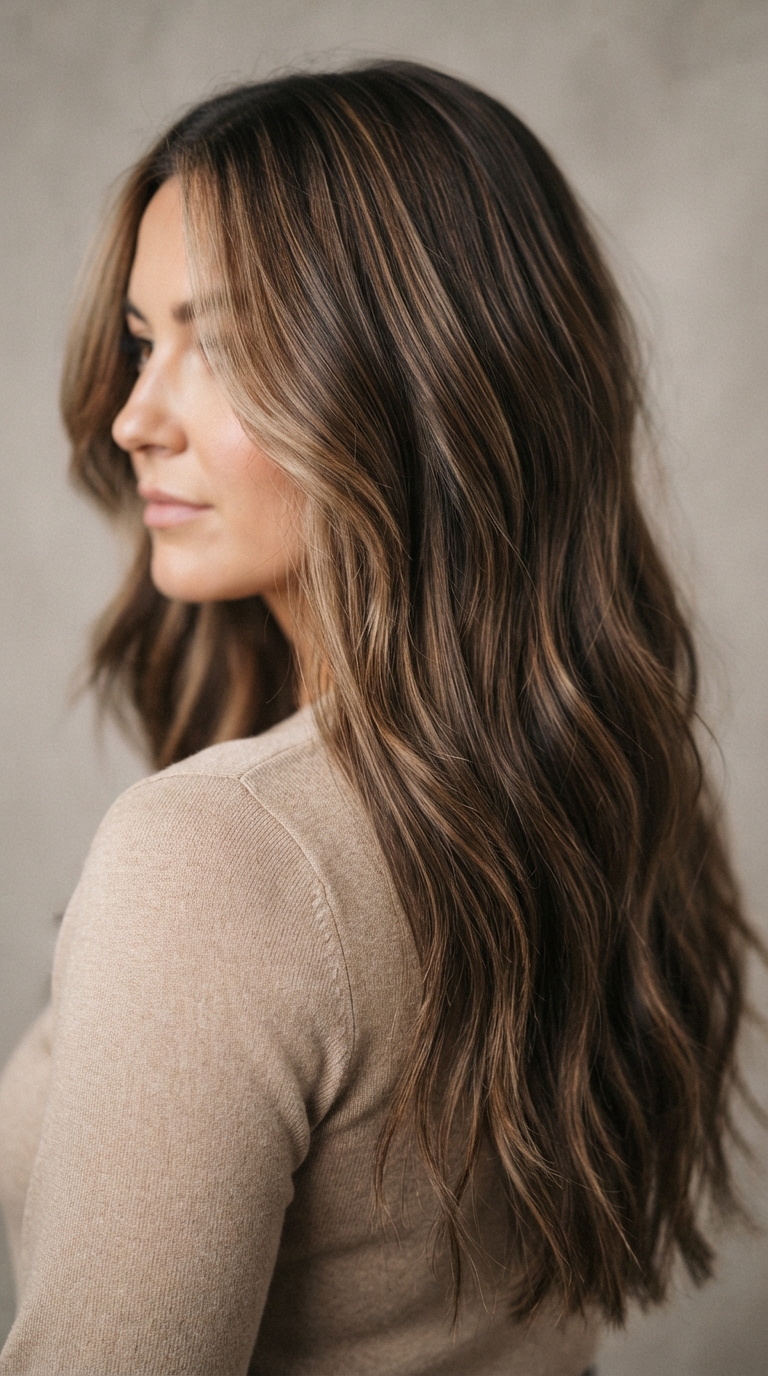
This is a more involved, colorist-dependent technique than several others on this list, since it requires genuine skill in placement rather than a uniform application, but the result is one of the most sophisticated-looking brunette options available.
Best for: Anyone wanting a genuinely custom, sculpted color rather than a straightforward single or two-tone process.
Maintenance reality: More involved initial appointment; touch-ups every 8–10 weeks to maintain the contoured effect.
Style 13: Soft Bronde Lob With Glossy Finish
Combining the bronde color technique with a fresh, high-shine gloss finish and a lob-length cut creates a look where color, cut, and finish are all working together toward the same polished, expensive impression. The glossy finish in particular amplifies the dimensional color underneath, making the blend between brown and blonde look more deliberate and less like uneven fading.
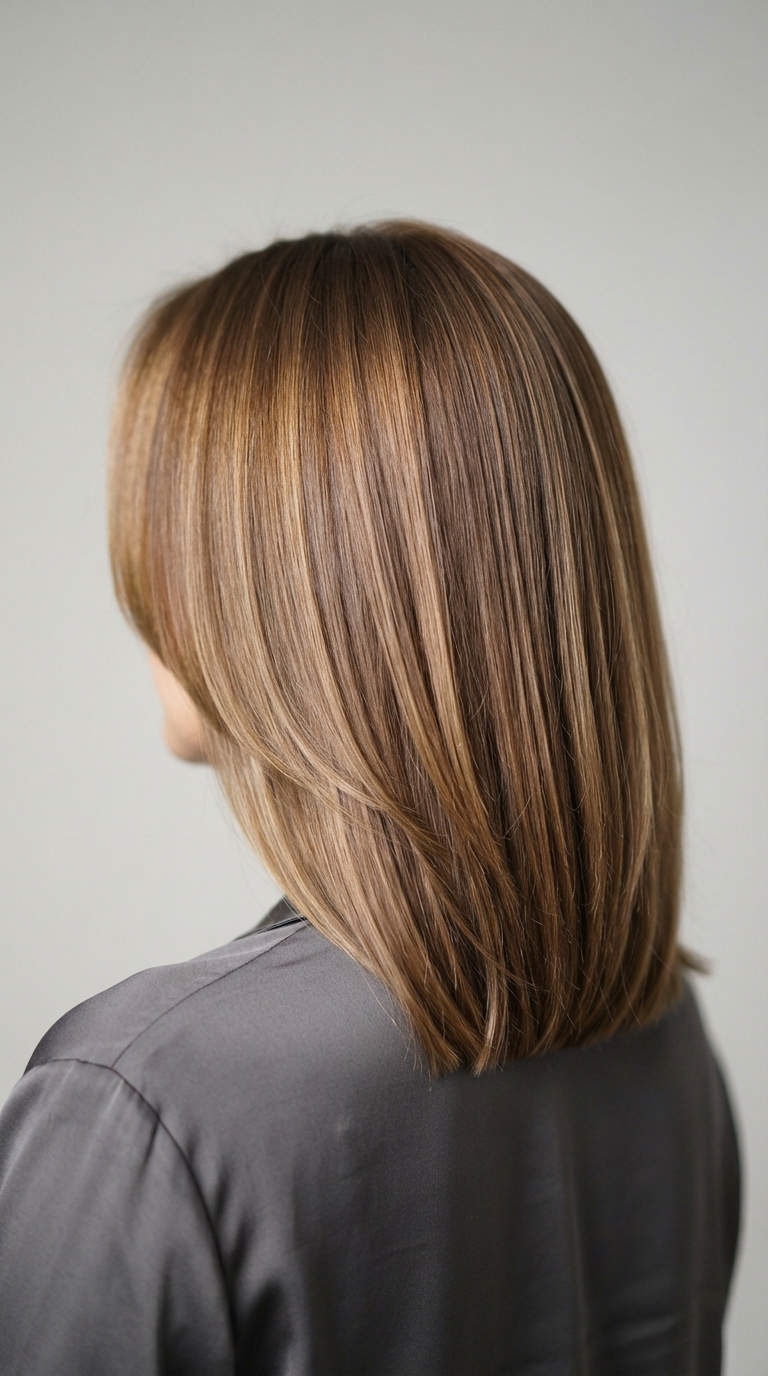
This combination tends to photograph exceptionally well specifically because shine reflects light in a way that emphasizes the tonal variation rather than flattening it.
Best for: Anyone considering a length change alongside a color update; a strong “fresh start” combination.
Maintenance reality: Touch-ups every 8–10 weeks; a fresh gloss between color appointments keeps the shine looking salon-fresh.
Style 14: Rich Auburn Brunette
A deep brunette base with a genuine auburn undertone — more red than chocolate cherry, but still rooted in brown rather than a true red — offers warmth and richness that reads as sophisticated rather than costume-like. This shade tends to work exceptionally well through fall and winter, when its warmth feels seasonally appropriate, and it photographs with a glow that flatter, cooler browns don’t always achieve.
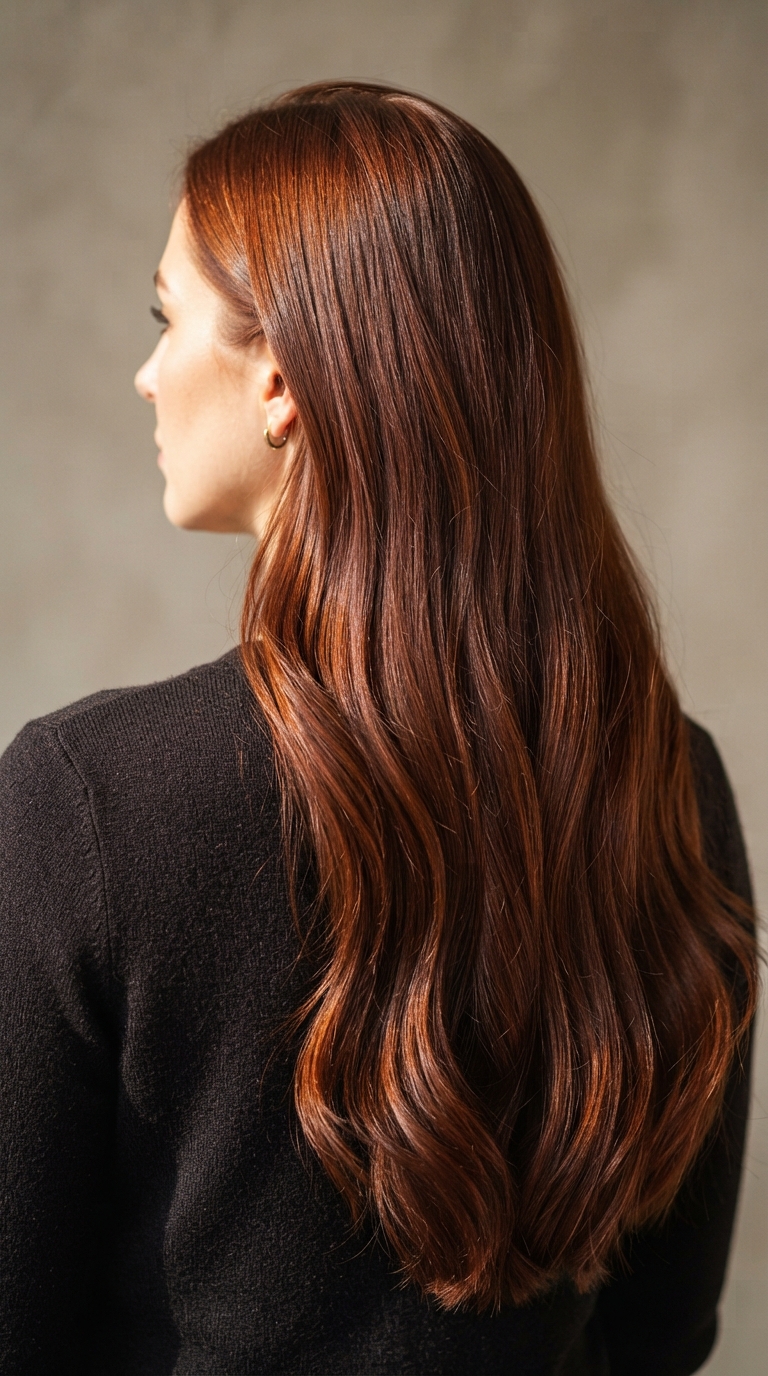
Because the color relies on tonal depth rather than significant lightening, it’s a relatively low-commitment way to introduce noticeable warmth into an existing brunette base.
Best for: Warm undertones; anyone wanting a red-adjacent shade without fully committing to red hair.
Maintenance reality: Gloss refreshes every 6–8 weeks to maintain vibrancy; minimal root maintenance required.
Style 15: Soft Blended Gray Coverage for Brunettes
Rather than fully covering gray hair with a flat, uniform brunette color, this technique blends gray strands into surrounding natural color using soft, strategically placed highlights and lowlights, so the gray reads as intentional dimension rather than something being hidden. This has become one of the most quietly sophisticated approaches to brunette color, appealing to anyone who wants a polished, coordinated look during a gray transition rather than a stark, obvious dye job.
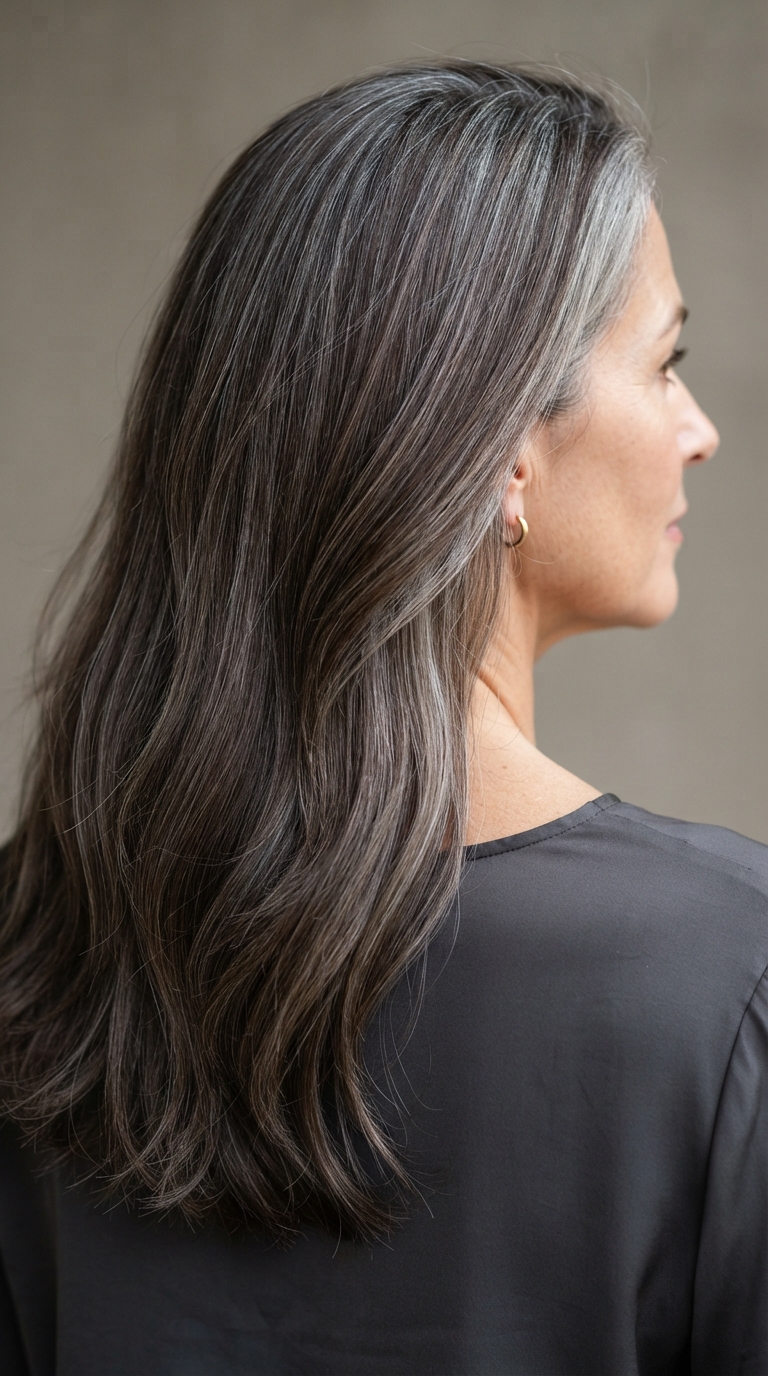
Because the blending technique itself accommodates new growth more gracefully than flat gray coverage, this approach generally requires less frequent touch-ups than a traditional full-coverage brunette color.
Best for: Anyone with visible gray who wants a sophisticated, dimensional approach rather than full coverage.
Maintenance reality: Touch-ups every 10–12 weeks; more forgiving than flat gray coverage, which typically needs monthly appointments.
How to Ask Your Colorist for the Right Shade
Bring reference photos rather than just a color name — “chestnut,” “mocha,” and “espresso” all mean something slightly different depending on who you ask, and a photo removes the ambiguity entirely. If low maintenance matters to you as much as the final result, say so explicitly and ask your colorist to recommend a placement technique (balayage, root smudge, babylights) rather than a shade alone, since technique affects how gracefully the color grows out just as much as the color choice itself does.
If you’re transitioning from a previous color — especially something significantly lighter or more processed — mention that upfront. It affects both what’s realistically achievable in a single session and how your colorist will sequence the appointment to protect your hair’s health along the way.
Maintaining an Expensive-Looking Brunette
The single biggest factor in whether a brunette color continues to look high-end between appointments is shine, not just color accuracy — a color-safe shampoo and conditioner, minimal heat styling, and a gloss refresh when your colorist recommends it will do more for the “expensive” impression than almost anything else. Sun exposure and chlorine both affect brunette tones over time, gradually pulling warmer shades toward brassy or duller shades toward flat, so a UV-protectant leave-in product is worth the small daily habit if you spend significant time outdoors.
For any technique involving lightened pieces — balayage, babylights, the money piece — a purple or blue-toned toning shampoo used once a week helps keep the lightened sections from drifting warm between salon visits.
Choosing the Right Shade for You
If you want a noticeable change but can’t commit to salon visits more than every couple of months, prioritize the low-maintenance techniques — root smudge (Style 6), balayage (Style 3, Style 8), or babylights (Style 7) — over anything that starts precisely at the root. If your priority is richness and depth without any lightening at all, chocolate cherry (Style 2) or deep espresso with gloss (Style 9) deliver maximum visual impact with minimal upkeep.
And if you’re drawn to something more custom and sculpted, the dimensional face-framing technique (Style 12) is worth the more involved appointment — it’s the option on this list most likely to look genuinely different from anything you could achieve with an at-home color kit.
Closing Thoughts
The brunette hair colors that consistently read as expensive share one thing in common: dimension that a colorist’s hands created, not a flat process straight from a box. Whether that’s a barely-there babylight or a fully sculpted, multi-tonal color, the details that separate “brown” from “brunette that looks like it belongs in a salon ad” are almost always about depth, placement, and shine working together.
Save this guide, bring the specific technique language to your next color appointment, and ask your colorist which of these fifteen shades will work best with your natural base.