


20 Everyday Habits for Healthy-Looking Skin
Healthy-looking skin is often marketed as something you can buy in a bottle. There is always another serum promising glass skin, another mask promising overnight radiance, another supplement positioned as the missing piece in your routine, or another complicated skincare trend insisting that several additional steps are necessary before your complexion can look its best. It becomes surprisingly easy to believe that good skin depends on owning enough products. In reality, some of the most useful skin habits are much less exciting.
They involve protecting your skin from ultraviolet exposure, cleansing without constantly stripping it, replacing moisture when the skin feels dry, removing products and sweat appropriately, avoiding unnecessary irritation, and consistently using a routine your skin tolerates instead of changing products every few days.
Consistency matters because skin does not reset every morning. The effects of irritation, dryness, repeated sun exposure, aggressive exfoliation, picking, and inconsistent care can accumulate just as ordinary protective habits can accumulate over time. That does not mean every person’s skin will look the same if they follow the same routine.
Genetics, age, hormones, medications, health conditions, climate, occupation, skin type, and conditions such as acne, eczema, rosacea, and pigmentation disorders can all influence how skin looks and behaves. Someone can have an excellent skincare routine and still experience acne. Another person may naturally have visible pores, freckles, texture, lines, or oiliness despite taking good care of their skin. Healthy-looking skin should therefore not mean poreless, wrinkle-free, perfectly even, or filtered.
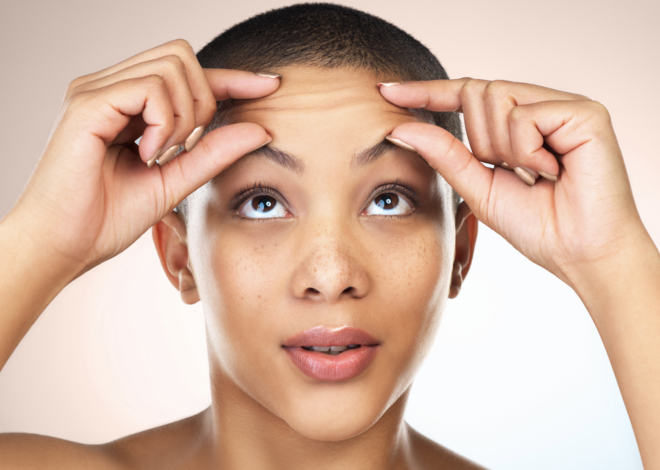
Real skin has texture. It moves when you smile. It may become oily through the day. It may have freckles, scars, pigmentation, fine lines, or visible pores. The goal of a sensible everyday routine is not to erase those characteristics. It is to support the skin while minimizing avoidable irritation and damage.
The American Academy of Dermatology recommends several fundamentals that are remarkably uncomplicated: gentle cleansing, moisturizing when needed, and regular sun protection. Dermatologists also caution that using too many products can irritate the skin, which is one reason a consistent basic routine may be more useful than continuously adding new steps. These twenty habits build on that practical approach.
1. Make Daily Sun Protection a Non-Negotiable Habit
If you change only one long-term skincare habit, consistent sun protection deserves serious attention. Ultraviolet radiation contributes to sunburn, skin cancer, and premature changes in skin appearance such as wrinkles and uneven pigmentation. The American Academy of Dermatology recommends a broad-spectrum, water-resistant sunscreen with SPF 30 or higher for exposed skin, alongside other protective measures such as shade and clothing. When spending time outdoors, sunscreen also needs to be reapplied according to the product directions and after activities such as swimming or heavy sweating.
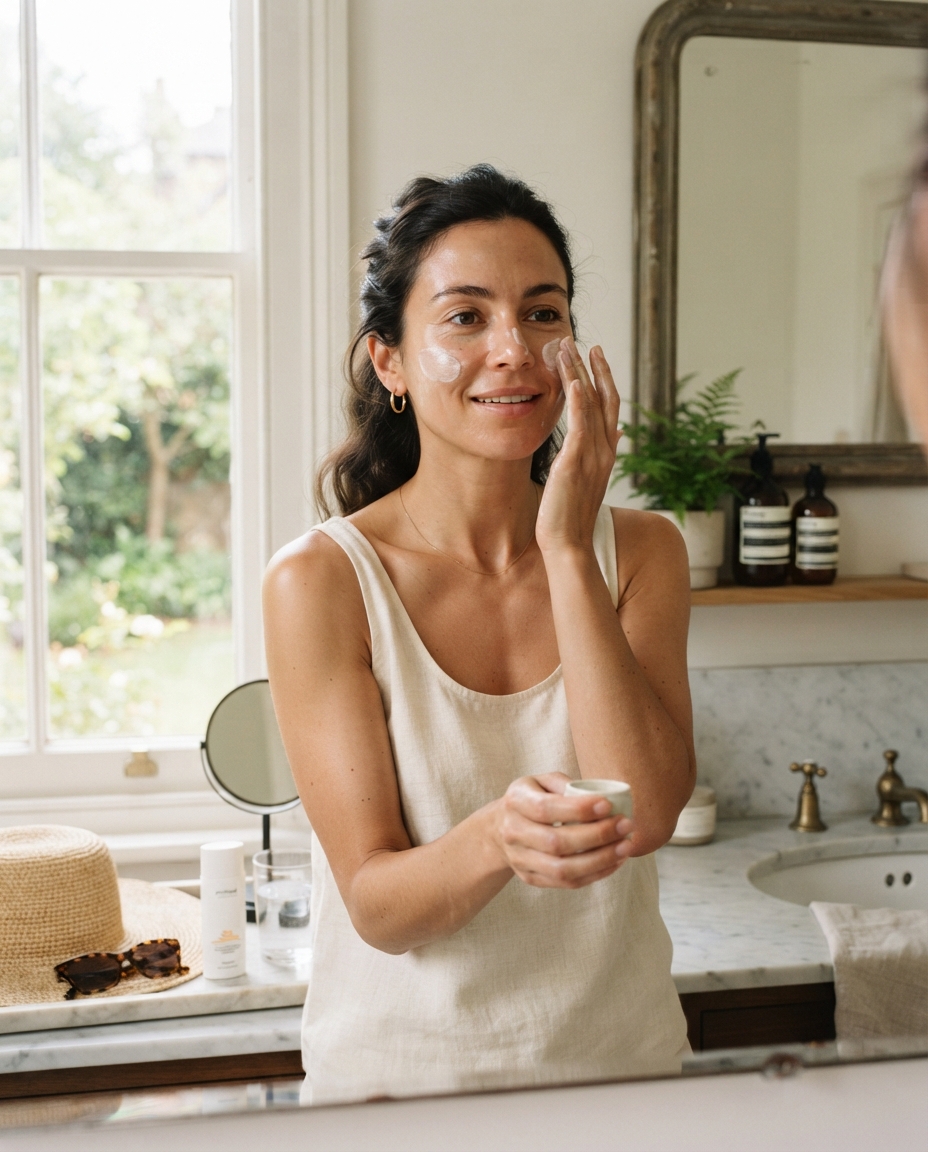
The everyday part is where many routines fall apart. People often think of sunscreen as something reserved for beaches, vacations, or exceptionally hot weather, even though ordinary outdoor activities also create UV exposure. Turning application into part of the morning routine makes it easier to remember than treating it as a special-event product.
Your preferred sunscreen matters because the formula you are willing to use consistently is more useful than one that technically looks perfect on paper but feels unpleasant enough that you avoid applying it. Dry skin may prefer a moisturizing cream, oily skin may prefer a lightweight fluid or gel texture, and some deeper skin tones may find tinted formulations easier to wear without an obvious white cast.
Sunscreen is also only one part of sun protection. Hats, sunglasses, shade, and suitable clothing can reduce how much uncovered skin must rely entirely on sunscreen.
Useful habit: Keep sunscreen where your morning routine already happens rather than buried in a bathroom cabinet you rarely open.
2. Wash Your Face Gently Instead of Trying to Make It Feel “Squeaky Clean”
A face that feels extremely tight after cleansing is not necessarily cleaner in a useful way. Aggressive cleansing can remove more surface oil than necessary and may leave skin feeling dry, tight, or irritated. The AAD recommends using a gentle, non-abrasive cleanser, lukewarm water, and fingertips rather than scrubbing aggressively with rough washcloths or abrasive tools. It also advises limiting face washing for most people to around twice daily and after heavy sweating rather than repeatedly cleansing throughout the day.
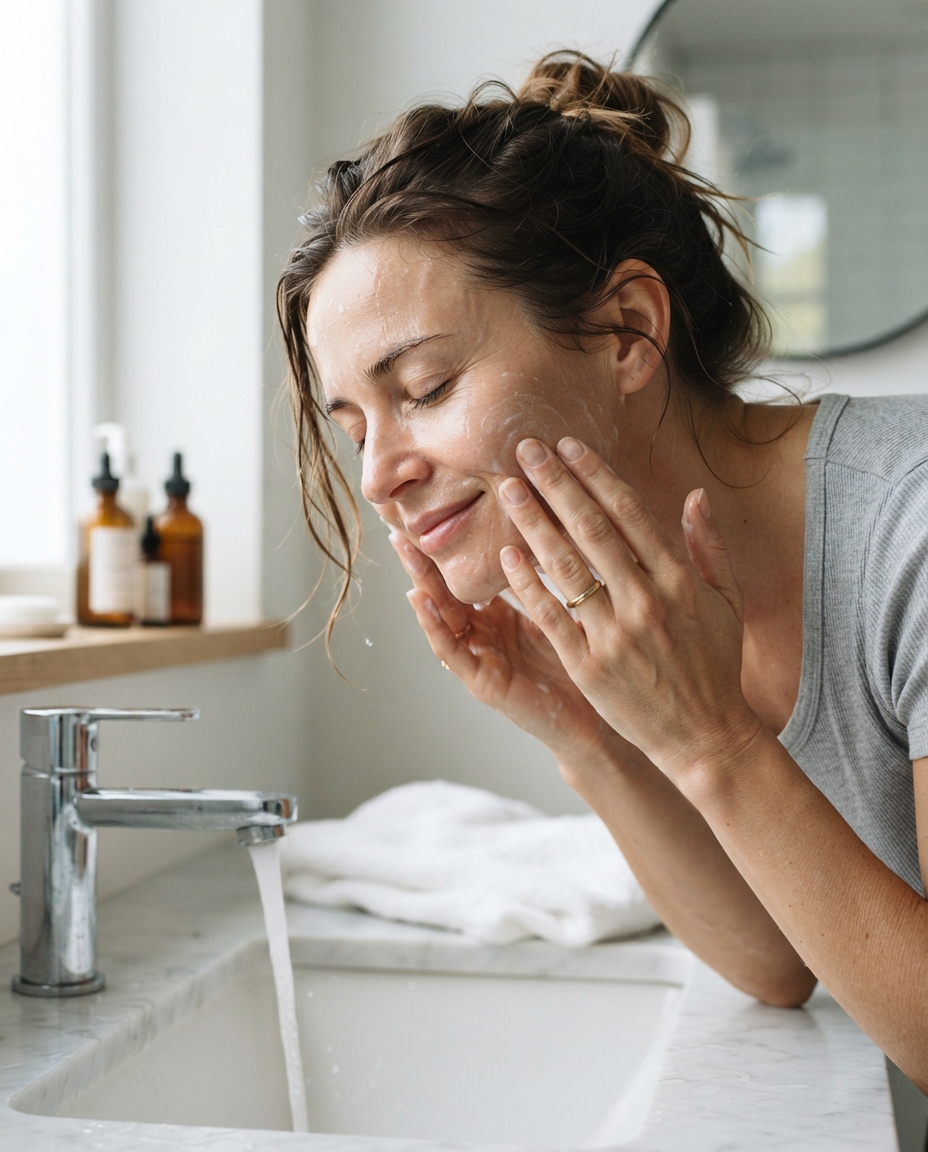
That does not mean everyone needs identical cleansing frequency. Someone with very dry or sensitive skin may find a full morning cleanse unnecessary, while a person with oily skin or a particular dermatologist-directed routine may wash differently. The important principle is that cleansing should remove what needs to be removed without becoming a daily assault on the skin.
Water temperature matters too. Very hot water may feel luxurious, especially in winter, but it can leave already-dry skin feeling even more uncomfortable. Lukewarm water is usually the more practical default. Your hands are often enough to distribute cleanser. Skincare does not need to involve scrubbing brushes, rough exfoliating cloths, or aggressive massage simply to feel effective.
Useful habit: After cleansing, your skin should feel clean and comfortable rather than painfully tight.
3. Apply Moisturizer Consistently When Your Skin Needs It
Moisturizer is not exclusively for people with visibly dry skin. Its basic job is to help reduce water loss from the outer skin and improve how dry or rough skin feels. Dermatologists commonly recommend moisturizing as part of a basic routine, and the AAD notes that even oily skin can still benefit from an appropriate moisturizer.
The best texture depends on the person. A lightweight lotion or gel-cream may feel comfortable on oily skin, while dry skin may prefer a richer cream. Climate also changes what feels appropriate. A moisturizer that feels perfect during humid summer weather may not be enough during a dry winter.
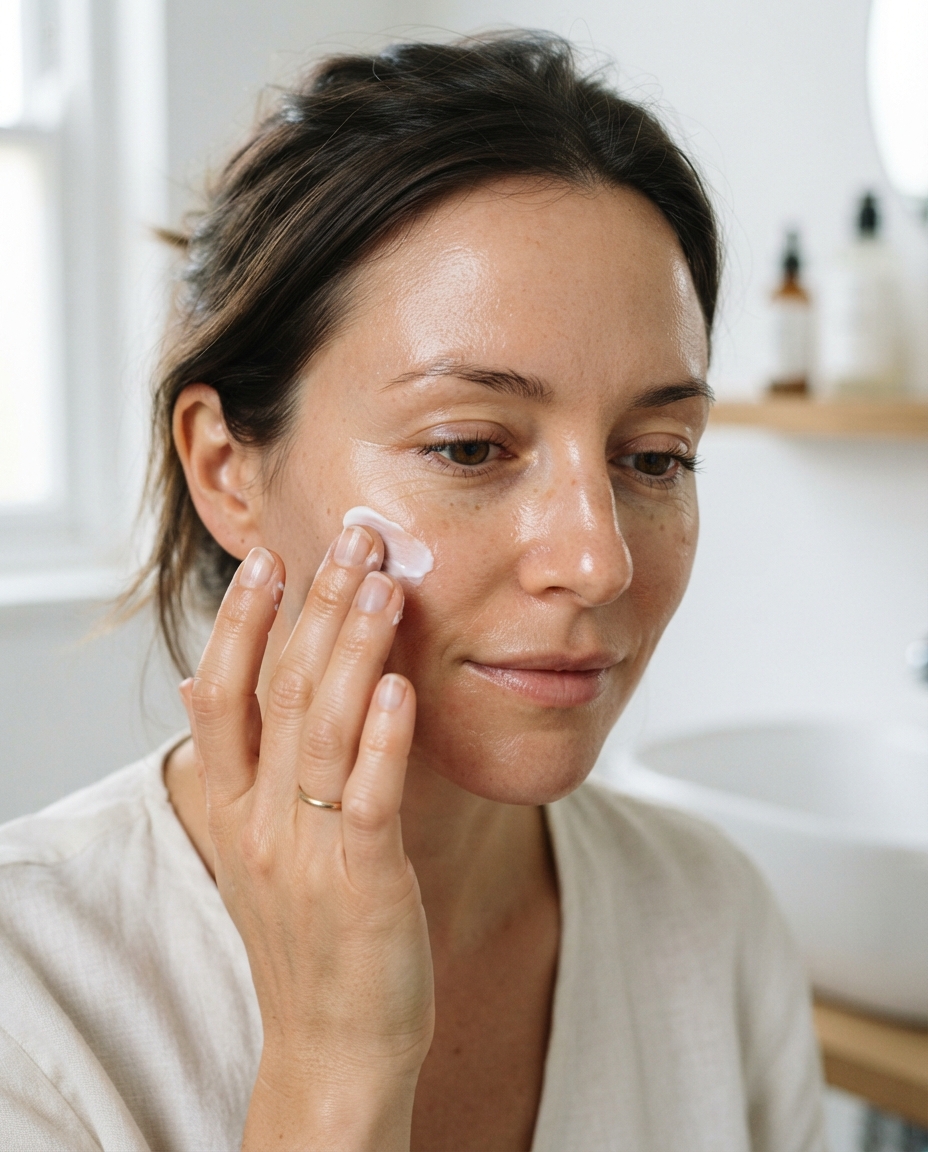
Applying moisturizer soon after cleansing can be helpful because the skin has not yet become completely dry. You do not need to leave the face dripping wet; gently patting away excess water and applying moisturizer while some hydration remains is a practical approach. Do not judge a moisturizer according to how luxurious or complicated its ingredient list sounds. The product needs to do something much simpler: feel comfortable, support your skin, and work well enough that you will actually use it consistently.
Useful habit: Adjust moisturizer texture according to your skin and season instead of abandoning moisturizer entirely whenever the weather changes.
4. Stop Scrubbing Your Skin Every Time It Looks Dull
When skin looks rough or dull, the instinct is often to exfoliate harder. That can become counterproductive. Scrubs, acids, exfoliating toners, peels, retinoid products, and other active skincare can all affect the skin differently, but stacking several potentially irritating products or using them too frequently may leave the skin red, tight, flaky, stinging, or increasingly reactive.
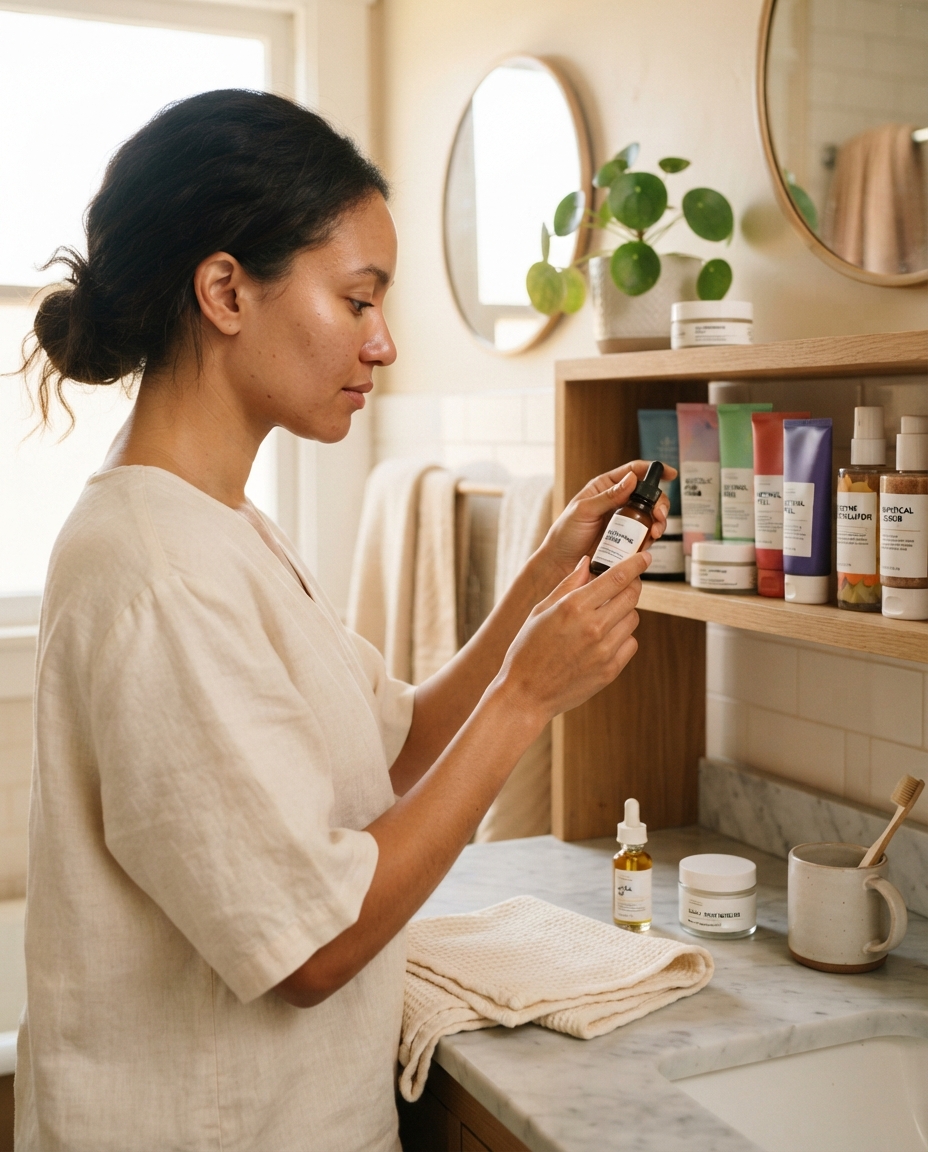
Dullness does not automatically mean dead skin must be aggressively removed. Dryness, irritation, lack of sleep, lighting, seasonal changes, and normal skin texture can all influence how a complexion appears. If you use exfoliating products, introduce them gradually and follow the product instructions rather than assuming daily use produces faster results. More aggressive treatment is not automatically more effective skincare.
This principle is especially important if your routine already contains other active ingredients. The skin does not award extra points for using every trending ingredient simultaneously.
Warning signs that your routine may be too aggressive: persistent burning, new flaking, unusual tightness, redness, or products that previously felt comfortable suddenly stinging.
5. Remove Makeup Before Going to Sleep
Makeup is designed to sit on the skin for hours, but that does not mean it needs to remain there overnight. Removing makeup before bed clears away foundation, sunscreen, color cosmetics, sweat, and the day’s surface buildup and gives you an opportunity to apply whatever simple nighttime care your skin needs.
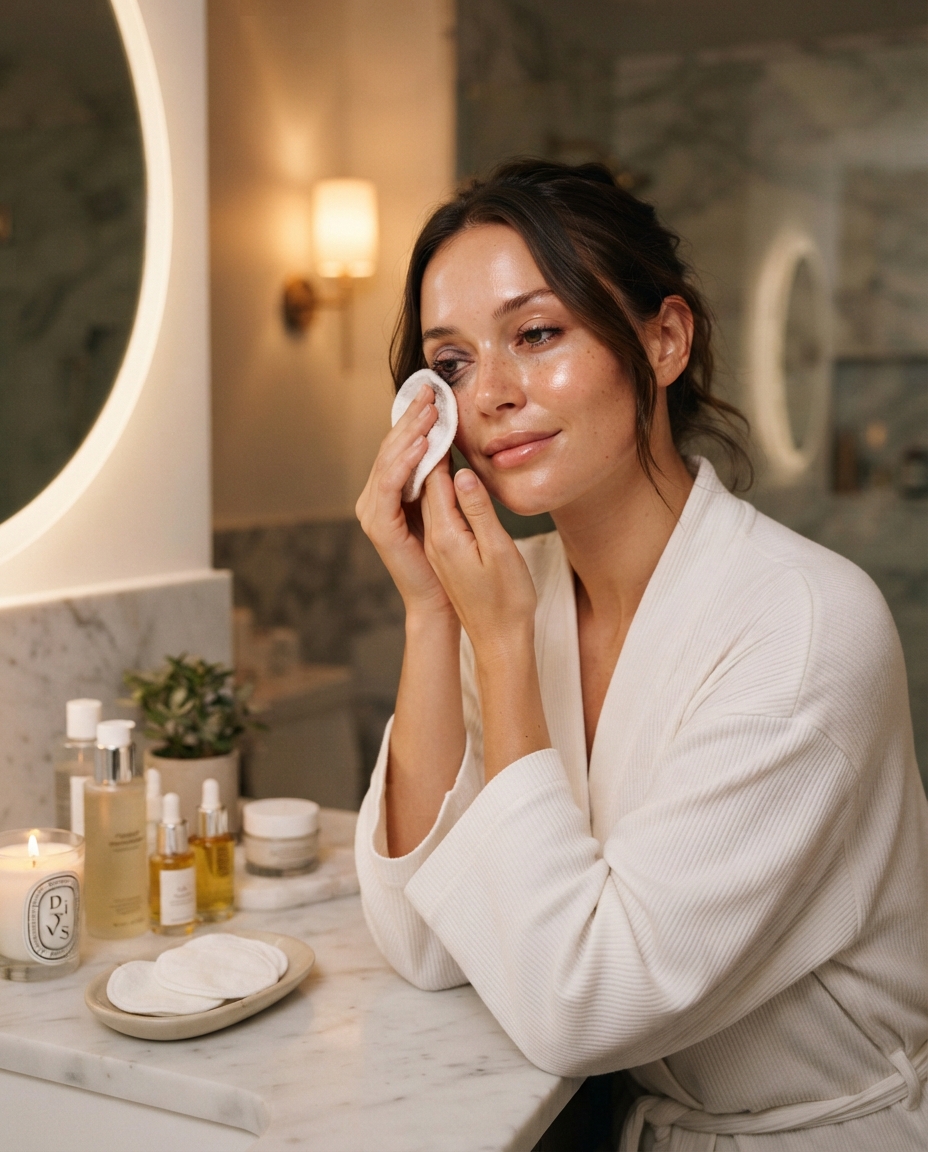
Heavy makeup or water-resistant sunscreen may require more than one cleansing step. Some people prefer removing the bulk of the product with micellar water, cleansing balm, or cleansing oil before following with their regular gentle cleanser. Others find one effective cleanser sufficient. Double cleansing is not a rule everyone must follow. The goal is simply to remove the products you wore without repeatedly stripping the skin.
Pay particular attention around the eyes. Vigorous rubbing is unnecessary and can irritate the area. Give an appropriate remover time to loosen mascara or eyeliner instead of repeatedly pulling at the skin. A simple evening habit makes this easier: remove makeup before you become exhausted enough to consider skipping the sink entirely.
6. Keep Your Skincare Routine Simple Enough to Repeat
An effective routine does not need twelve steps. In fact, adding several products simultaneously can make it much harder to know which one helped, which one caused irritation, and which ones are doing essentially the same job. For many people, the foundation of a routine can remain surprisingly simple: gentle cleansing, moisturizer when needed, and daytime sun protection. Additional treatments can then be selected according to a specific concern rather than because an influencer’s shelf contains twenty products.
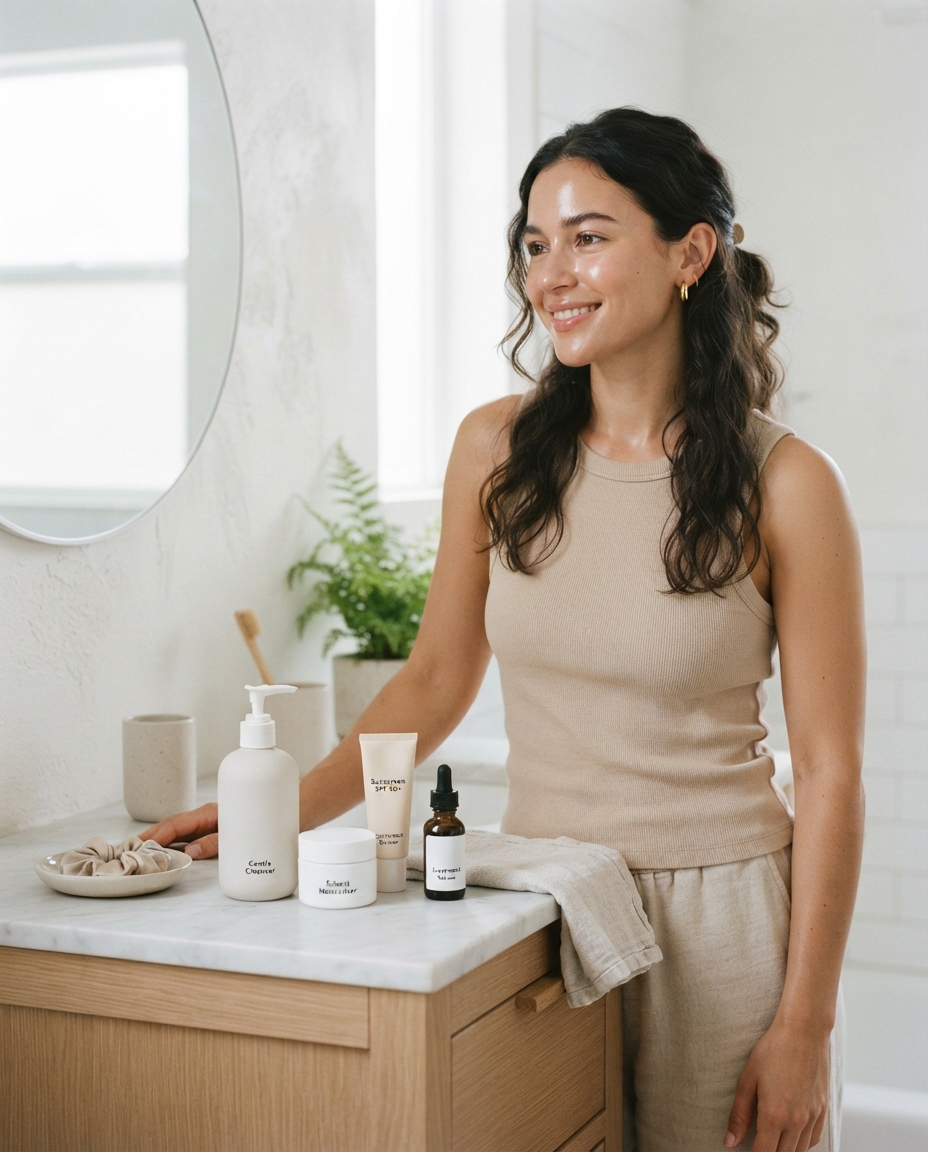
The AAD specifically warns that using several anti-aging products within a short period can irritate skin and emphasizes consistency with foundational care. Simplicity also improves adherence. A routine that takes four minutes is easier to repeat every night than one that feels like a complicated project.
Products only help when they are actually used appropriately.
7. Introduce New Products One at a Time
When three new products are started on Monday, and the skin becomes irritated by Thursday, identifying the cause becomes nearly impossible. Introducing products individually gives you a much clearer picture of how your skin responds. This is particularly useful with products containing stronger active ingredients because irritation may not appear immediately after the first application. Give the skin enough time to respond before introducing another major change.
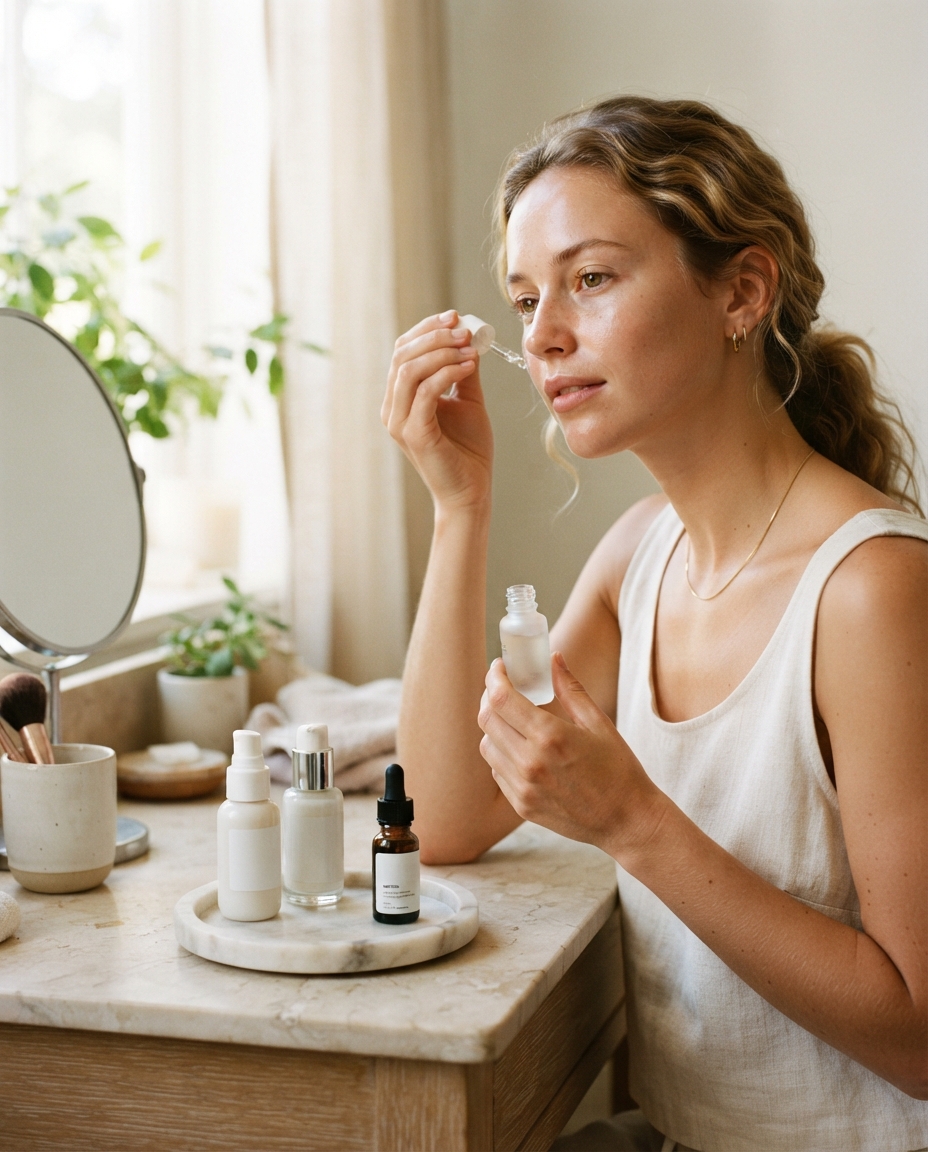
Patch testing can also be useful, especially if you have sensitive skin or a history of reactions. The AAD recommends testing skincare products on a small area before incorporating them more broadly when there is concern about sensitivity. The slower approach may feel less exciting than rebuilding the entire routine at once, but skincare is not a race. A routine should become more complicated only when additional complexity serves a clear purpose.
8. Avoid Picking at Pimples and Bumps
It is difficult to leave a noticeable blemish alone, especially when it feels as though squeezing it might make it disappear faster. But picking and squeezing can create additional inflammation, damage the surrounding skin, and increase the chance of lingering marks or scarring.
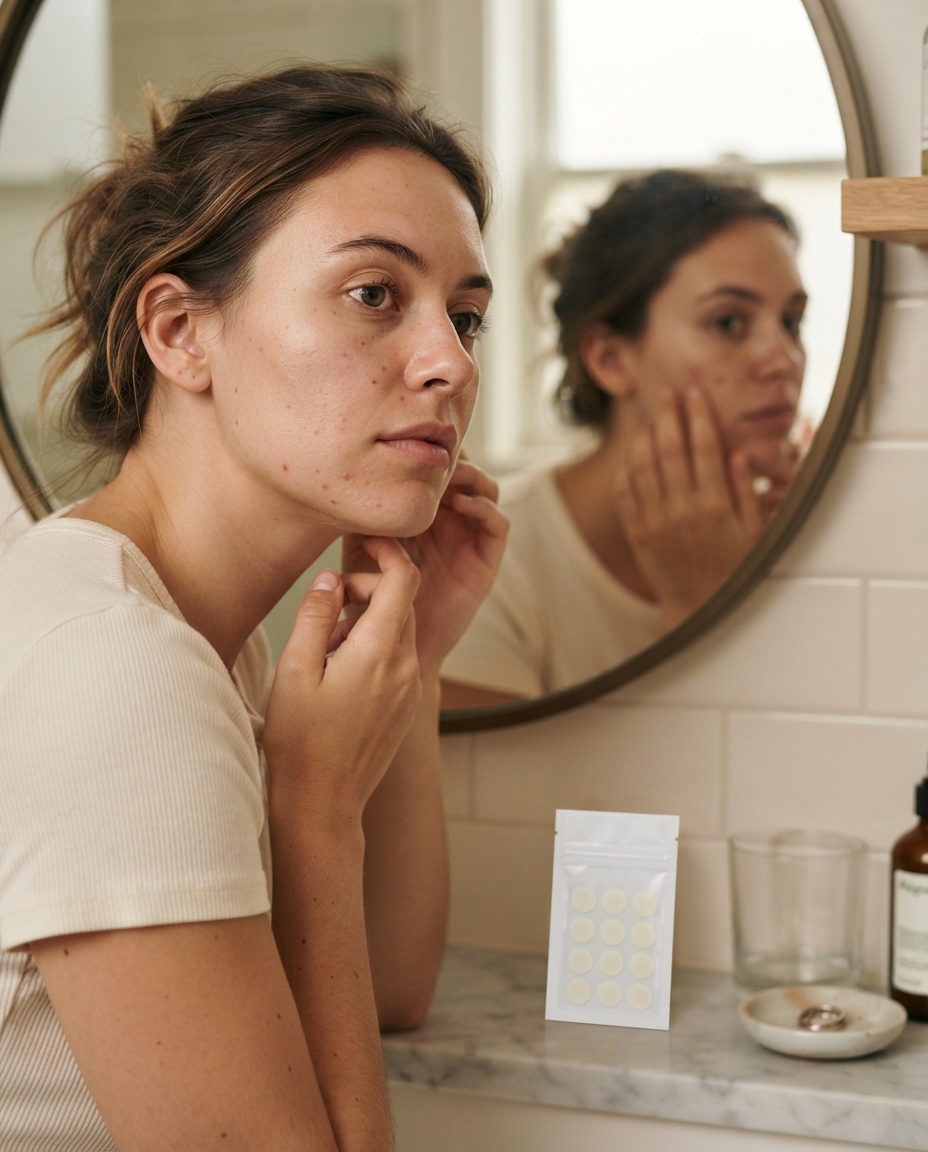
The best strategy is reducing opportunity. Avoid repeatedly examining the skin in a magnifying mirror. Keep hands occupied when you notice unconscious touching. Pimple patches can sometimes provide a useful physical barrier that stops fingers from reaching the area, even when the patch itself is not performing any dramatic treatment.
If breakouts are frequent, painful, deep, or leaving scars, that is a different problem from an occasional spot. A dermatologist can help determine an appropriate treatment rather than relying on repeated extraction at home. The objective is not pretending the blemish is invisible.
It is about preventing one temporary spot from becoming a longer-lasting mark because you could not leave it alone.
9. Wash After Heavy Sweating Instead of Letting Sweat Sit for Hours
Sweating is normal and healthy, but leaving sweat, sunscreen, makeup, and friction trapped against the skin for hours after a workout may feel uncomfortable and contribute to irritation for some people. The AAD recommends washing the face after heavy sweating, particularly when equipment such as hats or helmets has held perspiration against the skin.

You do not need to perform an elaborate skincare routine every time you exercise. A gentle cleanse or appropriate rinse, followed by whatever moisturizer and sun protection the situation calls for, is often enough. The same principle applies to the body. Change out of sweaty clothing rather than remaining in tight, damp fabric for the rest of the afternoon.
For people who exercise outdoors, remember that sweating also affects sunscreen. Water-resistant sunscreen still needs reapplication according to its label after substantial sweating.
10. Stop Touching Your Face Without Thinking
Most people touch their faces far more often than they realize. You rest your chin in your palm while working. You adjust your hair. You rub your forehead while concentrating. You scratch a healing blemish. You repeatedly check whether a spot is still raised.

Not every face touch is a skincare emergency, but reducing unnecessary touching can help prevent additional friction and stop you from repeatedly disturbing areas that are trying to heal. Hands also come into contact with keyboards, phones, door handles, steering wheels, kitchen surfaces, and countless other objects during the day.
The practical solution is not developing anxiety about germs. It is simply becoming aware of repeated habits, especially touching or picking the same area of skin. If you notice that you always rest your chin in your hand while working, changing that one habit is far more realistic than attempting to never touch your face again.
11. Keep Makeup Brushes and Reusable Tools Clean
Anything that repeatedly touches your face deserves basic cleaning. Makeup brushes accumulate cosmetic product, oil, and debris with continued use. Reusable sponges can also remain damp internally if they are stored poorly, which is another reason they should be washed and allowed to dry properly.
Cleaning frequency depends partly on what the tool is used for and how often it is used. Brushes used with liquid complexion products generally benefit from more frequent washing than rarely used eye brushes. Use an appropriate mild brush cleanser or gentle soap, rinse thoroughly, and allow brushes to dry completely with the bristles positioned so water does not continually run into the ferrule.
Do not share eye or lip cosmetics and brushes casually between people, particularly products that directly contact sensitive areas. Clean tools do not guarantee perfect skin, but basic cosmetic hygiene removes one unnecessary variable from the routine.
12. Change Pillowcases and Face Towels Regularly
Pillowcases and face towels repeatedly contact your skin, hair, skincare products, sweat, and natural oils. Keeping them reasonably clean is a simple hygiene habit, even though changing a pillowcase alone is not a treatment for acne or another skin condition. Use a fresh towel for your face rather than repeatedly drying it on a damp shared bathroom towel that never completely dries between uses.
Pillowcases should also be washed as part of normal bedding hygiene. People who use heavy hair products, sweat heavily at night, or sleep with oily hair may prefer changing them more often according to personal comfort. The goal is not creating a sterile sleeping environment. Skin normally exists alongside microorganisms, and ordinary household life is not supposed to be sterile. The useful habit is simply avoiding obviously dirty or persistently damp fabrics against the face.
13. Give Your Skin a Consistent Sleep Schedule When Possible
Sleep is not an overnight cosmetic treatment, and one excellent night of sleep will not transform the skin permanently. But sleep is an important part of overall health, and tiredness can certainly influence how refreshed a person looks. Puffy eyes, a dull-looking complexion, and more noticeable under-eye darkness can make the difference between feeling well-rested and looking visibly exhausted.
Instead of thinking about “beauty sleep” as a miracle, treat sleep as part of the same basic health foundation as regular meals, movement, and stress management. A consistent bedtime and wake time may be easier to maintain than constantly trying to compensate for short nights with occasional marathon sleep.
Your evening skincare routine can also become part of that wind-down pattern. Cleansing and moisturizing at a predictable time reduces the chance that you fall asleep in makeup simply because you waited until exhaustion. Do not turn sleep into another beauty standard to feel guilty about. Work schedules, caregiving, stress, insomnia, and many other factors can disrupt it.
The goal is simply to protect sufficient sleep when your circumstances allow.
14. Eat for Overall Health Rather Than Chasing a “Perfect Skin Diet”
There is no single food that guarantees clear or glowing skin. Beauty marketing often exaggerates the impact of individual ingredients — berries, avocados, green juice, collagen drinks, celery juice, or whatever happens to be fashionable at the time. A more sensible habit is eating a varied diet that supports general health: vegetables and fruit, sufficient protein, whole grains or other suitable carbohydrate sources, and fats according to your dietary needs and preferences.

This also prevents skincare from turning food into an unnecessary source of fear. Unless you have a diagnosed allergy, medical condition, or a clear individual trigger identified with professional guidance, automatically eliminating entire food groups because an online video blamed them for “bad skin” may create more problems than it solves.
If you have persistent acne or another skin condition, nutrition may be one part of a much larger picture, and a dermatologist or qualified dietitian can help you consider it appropriately.
Useful habit: Build generally nourishing meals rather than expecting one “skin food” to transform your complexion.
15. Drink Enough Fluid for Your Body — Without Expecting Water to Be a Facial Treatment
Hydration matters for normal body function, but drinking enormous amounts of water is not a substitute for skincare. The popular idea that forcing yourself to drink an arbitrary number of glasses automatically eliminates acne, wrinkles, pores, or dullness oversimplifies how skin works. A better habit is staying normally hydrated according to your needs, climate, activity level, diet, pregnancy status, and medical circumstances.
Your requirements may increase with exercise or hot weather, while some medical conditions require specific fluid guidance. For dry-feeling skin, topical moisturizer often plays a much more direct role than simply adding endless glasses of water once your normal fluid needs are already being met. Keep water accessible if that helps you drink consistently, but there is no reason to turn hydration into a competitive skincare challenge.
16. Avoid Smoking
Smoking affects much more than skin appearance, but from a skincare perspective it is one of the lifestyle habits worth addressing directly. The AAD identifies smoking as a factor that accelerates visible skin aging and recommends avoiding it as part of reducing premature skin aging.
This is not about judging someone who smokes. Nicotine dependence can be difficult to change, and quitting is a health goal rather than a beauty hack. But if someone is investing significant money into products intended to preserve healthy-looking skin while continuing to smoke, it is worth recognizing that skincare products cannot cancel the broader effects of smoking.
Professional cessation support, if needed, is much more meaningful than buying another anti-aging serum and hoping it compensates.
17. Take Care of the Skin Below Your Jawline Too
Many skincare routines stop abruptly at the jaw. Meanwhile, the neck, upper chest, ears, hands, and other exposed areas experience many of the same environmental conditions as the face. You do not necessarily need a separate expensive “neck cream.” If your regular moisturizer works comfortably in those areas, it may be perfectly adequate. Likewise, exposed skin should be considered when applying sun protection rather than focusing exclusively on the center of the face.
Hands are particularly easy to forget because sunscreen is washed away repeatedly throughout the day. When you apply your morning routine, think in terms of exposed skin rather than “face only.” This produces a more consistent approach and prevents the strange situation where the face receives several layers of protection while the neck, ears, and hands are ignored entirely.
18. Adjust Your Routine When the Weather Changes
Skin does not exist in the same environment all year. Cold outdoor air, dry indoor heating, humidity, intense sun, air conditioning, wind, and frequent swimming can all change how your usual products feel. That means a routine should be stable without being rigid. You may need a richer moisturizer during a dry winter and a lighter one when summer becomes humid. You may need more attention to sunscreen reapplication during outdoor summer activities, while winter heating may make gentle cleansing and moisture retention more important.
This is often more effective than replacing the entire routine because one season suddenly made your usual moisturizer feel wrong. Pay attention to how the skin behaves. If it is consistently tight and flaky, more exfoliation may be the opposite of what it needs. If a rich winter moisturizer feels heavy and uncomfortable during humid weather, changing texture may be more useful than abandoning moisturizer altogether.
A good routine responds to the environment without chasing every new trend.
19. Pay Attention to Persistent Skin Changes Instead of Covering Everything With Cosmetics
Makeup can cover redness, discoloration, blemishes, and other visible changes beautifully. But cosmetics should not be used to ignore a skin problem that is persistent, painful, rapidly changing, bleeding, repeatedly crusting, or otherwise concerning.
Likewise, severe acne, ongoing dermatitis, persistent itching, or a rash that does not improve deserves more than endlessly changing skincare products based on social-media advice. A dermatologist can diagnose conditions that look similar on the surface but require very different treatment. Regular attention to your own skin also makes it easier to notice something new because you already know what is normal for you.
This does not mean obsessively inspecting every pore. It means recognizing the difference between ordinary texture and a persistent change that deserves professional evaluation.
20. Choose Consistency Over Constantly Chasing New Skincare Trends
The skincare industry moves much faster than skin does. Every week brings a new ingredient, device, routine, treatment, or viral technique promising better results than whatever people were using a month earlier. Constant experimentation can make a routine expensive and confusing. It can also prevent you from learning what actually works because nothing stays the same long enough to evaluate.
A simple routine used consistently gives you a baseline. If the skin is comfortable, sunscreen is being used, cleansing is gentle, and moisturizer is doing its job, you do not need to rebuild everything because a new product became popular online. If you do want to address a specific concern, add one targeted change deliberately. That approach is less exciting than a skincare haul.
It is also much easier to maintain for years. And long-term habits are exactly where basic skincare tends to matter most.
What Does “Healthy-Looking Skin” Actually Mean?
Healthy-looking skin is not the same thing as perfect skin. It does not require invisible pores. It does not require an identical color across every millimeter of the face. It does not mean never developing a pimple.
And it certainly does not mean looking perpetually twenty years old. A more useful definition includes skin that feels reasonably comfortable, is cared for without constant irritation, receives appropriate sun protection, and is treated according to its individual needs. Visible pores are normal. Fine lines are normal. Oil is normal. Skin texture is normal. Freckles are normal.
The objective of skincare should therefore be supporting skin rather than attempting to remove every visible sign that skin is a living organ.
A Simple Daily Skin Routine
One of the easiest ways to maintain healthy skincare habits is reducing the number of decisions required every day.
Morning
| Step | Purpose | Notes |
|---|---|---|
| Gentle cleanse if needed | Removes overnight oil/product | Some dry skin may prefer a simple rinse |
| Moisturizer | Supports comfort and reduces dryness | Choose texture for your skin type |
| Sunscreen | UV protection | Broad-spectrum SPF 30+; water resistant when appropriate |
| Makeup | Optional | Applied after skincare |
Evening
| Step | Purpose | Notes |
|---|---|---|
| Remove makeup/sunscreen | Clears long-wear products | Extra removal step may be useful for heavy products |
| Gentle cleanse | Removes the day’s buildup | Avoid aggressive scrubbing |
| Treatment | Optional | Use only when relevant to a specific concern |
| Moisturizer | Supports the skin overnight | Adjust richness according to dryness |
Dermatologists generally recommend cleansing first, applying medication or treatment when relevant, followed by moisturizer and/or sunscreen, with makeup last during the day. The exact routine can change according to prescriptions, skin conditions, dermatologist instructions, and individual tolerance.
Signs Your Skincare Routine May Be Doing Too Much
Skincare can become surprisingly aggressive when several individually reasonable products are combined. For example, someone may use an exfoliating cleanser, acid toner, retinoid treatment, exfoliating mask, strong acne product, and facial scrub — then wonder why the skin feels uncomfortable.
Possible Signs of Excessive Irritation
| What You Notice | What to Consider |
|---|---|
| Persistent burning or stinging | Routine may be irritating |
| New widespread flaking | Too many drying/exfoliating products may be involved |
| Unusual redness | Consider recent product changes |
| Skin feels tight after every cleanse | Cleanser or washing habits may be too harsh |
| Previously comfortable products suddenly sting | Skin may already be irritated |
| Constant urge to add richer products after actives | Routine may be stripping more than necessary |
These symptoms can also occur with genuine skin conditions, so persistent or severe problems deserve professional evaluation rather than endless experimentation.
How to Adjust the Basics for Different Skin Types
Skin type can influence product texture, but it does not completely rewrite the foundations of skincare.
Oily Skin
Oily skin still needs gentle cleansing and sun protection. Some people with oily skin assume the goal is removing every trace of sebum, but extremely harsh cleansers can simply leave the skin irritated. Lightweight, non-comedogenic moisturizer may feel more comfortable than rich creams. The AAD specifically advises against trying to dry oily skin aggressively and notes that moisturizer can still be appropriate.
Dry Skin
Dry skin often benefits from less aggressive cleansing and richer moisturizer. Long hot showers, heavy exfoliation, and very drying products may make discomfort worse.
Combination Skin
Combination skin does not necessarily need two completely different routines. Product amount can simply be adjusted. A lighter application may be comfortable on an oilier T-zone while drier areas receive more moisturizer.
Sensitive Skin
Sensitive or reactive skin often benefits from simplicity. Fragrance-free products, slow introduction of new products, and avoidance of unnecessary actives can make it easier to identify triggers.
Acne-Prone Skin
Acne-prone skin still needs a gentle foundation routine, but acne itself may require targeted treatment. Persistent, painful, or scarring acne is worth discussing with a dermatologist instead of continually trying random cosmetic products.
Habits That Sound Healthy but Can Backfire
Scrubbing Until Skin Feels Smooth
Temporary smoothness does not necessarily mean healthier skin. Aggressive friction can create irritation.
Drinking Excessive Water for “Glow”
Normal hydration is important, but water is not a replacement for moisturizer, sunscreen, or treatment when a skin condition is present.
Constantly Switching Products
Changing several variables simultaneously makes it difficult to understand what your skin tolerates.
Copying Someone Else’s Routine Exactly
A routine that works beautifully for oily acne-prone skin in a humid climate may be miserable for dry reactive skin in winter.
Using Every Popular Active Ingredient
You do not need retinoids, acids, vitamin C, exfoliating toner, benzoyl peroxide, niacinamide, peptides, and several serums simply because all of them exist.
Trying to Dry Out Pimples Aggressively
A blemish does not require punishing the surrounding skin with alcohol, toothpaste, harsh scrubs, or repeated picking.
How Long Should You Give a Skincare Routine?
Skincare creates a strong temptation to judge products after one morning. Some products can immediately change how moisturized or smooth skin feels, but many appearance-related changes take longer. More importantly, changing the routine every three days prevents you from learning whether the overall system is comfortable and sustainable.
Start by asking simpler questions. Does the cleanser leave your face comfortable? Does the moisturizer prevent excessive dryness without feeling intolerable? Can you wear the sunscreen consistently? Is a treatment causing persistent irritation?
Those answers are often more useful than repeatedly photographing the skin under different bathroom lighting looking for tiny changes. If a product causes substantial burning, swelling, hives, or another concerning reaction, stop using it and seek appropriate medical guidance rather than waiting for the skin to “adjust.”
You Do Not Need to Earn Good Skin With a Perfect Lifestyle
Healthy habits are useful. Perfection is not required. You can miss a night’s sleep. Forget to change a pillowcase. Eat dessert. Skip a workout. Have a stressful week. Develop a pimple anyway. Skin is influenced by far more than how disciplined someone’s beauty routine is, and turning every breakout or line into evidence of a personal failure is neither accurate nor useful.
The purpose of these habits is to improve the everyday environment in which your skin exists. Not to create another twenty-item checklist you have to complete perfectly. If you do nothing else, focus on the fundamentals:
Protect your skin from excessive sun exposure.
Cleanse without constantly irritating it.
Moisturize according to what your skin needs.
Avoid picking.
Treat actual skin conditions appropriately instead of expecting cosmetics to cure them.
And give simple routines enough consistency to work.
Everything else can be adapted around your life.
20 HABITS AT A GLANCE
| Habit | Main Purpose | Difficulty |
|---|---|---|
| Daily sun protection | Limits UV exposure | Easy once routine |
| Gentle cleansing | Cleans without unnecessary irritation | Easy |
| Consistent moisturizer | Supports skin comfort | Easy |
| Avoid over-exfoliating | Reduces preventable irritation | Easy |
| Remove makeup before bed | Clears long-wear products | Easy |
| Keep routine simple | Improves consistency | Easy |
| Introduce products individually | Helps identify reactions | Easy |
| Avoid picking | Reduces additional skin trauma | Moderate |
| Cleanse after heavy sweating | Removes sweat/product buildup | Easy |
| Touch face less | Reduces friction and picking | Moderate |
| Clean brushes/tools | Basic cosmetic hygiene | Easy |
| Clean pillowcases/towels | Basic fabric hygiene | Easy |
| Protect sleep | Supports overall well-being | Variable |
| Eat a balanced diet | Supports general health | Moderate |
| Stay normally hydrated | Supports normal body function | Easy |
| Avoid smoking | Important overall health habit | Can be difficult |
| Care below the jawline | Extends basic skincare | Easy |
| Adjust for weather | Maintains comfort year-round | Easy |
| Notice persistent changes | Helps identify problems needing care | Easy |
| Favor consistency | Prevents trend-driven overcomplication | Easy |
FINAL THOUGHTS
Healthy-looking skin is usually built through far less glamorous habits than social media makes it seem. It is putting sunscreen on before an ordinary day outside. And It is washing your face without scrubbing it raw. It is applying moisturizer when your skin needs it. It is leaving a blemish alone instead of squeezing it in front of a magnifying mirror. It is removing makeup even when you are tired. It is noticing when five active products are making your skin less comfortable rather than assuming you need a sixth. It is remembering that your neck and hands are skin too. And it is allowing real skin to look real. There will still be pores. There may still be acne. There will eventually be lines.
Your complexion may change with your cycle, your age, your environment, your stress level, medications, weather, hormones, or circumstances that no cleanser or serum can fully control. That does not mean the routine has failed. The point of everyday skincare is not achieving a permanently filtered face.
It is protecting the skin where protection matters, supporting it where it needs support, avoiding unnecessary irritation, and seeking appropriate professional care when a genuine skin concern requires more than cosmetics. You do not need a perfect routine. You need one that is sensible enough to keep doing. And over time, those ordinary habits can matter far more than whatever skincare trend happens to be viral this week.

2 thoughts on “20 Everyday Habits for Healthy-Looking Skin”