Growing Longer Lashes Naturally: 12 Habits That Actually Support Length
Eyelash growth gets marketed with a lot of confidence that the underlying science doesn’t always back up. Lashes, like the hair on your scalp, follow a natural growth cycle, and most of what genuinely affects that cycle comes down to protecting the lashes you already have and avoiding habits that cut that cycle short — not a miracle serum applied once before bed.
This guide is built around that distinction. Some of what follows is about giving lashes the conditions they need to complete their natural growth cycle without breaking or falling out prematurely. A few entries cover ingredients with genuine, though sometimes limited, evidence behind them. And a few are honest about where the evidence is thin, so you’re not chasing a result that a habit was never likely to deliver.
It’s worth setting expectations clearly from the start: a full lash growth cycle takes around 6 to 10 weeks, so nothing here works overnight, and some lash concerns — thinning related to a health condition, or lashes that stop growing altogether — are worth a doctor’s attention rather than continued at-home experimentation.
Habit 1: Remove Eye Makeup Gently, Every Night
Sleeping in mascara, especially waterproof formulas, dries out lashes and makes them more brittle and prone to breaking or falling out prematurely during sleep. Gentle removal with a dedicated eye makeup remover, using a soft patting or rolling motion rather than aggressive rubbing, protects both the lashes and the delicate skin around the eye.
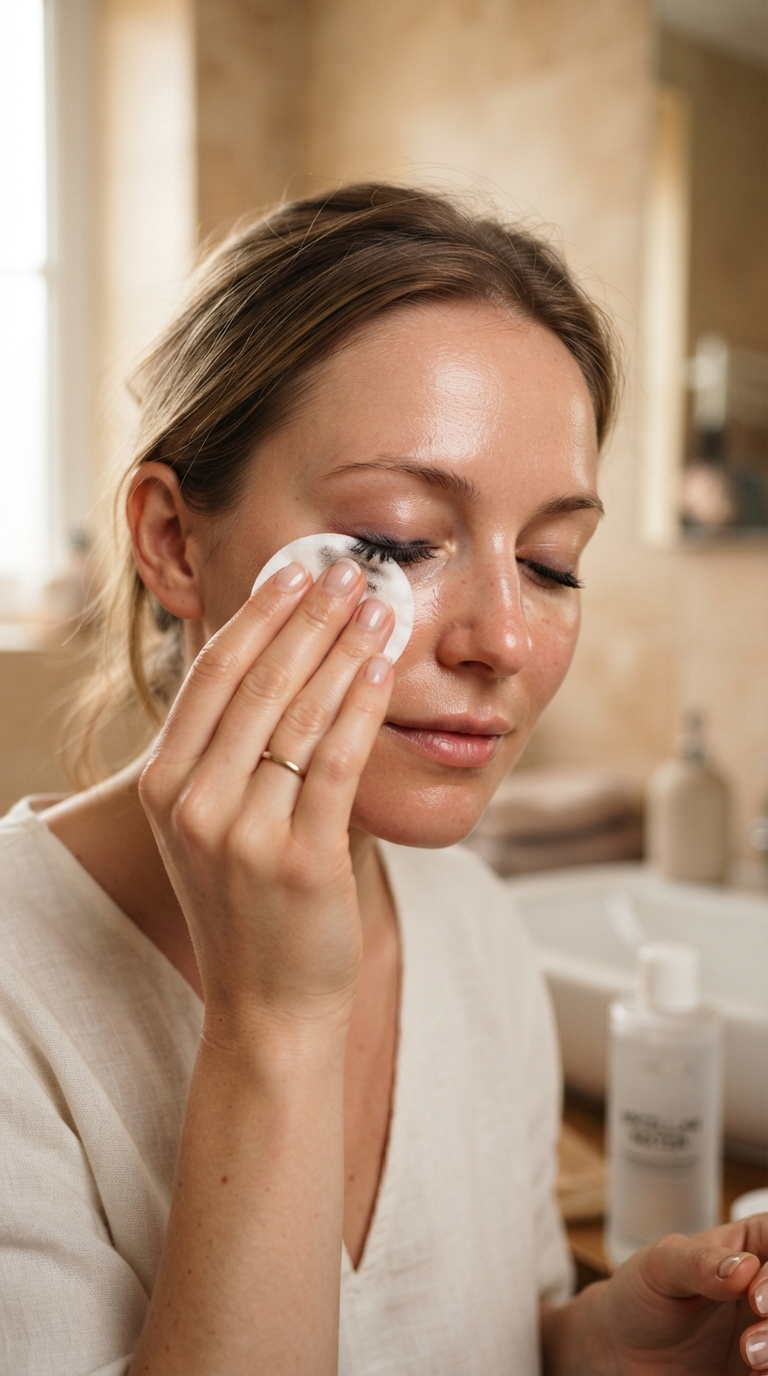
This is one of the simplest, most consistently supported habits in lash care, since it directly reduces a known source of daily mechanical stress on the lashes.
Best for: Anyone who wears eye makeup regularly, especially mascara or waterproof formulas.
Habit 2: Avoid Rubbing Your Eyes
Rubbing the eyes, whether from allergies, tiredness, or habit, puts repeated mechanical stress directly on the lash line and can pull out lashes that are still in an active growth phase before they’ve had a chance to reach full length. Addressing the underlying cause — allergy management, using eye drops for dryness — can reduce the urge to rub in the first place.

Best for: Anyone with seasonal allergies or a habitual eye-rubbing tendency.
Habit 3: Be Cautious With Eyelash Curlers
Metal eyelash curlers used aggressively, or on lashes coated in dried mascara, can bend and break lashes at the point of contact rather than simply curling them. Using a curler on clean, product-free lashes, with gentle pressure rather than a hard squeeze, reduces this risk while still achieving a curled effect.
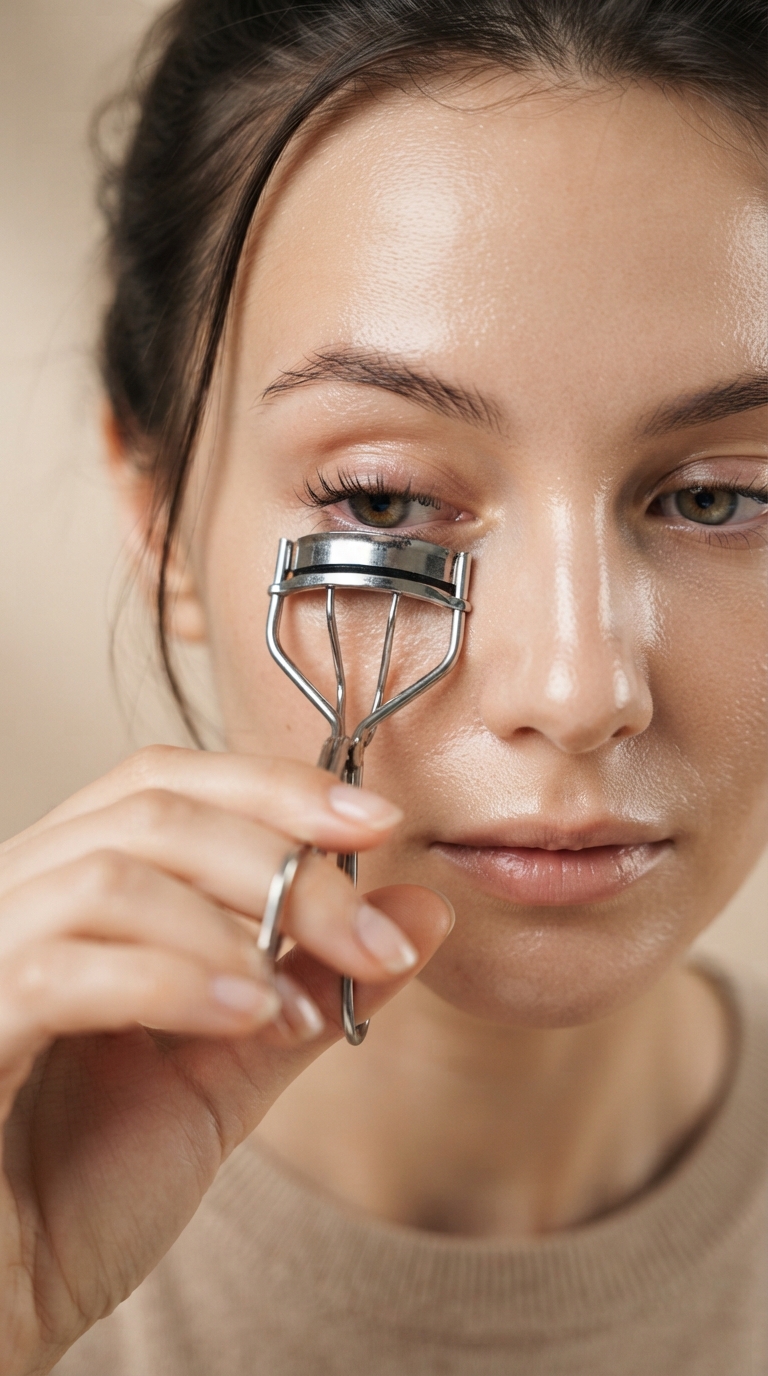
Best for: Anyone who curls their lashes regularly as part of their routine.
Habit 4: Take Breaks From Eyelash Extensions
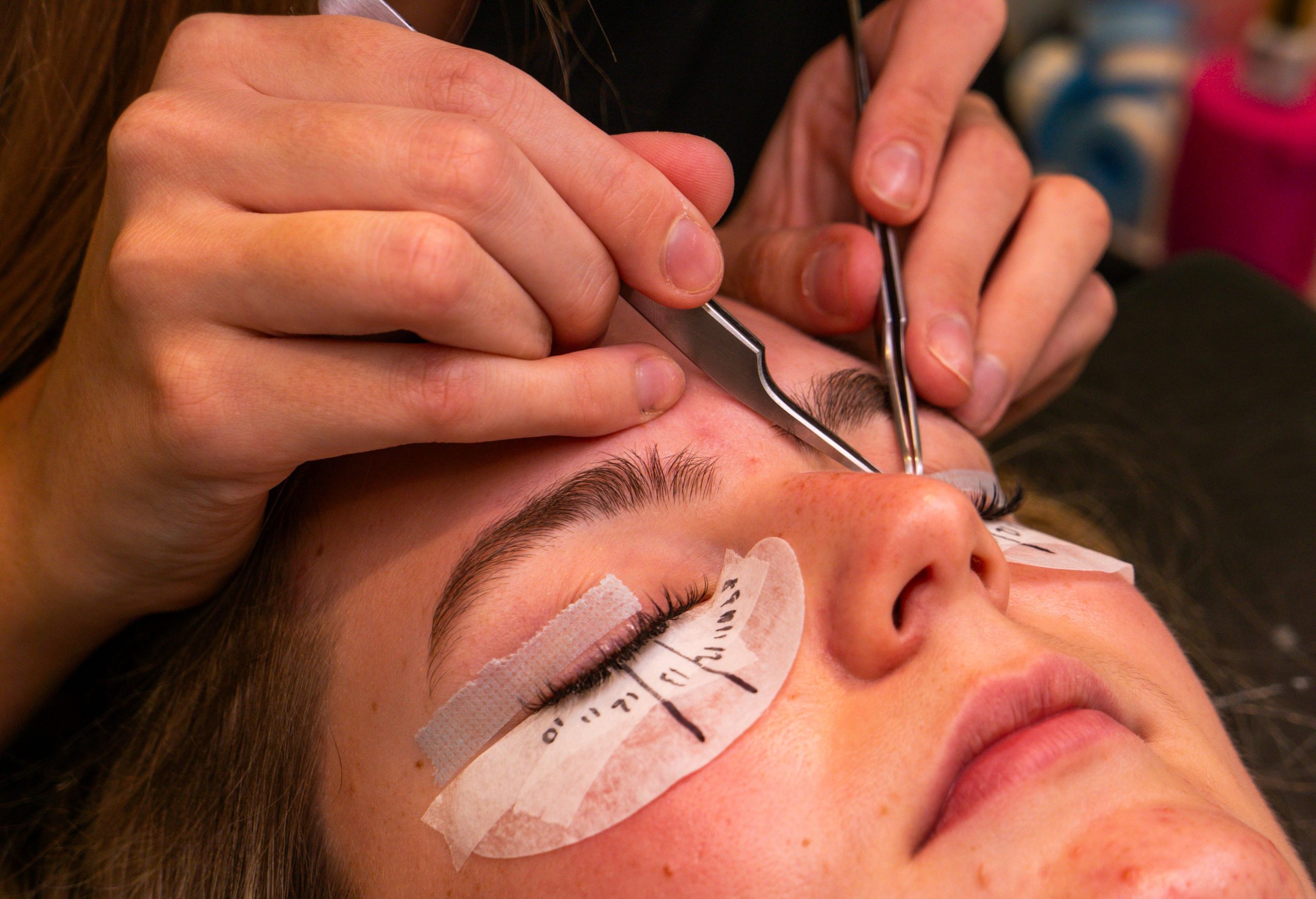
Extensions, while popular for immediate length and volume, add ongoing weight and adhesive stress to natural lashes, and continuous wear without breaks can lead to natural lashes becoming thinner or more prone to shedding over time. Giving lashes periodic breaks between extension sets allows the natural lash cycle to recover.
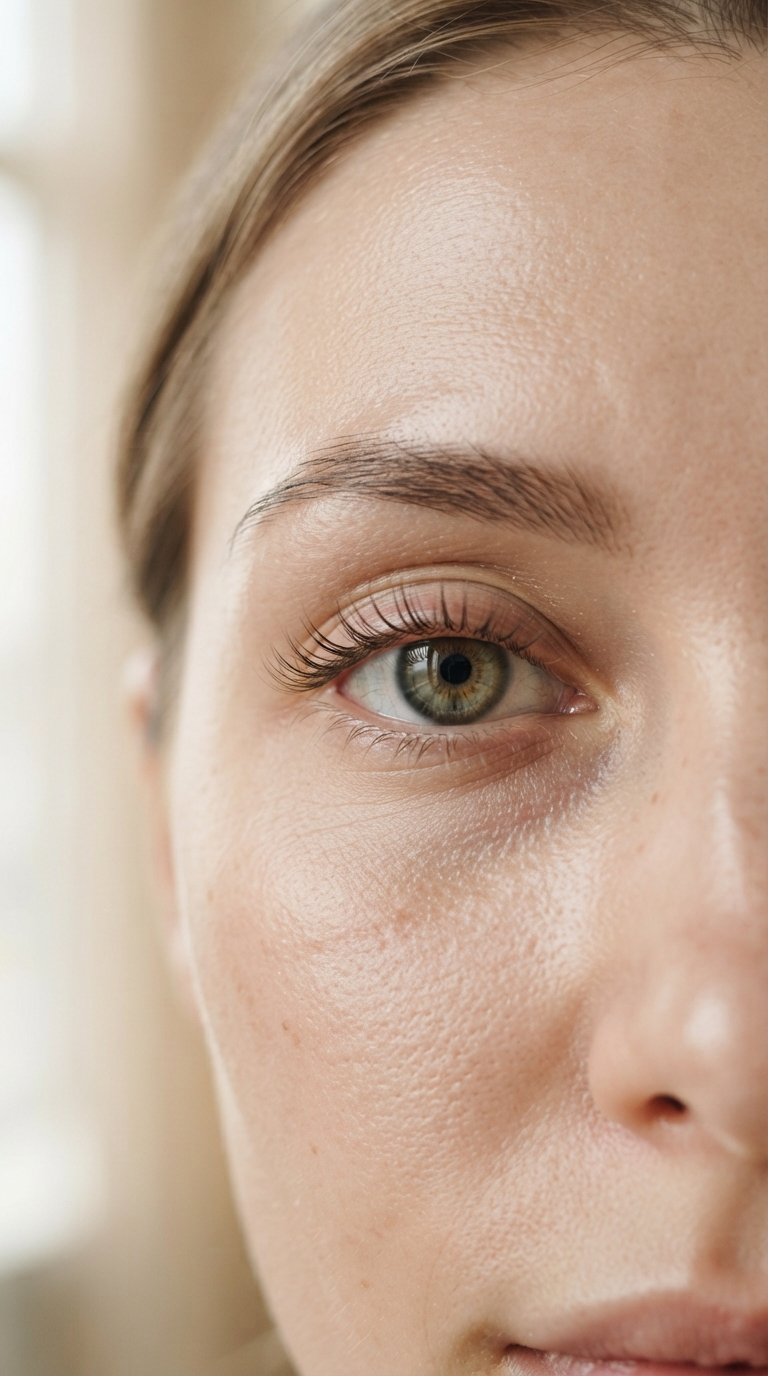
If continuous wear matters to you, discussing lighter extension weights and proper removal technique with a trained lash technician can reduce cumulative stress on natural lashes.
Best for: Anyone who wears lash extensions regularly and has noticed their natural lashes thinning over time.
Habit 5: Remove Extensions Professionally, Never at Home
Pulling off eyelash extensions rather than having them professionally removed with the appropriate dissolving solution can take natural lashes with them, since the adhesive bond is often stronger than the natural lash’s attachment to the follicle. This single habit is one of the more common causes of sudden, significant lash loss among extension wearers.
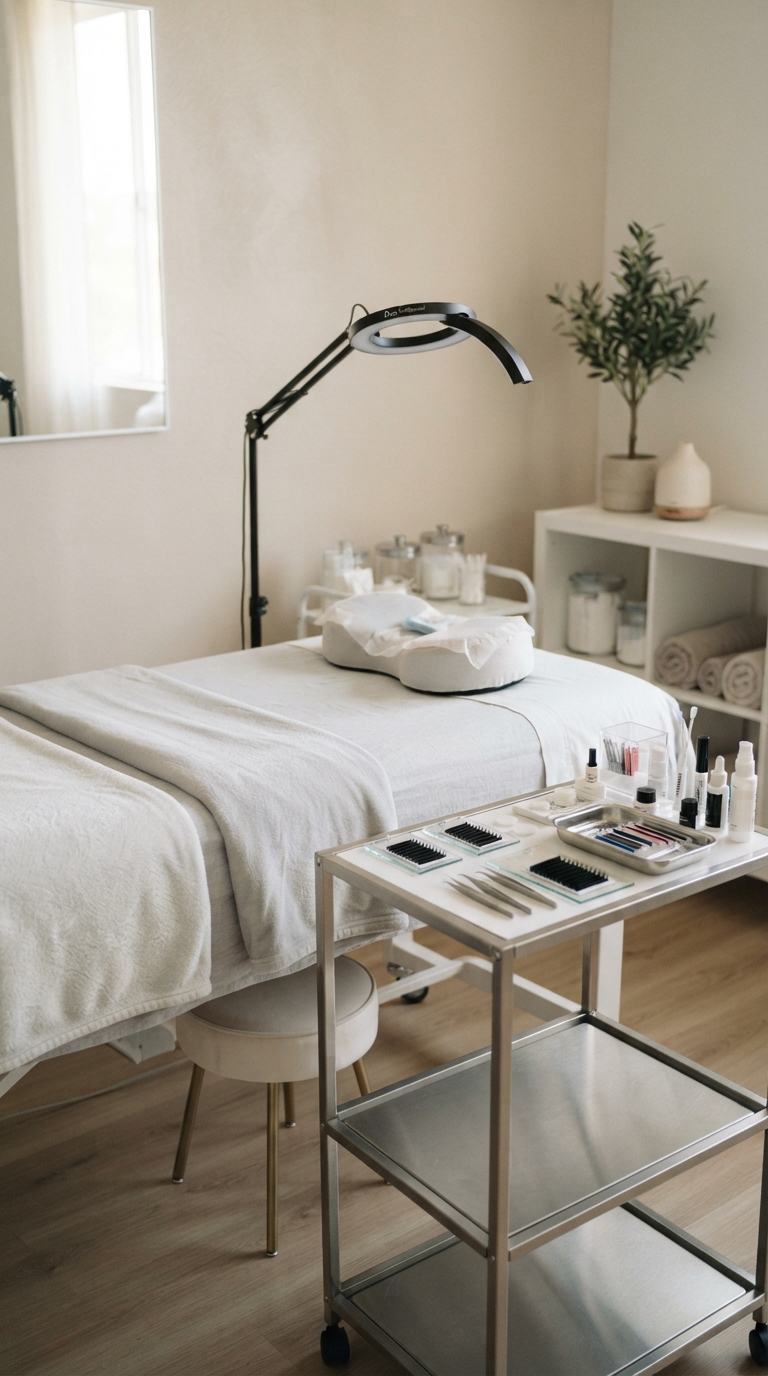
Best for: Anyone currently wearing extensions who is considering removing them.
Habit 6: Apply a Nourishing Lash Serum or Oil Consistently
Certain oils — castor oil is the most commonly cited — are popular in lash care routines, though it’s worth being direct that the evidence specifically linking castor oil to increased lash growth is largely anecdotal rather than strongly backed by clinical research; its main established benefit is as a moisturizer, which can help prevent brittleness rather than directly stimulating growth. Peptide-based lash serums have somewhat more research behind them for supporting the appearance of fuller lashes, though results vary by individual and formulation.
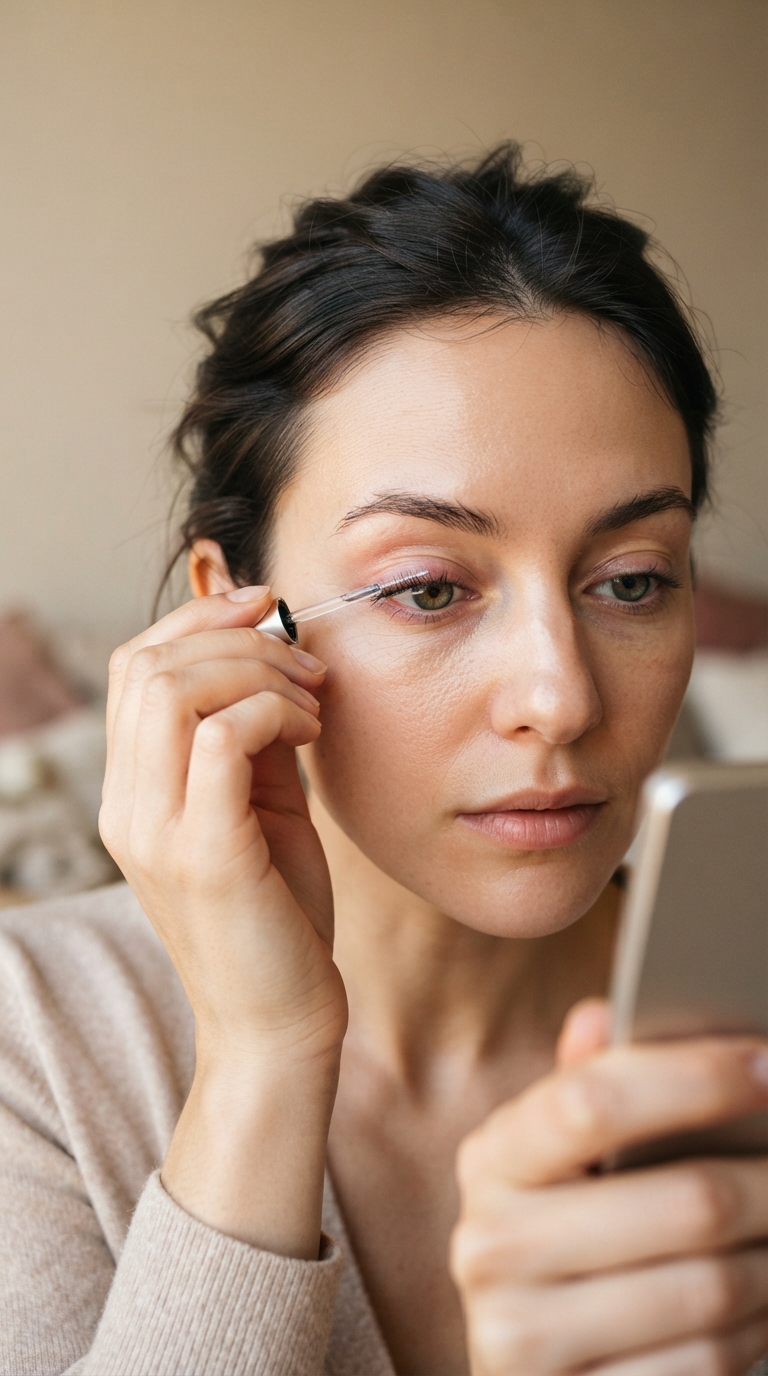
Whatever product is used, consistency over several weeks matters more than the specific formulation, and applying it to clean, dry lashes at night reduces the chance of the product running into the eyes.
Best for: Anyone wanting to add a consistent nourishing step to their nightly routine, with realistic expectations about the evidence behind it.
Habit 7: Ask a Doctor About Prescription Lash Growth Treatments
Prescription-strength lash growth treatments containing bimatoprost are the option with the strongest clinical evidence behind them for increasing lash length, thickness, and darkness, but they require a doctor’s prescription and carry potential side effects — including changes in eye color with long-term use in some cases, and eyelid skin darkening — that make professional guidance genuinely important rather than optional. This is not a product to source informally; a doctor can assess whether it’s appropriate for your specific eyes and health history.

Best for: Anyone seeking a more clinically supported option than over-the-counter serums, who is willing to have the conversation with a doctor first.
Habit 8: Support Overall Nutrition
Like hair and nails, lashes are made largely of keratin, and a generally balanced diet with adequate protein supports the body’s ability to produce healthy hair structures throughout, lashes included. Biotin is frequently marketed for lash and hair growth, but the evidence specifically supporting biotin supplementation is strongest for people with an actual deficiency, which is relatively uncommon — a varied, nutrient-adequate diet is a more broadly useful foundation than a single targeted supplement.

Best for: Anyone building sustainable, long-term habits as part of a broader approach rather than seeking an isolated fix.
Habit 9: Clean the Lash Line Regularly
Buildup of oil, makeup residue, and dead skin cells along the lash line can clog follicles and, in some cases, contribute to irritation or minor infections that interfere with healthy lash growth. A gentle lash line cleanser, or a diluted baby shampoo on a cotton swab used carefully along the lash line a few times a week, helps keep the area clean without irritating the delicate skin.
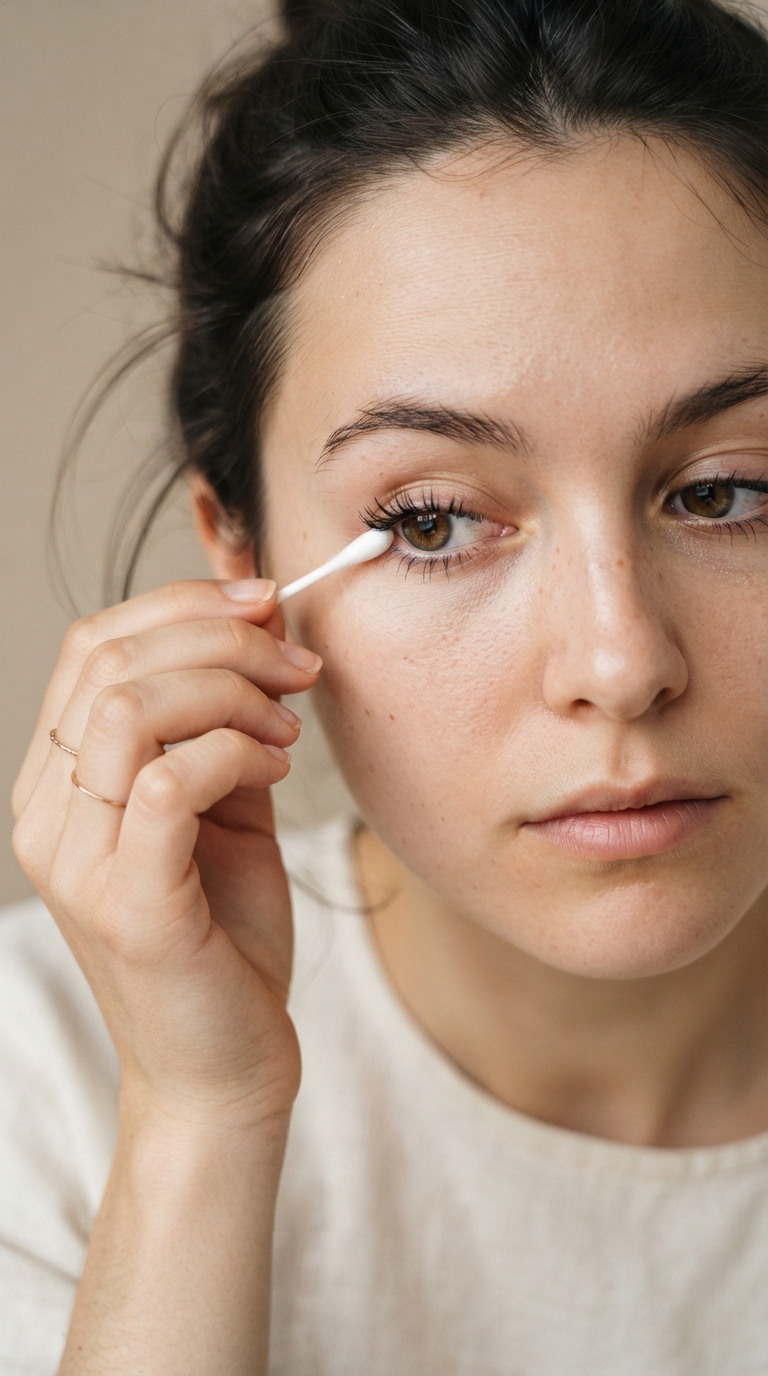
Best for: Anyone who wears eye makeup regularly or has noticed buildup or irritation along the lash line.
Habit 10: Avoid Sharing Mascara and Replace It Regularly
Mascara is one of the more common vectors for eye-area bacterial contamination, since the tube’s warm, moist environment supports bacterial growth over time, and repeated use of contaminated product can contribute to irritation or infection that interferes with lash health. Replacing mascara roughly every three months and never sharing it with others reduces this risk.
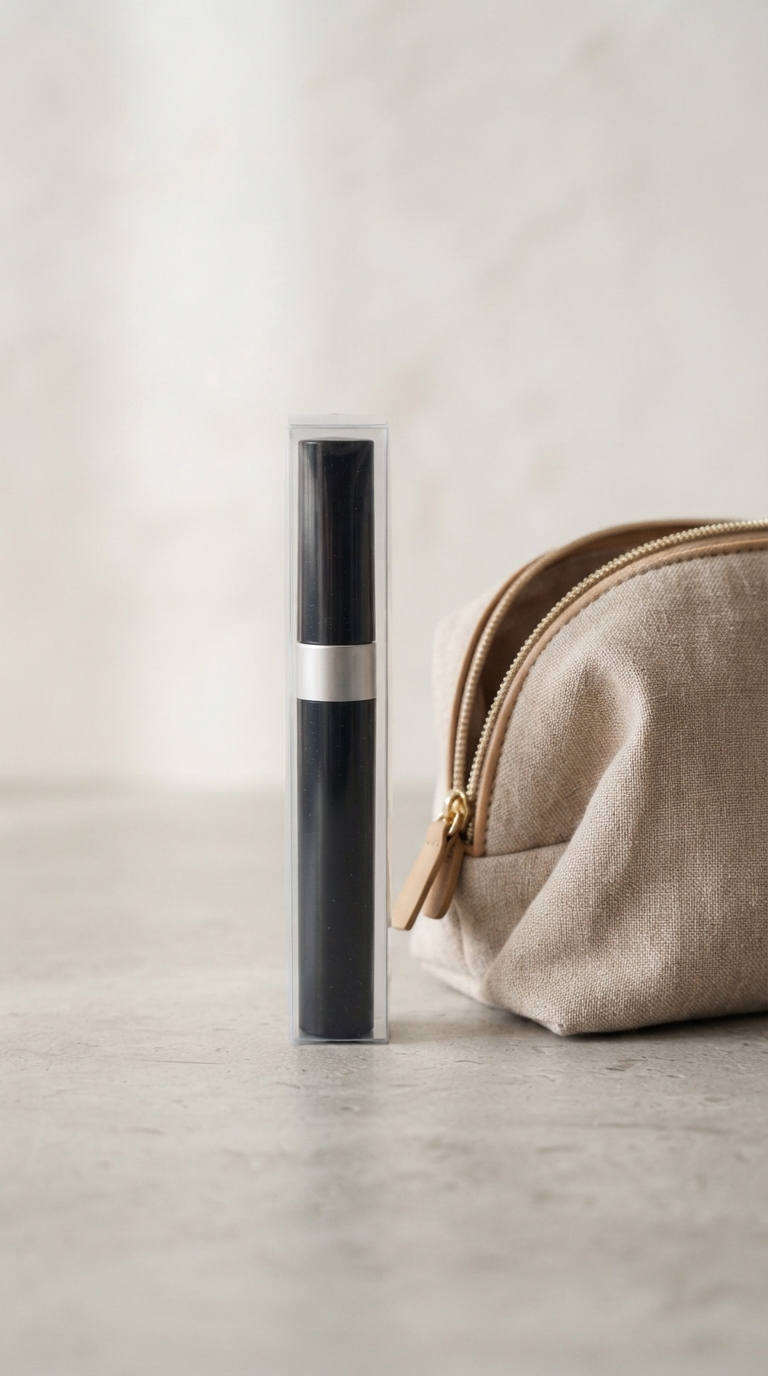
Best for: Anyone who wears mascara regularly and hasn’t thought about tube replacement timing before.
Habit 11: Manage Stress Where Possible
Significant physical or emotional stress can affect the body’s hair growth cycles broadly, including lashes, sometimes contributing to a temporary increase in shedding across the body’s various hair-growing areas. While stress isn’t always avoidable, general stress-management habits — adequate sleep, regular movement, downtime — support the body’s overall hair growth systems rather than lashes specifically, but the connection is real enough to be worth naming.

Best for: Anyone noticing broader hair thinning or shedding alongside lash concerns, which may point to a shared underlying factor.
Habit 12: Know When to See a Doctor
Most lash thinning responds reasonably well to protective habits and time. But sudden, significant lash loss, lashes that stop growing back at all, or lash loss accompanied by other symptoms (skin changes, eye irritation, or broader hair loss elsewhere) are worth a doctor’s evaluation rather than continued at-home experimentation, since these patterns can occasionally point to an underlying health condition, medication side effect, or eye-area issue that needs direct treatment.
Best for: Anyone experiencing lash changes that feel different from ordinary, gradual thinning — sudden, patchy, or accompanied by other symptoms.
Building a Realistic Lash Care Routine
Start with the protective habits first — gentle makeup removal (Habit 1), avoiding eye rubbing (Habit 2), and being cautious with curlers (Habit 3) — since these address the most common, avoidable causes of premature lash loss before adding any new product. Once those feel automatic, a consistent nightly serum or oil (Habit 6) is a reasonable next addition, understood as a supportive habit rather than a guaranteed transformation.
Avoid changing several habits at once if you want to understand what’s actually helping — lash growth is slow enough that isolating variables, even loosely, makes the process far less confusing.
What to Realistically Expect
A full lash growth cycle takes roughly 6 to 10 weeks, so any consistent habit needs at least that long, and often longer, before a meaningful difference is visible. Lashes shed naturally as part of this cycle even in perfectly healthy conditions, so noticing a few lashes fall out day to day isn’t itself a sign that something is wrong — it’s the expected pattern of a normal growth cycle continuing to turn over.
Closing Thoughts
Longer, healthier-looking lashes come down to protecting a slow, natural growth cycle far more than any single product accelerating it. The habits here are about removing the everyday sources of damage — harsh removal, rubbing, curling stress, contaminated products — so the lashes you already have get the chance to complete their full growth cycle instead of breaking off early.
Save this guide, start with the protective habits, and give your lashes the months they genuinely need before judging whether something is working.