


17 Ways to Make Affordable Clothes Look More Expensive
Expensive-looking style is often mistaken for expensive clothing, but the two are not the same thing. A costly jacket can still look unpolished if the sleeves are too long, the fabric is badly wrinkled, the shoulders fit poorly, or it is combined with pieces that compete for attention. At the same time, an inexpensive blazer, pair of trousers, or knit can look remarkably refined when the fit is right, and the entire outfit has a clear visual direction.
That distinction matters because most of the details that make clothing look polished are not hidden inside a price tag. They are visible in the way the fabric falls, how the garment sits at the shoulders, whether the trouser hem works with the shoes, whether the colors look intentional, and how well the clothes have been maintained. Even small details such as buttons, loose threads, lint, creasing, or a worn handbag can influence the impression of an outfit more than the brand name sewn into the label.
Affordable wardrobes also benefit from restraint. When clothing is heavily embellished, covered with contrasting details, or designed around several trends at once, construction flaws become more obvious and the garment may date more quickly. Simpler pieces often provide more flexibility because styling can do the work instead. A plain cream knit can look casual with jeans and sneakers, polished with tailored trousers and loafers, or elegant beneath a structured coat. The garment itself does not need to announce its price.
The goal is not to make inexpensive clothing pretend to be designer clothing. It is to make the clothes you own look intentional, well cared for, and suited to your proportions. Those qualities create polish at almost any budget.
The seventeen ideas below focus on exactly that. Some involve styling, while others involve maintenance or small alterations. Most cost little or nothing, and several can completely change garments you already own.
1. Prioritize Fit Before Brand, Trend, or Price
The fastest way to make an affordable garment look better is to make sure it fits well. Poor fit is visually obvious whether the clothing cost twenty dollars or two thousand. Shoulder seams sitting several inches beyond where the design intended, trousers pulling across the hips, waistbands gaping, sleeves covering the hands, or jackets that collapse around the body can make an outfit feel unfinished.
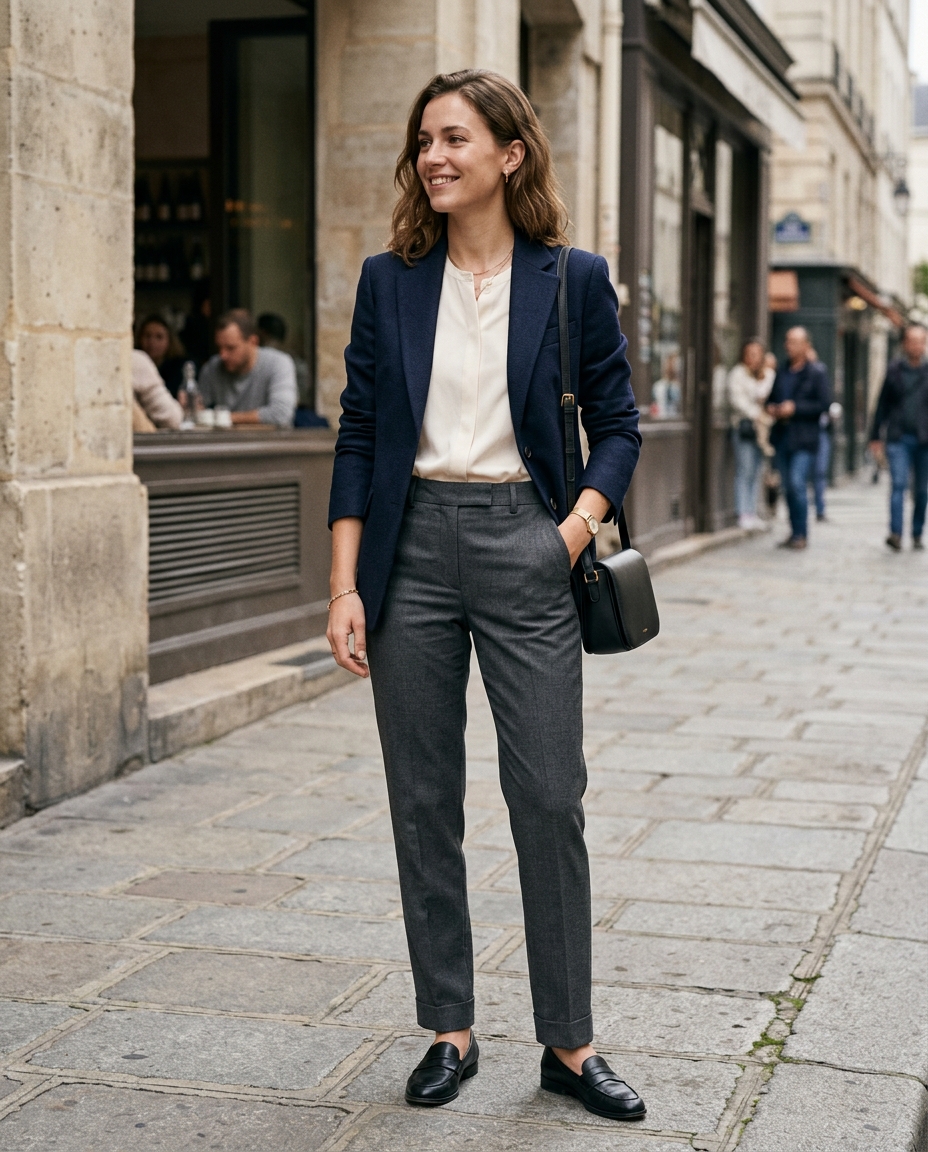
This does not mean everything should fit tightly. Oversized clothing can look extremely polished when the shape is intentionally oversized. The difference is construction. A deliberately oversized blazer has proportions designed around a broader shoulder, longer sleeve, or relaxed body, while a fitted blazer bought several sizes too large may simply look as though it does not belong to the wearer.
Start with the areas that are hardest to alter. Jackets and coats should generally fit well through the shoulders unless they are deliberately designed to drop beyond them. Trousers should fit comfortably through the rise and hips, while shirts should close without pulling. Once those areas work, easier changes such as hemming or sleeve shortening can refine the garment further.
A less expensive piece that fits correctly will almost always look more polished than an expensive piece fighting against the body.
2. Tailor the Almost Right Pieces
Ready-to-wear clothing is produced around standardized measurements, which means perfect fit straight from the rack is uncommon. A pair of trousers may fit beautifully through the hips but be several inches too long. A blazer may sit perfectly on the shoulders while the sleeves cover half the hand. These are not necessarily reasons to reject the garment.
Basic tailoring can dramatically improve affordable clothing because it removes the visual clues that make something look generic or poorly fitted. Hemming trousers, shortening sleeves, adjusting a waistband, or refining a skirt length can make the clothing appear as though it was selected specifically for the wearer.
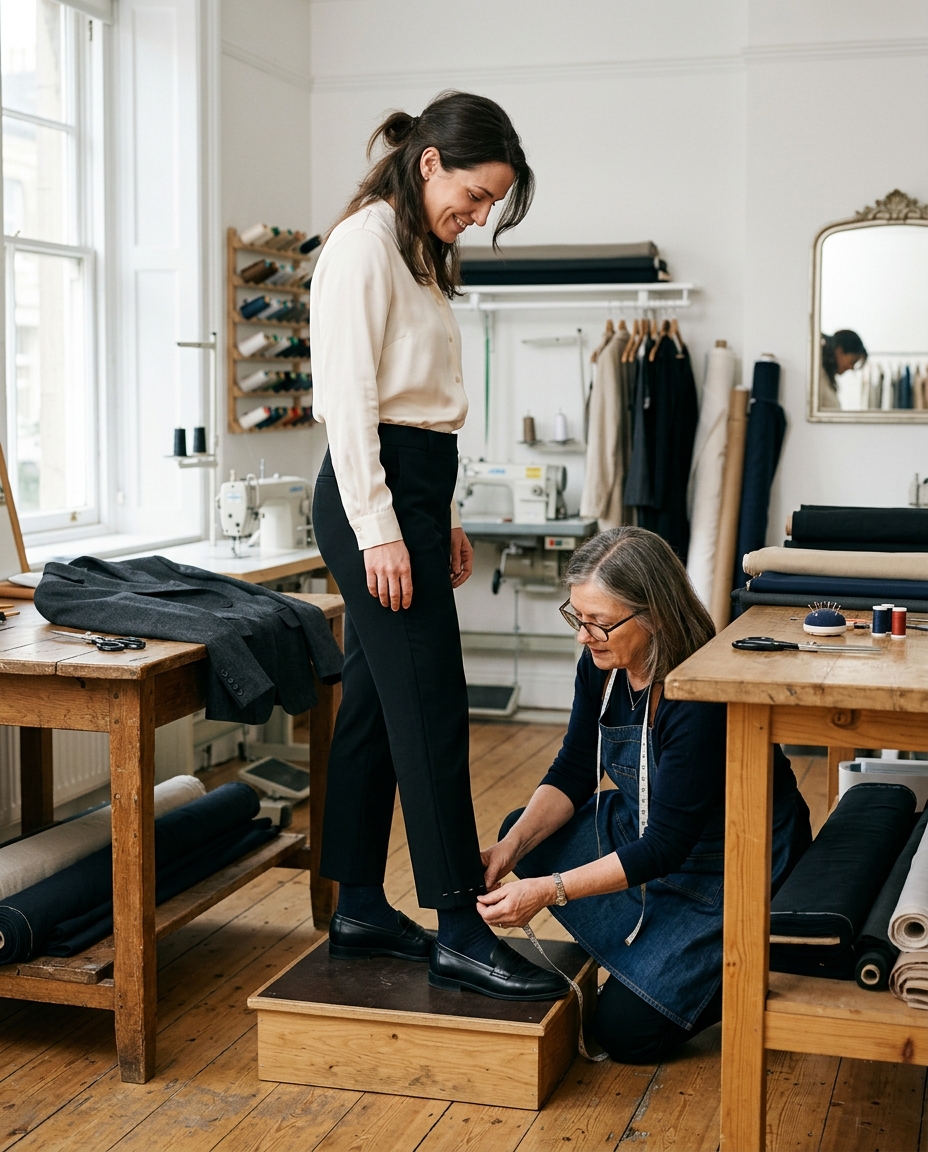
The key is choosing alterations strategically. Simple changes are usually much more cost-effective than trying to reconstruct an entire garment. If the shoulders of a heavily structured blazer are completely wrong, replacing it may be more sensible than rebuilding it. In contrast, shortening sleeves or taking in a slightly loose waist can often transform an otherwise excellent piece.
Before buying another version of something you already own, consider whether the existing garment needs a small alteration rather than replacement.
High-Impact Alterations
| Alteration | Visual Improvement |
|---|---|
| Trouser hemming | Creates a cleaner leg line |
| Sleeve shortening | Makes jackets look better proportioned |
| Waist adjustment | Removes gaping or excess fabric |
| Skirt/dress hemming | Places the hem intentionally |
| Side-seam adjustment | Refines overly loose garments |
| Button repositioning | Can improve closure and drape |
3. Steam or Iron Your Clothes Before Wearing Them
Wrinkles are one of the easiest ways to make otherwise good clothing look less polished. A beautifully cut shirt can lose much of its impact when the collar is crushed, and the front is covered with deep fold marks from storage. The same is true of trousers, dresses, skirts, and lightweight blazers.
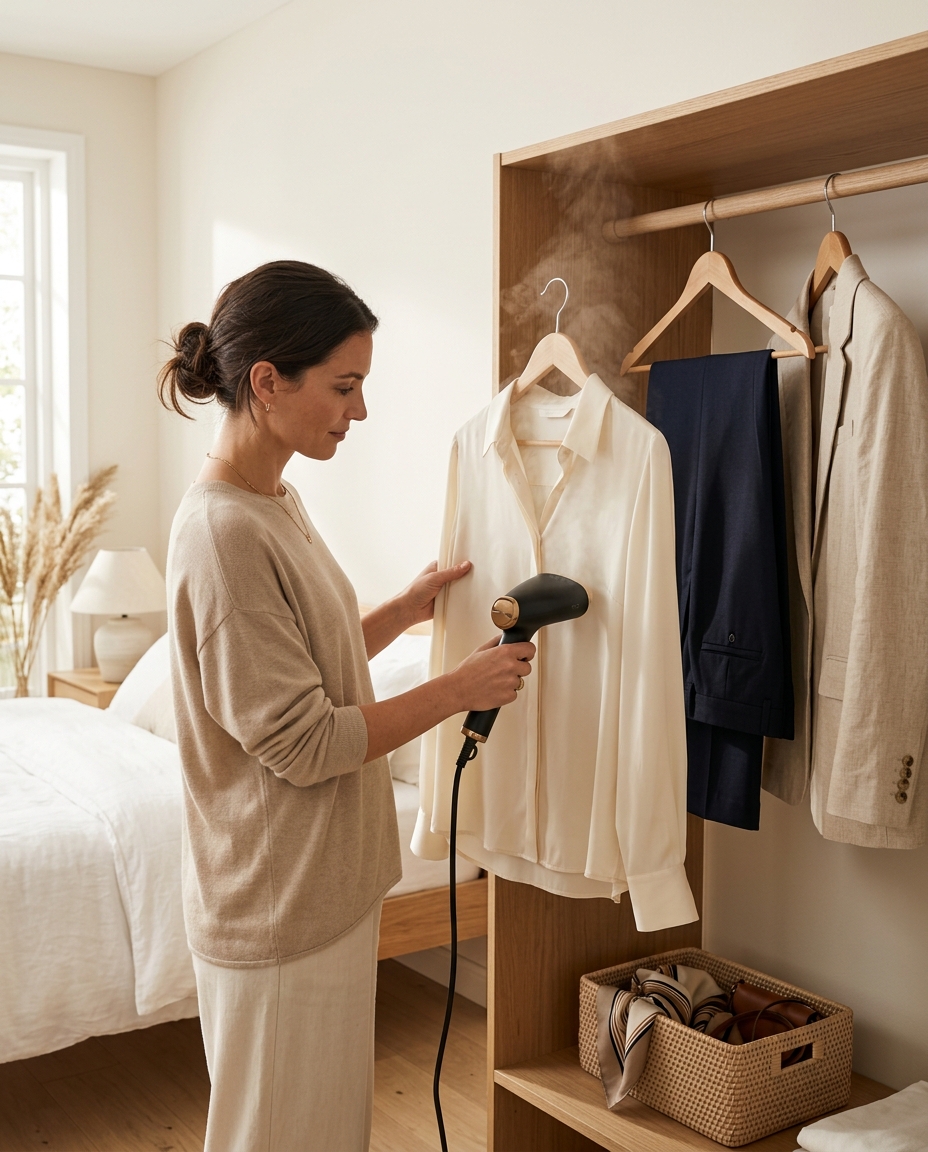
Steaming is especially useful for fabrics that do not need a sharp crease. It relaxes wrinkles while preserving a softer drape, which works well for blouses, dresses, knitwear, and many synthetic fabrics. Ironing is better when the clothing benefits from definition, such as crisp cotton shirts or tailored trousers with a front crease.
The care label matters because different fibers tolerate heat differently. Some synthetics can be damaged by temperatures that cotton or linen would handle easily, and delicate fabrics may require a pressing cloth or professional cleaning rather than direct heat.
The goal is not making every garment look stiff. It is simply making sure wrinkles look intentional if they are part of the fabric, rather than accidental because the clothes came straight from a crowded closet.
4. Choose Fabrics That Hold Their Shape Well
Fabric often influences perceived quality more than price. Some inexpensive garments use materials that drape beautifully and maintain their structure, while other pieces may wrinkle heavily, cling awkwardly, or lose shape after only a few wears.
Look at the fabric rather than assuming natural automatically means expensive and synthetic automatically means cheap. A well-made viscose blouse can drape beautifully, while a low-quality linen blend can look rough and distorted. Dense cotton, structured denim, smooth knitwear, wool blends, heavier crepe, twill, and good-quality viscose can all create a polished appearance when the construction is sound.
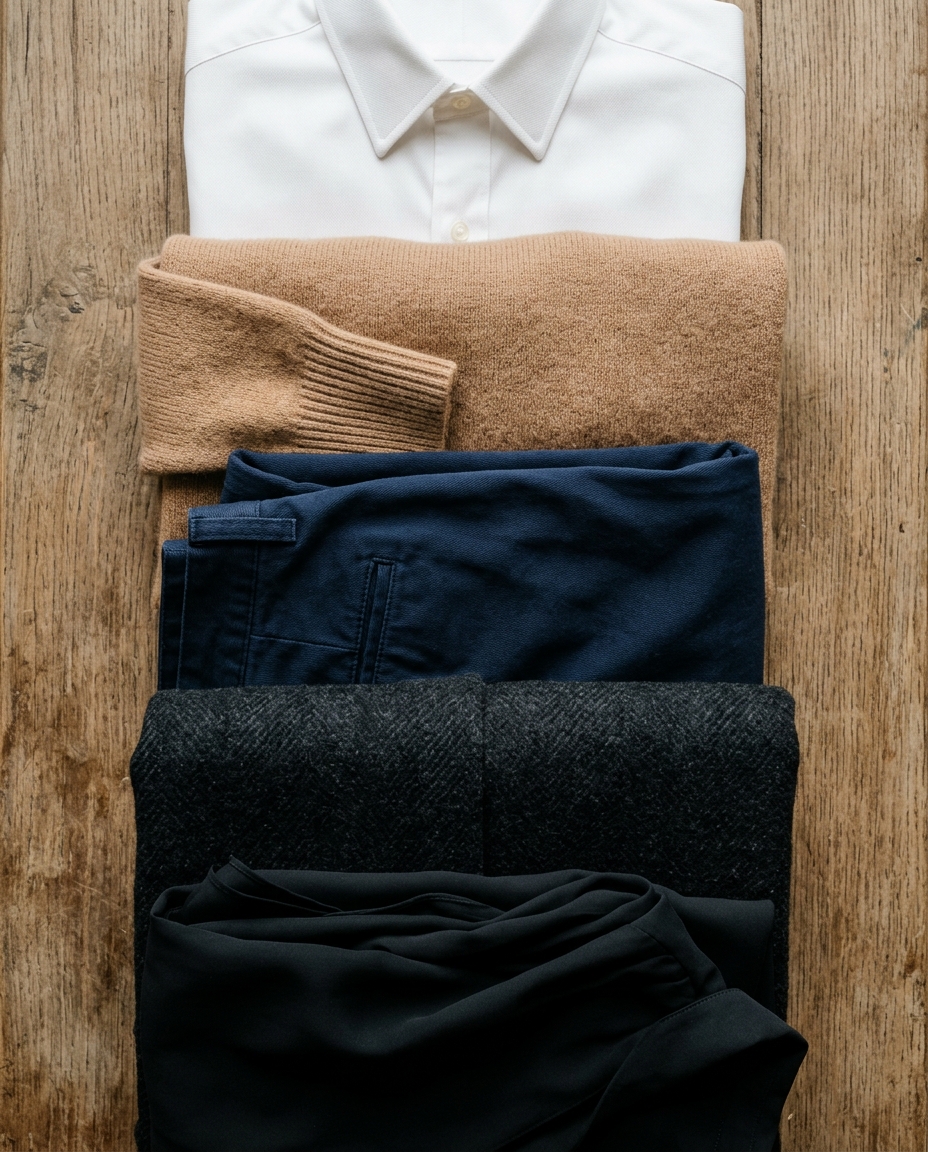
Thickness matters too. Very thin fabric may reveal seams, pockets, undergarments, or every line underneath, which can make otherwise simple clothing look less refined. This is especially noticeable in trousers, skirts, and pale colors. A slightly heavier fabric often hangs more cleanly and creates a smoother silhouette.
Before buying, hold the garment up to light, stretch it gently, and look at how quickly it returns to shape. If it already looks tired on the hanger, it is unlikely to improve after several washes.
Fabric Characteristics Worth Looking For
| Characteristic | Why It Helps |
|---|---|
| Smooth surface | Creates a cleaner visual finish |
| Enough weight | Improves drape and opacity |
| Good recovery | Helps garment retain shape |
| Controlled sheen | Looks more refined than harsh shine |
| Even weave/knit | Makes construction appear cleaner |
| Pleasant movement | Helps inexpensive pieces drape naturally |
5. Build Outfits Around a Controlled Color Palette
Color coordination can make inexpensive pieces look much more intentional. When every garment introduces a completely unrelated color, pattern, or contrast, the eye notices the individual pieces more strongly. When the palette is controlled, the outfit reads as one complete composition.
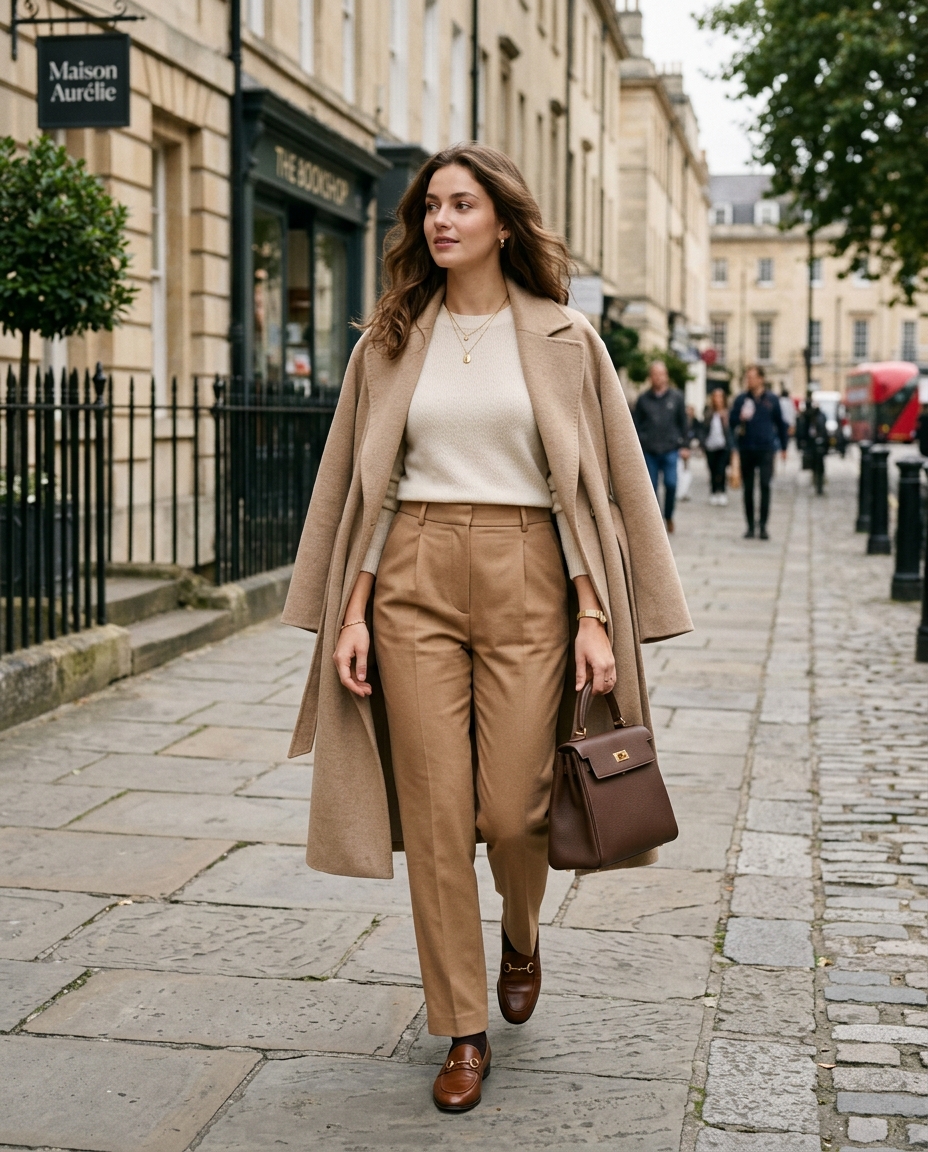
Neutral colors make this easier, which is one reason cream, camel, black, navy, chocolate, grey, olive, and white appear frequently in polished wardrobes. However, expensive-looking style does not require living entirely in beige. Burgundy, red, cobalt, emerald, or another strong color can look extremely refined when the surrounding pieces are restrained.
Tonal dressing is particularly effective. Combining several shades within the same color family creates depth while maintaining cohesion. Camel trousers with a cream knit and chocolate bag can look richer than three unrelated colors even if every piece is inexpensive.
Texture prevents neutral outfits from becoming flat. Knitwear, wool, smooth leather, cotton, and satin-like fabrics create variation even when the colors are close.
Simple Color Formulas
| Formula | Example |
|---|---|
| Warm tonal | Cream + camel + chocolate |
| Cool tonal | Grey + charcoal + black |
| Classic neutral | Navy + white + tan |
| Neutral + accent | Black + cream + red |
| Earth tones | Olive + beige + brown |
| Two-color minimalism | Ivory + black |
6. Replace Cheap-Looking Buttons When They Distract From the Garment
Buttons are small, but they can dramatically influence how a cardigan, blazer, coat, or blouse feels. Thin shiny plastic buttons can sometimes make otherwise attractive clothing look less refined because the hardware draws attention to the garment’s price point.
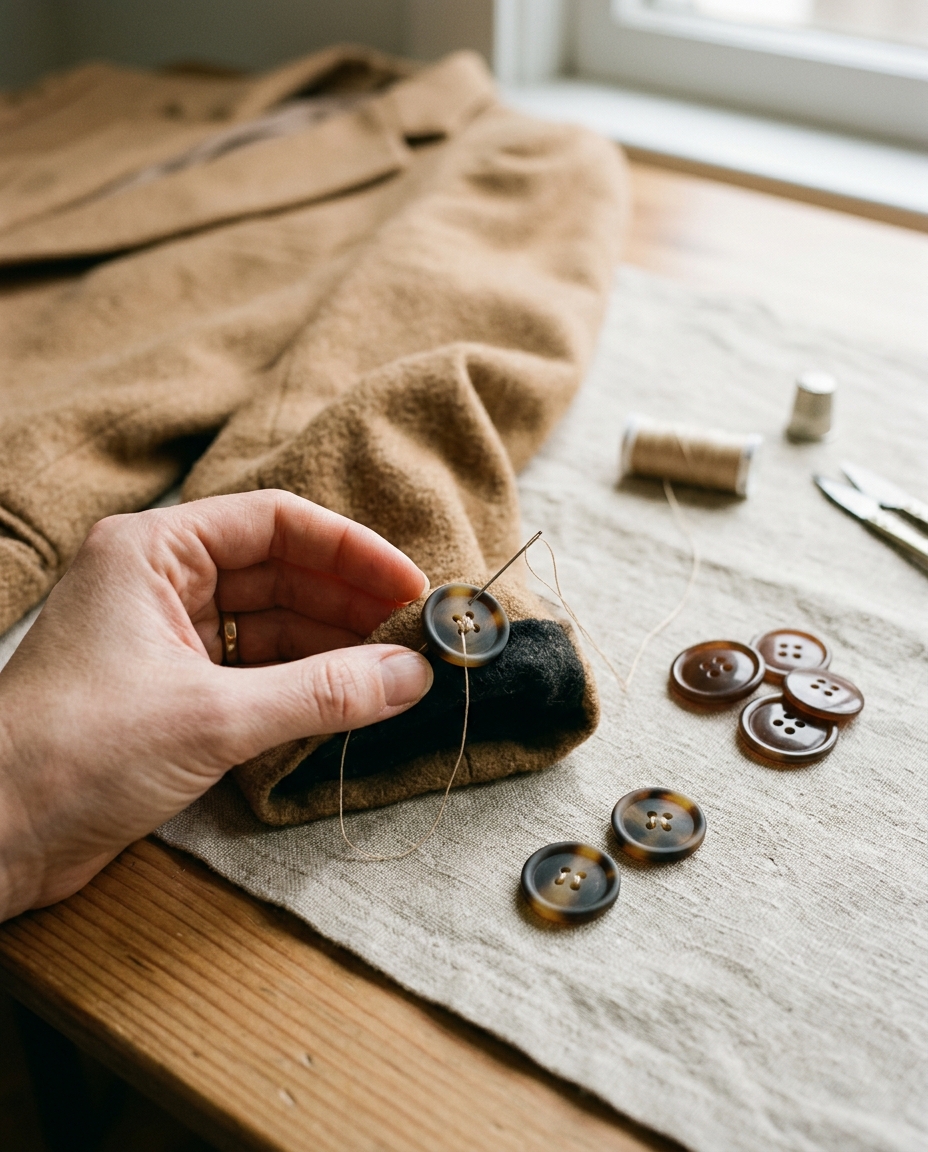
Replacing them can be one of the easiest inexpensive upgrades. Matte horn-effect buttons, tortoiseshell-style buttons, covered fabric buttons, simple metal buttons, or understated neutral options can make the same jacket look more intentional.
The new buttons should suit the garment rather than becoming the loudest feature. Extremely decorative gold buttons can work beautifully on a classic navy jacket but may feel excessive on a soft casual cardigan. The goal is usually subtle improvement, not turning every piece into a statement.
Check the original button size and shank style before purchasing replacements so the new version works with the existing buttonholes. This trick is particularly useful for thrifted pieces. An older wool coat with excellent fabric and dated plastic buttons can sometimes be transformed with very little expense.
7. Keep Shoes Clean and in Good Condition
Shoes sit at the bottom of the outfit, but they influence the entire impression. Scuffed toes, dirty white soles, peeling faux leather, crushed heel counters, or badly worn hardware can make a polished outfit feel less finished.
This does not mean shoes need to be expensive or constantly new. A simple pair of loafers, ankle boots, ballet flats, or clean sneakers can look excellent when they are maintained. Wipe surfaces, clean soles, condition appropriate leather, replace worn laces, and have heels repaired when the rest of the shoe is still worth keeping.
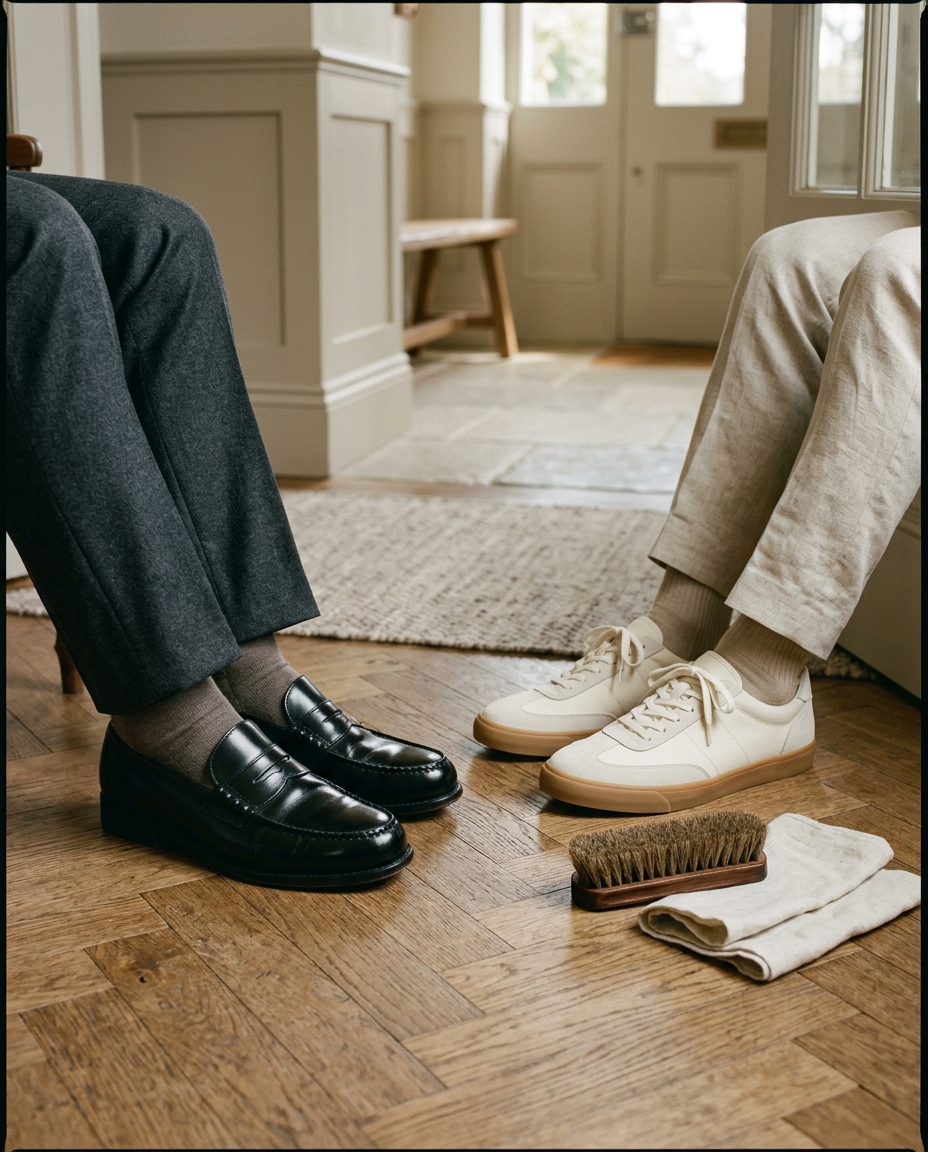
Shape matters as well. Sleek shoes generally create a cleaner line than very bulky designs when the goal is a polished outfit, although chunky footwear can certainly work when it is intentional. Pointed or almond toes often feel slightly more refined, while loafers introduce classic structure.
Do not underestimate comfort. Shoes that look beautiful but cause you to walk unnaturally rarely make an outfit look more elegant in practice.
8. Choose Simple Hardware on Bags, Belts, and Shoes
Hardware is one of the easiest details to make an accessory look busy. Large logos, highly reflective gold plates, several zippers, chains, studs, and decorative buckles can dominate the piece, particularly on affordable accessories where finishing quality may be less refined. Simpler hardware tends to age better visually. A structured bag with one understated clasp can look more polished than one covered in several competing metal details. The same applies to belts and shoes.
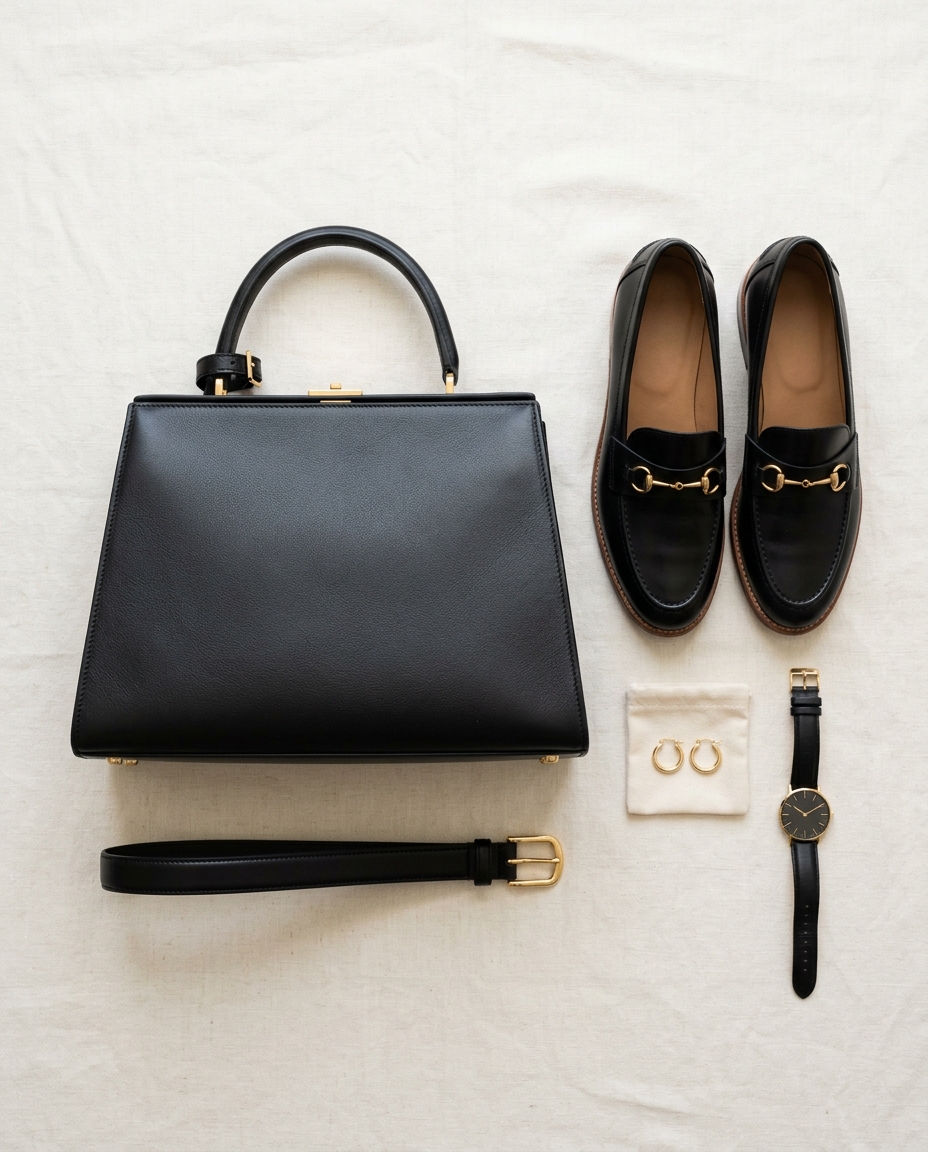
Consistency also helps. If the handbag has warm gold hardware, a belt buckle and jewelry in a similar metal family can make the outfit feel cohesive. Metals do not always have to match perfectly, but repeating one tone reduces visual noise. The strongest affordable accessories often rely on shape rather than decoration. A clean rectangular bag, slim belt, or classic loafer has enough structure to finish an outfit without needing additional embellishment.
9. Remove Pilling, Lint, Loose Threads, and Other Signs of Wear
Clothing does not need to be new to look polished, but it should look cared for. Pilling on knitwear, pet hair on black trousers, dangling threads, or lint across a coat can make quality irrelevant because the eye notices maintenance first.
A fabric shaver can dramatically improve sweaters, coats, and knits that have developed surface pills. Use it carefully according to the garment and device because aggressive shaving can damage thin fabric. A lint roller is useful for darker clothing, especially before leaving the house.
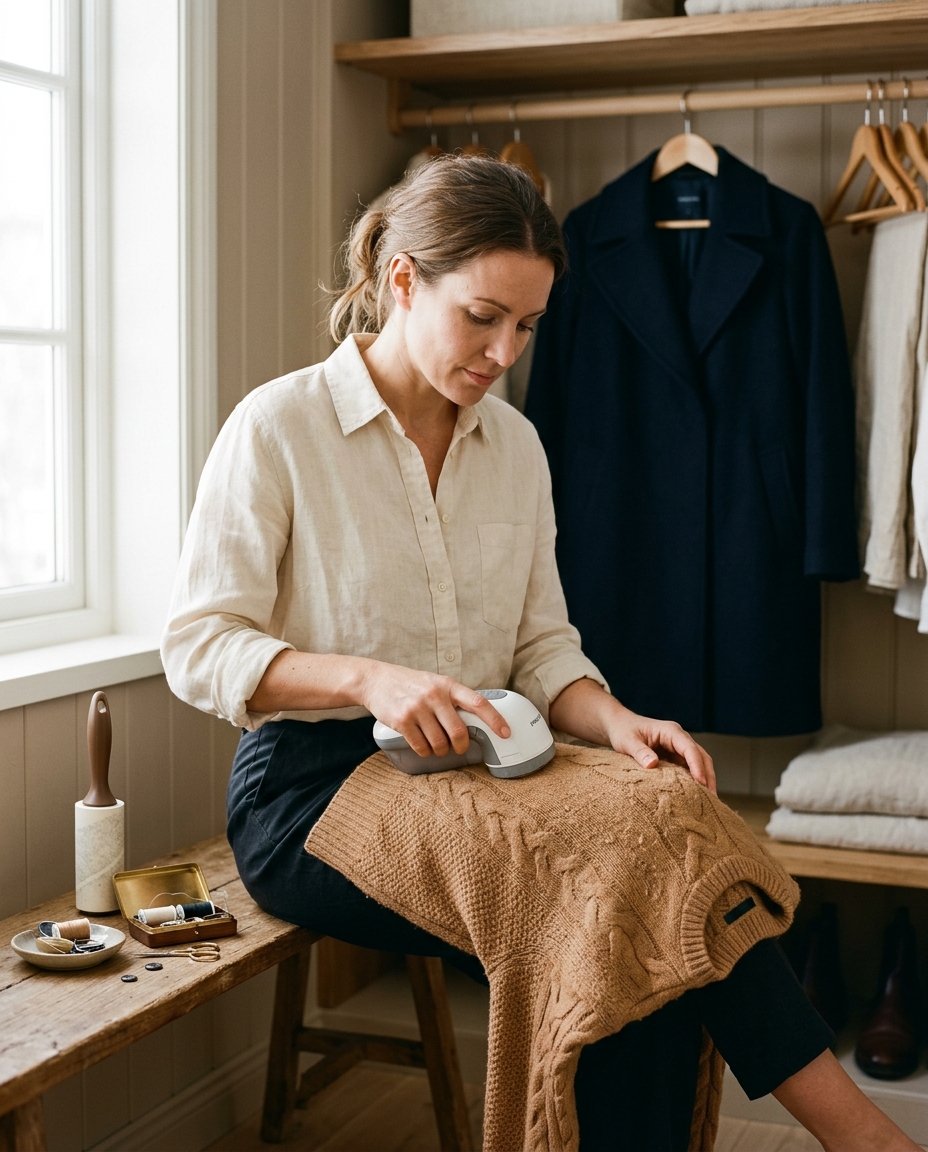
Loose threads should be trimmed rather than pulled. Pulling can tighten seams or create runs, while careful trimming removes the distraction without affecting the structure. Check hems, cuffs, buttons, and zippers occasionally. A coat with one loose button does not need replacing; it simply needs five minutes of maintenance. These small habits extend the visual life of affordable clothing and reduce the urge to replace pieces simply because they have started looking tired.
10. Choose One Structured Piece to Anchor the Outfit
A polished outfit often needs one element that gives the silhouette definition. This could be a blazer, structured handbag, tailored trousers, trench coat, crisp shirt, or firm jacket.
The rest of the outfit can remain relaxed. A basic T-shirt and jeans suddenly feel more intentional beneath a tailored blazer. A soft knit set can look more finished with a structured leather bag. Fluid trousers gain definition when paired with a crisp button-down.
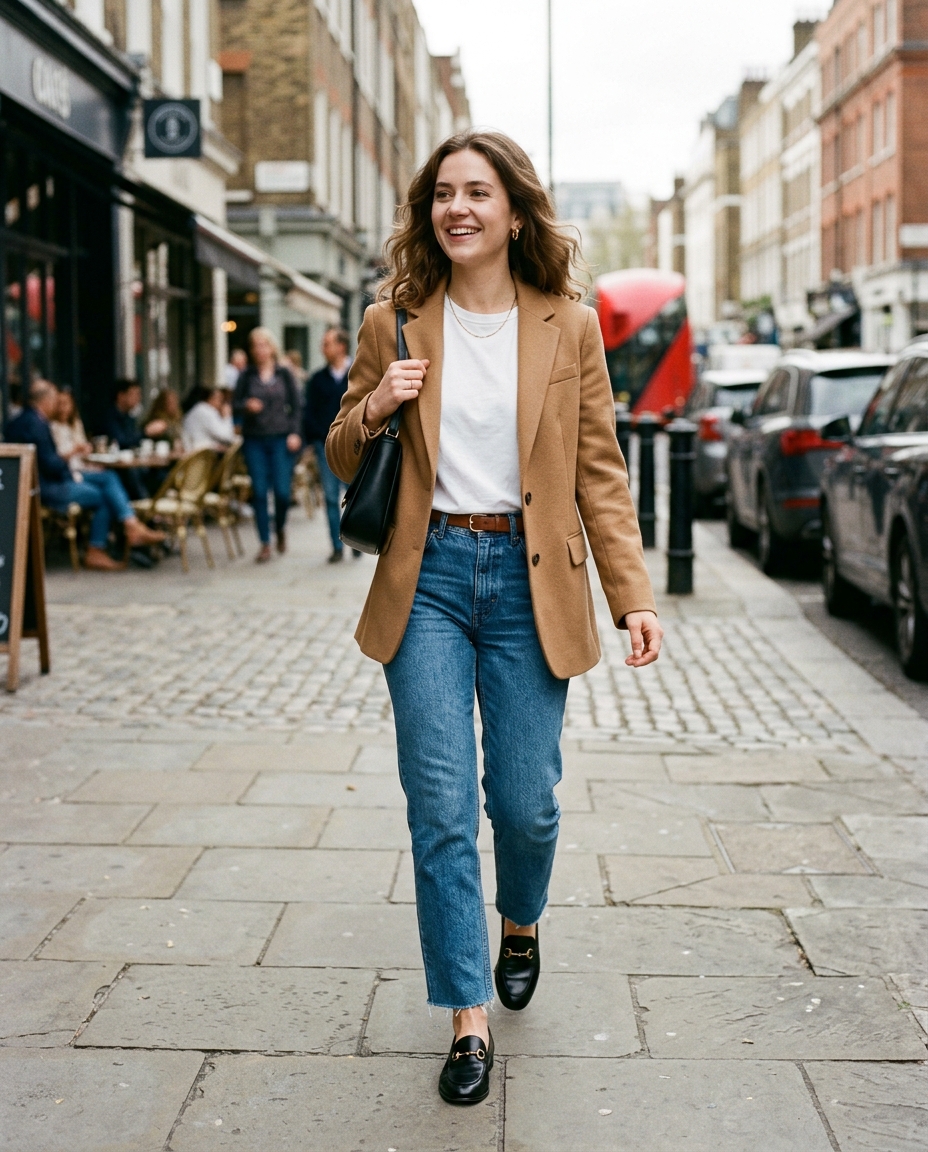
This contrast is useful because expensive-looking style does not require every garment to be formal. In fact, combining soft and structured pieces often looks more sophisticated than wearing tailoring from head to toe. Choose the structured piece according to the outfit. If the trousers already have strong tailoring, a softer knit may be enough above them. If everything is fluid and oversized, a structured bag or jacket can provide the needed balance.
11. Avoid Excessive Logos and Trend Details When You Want a Timeless Look
Visible branding can be part of personal style, but expensive-looking does not automatically mean logo-heavy. In many cases, large logos make the garment itself more noticeable than the outfit as a whole.
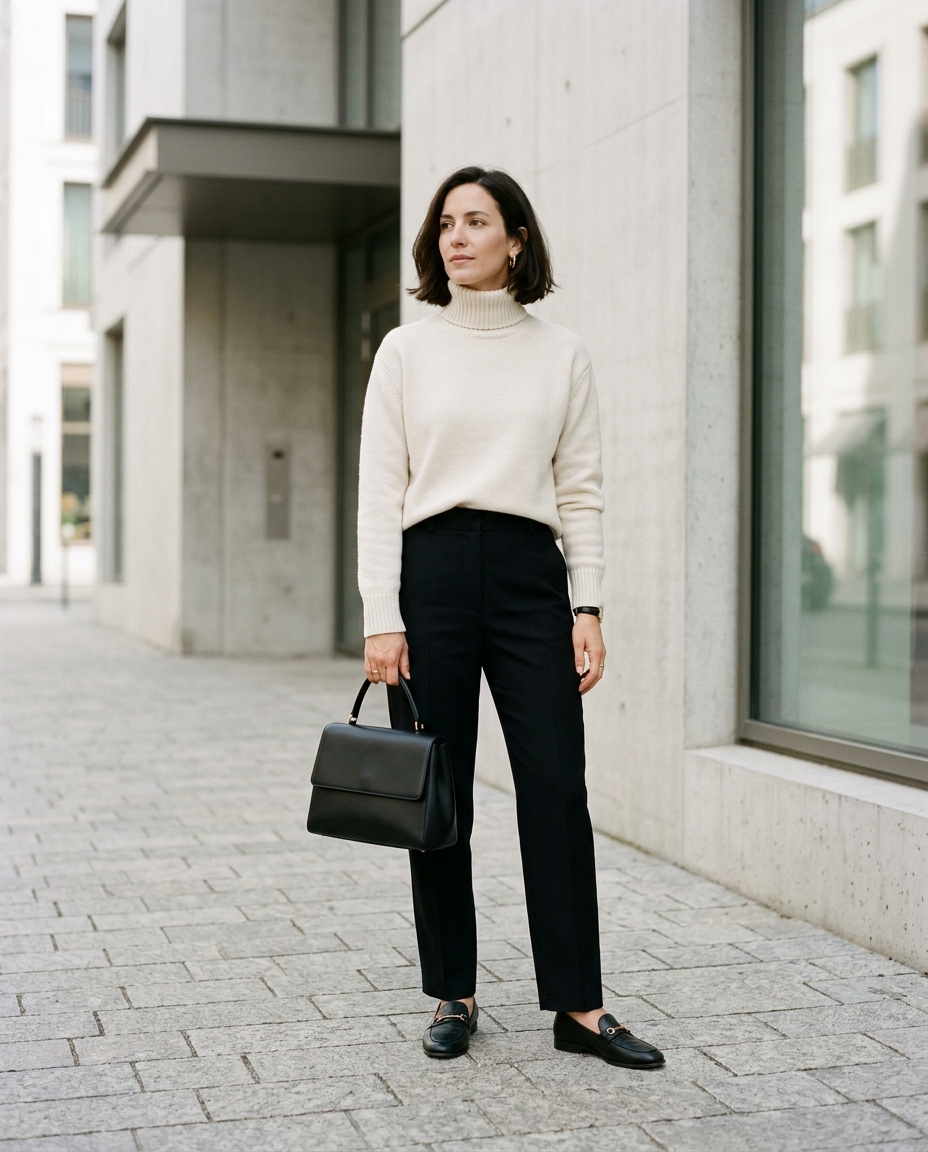
Simple affordable clothing often looks more refined because there is less visual information revealing where it came from. A plain knit with excellent fit can blend seamlessly into an outfit, while a shirt covered in text, contrasting patches, oversized hardware, or several trend details may demand much more attention.
Trend details also date quickly. One or two current elements can make an outfit feel modern, but clothing designed around several trends at once may look tied to a very specific season. A useful approach is to keep the foundation relatively timeless and introduce trends through pieces that are easier to replace, such as shoes, jewelry, sunglasses, or one top. The goal is not to avoid personality. It is creating enough visual quiet that the clothing can be styled in several ways.
12. Use Monochrome Dressing to Make Basics Feel More Intentional
Monochrome outfits are one of the easiest ways to make affordable clothing look cohesive because the eye sees one continuous color story rather than evaluating several individual pieces separately. The colors do not need to match perfectly. In fact, slightly different tones often make the outfit more interesting. Cream, ivory, oatmeal, and beige can sit together beautifully because the variation adds depth. The same principle works with navy, charcoal, brown, olive, or black.
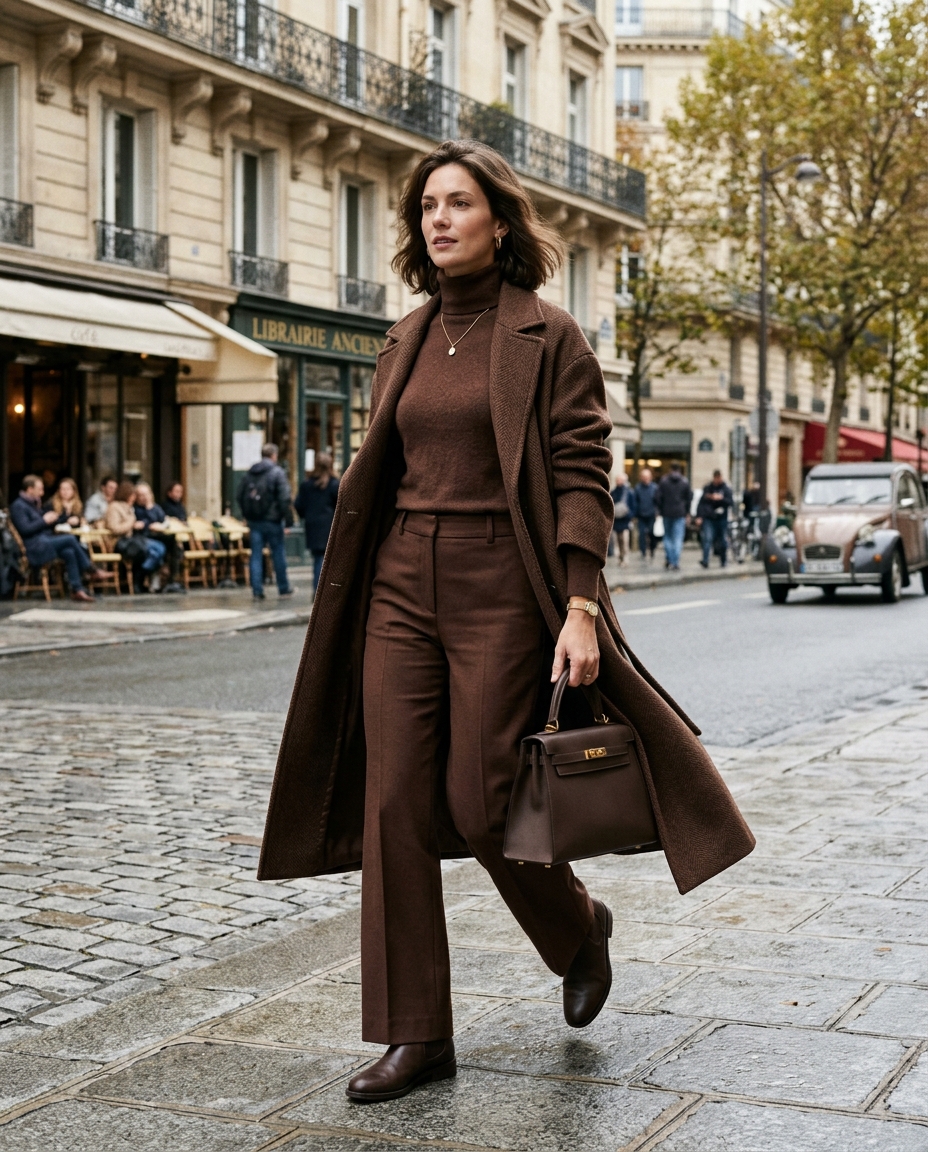
Texture becomes especially important in tonal outfits. Pair a smooth trouser with knitwear, a wool coat, or a leather bag so the outfit does not become visually flat. Monochrome dressing also simplifies accessories. Shoes and bags can either stay within the same family or introduce one controlled contrast. This trick works particularly well with inexpensive basics because the outfit looks deliberately coordinated rather than assembled from unrelated pieces.
13. Pay Attention to Hemlines and Sleeve Length
Small proportion errors can make clothing look less refined even when the garment otherwise fits well. A sleeve that extends too far over the hand, trousers that bunch heavily above shoes, or a blazer that ends at an awkward point can interrupt the silhouette.
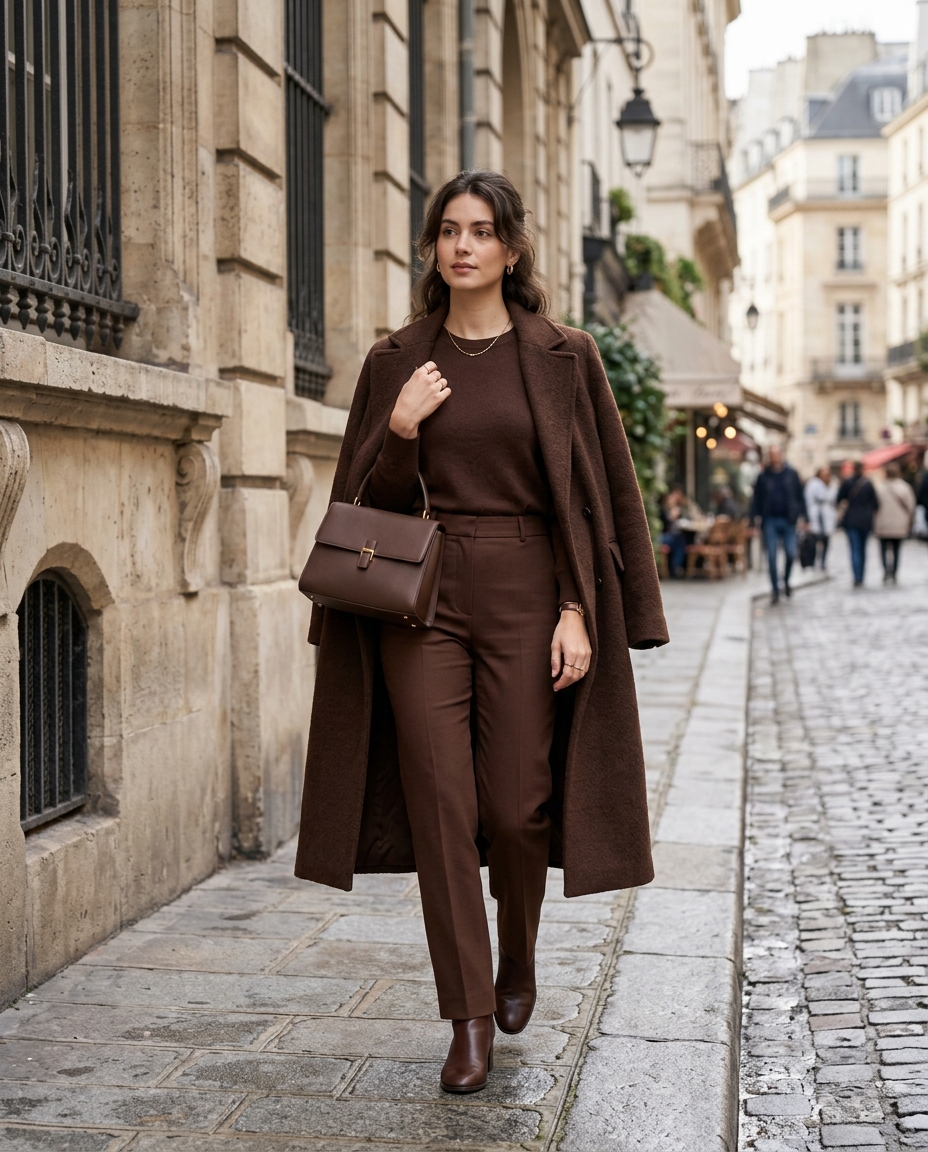
Sleeves on classic blazers usually look cleaner when they end around the wrist rather than covering much of the hand. Shirt cuffs can extend slightly beyond a jacket depending on the styling, but the relationship should appear deliberate. Trouser length should work with the shoes you actually wear. Wide-leg trousers can nearly skim the ground, while straight trousers may have little or no break. Cropped trousers should look clearly cropped rather than accidentally short.
Skirt and dress hems also influence proportion. The same dress can feel entirely different at mid-thigh, knee, midi, or ankle length. Choose the point that works best with the garment shape and footwear rather than assuming the original factory length is automatically correct.
14. Choose Underlayers That Do Not Distract From the Clothes
Sometimes the problem is not the garment itself but what is visible underneath it. Bra lines, straps, bulky seams, undershirts showing through pale fabrics, or underwear lines across lightweight trousers can make even a good outfit feel less clean. This does not mean shapewear is required. The goal is simply choosing undergarments that work with the garment. Seamless options can be useful under fluid trousers or fitted dresses, while a camisole may improve the opacity of a thin blouse.
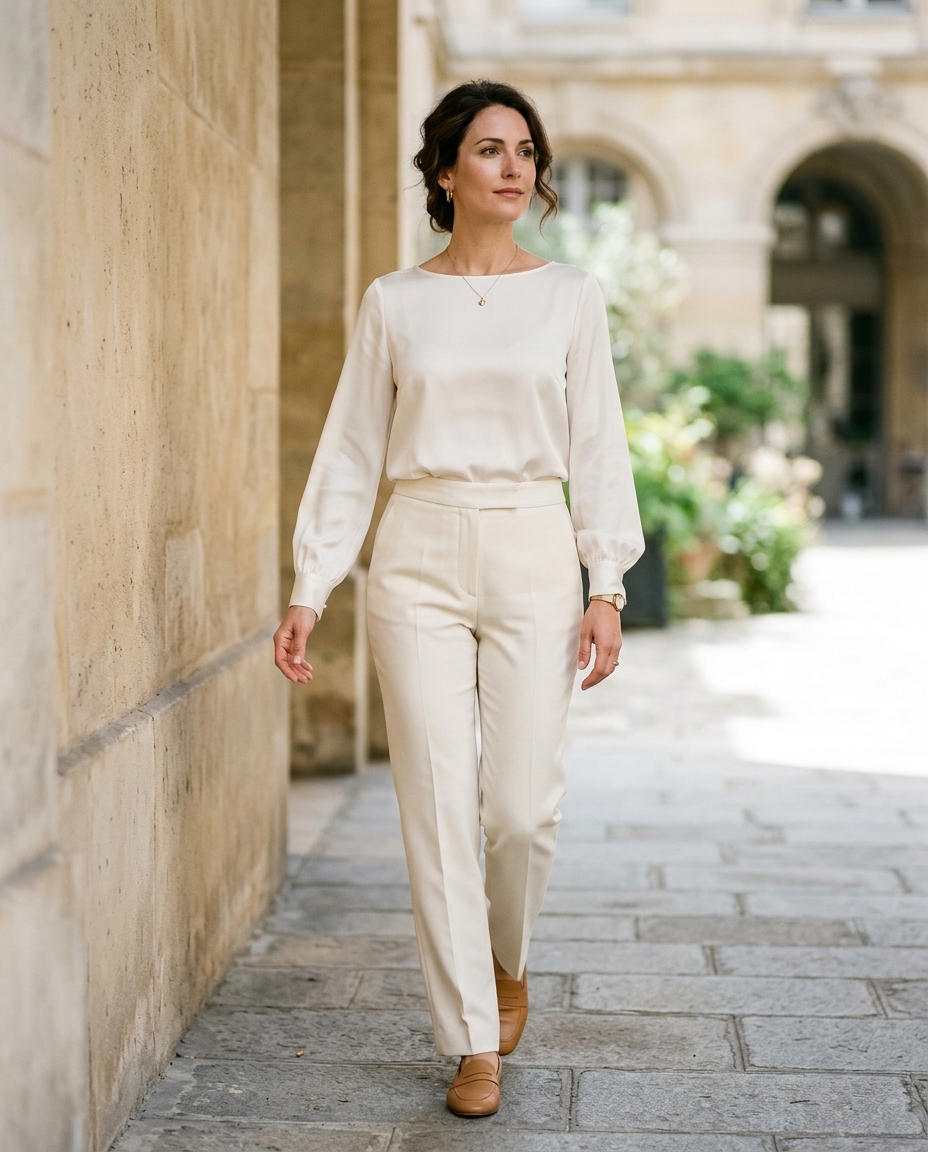
Color also matters. White underwear can be surprisingly visible beneath white clothing because of the contrast against skin. A shade closer to the wearer’s skin tone often disappears more effectively under pale garments. Check the outfit in natural light before leaving because indoor bathroom lighting can hide transparency that becomes obvious outdoors. The underlayer should support the clothing rather than becoming part of the visual story unless that is intentional.
15. Mix High and Low Instead of Trying to Upgrade Everything at Once
One well-chosen accessory or outer layer can change the way several affordable basics are perceived. This is the foundation of high-low dressing: mixing less expensive clothing with a few pieces that add structure, quality, or longevity.
The investment piece does not need to be a luxury designer. It could be a well-made leather bag, durable wool coat, excellent pair of loafers, or tailored blazer bought on sale or secondhand. These items can be worn repeatedly with inexpensive jeans, shirts, knits, and dresses.
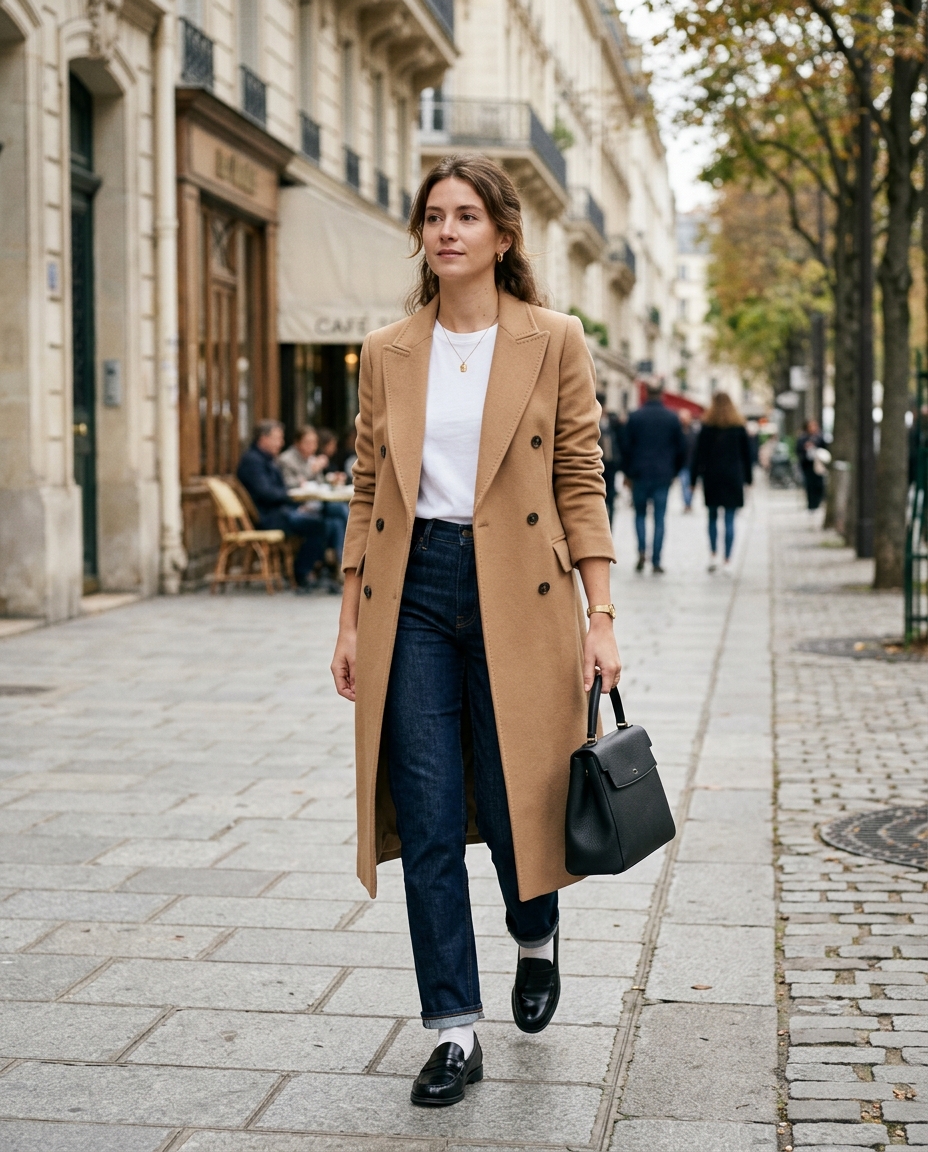
The strategy works because the eye often notices the finishing pieces first. A beautifully structured coat frames everything underneath it. A polished bag makes a simple knit-and-trouser combination feel more complete. Good shoes affect how the entire silhouette finishes. If your budget is limited, this is usually more effective than trying to buy every garment from a more expensive store. Spend selectively on items that will be worn repeatedly and allow basics to remain basic.
Where Spending More Can Have More Impact
| Piece | Why It Can Be Worth Prioritizing |
|---|---|
| Coat | Frames many outfits |
| Shoes | Worn repeatedly and highly visible |
| Bag | Adds structure and polish |
| Blazer | Elevates basics |
| Everyday trousers | Fit affects many outfits |
| Knitwear | Texture is highly visible |
16. Keep Accessories Deliberate and Edit Before Leaving
Accessories can elevate a simple outfit, but they can also make it look cluttered when every possible detail is added at once. A handbag, belt, necklace, earrings, watch, sunglasses, scarf, and several rings may each be attractive individually, but together they can compete for attention.
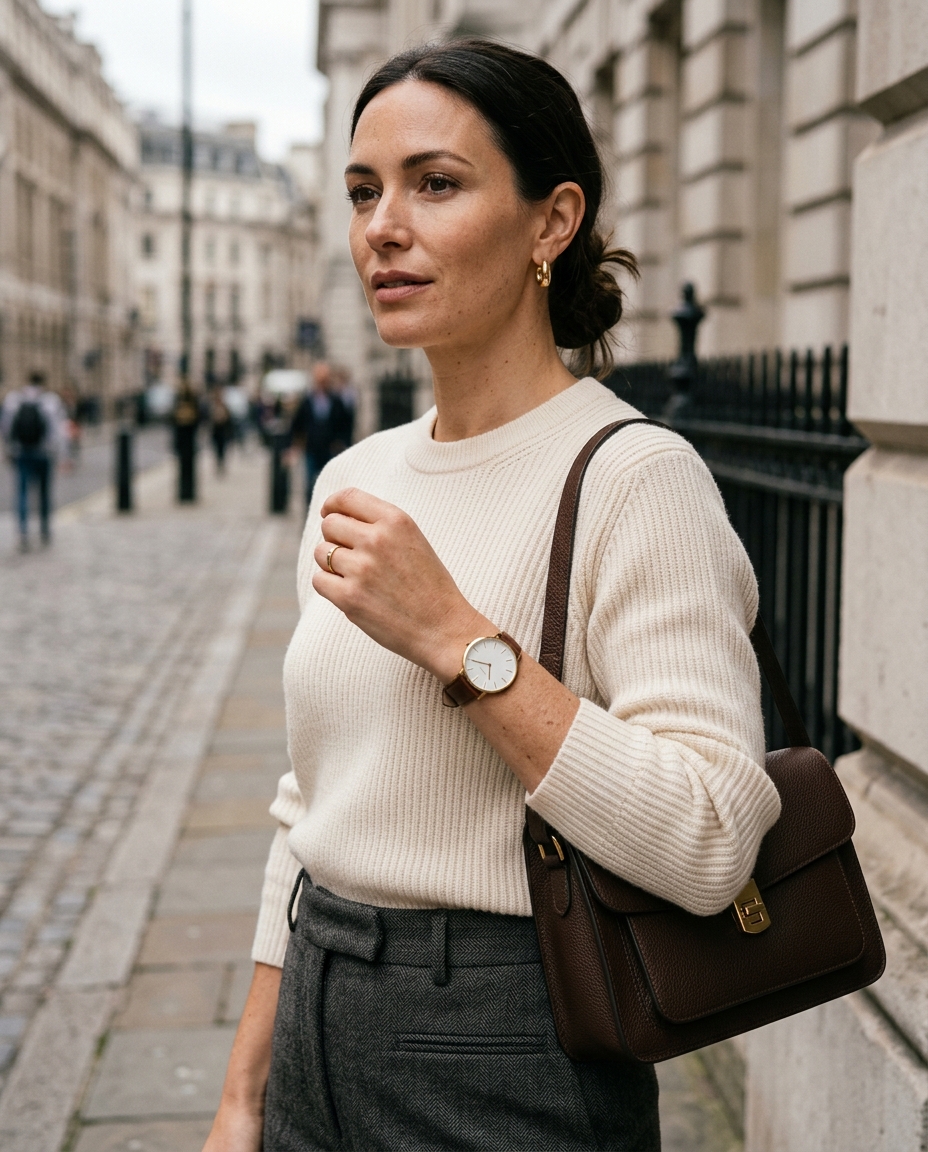
A more polished approach is choosing a few finishing pieces and allowing them enough visual space. If the earrings are bold, the necklace may not be necessary. If the handbag already has strong structure and hardware, a very decorative belt may add more complexity than the outfit needs.
Jewelry does not need to be expensive. Small hoops, a simple chain, a watch, or a few restrained rings can provide enough light and detail to finish the outfit. Avoid pieces with damaged plating or obvious discoloration because condition often matters more than price. Before leaving, look at the entire outfit rather than evaluating each accessory separately. If removing one item makes everything else easier to see, the simpler version may be stronger.
17. Take Better Care of the Clothes You Already Own
The most sustainable way to make an affordable wardrobe look expensive is to keep it looking good for longer. Even excellent clothing deteriorates quickly when it is washed unnecessarily, dried at excessive heat, stored badly, or left with stains and minor damage.
Read care labels rather than washing everything together automatically. Knitwear may last longer when folded instead of hung, because heavy sweaters can stretch at the shoulders. Structured jackets may need shaped hangers so the shoulders keep their form. Dark clothing often retains color better when washed according to the garment instructions and not exposed to unnecessary heat.
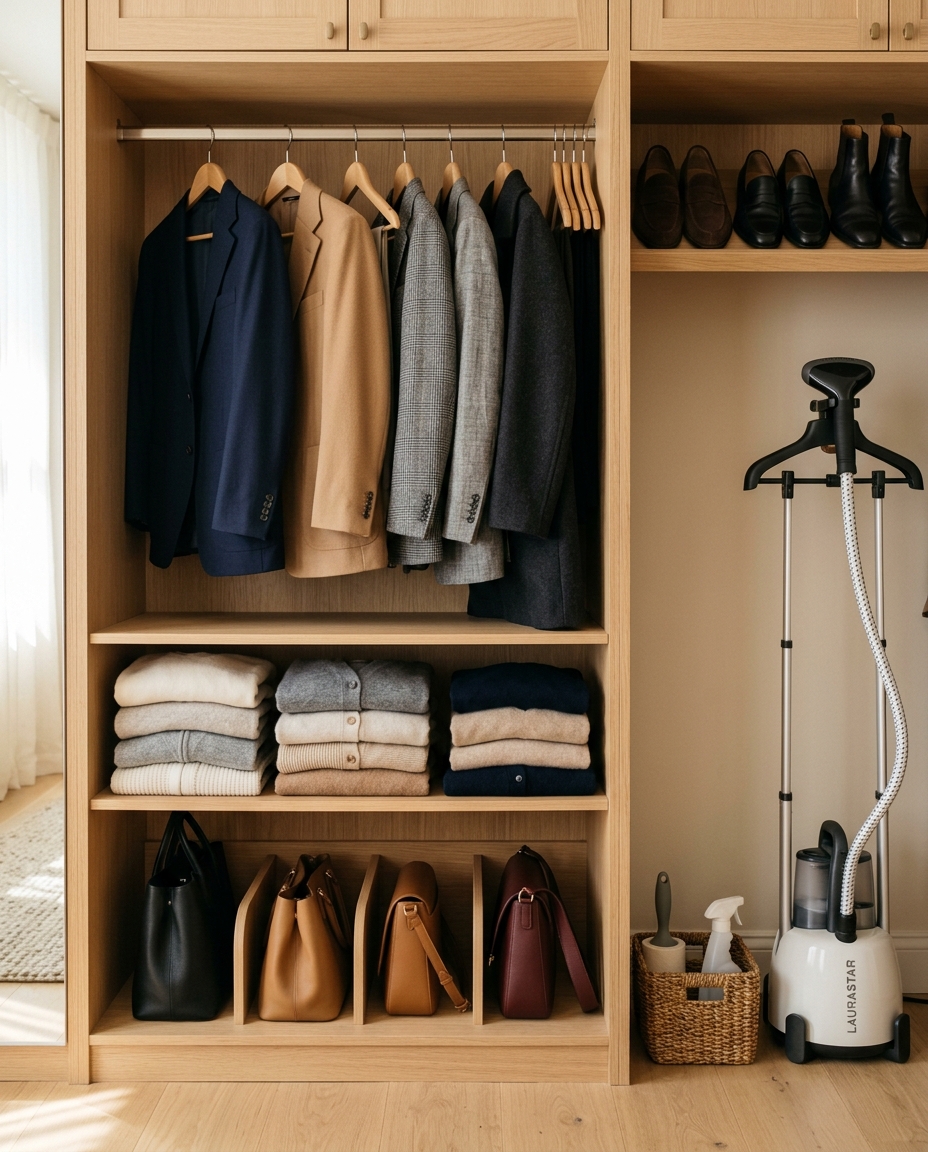
Treat stains early when appropriate because old stains are harder to remove. Let shoes dry properly after wet weather, store bags so they do not collapse, and avoid cramming delicate garments into an overfilled closet where they emerge wrinkled every time. Clothing that remains clean, shaped, and well-maintained continues to look intentional long after its original price has been forgotten.
Simple Wardrobe-Care Checklist
| Item | Useful Habit |
|---|---|
| Knitwear | Fold to prevent shoulder stretching |
| Coats/blazers | Use supportive hangers |
| Shoes | Clean and dry before storage |
| Bags | Store upright or lightly filled |
| Dark clothing | Follow care instructions to reduce fading |
| Delicates | Avoid unnecessary heat |
| Stains | Treat promptly with fabric-appropriate method |
What Actually Makes Clothes Look Expensive?
Perceived quality usually comes from several small visual signals working together. The fabric should hang cleanly rather than fighting the body. Seams and hems should look controlled. Hardware should not overwhelm the garment. Fit should appear intentional, and the clothing should look maintained.
Color plays a role because coordinated palettes reduce visual noise. Structure matters because an outfit with one clear silhouette generally looks more considered than one where every garment introduces a different shape. Condition matters because pilling, wrinkles, dirt, fading, and damaged hardware immediately suggest neglect regardless of original cost.
None of these things require a designer label.
Expensive-Looking Style at a Glance
| Detail | More Polished Effect |
|---|---|
| Fit | Intentional proportions |
| Fabric | Clean drape and adequate weight |
| Color | Cohesive palette |
| Hardware | Simple and controlled |
| Shoes | Clean and maintained |
| Tailoring | Correct hems and sleeves |
| Accessories | Edited rather than excessive |
| Garment care | Minimal wrinkles, lint, and damage |
| Styling | Clear silhouette and focal point |
How to Shop for Affordable Clothes More Carefully
Shopping on a budget becomes easier when you stop judging garments only from the front. Turn them inside out when possible and look at the seams. Check whether loose threads are already appearing. Examine whether patterned fabric lines up reasonably at obvious seams. Test the zipper. Look closely at buttons and buttonholes. Check whether the fabric is transparent in strong light.
Try to imagine the garment after several wears rather than only in the fitting-room mirror. A sweater that already shows fuzzing may pill quickly. A bag with peeling edges on the display model is unlikely to become more durable after purchase. Trousers that fit poorly in the rise are rarely solved by styling.
Think about how the new piece connects with your existing wardrobe. If a blouse only works with one very specific skirt that you do not own, it may not be as useful as a simpler piece that works with five existing outfits. The strongest affordable wardrobe is rarely the one containing the most bargains. It is the one where most pieces actually earn their space.
The Colors That Tend to Look Especially Polished
No color is inherently expensive or inexpensive, but some shades are easier to style cohesively because they function as flexible foundations.
Cream and ivory soften outfits while remaining neutral. Camel introduces warmth and works beautifully with brown, black, denim, olive, and white. Navy provides depth without being as stark as black. Chocolate brown has become a particularly useful alternative to both black and tan because it looks rich while pairing easily with other neutrals.
Grey, burgundy, olive, deep red, and muted blue can also create sophisticated outfits when they are combined intentionally. What matters most is the quality of the shade. Extremely harsh neon tones, inconsistent dye, or colors that fade unevenly may draw more attention to fabric quality. Muted or deep shades often allow inexpensive materials to appear more refined because the color itself is less visually aggressive.
How to Make a Basic Jeans-and-T-Shirt Outfit Look More Expensive
The simplest outfits reveal styling quality most clearly because there is nowhere for poor proportion or fit to hide. Begin with jeans that fit well through the waist and hips and finish cleanly around the shoes. Add a T-shirt made from reasonably substantial cotton rather than one that becomes transparent or badly twisted after washing. Tuck it fully or partially if the proportions benefit from a visible waistband.
Then choose one structured finishing piece. A blazer, trench coat, leather bag, belt, loafer, or pointed flat is enough. The final outfit could be straight blue jeans, a white T-shirt, a black belt, a camel blazer, and loafers. None of the garments needs to be expensive. The polish comes from clean fit, simple colors, and the relationship between relaxed and structured pieces.
How to Make Affordable Workwear Look More Refined
Workwear benefits heavily from repetition and fit. A small rotation of trousers in black, navy, camel, or grey can create dozens of outfits when combined with simple shirts, fine knits, and one or two blazers. You do not need a different outfit formula every day. Focus on clean trouser hems, shoulder fit, sleeve length, and shoes that remain in good condition. These are more noticeable in structured office clothing than in casual weekend outfits.
Avoid buying several cheap blazers that all fit poorly. One or two jackets with strong proportions can do more for the wardrobe than five versions that never quite sit correctly. A neutral base also makes inexpensive clothing easier to mix. When most trousers, blazers, and shoes work together, the wardrobe appears more intentional because outfits repeat a consistent visual language.
What Can Make Affordable Clothes Look Cheaper Than They Are?
Several details can reduce the impact of otherwise good clothing. Heavy wrinkles, excessive pilling, loose threads, peeling faux leather, worn shoe soles, and badly tarnished hardware all draw attention quickly. Fit problems are just as important. Sleeves that are obviously too long, trousers dragging across the pavement, shirts pulling across buttons, or shoulders collapsing incorrectly make construction issues visible.
Too many trends can also expose inexpensive clothing more quickly. A garment combining cutouts, metallic fabric, oversized hardware, several prints, and decorative stitching has far more details that need to be executed well. When the construction is inexpensive, each additional detail creates another opportunity for the finish to look inconsistent.
Simple clothing gives budget pieces more room to succeed.
A Practical Affordable Wardrobe Formula
You do not need an enormous wardrobe to create polished outfits. A small set of versatile foundations can be styled repeatedly.
| Category | Useful Foundation |
|---|---|
| Trousers | Black or charcoal tailored pair |
| Denim | Straight-leg dark or mid-blue jeans |
| Shirt | White or ivory button-down |
| Knit | Cream, grey, navy, or camel |
| Blazer | Black, navy, camel, or charcoal |
| Coat | Neutral long coat or trench |
| Shoes | Loafers + clean sneakers + simple boots |
| Bag | Structured neutral everyday bag |
| Belt | Simple leather or leather-look belt |
| Accessories | Small earrings, watch, simple necklace |
This is only a framework, not a required capsule wardrobe. The point is that pieces become more valuable when they can repeatedly support one another.
17 Ways at a Glance
| Tip | Main Effect |
|---|---|
| Prioritize fit | Makes clothing look intentional |
| Tailor key pieces | Creates near-custom proportions |
| Steam or iron | Removes visual neglect |
| Choose better fabrics | Improves drape and structure |
| Control the color palette | Makes outfits cohesive |
| Replace weak buttons | Upgrades visible details |
| Maintain shoes | Finishes the outfit cleanly |
| Simplify hardware | Reduces visual clutter |
| Remove pilling and lint | Restores garment appearance |
| Add one structured piece | Gives the silhouette definition |
| Limit excessive logos | Creates more timeless styling |
| Dress tonally | Makes basics feel coordinated |
| Correct hems and sleeves | Improves proportion |
| Choose smooth underlayers | Keeps clothing lines clean |
| Mix high and low | Uses investment pieces strategically |
| Edit accessories | Keeps the outfit refined |
| Maintain clothing properly | Extends visual quality |
Final Thoughts
Making affordable clothes look more expensive is rarely about disguising where they came from. It is about making sure the clothing is presented at its best. Start with fit. A simple inexpensive pair of trousers that falls cleanly and ends at the right point will look more polished than a costly pair that pools around the ankles. Pay attention to fabric because good drape and adequate weight create structure before accessories are even added. Keep colors intentional, and let one or two shades connect the outfit rather than asking every garment to become the focal point.
Then look at the small details. Steam the blouse. Remove the pills from the sweater. Replace the loose button. Clean the shoes. Trim the thread hanging from the hem. Use the structured bag instead of adding three more accessories. None of those changes is dramatic on its own, but together they change how the entire wardrobe reads.
The most polished wardrobes also tend to repeat themselves. The same blazer appears with trousers one day and jeans the next. The same loafers finish several outfits. A cream knit works beneath a coat, with a skirt, or over a shirt. Repetition creates consistency, and consistency often looks more sophisticated than constantly chasing something new.

2 thoughts on “17 Ways to Make Affordable Clothes Look More Expensive”