19 Low-Maintenance Hair Colors That Still Look Polished
e There are two kinds of hair color appointments. The first kind happens every four to six weeks out of necessity — the highlight maintenance, the root touch-up, the toning visit that prevents the color from becoming something unintentional. These appointments are expensive, time-consuming, and for many people, genuinely stressful. The color looks extraordinary for the first two weeks. The next two weeks are fine. And then there is a slow slide toward something that no longer reads as polished, and the appointment cycle begins again.
The second kind of appointment happens every three to five months because the color was designed to not need anything more frequent than that. The roots growing in are part of the look rather than evidence that the look has been neglected. The color at twelve weeks looks like a more relaxed, more lived-in version of the color at two weeks — not a degraded version of it. And the general impression, maintained entirely without appointments, is that this person has excellent, naturally beautiful hair.
The days of aggressive, high-contrast bleaching and flat, inky dyes are behind us. The overarching theme is Lived-In Luxury.
This shift is not merely aesthetic preference — it reflects a genuine rethinking of what “polished” means in the context of hair color. The most polished hair color is not necessarily the freshest one. It is the one that was designed intelligently from the beginning: a color with a root that makes sense, a tonal range that grows out gracefully, and a technique that improves with time rather than deteriorating between appointments.
These nineteen hair colors represent the full range of what low-maintenance, high-polish hair looks like in 2026. Every shade on this list was selected on the basis of three criteria: how beautiful it looks at appointment day, how beautiful it looks at twelve weeks, and how intelligently it handles the inevitable growth that occurs in between. Every single one passes all three tests.
Color 1: The Shadow Root Blonde — The Low-Maintenance Blonde That Changed Everything
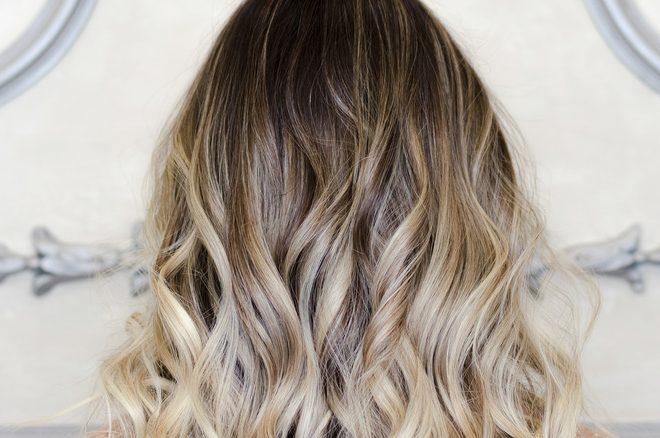
There is something instantly elevated about a blonde that knows where your roots are — in the best way. This rooted creamy blonde has brightness through the lengths, but the shadow at the scalp creates depth and softness. It feels intentional, like a perfectly curated “lived-in” blonde.
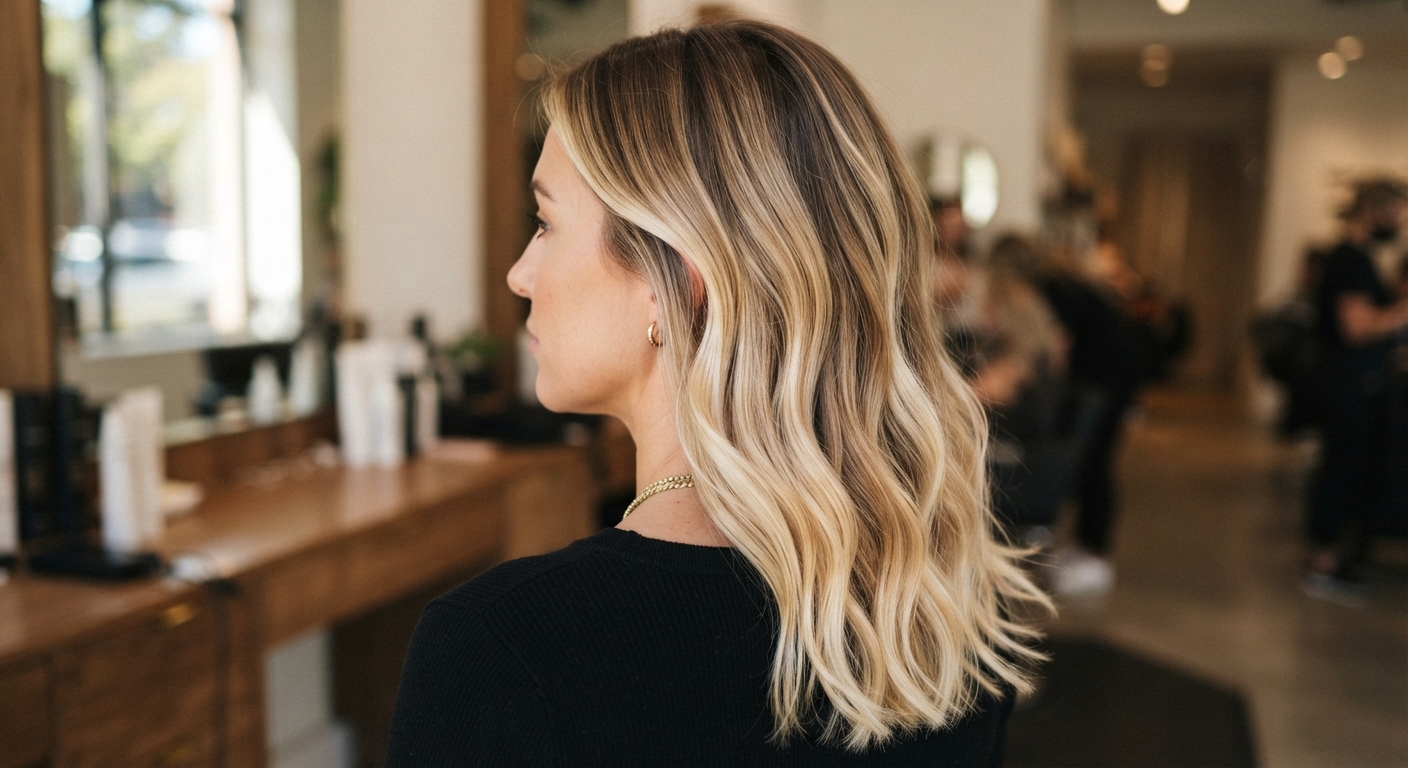
The shadow root is the single most impactful technical innovation in low-maintenance hair color of the last decade. It works by deliberately darkening the root area — using a darker shade applied in a seamless gradient from the scalp — before the lighter color is applied to the mid-lengths and ends. The result is a root that looks intentional rather than grown-out, that creates genuine depth and dimension, and that makes the color appear better rather than worse as time passes.
The root shadow buys you time — weeks of it — because grow-out becomes part of the look. Ask for a soft, blended shadow (no harsh line) and a beige toner through the ends so warmth stays controlled.
The specific version that performs best for low-maintenance clients: a dark blonde to medium blonde shadow root, transitioning into a creamy or beige blonde through the mid-lengths, with the most brightness concentrated at the ends and face-framing sections. This gradient produces the most generous grow-out period of any blonde technique — most clients comfortably extend to four to five months between appointments without the color reading as neglected.
What to ask for: “I want a shadow root blonde — I need the root area darkened deliberately so it looks intentional as it grows. Creamy or beige tones through the lengths and ends, nothing too golden or icy.”
Appointment frequency: Every 14 to 20 weeks. The shadow root is the single greatest gift a colorist can give a client who hates frequent appointments.
Color 2: Soft Balayage — The Original Low-Maintenance Color Formula
Think of balayage as the low-maintenance upgrade with high-end results. It grows out beautifully and still looks polished weeks later.
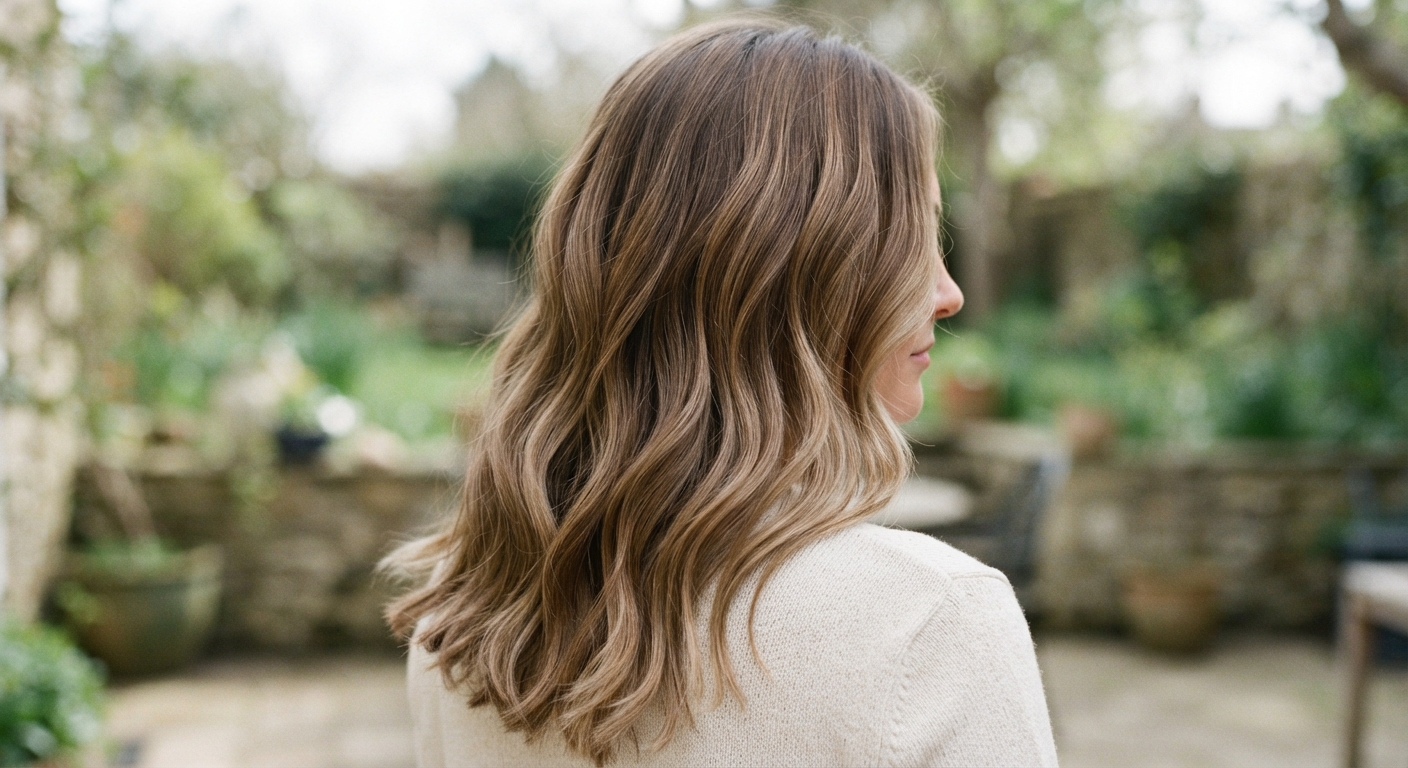
Balayage earns its place as the definitive low-maintenance hair color technique because it was designed from its origins to solve exactly the problem that traditional highlights create. Where foil highlights place color from the root outward and produce a visible regrowth line at the scalp, balayage begins its color placement mid-shaft — leaving the root entirely natural and creating a soft, natural-looking start point that blends invisibly with whatever the root grows into.
“Balayage is about softness and longevity. Hand-painting creates a modern, lived-in result that diffuses grow-out and gives you a more low-maintenance color,” explains colorist Carrozza-Fox.
The soft balayage specifically — as opposed to high-contrast balayage — keeps the tonal range narrow: the highlights are only slightly lighter than the base, placed in sweeping sections through the mid-lengths and ends. The narrow tonal range means the color fades gradually and gracefully, becoming slightly more subtle over time rather than visibly patchy.
In most cases, balayage is soft, well-blended, and natural, with no showy sections or harsh contrasts. Gorgeous dimension, low maintenance, customizable style.
Best for: Natural brunettes and dark blondes who want dimension without dramatically lightening their base. Anyone who wants their hair to look better on the beach than in a controlled salon environment.
Appointment frequency: Every 16 to 24 weeks — the most generous appointment interval of any lightening technique.
Color 3: Lived-In Brunette With Face-Framing Pieces — Dimension Without Commitment
Rich brunettes with highlights: adding dimension with caramel or mocha highlights can make your color pop without the need for frequent touch-ups.
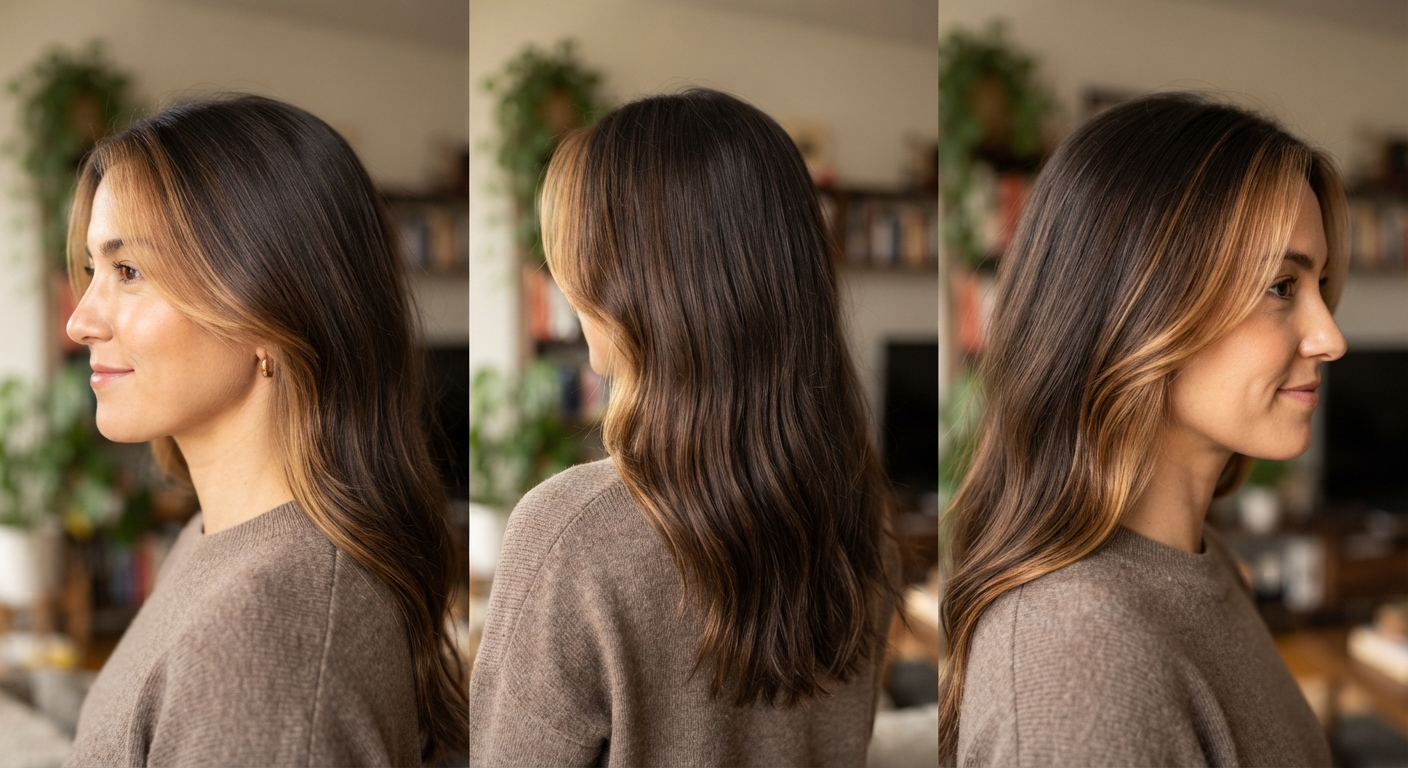
The lived-in brunette with face-framing pieces is the compromise that requires the least compromise of any color on this list. The base remains entirely or almost entirely the natural brunette shade — requiring no significant lightening, no full-head color commitment, and no dramatic departure from the starting point. The face-framing pieces — highlights placed specifically in the sections that fall closest to the face — provide the brightening, lifting effect of full highlights at a fraction of the salon time, color cost, and maintenance requirement.
The face-framing technique targets just the front pieces to create a lovely halo effect around the face. The lighter-colored strands around the face are low-maintenance, easy to grow out, and brighten up just the right areas.
These pieces — typically two to four sections on either side of the center part — provide enough lightness to make the face appear brighter and more lifted, which is the primary visual function that full highlights serve, without the maintenance burden that full highlights create. And because they are concentrated at the face where they are most visible in photographs, conversations, and first impressions, they provide disproportionate visual impact relative to the amount of color involved.
What to ask for: “Face-framing balayage only — I want to keep my natural brunette but brighten the sections that fall closest to my face. Warm caramel or honey tones, nothing too blonde.”
Appointment frequency: Every 16 to 20 weeks.
Color 4: Lived-In Bronde — The Color That Lives Between Everything
This lived-in bronde balayage blends a deeper natural root into bright, buttery mids and ends for a smooth, effortless grow-out. Styled with loose beach waves to show off the dimension and give the color that sunlit, glossy finish.
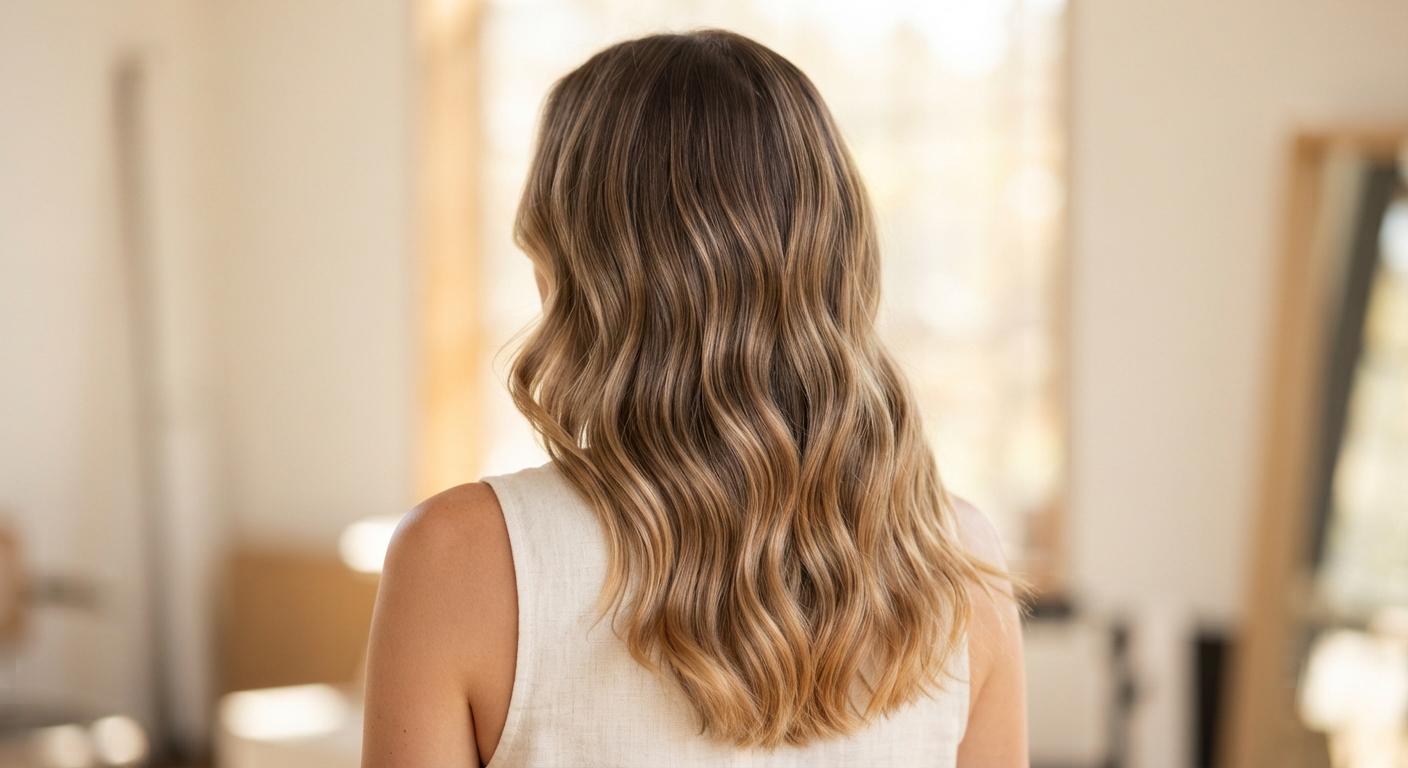
The lived-in bronde is the low-maintenance color that sits in the most generous territory available — the space between brunette and blonde where neither a visible dark root nor visible brightness reads as wrong, because the base itself is already a neutral that belongs between the two. The bronde base means that when the color grows, and the roots come in naturally, they blend into the existing tonal range rather than creating a contrast line that announces unmistakably that the appointment has been missed.
The days of aggressive, high-contrast bleaching are behind us. The overarching theme is Lived-In Luxury. The lived-in bronde embodies this principle completely — it is the color that appears to be exactly right regardless of how recently it was done.
The technique: a bronde base (medium blonde to dark blonde natural base, or a brunette base lightened to bronde through a seamless melt), with slightly lighter buttery or honey pieces through the top layer and face-framing sections. The root drop that creates the lived-in quality is soft — no harsh line, just a natural deepening at the scalp that makes the color read as grown-in rather than grown-out.
Appointment frequency: Every 14 to 18 weeks. The bronde root is the most forgiving of all root situations.
Color 5: Partial Balayage — Maximum Return for Minimum Commitment
Partial balayage focuses on the top layer and front sections, leaving much of the hair underneath untouched. A very subtle method of adding sparkle to your look, it will spare you from full-head color commitment.
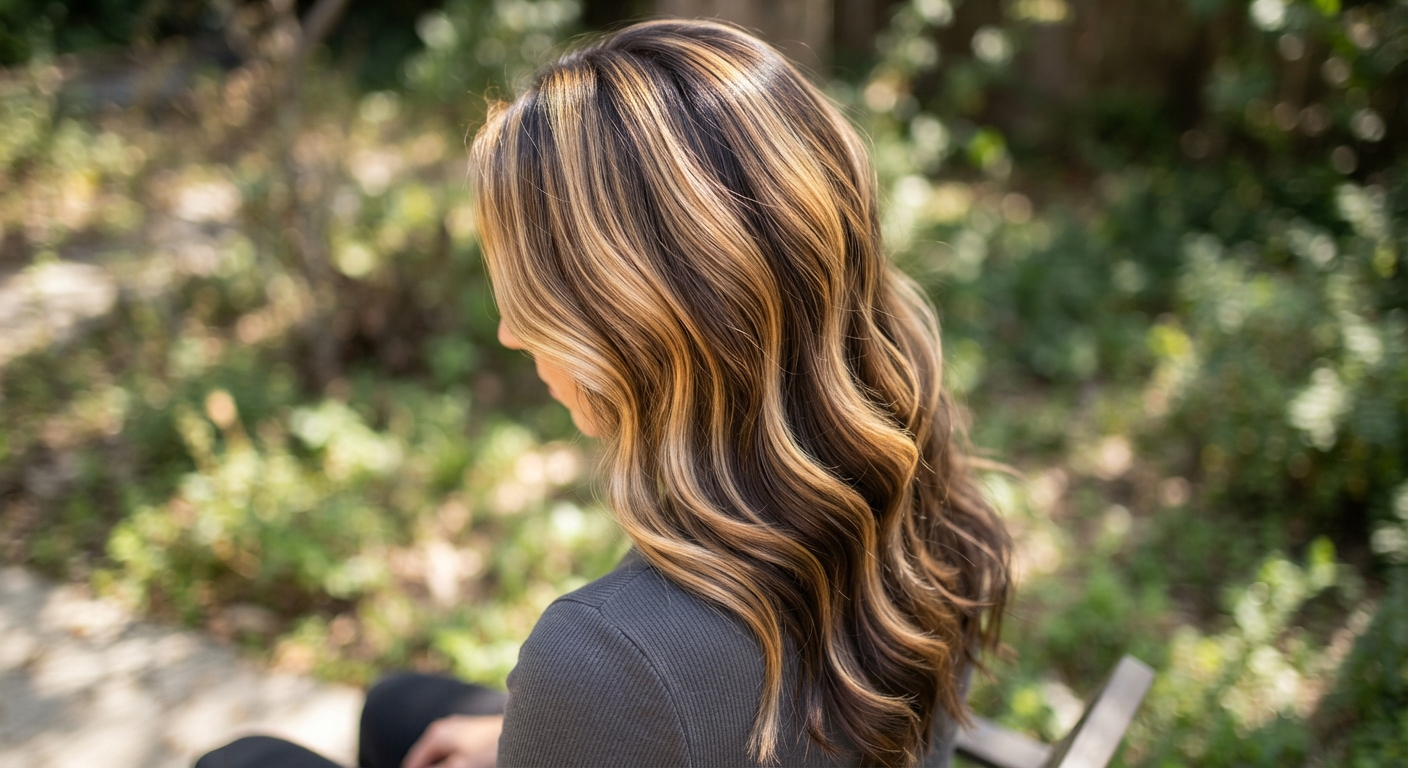
The partial balayage is the low-maintenance answer to the full-head balayage that requires more time, more product, and more frequent refreshing. By limiting the color application to the sections that are most visible — the top layer, the crown, and the face-framing sections — the partial balayage provides the visual benefit of a full balayage at half the cost, half the salon time, and with an even more natural grow-out profile.
Because the underlayers of the hair remain untouched, the overall impression of the color is lighter and more dimensional than uncolored hair, but the base remains natural enough that the growth period produces no alarming contrast. The top layer that was highlighted continues to catch light and provide the sun-kissed effect, while the natural sections below create the depth that makes the highlighted sections appear brighter by contrast.
The photography principle that makes this work: In photographs — and in most real-life interactions, where people observe the hair from above rather than from inside — the top layer and face-framing sections are what are seen. The underlayers that are left natural are invisible in most viewing contexts. The partial balayage applies color exactly where it will be seen and leaves natural exactly where it will not be.
Appointment frequency: Every 18 to 24 weeks.
Color 6: Root Balayage — The Grow-Out Solution
Root balayage brings in lighter shades to the color of your natural root to reduce harsh grow-out lines. This is especially handy if you’re growing out highlights or want something that fades gradually without frequent touch-ups.
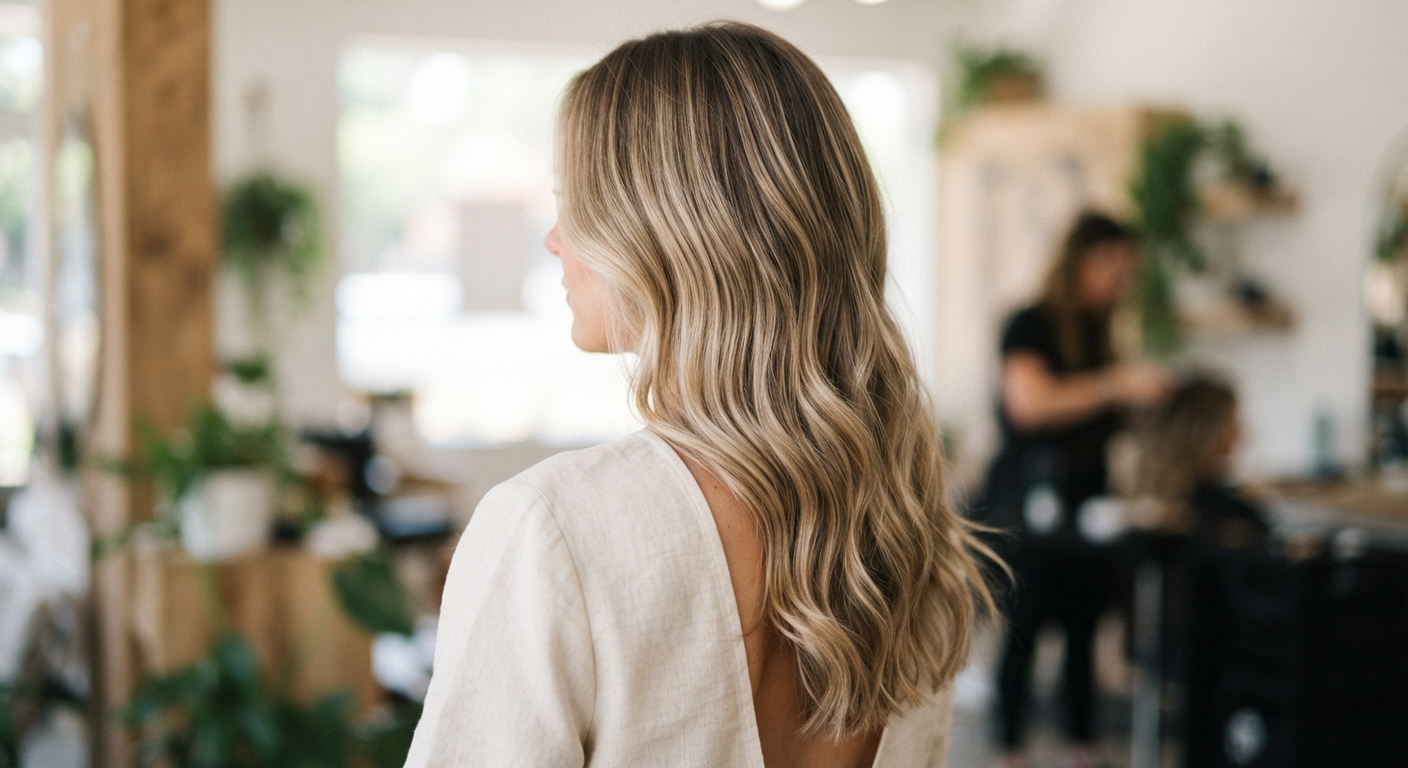
The root balayage is the specific technique for the person who is transitioning away from high-maintenance color — growing out highlights that required eight-week appointments, or lightening that is becoming expensive to sustain — and wants a solution that makes the transition look intentional rather than abandoned.
By painting a soft, natural-looking lighter tone into the root area — not as an extension of the existing highlights, but as a graduated, organic diffusion — the root balayage blends the transition between the natural root and the previously colored lengths into something that reads as a single, cohesive color rather than as two distinct shades meeting at a visible line.
The root balayage is also the correct first step for any brunette who wants to begin building toward lighter color without the commitment of full highlights from the start. It establishes the graduated color approach from the beginning, creating a grow-out profile that has always been low-maintenance rather than one that has been retrofitted to be.
Appointment frequency: Every 16 to 20 weeks. The root balayage’s entire purpose is to make grow-out invisible, so its appointment interval is the most generous of any technique that involves root-area color.
Color 7: Glossed Natural — Color That Enhances Without Changing
Sometimes the most polished hair color is the one that changes the least. The glossed natural is not a highlighting technique, a balayage, or a color application in the traditional sense — it is a clear or semi-permanent gloss applied over the existing natural hair color to maximize shine, intensify the natural tone, and produce the specific high-polish finish that makes natural hair look like the very best version of itself.
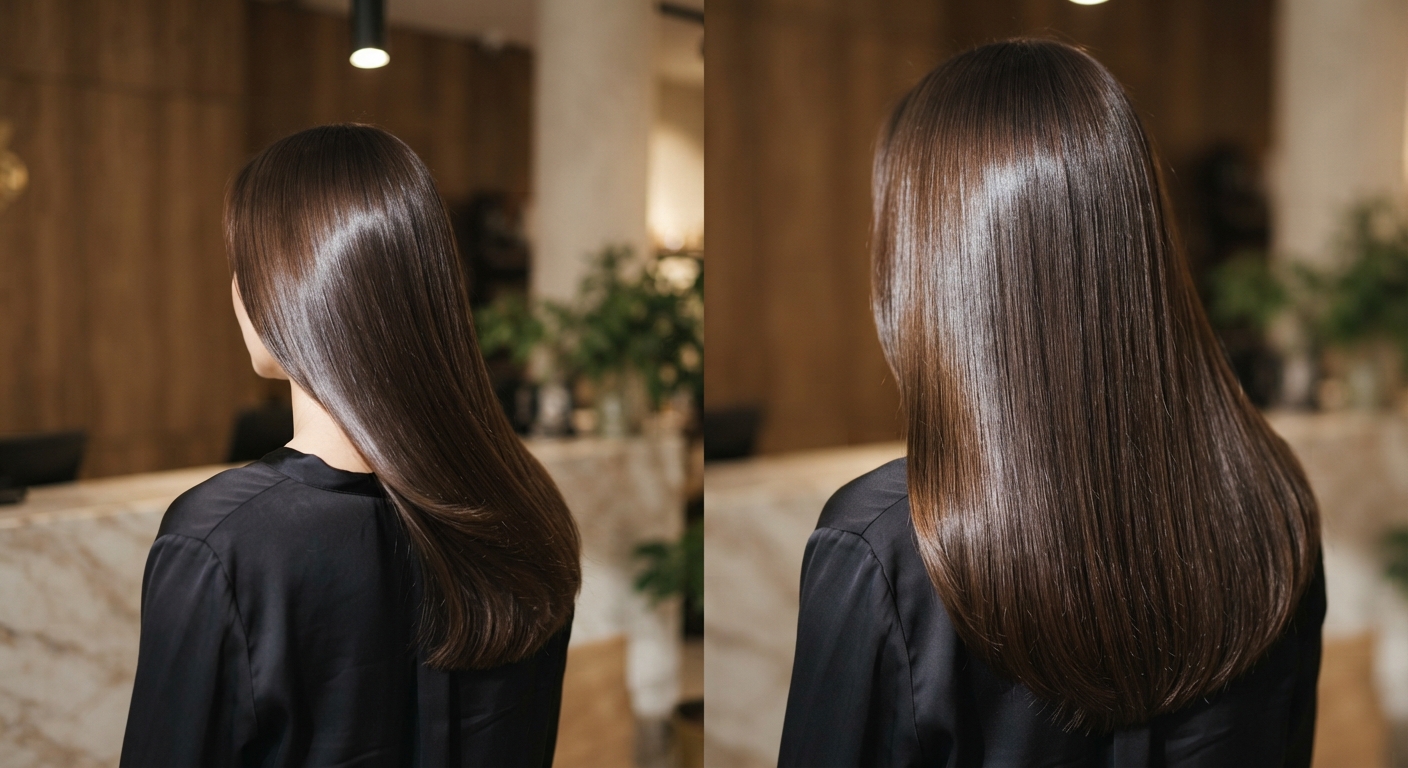
These techniques are ideal for women who want to look polished but don’t have time for monthly salon visits. The glossing treatment requires no lightening, no dramatic color change, and no commitment to anything other than the color you already have — and the result is a natural color that looks more deliberate, more dimensional, and more polished than it did before.
For natural brunettes, a clear gloss deepens the existing tone and adds mirror-like shine. A slightly warm-tinted gloss shifts a cool or ashy brunette toward a warmer, more flattering tone without any permanent change. For natural blondes, a beige or champagne-tinted gloss adds the refined quality that raw natural blonde sometimes lacks. For any natural shade, the gloss is the finishing treatment that bridges the gap between “naturally nice hair” and “intentionally beautiful hair.”
Appointment frequency: Every 6 to 8 weeks for a gloss refresh — but the treatment itself takes twenty minutes and costs a fraction of a full color appointment. Most salons offer gloss as a standalone add-on or standalone appointment.
Color 8: Beige Blonde Balayage — The Polished Non-Blonde Blonde
This beige blonde balayage features soft ribbon highlights and gentle contrast through the lengths for a naturally blended look. Buttercream hair color blends light blonde with beige and warm vanilla tones for an expensive-looking finish that’s a subtler alternative to platinum.
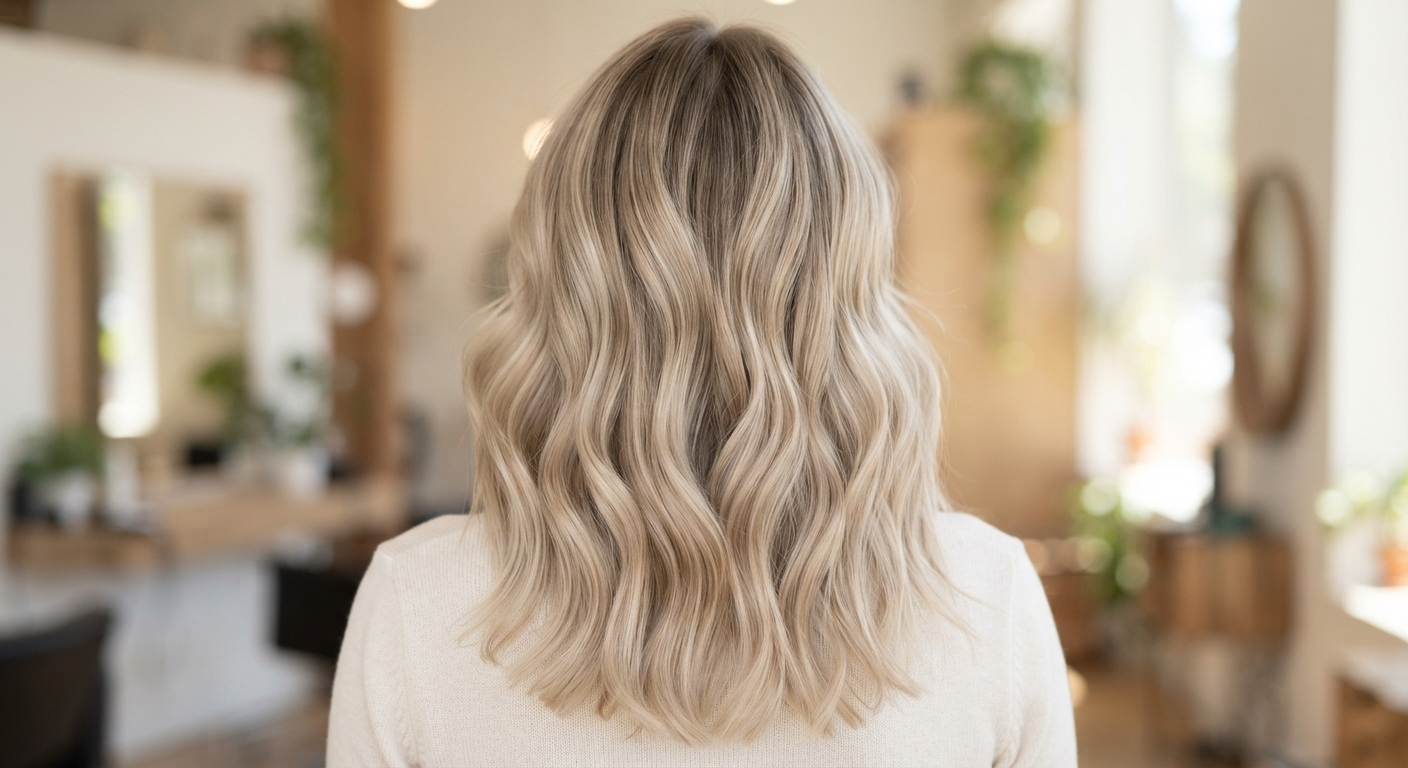
The beige blonde balayage is the color for the person who wants to be blonde without looking like they are trying to be blonde. The beige tone — neither warm-golden nor cool-ashy but precisely between them, with a slight creamy neutrality — produces a blonde result that appears completely natural, completely polished, and completely effortless. It is the blonde that belongs on someone who has “just always been blonde,” even if they very much have not.
It works beautifully if you wear your hair air-dried, wavy, or slightly undone. I’d keep a purple shampoo light here — too much can turn beige muddy.
The beige quality is what gives this color its low-maintenance advantage: it sits in the tonal range that is most forgiving of both root growth (which tends to add warmth as the natural color comes in) and tonal drift (the gradual shift that all colored hair makes as it oxidizes over time). The beige blonde accepts both of these changes without becoming problematic, because the tonal range it occupies has enough room to accommodate small shifts in either direction.
What to ask for: “Beige blonde balayage — I want the result to look like natural blonde, not dyed blonde. Creamy, neutral tones, no golden or icy extreme.”
Appointment frequency: Every 14 to 18 weeks.
Color 9: Deep Brunette Near-Natural — The Richest Low-Maintenance Option
A deep brunette shade close to your natural color is one of the easiest to maintain.
The most genuinely low-maintenance color on this entire list is the one that requires the least distance from the natural starting point. A deep brunette applied one to two levels darker than the natural base — or at precisely the natural base with a gloss treatment to intensify and polish the existing tone — is the color with the most generous maintenance schedule available, because the grow-out is essentially invisible.
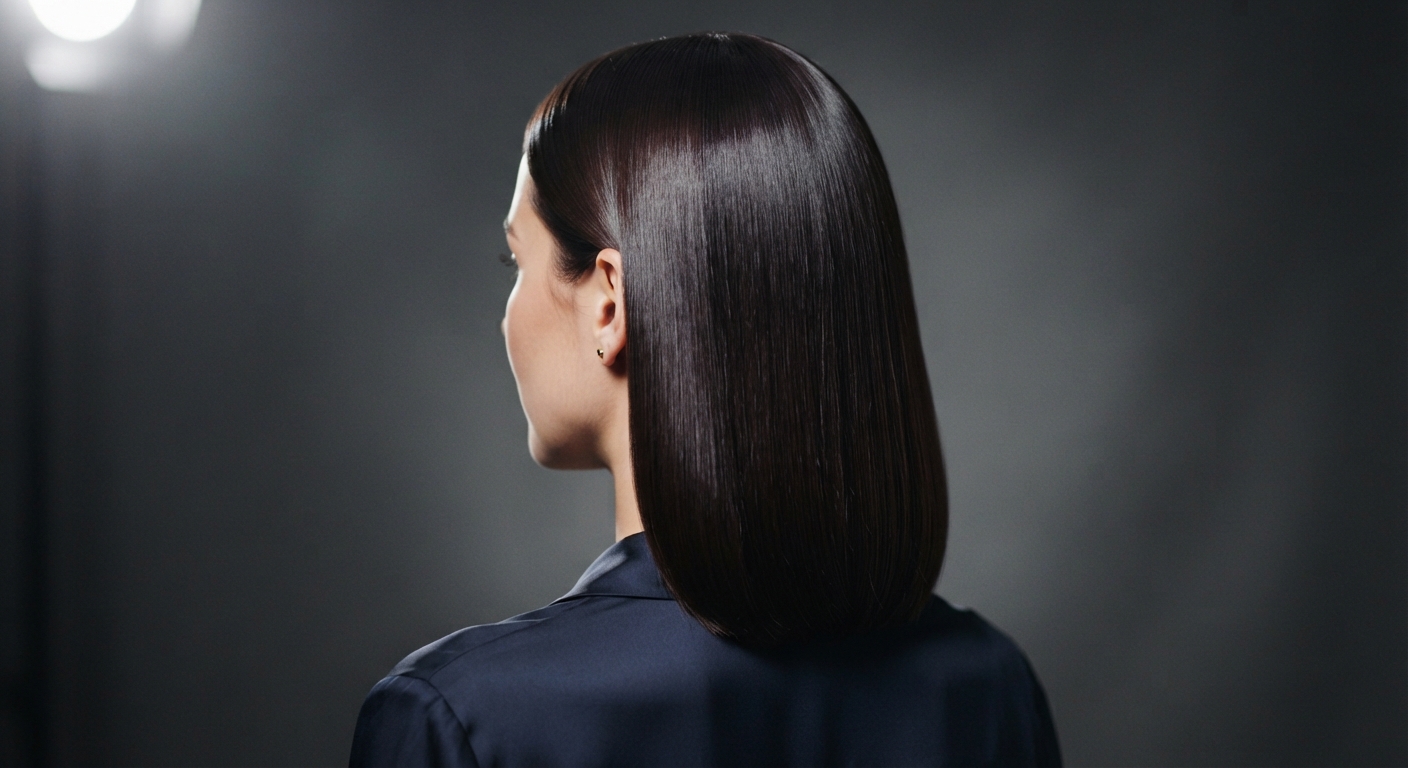
This is the color truth that salons do not advertise because it does not generate frequent return appointments: staying close to your natural depth is the greatest single gift you can give your hair maintenance schedule. A brunette who colors to their natural depth requires almost no root maintenance, because the root growing in is the same color as the applied color. The only appointment required is a refresh every four to six months to maintain the tone and add the gloss that makes the difference between natural-looking dark hair and intentionally beautiful dark hair.
The gloss treatment applied over the natural or near-natural deep brunette is what elevates this from “I just haven’t colored it” to “I have done something very specific and sophisticated with this color.” The mirror-shine. The deepened tone. The specific polish that unglossed natural hair does not achieve on its own.
Appointment frequency: Every 16 to 24 weeks for a color refresh. Gloss every 8 to 10 weeks as a standalone treatment.
Color 10: Boy Blonde — The Nostalgic Zero-Effort Color
Think back to what your hair looked like as a kid after spending all summer at the beach — a dirty blonde, slightly mousy base, naturally brightened at the ends and around the face by the sun. It’s a nostalgic, carefree color that requires practically zero maintenance.
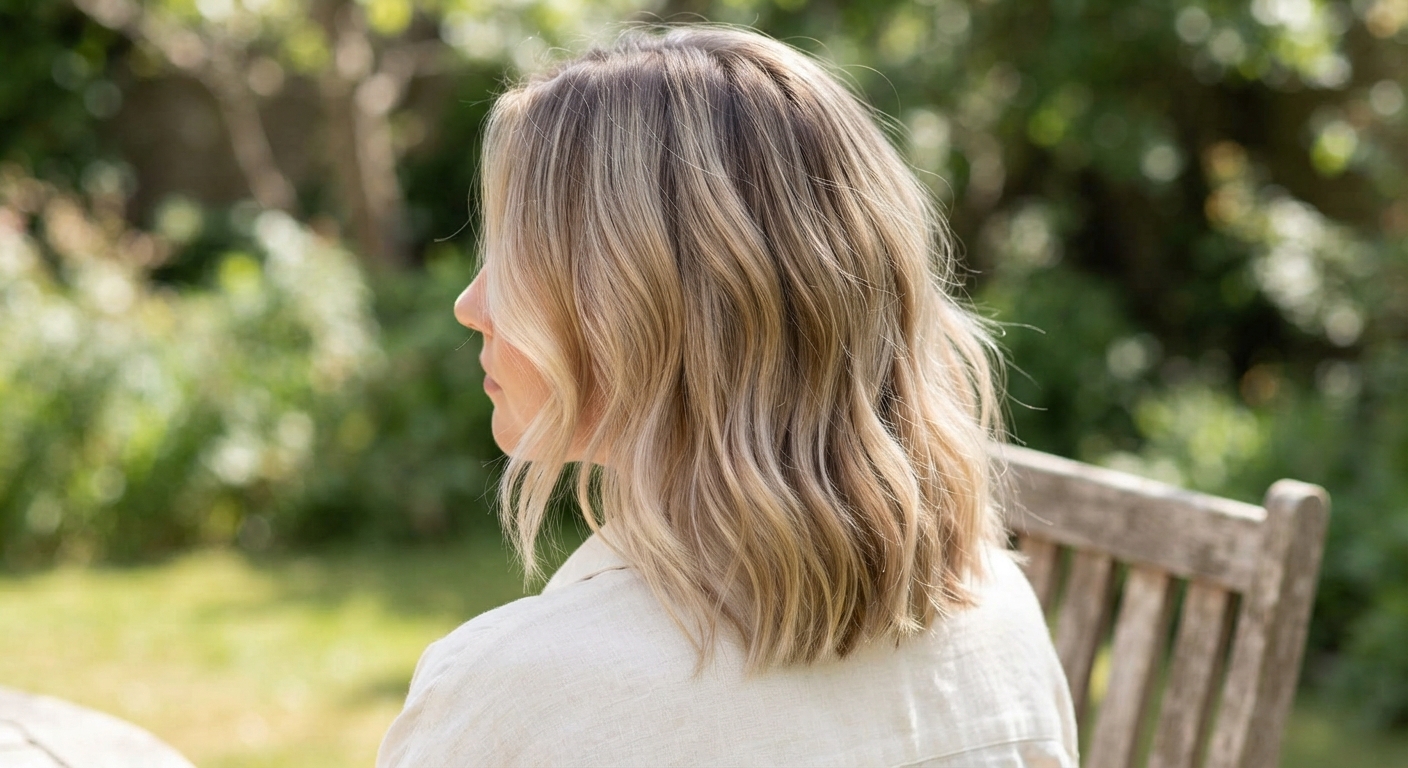
The boy blonde is the color that sounds like an insult and looks like a revelation. “Dirty blonde” and “mousy” are the descriptors that most adults with this natural hair color have spent years trying to change — and the current moment’s recognition that these tones are, in fact, exactly right is one of the more interesting reversals in the beauty conversation.
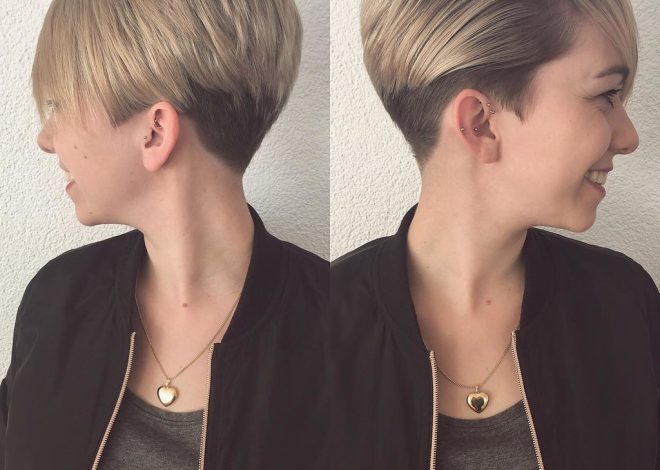
The boy blonde embraces the natural ashy-dirty-blonde base rather than fighting it. It adds only the lightest, most organic brightening at the ends and face-framing sections — specifically to replicate the sun-lightening that the hair does naturally given six weeks at the beach, not to transform it into something it is not. Who it suits: The low-maintenance people who want to visit the salon only twice a year. What to ask your stylist for: “I want a lived-in look with a dropped shadow root.”
The dropped shadow root at the base of the boy blonde creates the specific depth that makes the natural slight brightening at the ends appear intentional rather than incidental. It is a color where the stylist has done very little — placed very few sections, used very subtle tones — and the result looks like the hair is simply doing exactly what good hair does.
Appointment frequency: Two to three times per year. Genuinely.
Color 11: Caramel Balayage on Dark Brown — Warmth Without Regrowth Problems
Warm caramel balayage melts through a rich bronde base for that creamy, golden dimension clients ask for all year round.
The caramel balayage on dark brown hair is the workhorse of the low-maintenance color world — the combination that has been consistently requested for more than a decade because it consistently works for more people than almost any other color formula. The dark brown base remains largely intact, the caramel pieces are painted through the mid-lengths and ends in sweeping organic sections, and the result is warm, dimensional, and — crucially — completely forgiving of root growth.
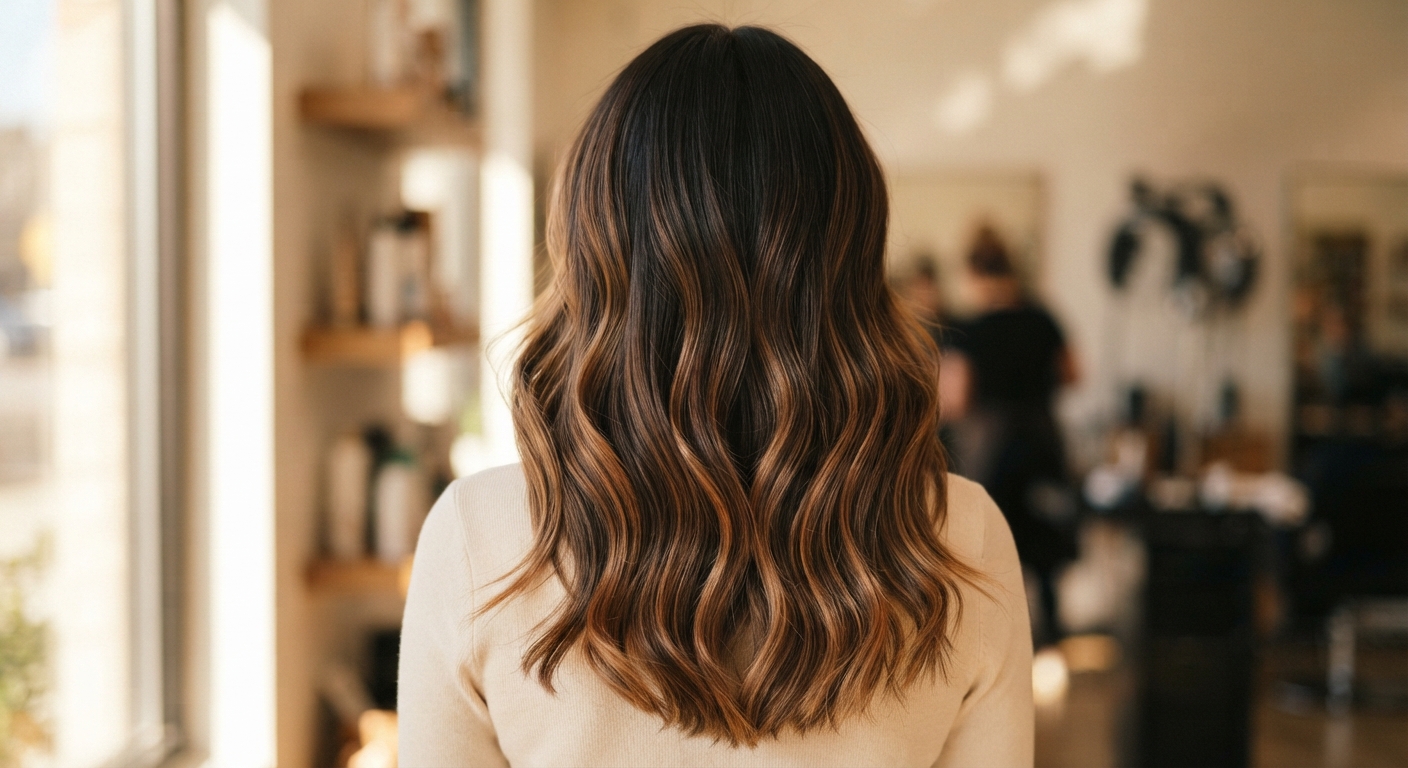
“If you’re brunette and still want to feel brunette with a pop of dimension, you’re the perfect candidate for balayage. By keeping the brighter pieces on the mid to ends only, you will still feel brunette but dimensional,” explains colorist Carrozza-Fox.
The caramel tone specifically is the low-maintenance champion within the warm highlight family because it sits at a warm-gold level that is close enough to many natural hair colors that the grow-out does not create stark contrast. The caramel piece at the end of a dark brunette strand, growing from the natural root, gradually becomes part of the hair’s natural variation rather than a visible color stop.
Best for: Natural dark brunettes. Warm skin undertones. Anyone who has been told caramel highlights would suit them — they are almost certainly right.
Appointment frequency: Every 16 to 20 weeks.
Color 12: Ashy Toned Balayage — The Cool-Girl Low-Maintenance Formula
A cool-toned bronde balayage paired with a brighter face frame for a clean, modern lift around the front. The long layers and soft wave styling create movement that makes every ribbon of blonde pop without looking harsh.
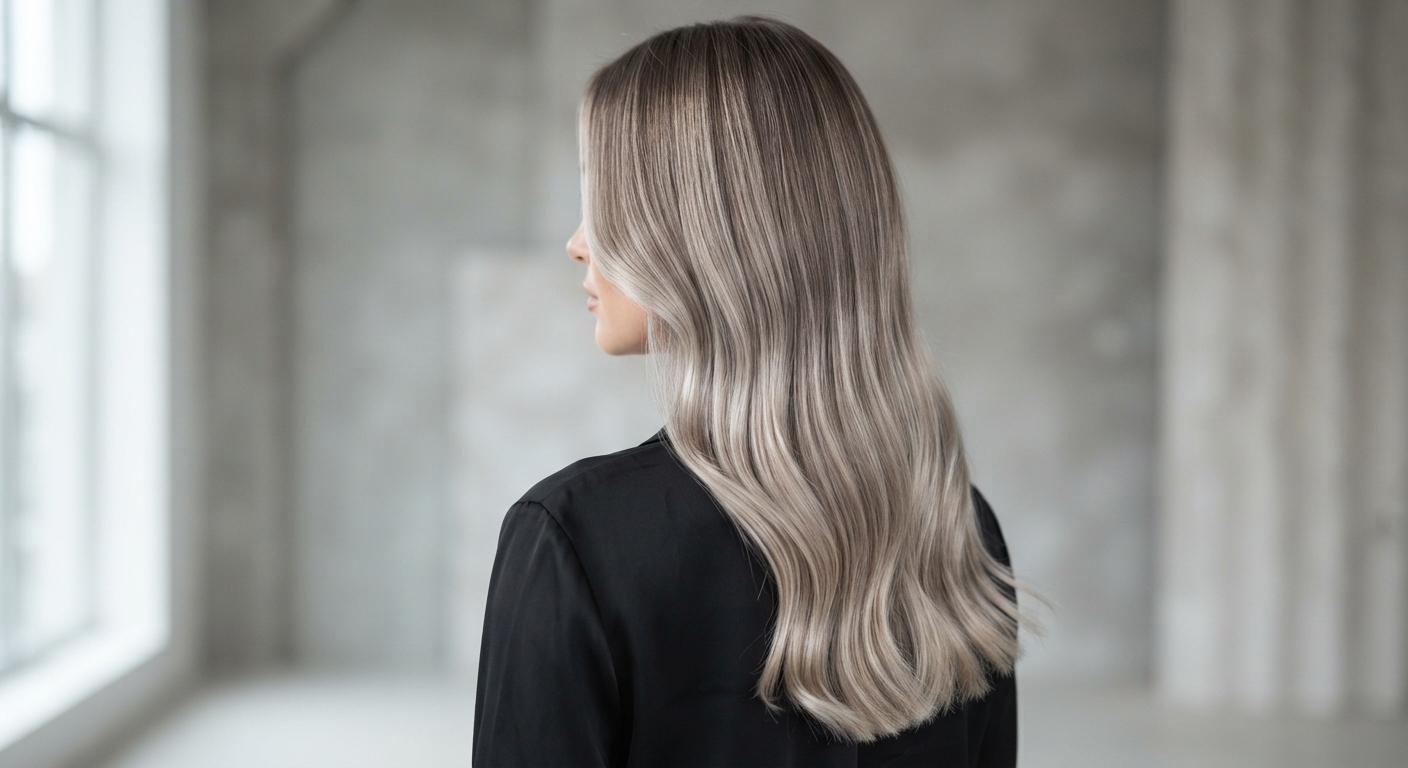
Where warm balayage is forgiving because the caramel tones shift toward warmth as they fade and that warmth is expected and accepted, the ashy-toned balayage is low-maintenance for the opposite reason: by eliminating warmth from the beginning, the color has nowhere to shift toward as it oxidizes. The tonal drift that undermines many highlight jobs — the gradual movement toward brassiness — is pre-empted by the ash tone, which neutralizes the warmth before it can establish itself.
The ashy balayage produces a cooler, more modern, more editorial version of the dimensional color that caramel balayage achieves. The pieces are cool blonde, beige-blonde, or champagne rather than golden or caramel. The contrast against the base reads as sophisticated rather than warm. And the maintenance requirement is genuinely reduced by the ash toning’s resistance to oxidation.
The maintenance investment: A purple or violet toning shampoo used once a week maintains the cool quality between appointments more effectively than any other single at-home product.
Appointment frequency: Every 14 to 18 weeks.
Color 13: Ombre — The Most Transparent Low-Maintenance Technique
Ombre’s grow-out is genuinely built into the design — the dark root and the light ends are the two anchors of the look, and everything that happens between them is the technique’s work. Unlike highlights, where any visible root indicates a missed appointment, ombre’s dark root is not evidence of neglect. It is evidence of the look being maintained correctly.
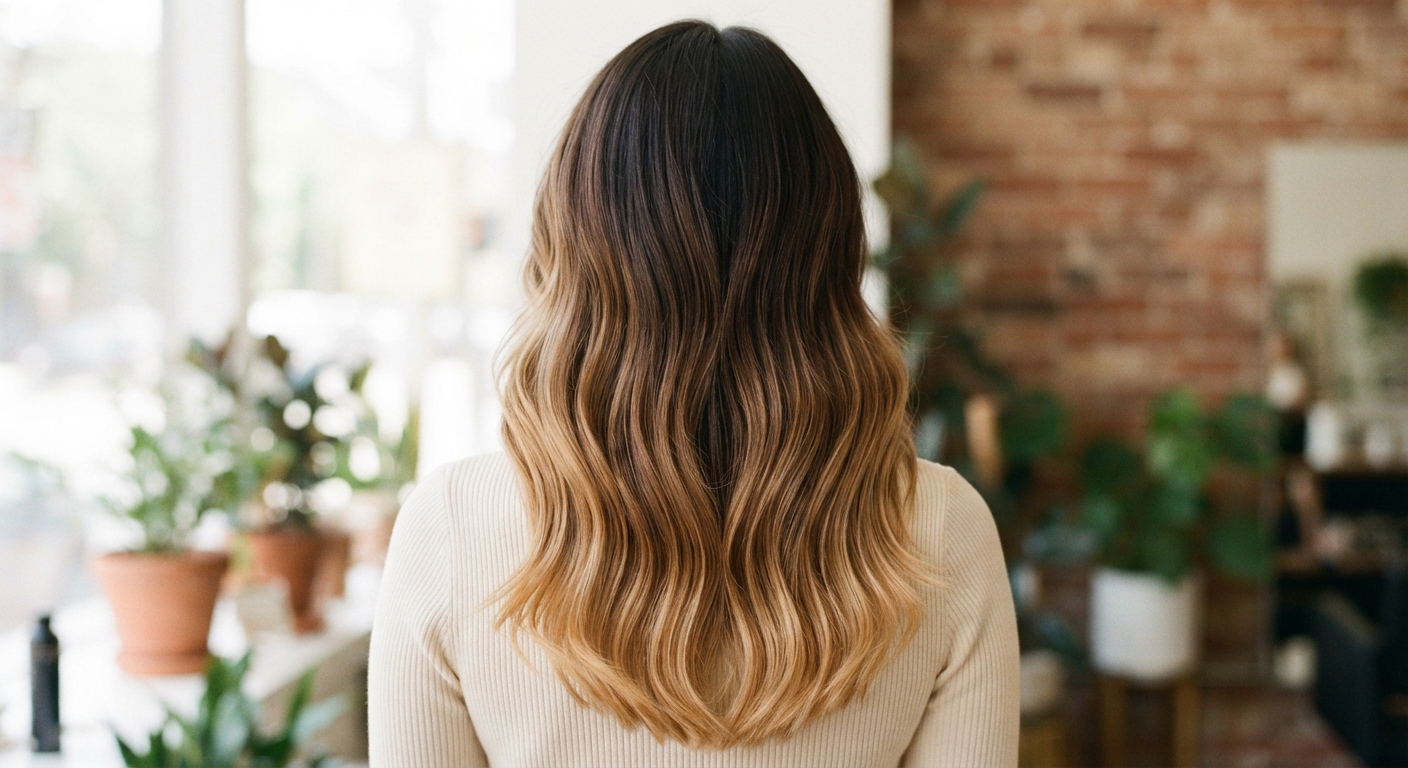
Opt for techniques like balayage or ombré that blend roots with the rest of your hair for a natural, low-maintenance look.
The modern ombre — far more sophisticated than the choppy dark-to-light gradient of its early trend life — uses the color melt technique to transition between the root and end colors so seamlessly that the transition itself becomes the most beautiful part of the color. The dark root is maintained at its natural depth. The ends are lightened to the desired shade. The zone between them — typically the middle third of the hair — is where the skill of the colorist is entirely visible, in a seamless, dimensional, flowing transition.
The maintenance logic: the dark root is natural. The light ends are far enough from the scalp that they do not require root maintenance. The only upkeep required is the toning of the light ends (every 8 to 10 weeks to prevent brassiness) and the occasional gloss refresh of the full length.
Appointment frequency: Every 16 to 24 weeks for the color work. Toning of the ends every 8 to 10 weeks optionally.
Color 14: Glazed Brunette — High Polish, Zero Lightening, Maximum Impact
The glazed brunette is perhaps the most underrated low-maintenance color approach on this list — because it looks expensive, polished, and deliberately beautiful without requiring any lightening, any foil work, or any commitment to dramatic change. It requires only the application of a glossing treatment — clear or slightly tinted — over existing natural or colored brunette hair.
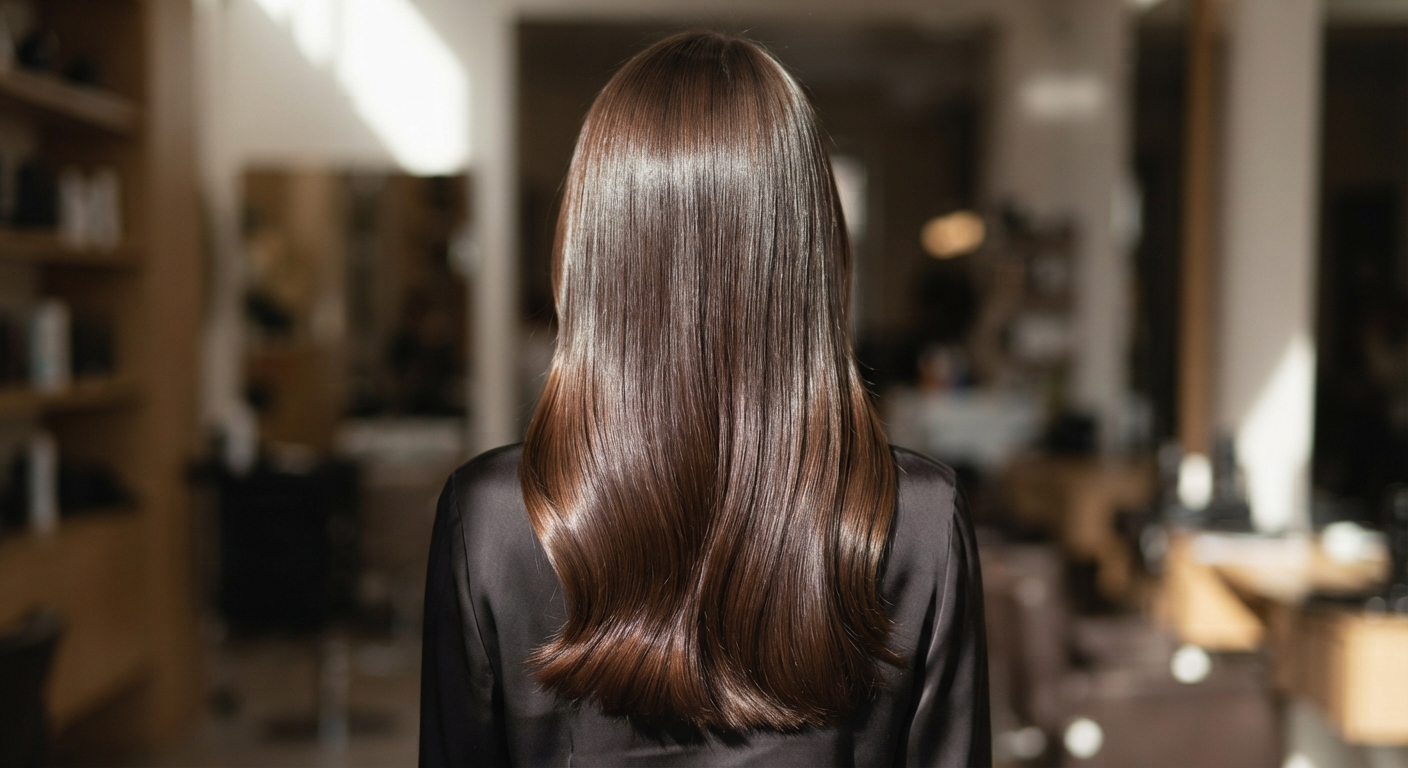
Schedule toner touch-ups every 8 to 10 weeks and full color updates every four to six months. The glazed brunette follows this schedule precisely — a gloss refresh every eight to ten weeks (a twenty-minute treatment at the salon, or an at-home color-depositing mask for those who want to DIY the maintenance) and a full color assessment every four to six months.
The specific visual impact of the gloss over brunette: natural brunette hair that has not been glossed appears matte and slightly flat in most lighting conditions. The same hair after a clear gloss catches light with a mirror-like quality that makes it appear to be moving and alive even when it is still. A warm-tinted gloss over a natural cool brunette shifts the overall tone without any permanent change, delivering the warmth that a permanent color would achieve at a fraction of the commitment.
At-home maintenance: A color-depositing mask in a warm brown or neutral tone, used in place of conditioner once a week, extends the gloss effect between salon appointments meaningfully.
Appointment frequency: Gloss every 8 to 10 weeks. Full assessment every 4 to 6 months.
Color 15: Highlights With a Seamless Root Melt — Traditional Highlights Made Low-Maintenance
Traditional foil highlights — placed from the root outward — create the visible regrowth line that makes them the most maintenance-intensive color technique available. A seamless root melt applied alongside traditional highlights eliminates this problem.
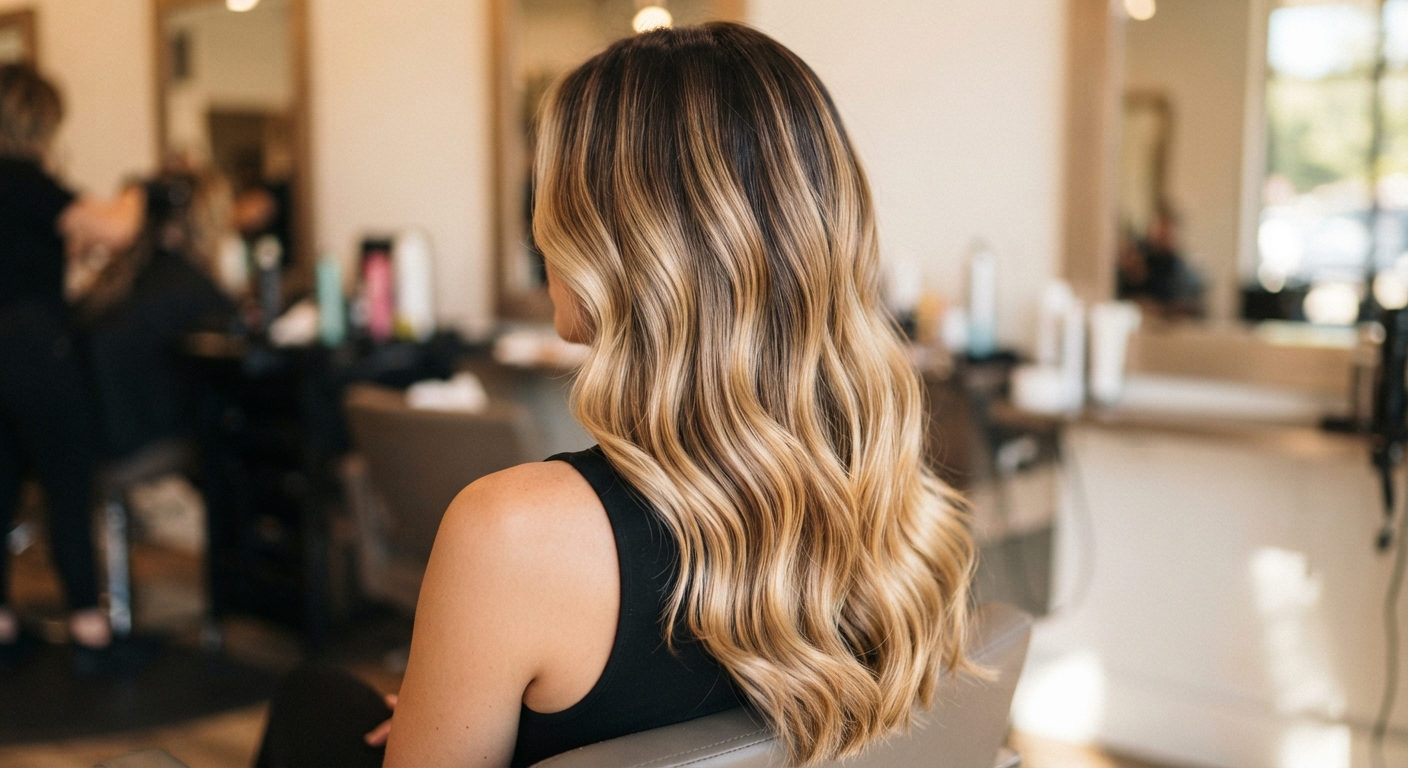
“It’s rooty and seamless. This is the best choice for low-maintenance color and longer time between appointments,” says colorist Carrozza-Fox of the lived-in technique that incorporates this root work.
The root melt is applied in the final phase of the highlight appointment: after the highlights have been processed and rinsed, a darker shade — slightly deeper than the natural root color — is painted into the root area in a soft, graduated manner. When the root grows in over the following weeks, it blends into the color that the root melt established rather than contrasting against the light highlighted sections.
This technique converts a color appointment that would normally require a six-week return into one that can genuinely wait four to five months. The highlighted sections remain beautiful. The root melt means the growth period is managed rather than abandoned. And the result at week sixteen looks like a slightly more relaxed version of week two rather than a neglected one.
What to ask for: “I want highlights with a seamless root melt — I need the root area softened so the grow-out is invisible. I want to be able to go fourteen to eighteen weeks between appointments.”
Appointment frequency: Every 14 to 18 weeks.
Color 16: Natural Redhead Enhanced — The Color That Requires Only Maintenance
For natural redheads — who possess the rarest natural hair color available and the most unique pigment profile of any natural shade — the most polished and most low-maintenance approach is to enhance rather than replace: a color service that deepens, glosses, and enriches the existing natural red without introducing an applied color that requires frequent matching and maintenance.
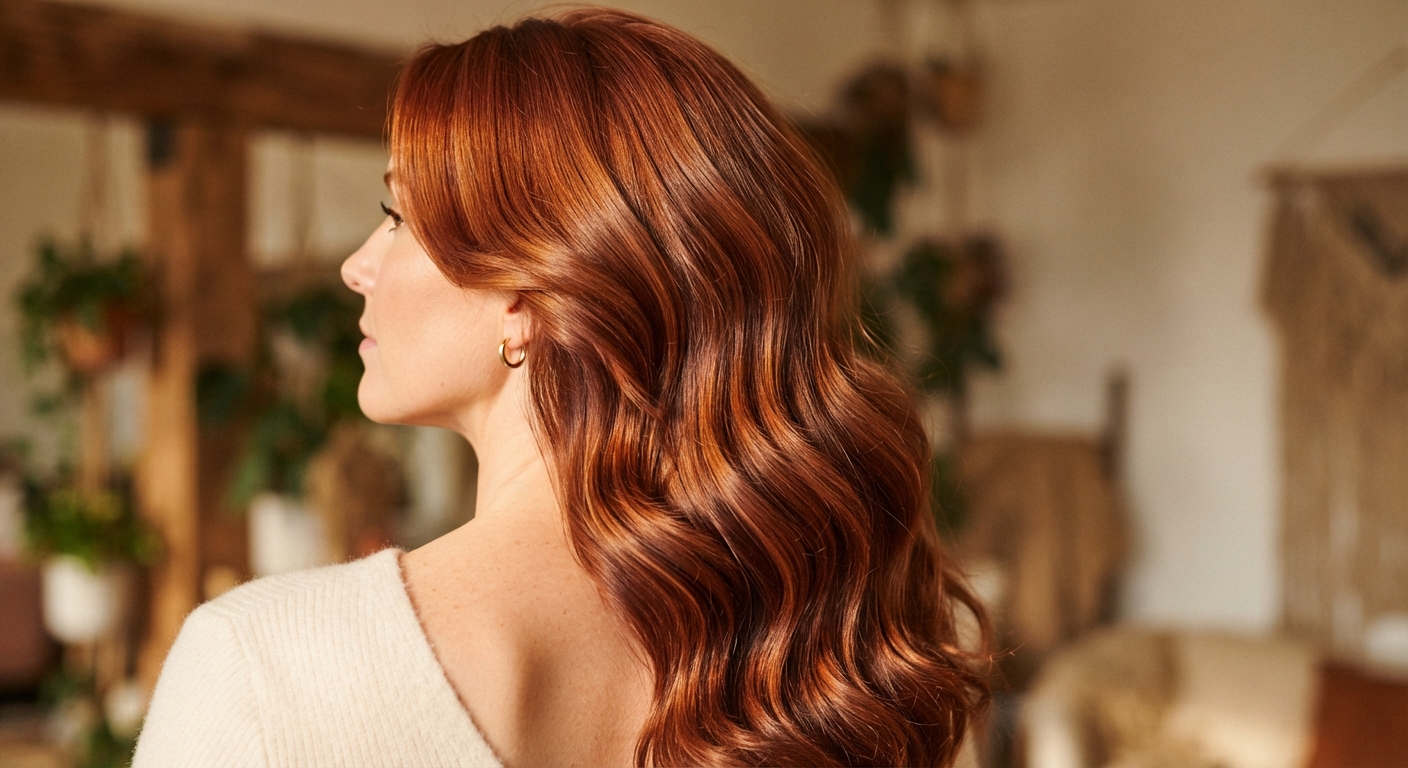
Dimensional reds: instead of one flat red, opt for multiple shades to create depth, allowing your color to fade naturally.
For natural redheads, “multiple shades” means working within the existing natural red palette — a slightly deeper copper or auburn in select sections for dimension, a gloss treatment that intensifies the overall saturation, and a toning wash that enhances the specific quality of the individual’s red rather than changing its fundamental character.
The result is a natural red that looks like it has been professionally considered and cared for rather than simply left alone — the specific difference between “naturally red” and “deliberately beautiful natural red.” And because the technique works within the natural color rather than replacing it, the grow-out produces no contrast, no visible line, and no maintenance anxiety.
Appointment frequency: Every 12 to 16 weeks for a refresh and gloss. The color does not require root maintenance because it is the natural color enhanced rather than replaced.
Color 17: Tonal Single-Process Close to Natural — The Underrated Champion
The technique replacing balayage in 2026: one saturated tone from root to ends, no highlights or contrast.
The single-process tonal color — one shade applied from root to end, precisely at or very close to the natural base, with careful tone selection that flatters the complexion — is experiencing a genuine resurgence as the beauty world collectively questions whether the dimension and contrast that have dominated the color conversation for a decade are actually required for beautiful hair.
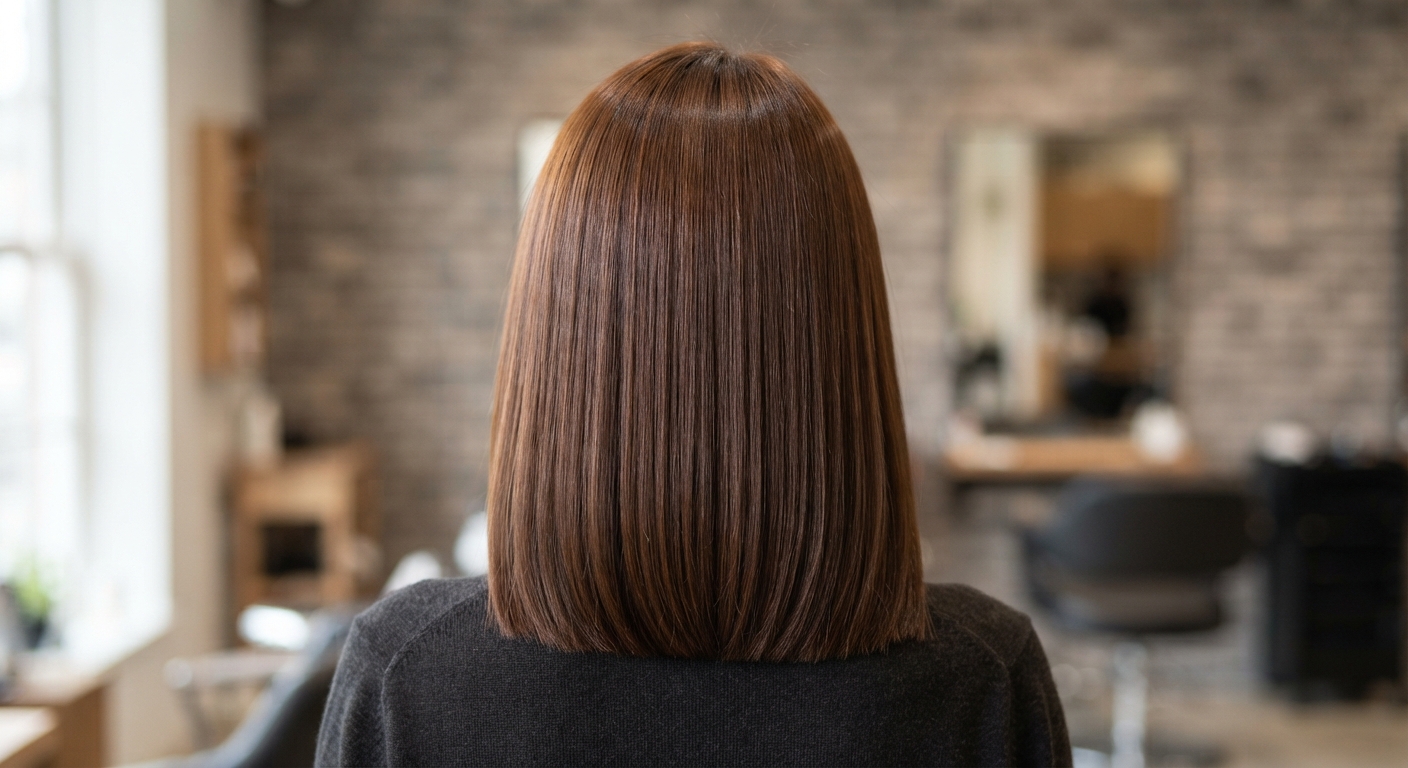
They are not. A single, perfectly selected tone — warm mocha on a medium brunette, rich chestnut on a dark blonde, a cool espresso on someone whose natural dark brown benefits from the cool intensification — applied as a single-process color produces a richness and uniformity that dimensional techniques cannot replicate. The hair appears one color because it is one color, and the specific quality of that single color — when chosen with precision — is genuinely beautiful.
The low-maintenance advantage: a single-process color close to the natural base requires root touch-up only when the root contrast becomes visible. For someone whose natural color is close to the applied tone, this may be every twelve to sixteen weeks. For someone whose natural base is exactly the applied tone, the appointment is every sixteen to twenty-four weeks and is primarily a tonal refresh and gloss rather than a root coverage requirement.
Appointment frequency: Every 12 to 20 weeks depending on how closely the applied color matches the natural base.
Color 18: Copper Balayage — The Statement Color With Manageable Upkeep
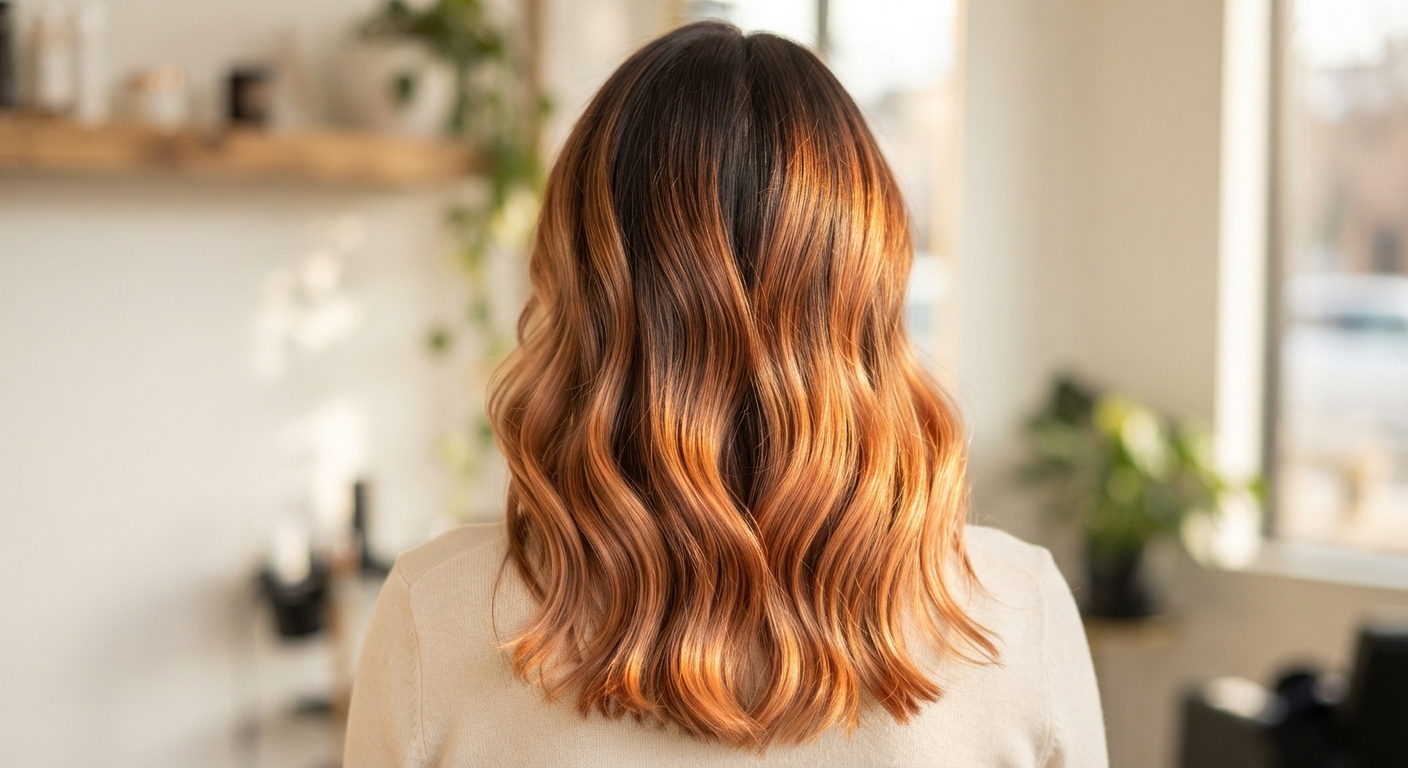
Copper balayage is making a bold return but with softer, more wearable strokes this time. Think peachy undertones, golden warmth, and hand-painted pieces that beautifully complement olive and warm skin tones. It’s fiery but polished.
The copper balayage occupies a particular position on the low-maintenance spectrum: it is not the lowest-maintenance color on this list (copper fades faster than neutral or cool tones), but within the copper family, the balayage approach produces dramatically more forgiving results than a full-head copper application.
By painting copper through sections from the mid-lengths downward rather than applying it root-to-end, the copper balayage eliminates the visible root regrowth problem that makes full-head copper applications so demanding. The root remains natural. The copper pieces, concentrated in the sections farthest from the root, can fade gracefully without creating a visible contrast line at the scalp.
The “softer, more wearable strokes” that characterize the 2026 copper balayage produce a result that is warm and vibrant but not overwhelming — the peach undertones specifically create a copper that reads as dimensional and sun-kissed rather than aggressively bright.
The maintenance trade-off: Copper still fades faster than brunette or blonde. A color-depositing conditioner in a warm copper or terracotta tone, used twice weekly, significantly extends the vibrancy between appointments.
Appointment frequency: Every 12 to 16 weeks — more frequent than neutral balayage but less frequent than full-head copper.
Color 19: Reverse Balayage — Growing Out of Highlights, Gracefully
“Think blonde going brunette for this one. It’s mostly lowlights with a darker gloss,” says colorist Carrozza-Fox.
The reverse balayage is the low-maintenance solution for a very specific situation: the person who has been maintaining expensive blonde highlights, is ready to return to something closer to their natural brunette, and does not want the awkward, obviously-transitioning period that simply stopping the highlights would produce.
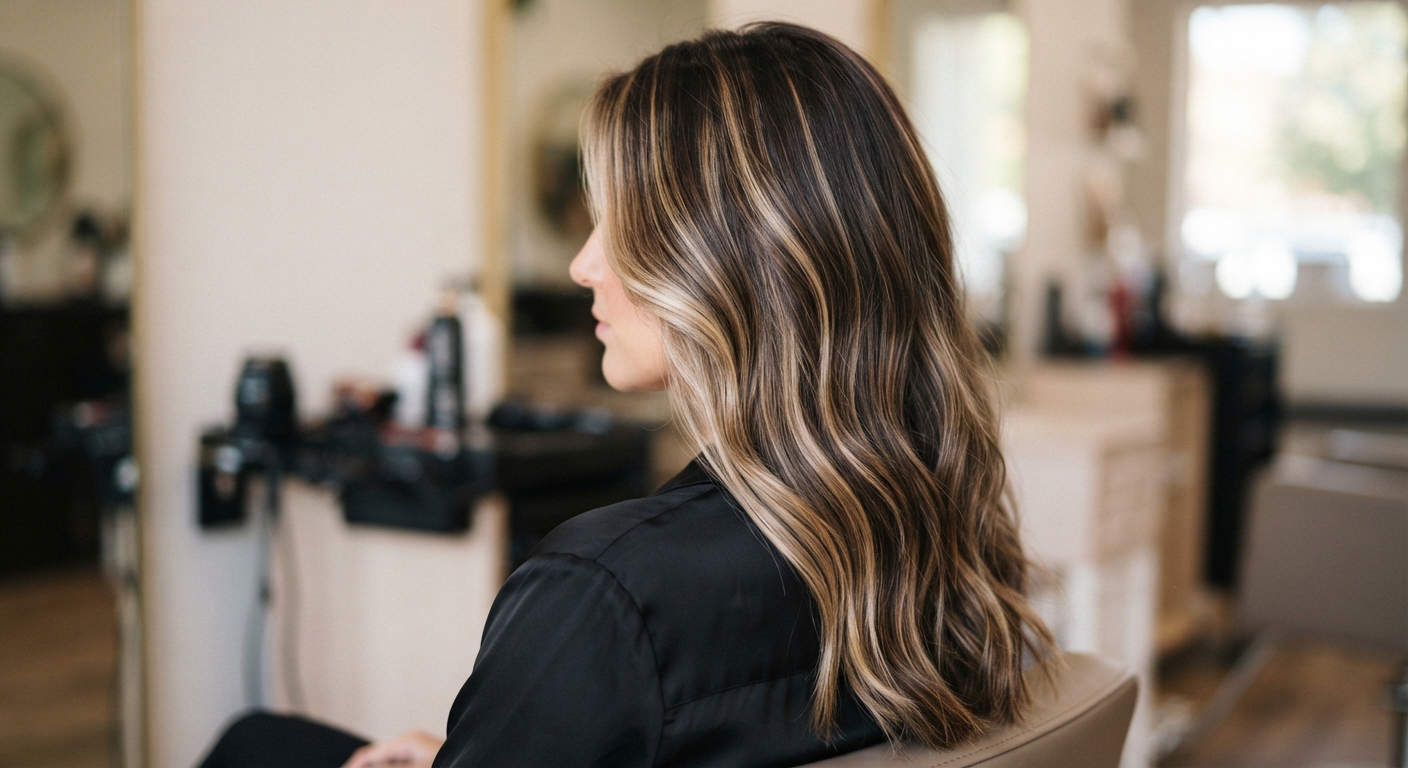
The reverse balayage applies lowlights — darker sections — through the lightened areas in a hand-painted pattern that mimics the natural distribution of dark and light that hair genuinely has. Over the following months, as the natural root grows in and the lowlights settle, the overall color gradually transitions toward a dimensional, natural-looking brunette that requires no further significant color work to maintain.
It is the most intelligent exit strategy from a high-maintenance color situation because it makes the exit look intentional rather than reluctant. The person who undergoes a reverse balayage appears to have made a deliberate, sophisticated color choice. The person who simply stops lightening appears to be managing a color situation.
The process: Two to three reverse balayage appointments over six to twelve months, each slightly deepening the color and adding more lowlights, transitions the hair from heavily highlighted to dimensional, natural-looking brunette without any obvious transitional period.
Appointment frequency during transition: Every 12 to 16 weeks. After transition is complete: every 16 to 24 weeks.
The At-Home Maintenance Routine That Makes Every Color Last
The appointment frequency is only part of the low-maintenance color story. The at-home routine that happens between appointments determines whether the color maintains its quality for the full intended interval or degrades before the appointment arrives.
Limit washing to two or three times per week to extend vibrancy. Rinse with cool water and trim regularly to maintain health and tone. Use color-safe, sulfate-free products to preserve color and shine. Neutralize brassiness with purple or color-enhancing shampoos. Protect from heat and UV exposure to avoid dulling and damage. Deep condition weekly for softness and strength.
The four non-negotiable at-home practices for any colored hair:
Sulfate-free shampoo exclusively: Sulfates are the detergent compounds in standard shampoos that strip color significantly faster than the hair’s natural washing process alone would. Every sulfate-containing wash accelerates fading — every sulfate-free wash preserves it. The product switch costs almost nothing and extends appointment intervals meaningfully.
Cool or cold water for final rinse: Hot water opens the hair cuticle — the outer protective layer of each strand — and allows color molecules to escape with the rinse water. A final rinse in the coolest water you can tolerate closes the cuticle and seals the color inside.
Heat protectant before every heat tool use: Heat styling is the second-largest cause of color degradation. A heat protectant product applied before blow-drying, straightening, or curling does not eliminate the impact of heat but reduces it significantly.
Color-depositing conditioner or mask weekly: Color-depositing products — tinted conditioners and masks in tones corresponding to the hair color — replenish the color molecules that washing gradually removes. Used once a week in place of regular conditioner, they maintain the tone, the vibrancy, and the general quality of the color between appointments in a way that regular conditioner alone cannot.
How to Choose Your Low-Maintenance Color
The decision framework for low-maintenance color selection is simpler than most guides suggest:
If you want to go lighter without frequent maintenance: Shadow root blonde, beige blonde balayage, boy blonde, or partial balayage. The root-inclusive techniques provide the longest appointment intervals.
If you want dimension without changing your natural color significantly: Soft balayage, face-framing pieces, root balayage, or a gloss treatment over natural color.
In casyou want to stay brunette with polish: Glossed natural, glazed brunette, deep near-natural brunette, or a tonal single-process close to your natural shade.
If you are transitioning from high-maintenance to low-maintenance: Reverse balayage, root balayage, or highlights with a seamless root melt that converts an existing high-maintenance color to a low-maintenance one.
If you want something warm or vibrant with manageable upkeep: Copper balayage, cinnamon brunette, or caramel balayage — all warmer tones that are more manageable in balayage form than full-head applications.
One Last Word
Balayage and lived-in color aren’t just trends — they’re low-maintenance luxury for women on the go. Season-proof dimension that looks amazing in sunshine or snowfall. Elevated yet effortless style that matches your professional lifestyle.
The most polished hair color is not the most recently applied one. It is the one that was designed from the beginning to look beautiful whether it is two weeks old or sixteen. The one where the root is part of the design rather than evidence that the design has expired. The one that makes you look put-together at month four with the same reliability that it did at week two.
Nineteen colors. Every texture, every natural base, every level of salon commitment. The one that works for you is the one that fits your natural starting point, your schedule, and the version of polished that belongs to your life, not to someone else’s appointment book.
Save this to Pinterest, share it with every person you know who has expressed frustration with the cost and frequency of their current color maintenance, and take this guide to your next appointment.
The right low-maintenance color is not the most obvious choice. It is the most intelligent one.