15 Tips for Supporting Strong, Healthy-Looking Nails
Brittle, peeling, or slow-growing nails are frustrating largely because the advice around them tends to be vague — “drink more water,” “take biotin,” “stop biting your nails” — without much explanation of what’s actually happening or why a given habit might help. Nail health is also easy to overcomplicate with expensive treatments when some of the most meaningful factors are simple, low-cost habits repeated consistently over weeks and months.
It’s worth setting expectations early: nails grow slowly, typically a few millimeters a month, so any change in habits takes real time to show up in how they look and feel. There’s also a limit to what topical care and daily habits alone can address — some nail changes are tied to underlying health factors that are genuinely worth discussing with a doctor rather than treating as a purely cosmetic issue.
This guide covers fifteen realistic tips for supporting stronger, healthier-looking nails, organized from daily habits to product choices to knowing when a nail change is worth a professional opinion rather than a new nail cream.
Tip 1: Keep Nails Consistently Moisturized
Just as skin needs hydration to stay flexible and resist damage, nails and the surrounding cuticle benefit from regular moisturizing, since dry nails are more prone to splitting and peeling. A hand cream or dedicated cuticle oil applied daily, massaged gently into the nail bed and surrounding skin, helps maintain the flexibility that keeps nails from becoming brittle.
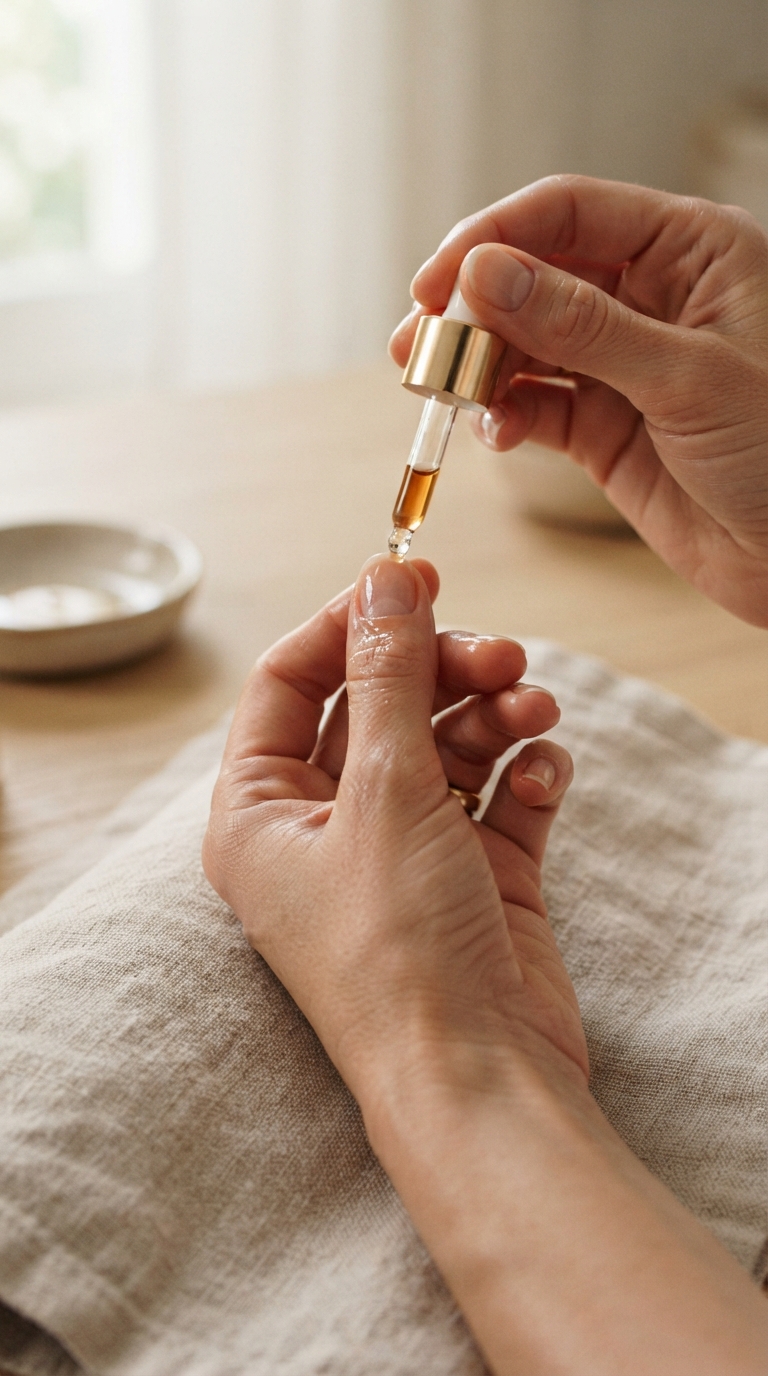
This is one of the simplest, lowest-cost habits on this list, and consistency matters more than any specific product — applying a basic moisturizer daily will do more than an expensive treatment used sporadically.
Best for: Everyone, especially anyone whose hands are frequently exposed to water or hand sanitizer.
Tip 2: Wear Gloves for Wet or Chemical-Heavy Tasks
Prolonged exposure to water, dish soap, and cleaning products strips natural oils from the nails and surrounding skin, which can leave nails more prone to peeling and splitting over time. Wearing rubber or cotton-lined gloves for dishwashing, cleaning, and similar tasks is a simple, protective habit that reduces this repeated exposure.
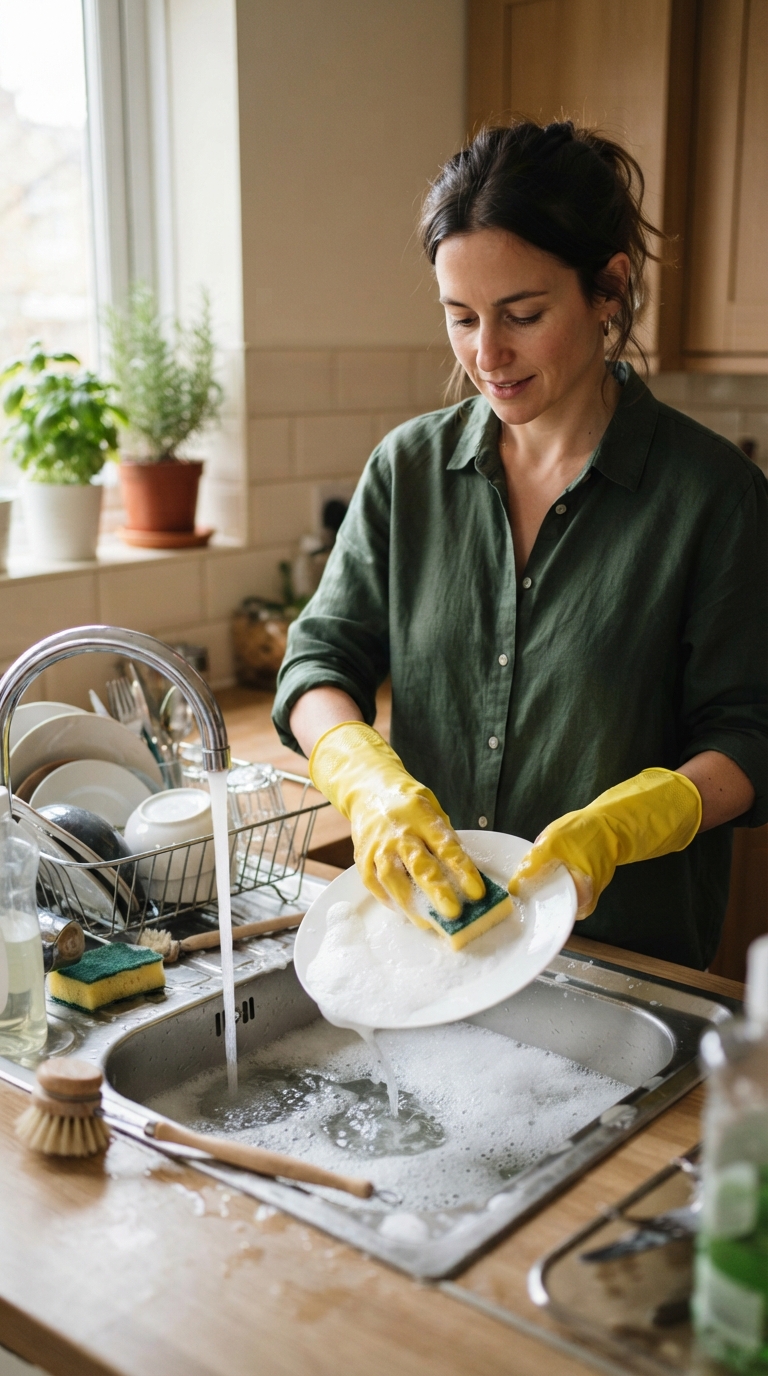
This is especially relevant for anyone who notices their nails are consistently weaker or more damaged than their overall hand health would suggest, since it points to a specific, addressable cause rather than a mysterious one.
Best for: Anyone who does frequent dishwashing, cleaning, or hands-in-water tasks throughout the day.
Tip 3: Keep Nails Trimmed to a Manageable Length
Longer nails have more surface area exposed to snagging, bending, and breaking, particularly if the nails are already somewhat weak or thin. Keeping nails trimmed to a length that suits your daily activities — shorter for anyone who works with their hands frequently — reduces the physical opportunities for breakage while the nails have a chance to strengthen.
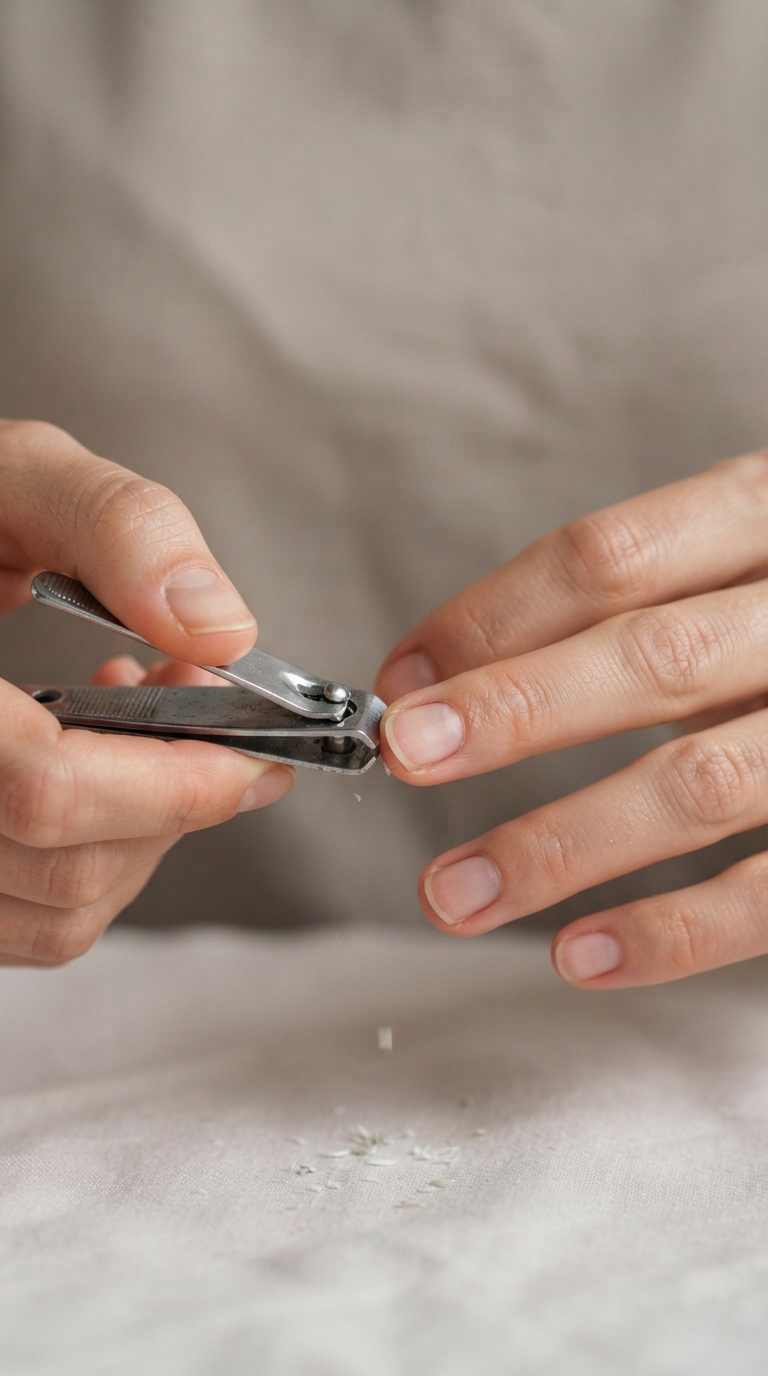
This isn’t a permanent restriction; it’s a practical adjustment worth making while actively working on nail health, which can be revisited once nails are stronger.
Best for: Anyone experiencing frequent breakage or splitting, especially toward the nail’s free edge.
Tip 4: File in One Direction, Not Back and Forth
A back-and-forth sawing motion when filing creates friction that can weaken and fray the nail’s layers, while filing in a single direction produces a cleaner edge with less structural stress on the nail. This is a small technique adjustment, but it’s one of the more commonly overlooked habits that can contribute to ongoing peeling or splitting at the nail’s edge.
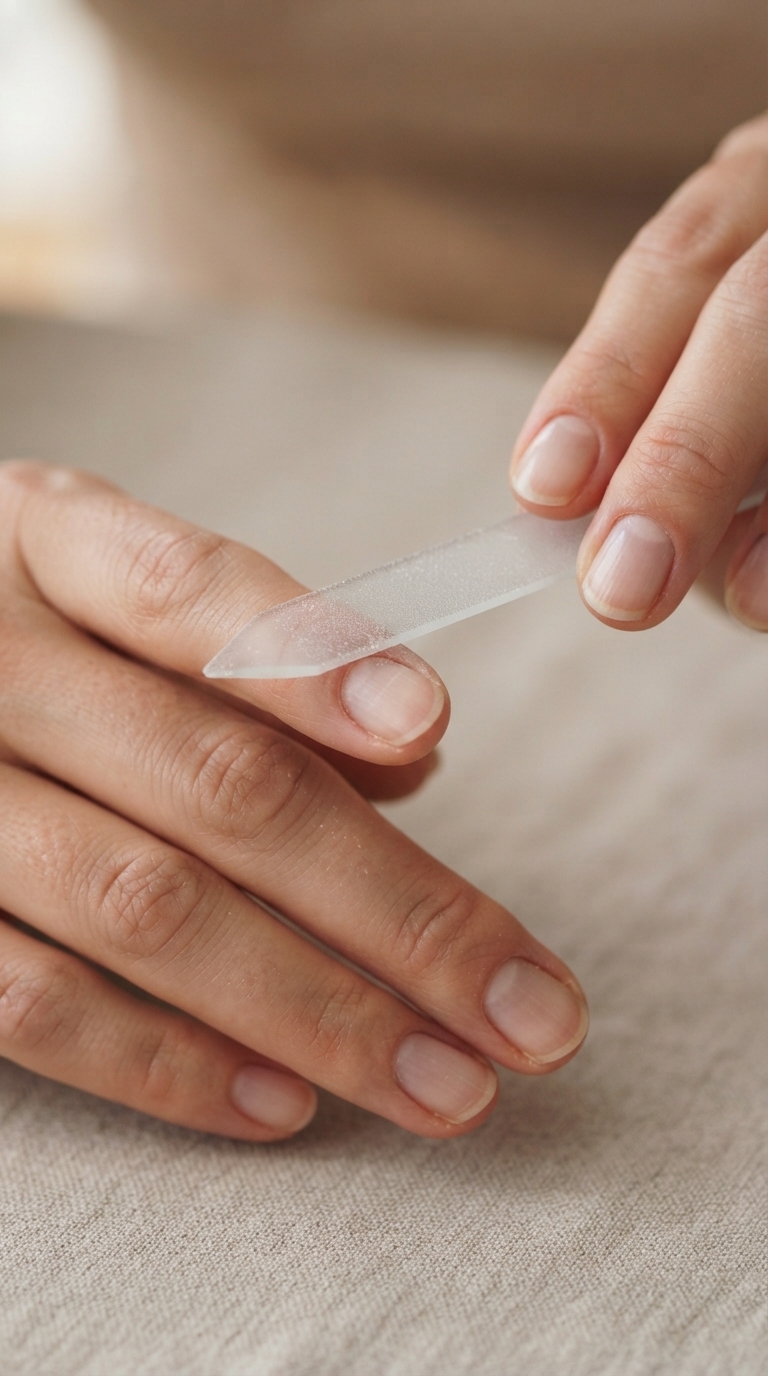
A glass or fine-grit file tends to be gentler on the nail than a coarse emery board, particularly for anyone whose nails are already somewhat fragile.
Best for: Anyone who files their nails regularly, especially if peeling or fraying tends to start at the tip.
Tip 5: Avoid Using Nails as Tools
Opening cans, scraping labels, or prying things apart with the nail’s edge puts direct structural stress on an area of the nail that isn’t built to withstand it, and repeated instances of this habit are a common, often unrecognized cause of chronic breakage. Keeping a small tool — even something as simple as a coin or a designated opener — within reach for these tasks removes the temptation to use nails instead.
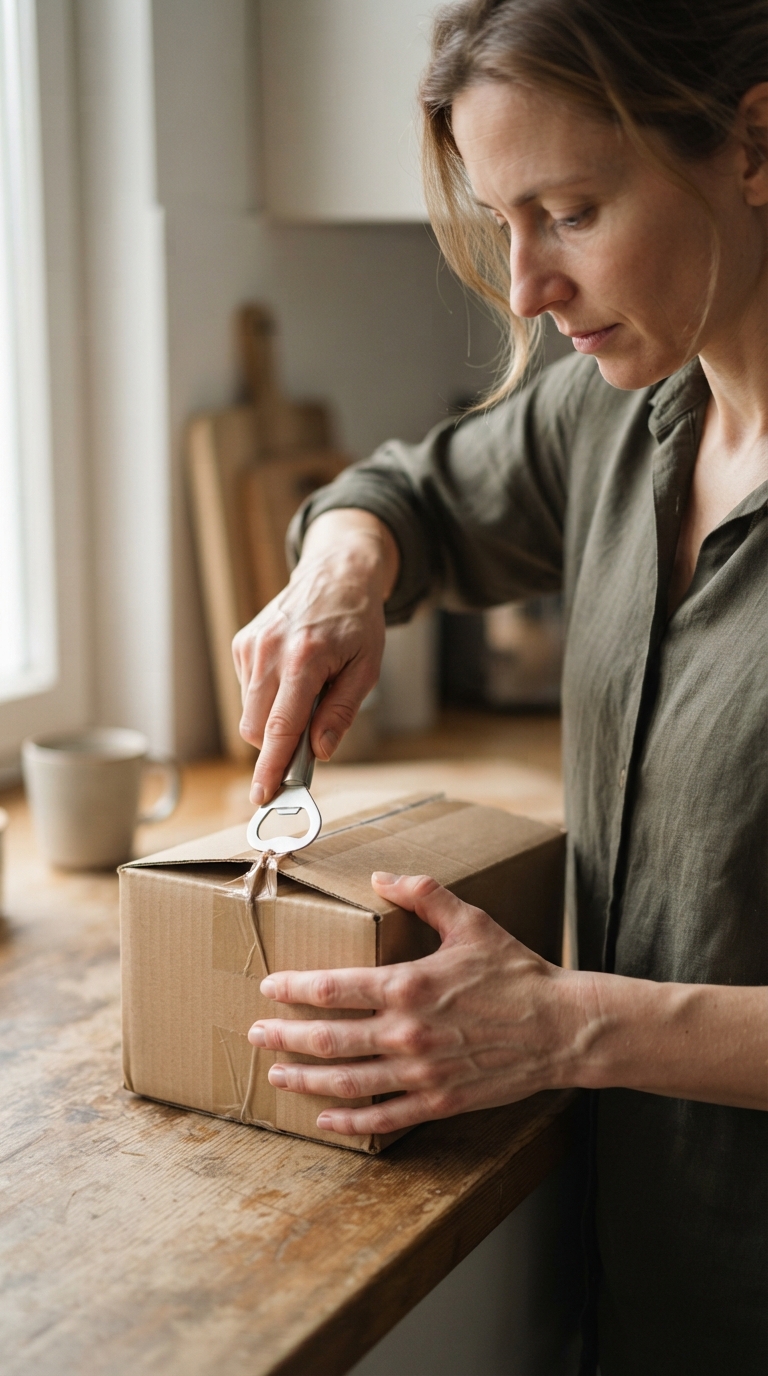
This tip sounds obvious once named, but it’s genuinely one of the more impactful habits to change for anyone whose nails break in the same spot repeatedly.
Best for: Anyone noticing breakage concentrated at a specific point on one or more nails.
Tip 6: Give Nails a Break Between Gel or Acrylic Sets
Gel and acrylic enhancements, along with the application and removal process, can leave natural nails thinner and more prone to peeling if worn continuously without breaks, particularly if removal involves aggressive filing or soaking rather than a gentle professional process. Allowing a few weeks between sets — even occasionally — gives natural nails time to recover some of their thickness and flexibility.
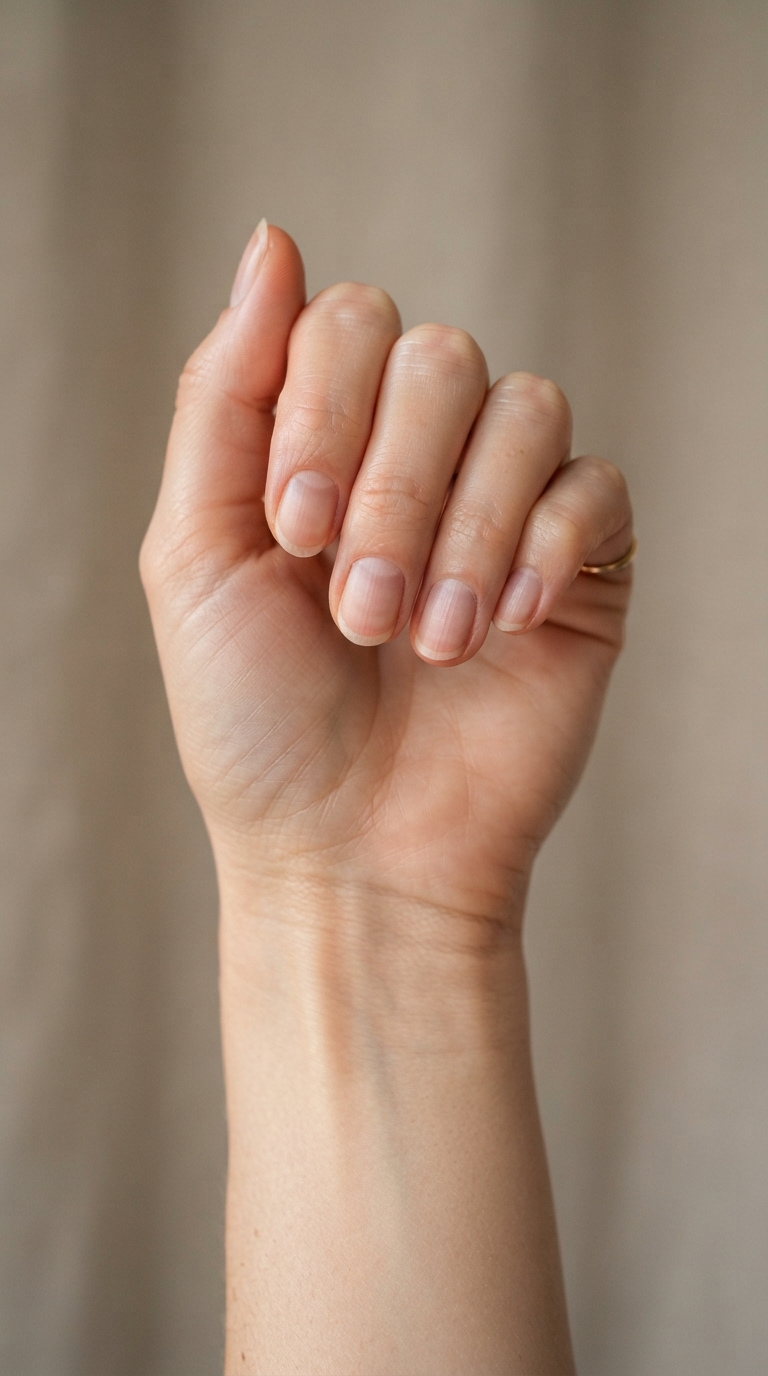
If continuous wear is important to you, discussing gentler application and removal techniques with your nail technician can meaningfully reduce the cumulative impact on the natural nail underneath.
Best for: Anyone who wears gel or acrylic nails regularly and has noticed their natural nails becoming thinner or more fragile over time.
Tip 7: Use a Base Coat, Even Under Simple Polish
A base coat creates a barrier between the nail and pigmented polish, which can otherwise cause staining and dullness on the natural nail plate over time, especially with darker or more saturated polish colors. Beyond protecting against staining, many base coats also offer a small amount of added strength and smoothness that helps polish adhere more evenly.
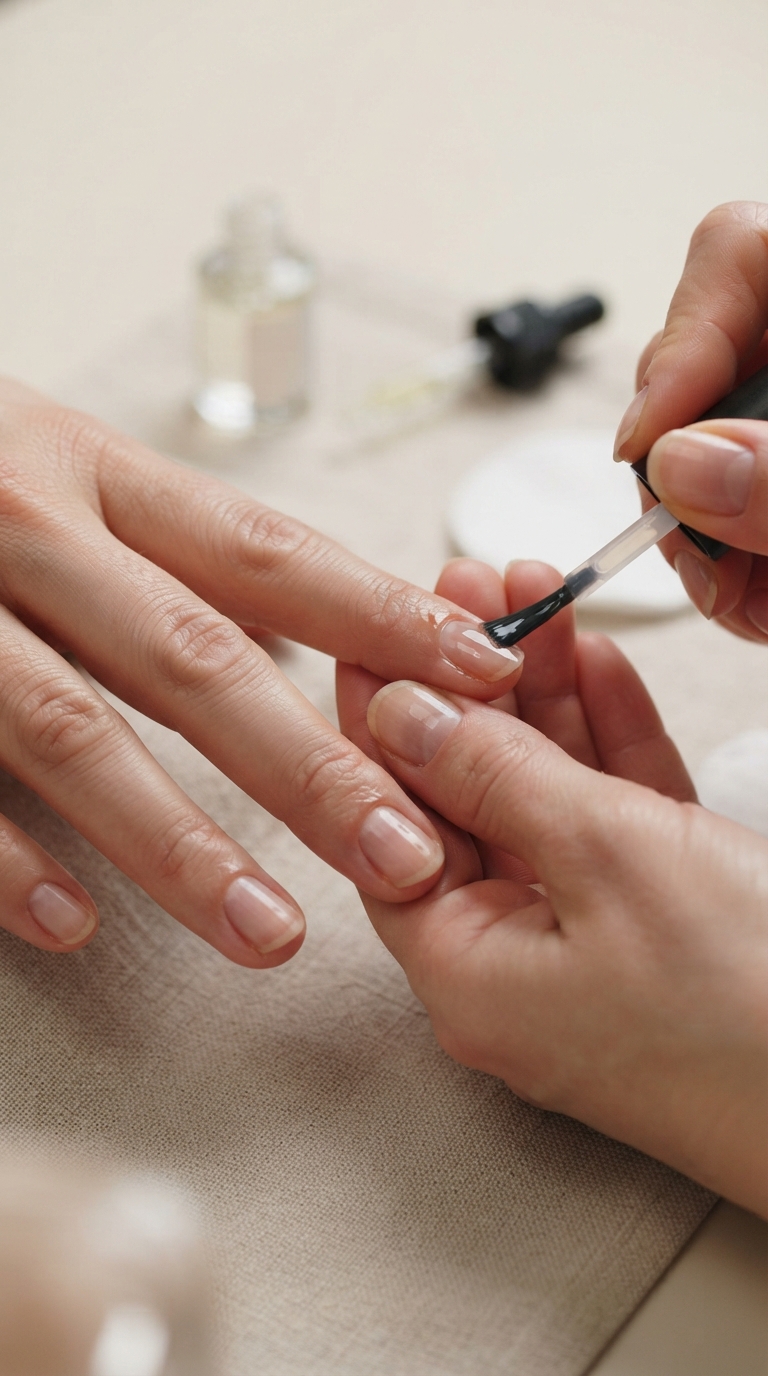
This is a simple, low-effort addition to any polish routine that primarily protects the nail’s appearance over the longer term rather than offering an immediate visible benefit.
Best for: Anyone who regularly wears polish, especially darker or more pigmented shades.
Tip 8: Be Cautious With Acetone-Based Polish Remover
Acetone is effective at removing polish but can also be drying to both the nail and surrounding skin with frequent use, particularly for anyone already dealing with brittle or peeling nails. A non-acetone remover, or limiting acetone use to when it’s genuinely needed (like removing gel polish), can reduce this cumulative drying effect.
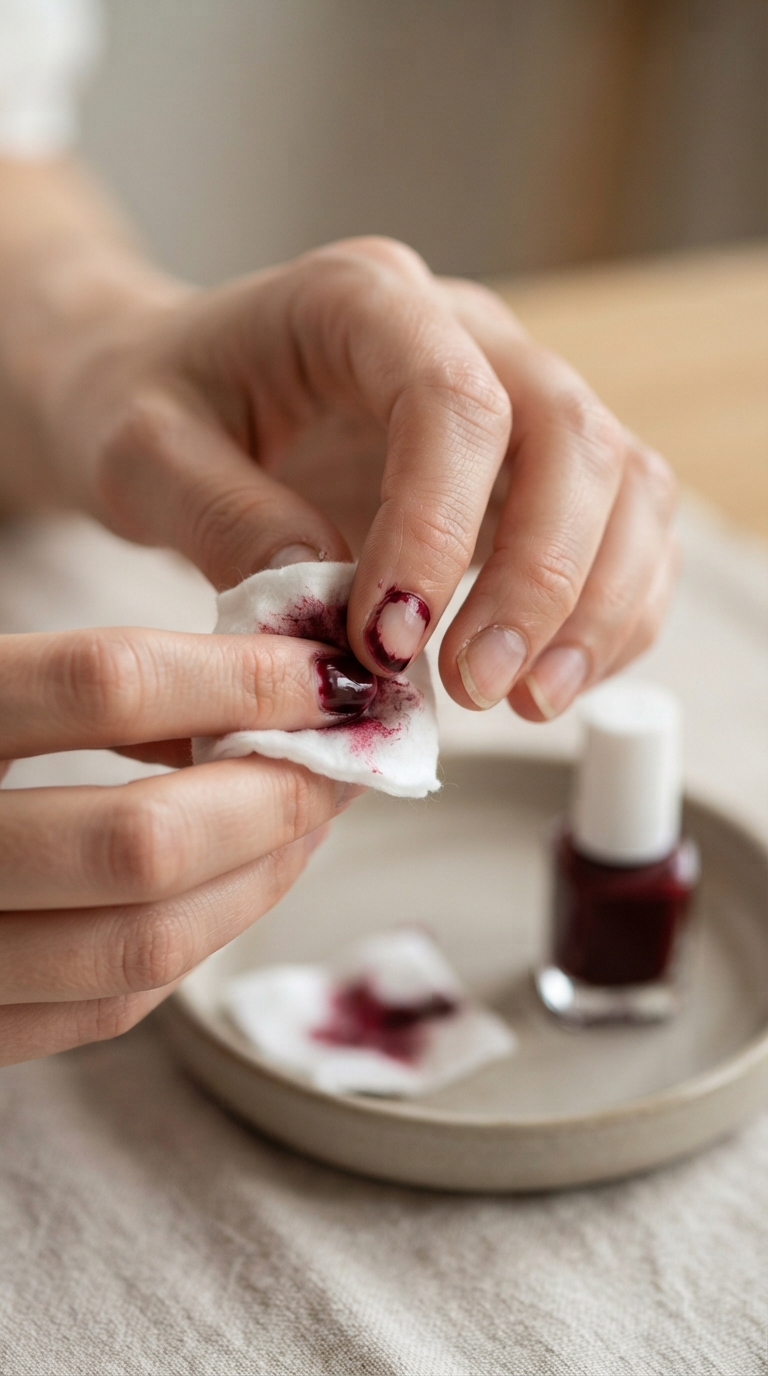
Following any polish removal with a moisturizing cuticle oil or cream helps offset whichever remover type is used, restoring some of the moisture lost during the process.
Best for: Anyone who changes their polish frequently and has noticed increased dryness or brittleness around removal days.
Tip 9: Support Overall Nutrition, Not Just Nail-Specific Supplements
Nails, like hair and skin, reflect overall health to some degree, and a generally balanced diet with adequate protein supports the keratin structure nails are made of. While biotin supplements are commonly marketed for nail strength, the evidence supporting biotin specifically is mixed and most relevant to people with an actual biotin deficiency, which is relatively uncommon; a varied, nutrient-adequate diet is a more broadly supported foundation than any single targeted supplement.

Anyone considering a supplement specifically for nail health is better served discussing it with a doctor first, both to confirm it’s appropriate and to rule out an underlying nutritional gap worth addressing directly.
Best for: Anyone building sustainable, long-term habits rather than looking for a quick fix.
Tip 10: Stay Consistently Hydrated
Adequate water intake supports overall tissue hydration, including the skin surrounding the nails, and chronic dehydration can contribute to a generally dry, brittle appearance across skin and nails alike. This is a general wellness habit rather than a nail-specific treatment, but it’s a reasonable, low-cost piece of a broader approach to nail health.

Best for: Everyone, as part of a broader healthy-habits foundation rather than a standalone fix.
Tip 11: Massage Cuticles Gently Rather Than Cutting Them
Cuticles serve a protective function, sealing the area where the nail meets the skin against bacteria and irritants, and aggressively cutting them can damage that seal, increasing the risk of infection and irritation. Gently pushing back cuticles after softening them with oil or during a bath, rather than cutting them, maintains that protective barrier while still keeping the nail bed looking tidy.
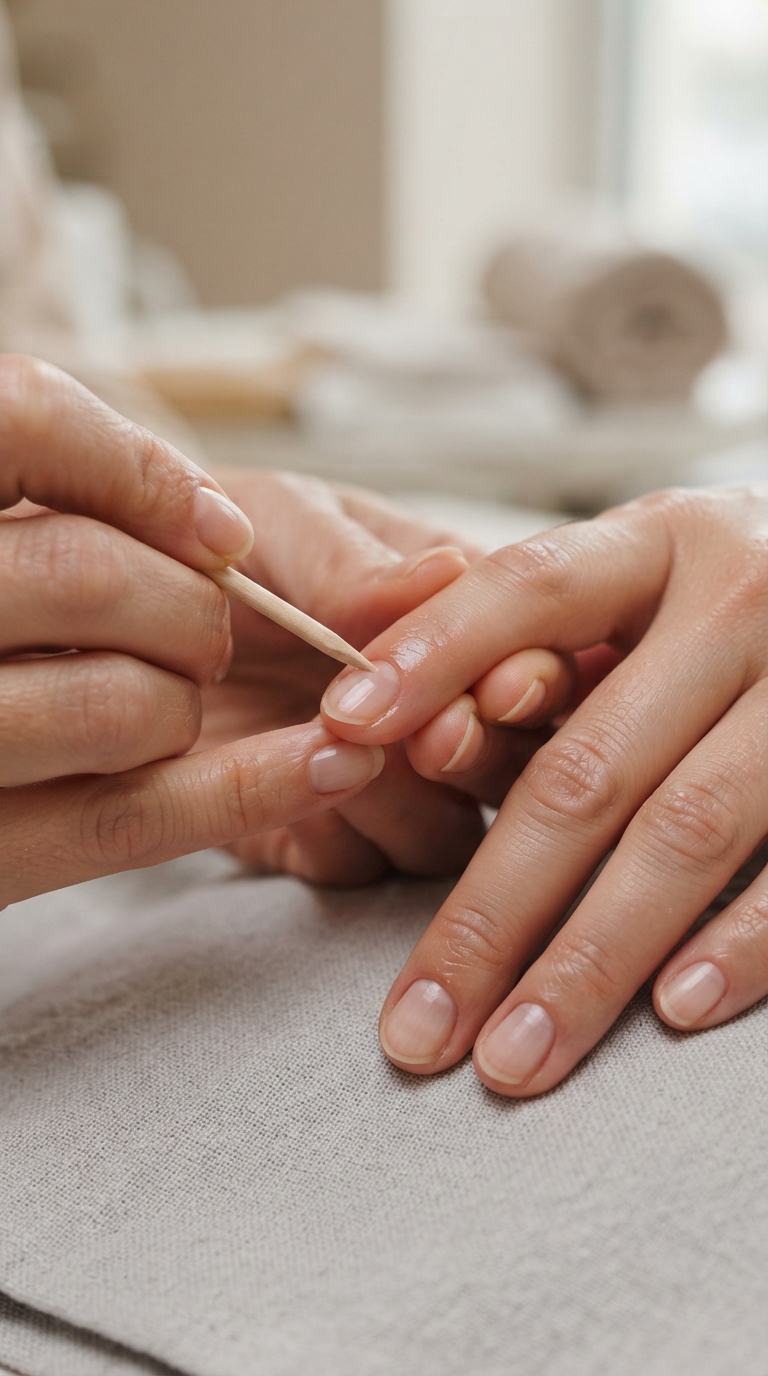
If cuticles are significantly overgrown or causing discomfort, a professional manicurist can trim them safely with sanitized tools rather than doing so at home with regular scissors.
Best for: Anyone who currently cuts their cuticles regularly and wants a gentler long-term approach.
Tip 12: Protect Nails During Exercise and Sports
Repeated impact or friction during certain activities — rock climbing, weightlifting with certain grips, some racquet sports — can put unusual stress on nails, leading to more frequent breakage or even bruising under the nail in more intense cases. Being mindful of grip and, where relevant, using protective tape or gloves during activities known to stress the hands can reduce this specific source of nail damage.

Best for: Anyone whose nail breakage seems to correlate with a specific sport or activity.
Tip 13: Address Nail-Biting or Picking Habits Gently
Nail-biting and picking at the skin around nails can cause both cosmetic damage and, in some cases, genuine injury or infection risk at the nail bed. This is often a stress-related or habitual behavior rather than something that responds well to willpower alone, and gentle strategies — keeping nails trimmed short so there’s less to bite, using a barrier product, or simply noticing and interrupting the habit when it starts — tend to work better than frustration or self-criticism.

If the habit feels difficult to manage or is causing recurring injury, it’s worth mentioning to a doctor or therapist rather than treating it as purely a cosmetic issue to fix alone.
Best for: Anyone working on reducing a nail-biting or picking habit.
Tip 14: Choose Nail Products Free of Harsh Chemicals
Some nail polishes and hardeners contain ingredients like formaldehyde, toluene, or dibutyl phthalate, which have raised concerns for certain sensitive individuals, and many brands now market “3-free” or “5-free” formulas that exclude these specific ingredients. For anyone with a history of nail sensitivity or irritation, checking product labels and choosing formulas free of these commonly flagged ingredients is a reasonable, low-effort precaution.
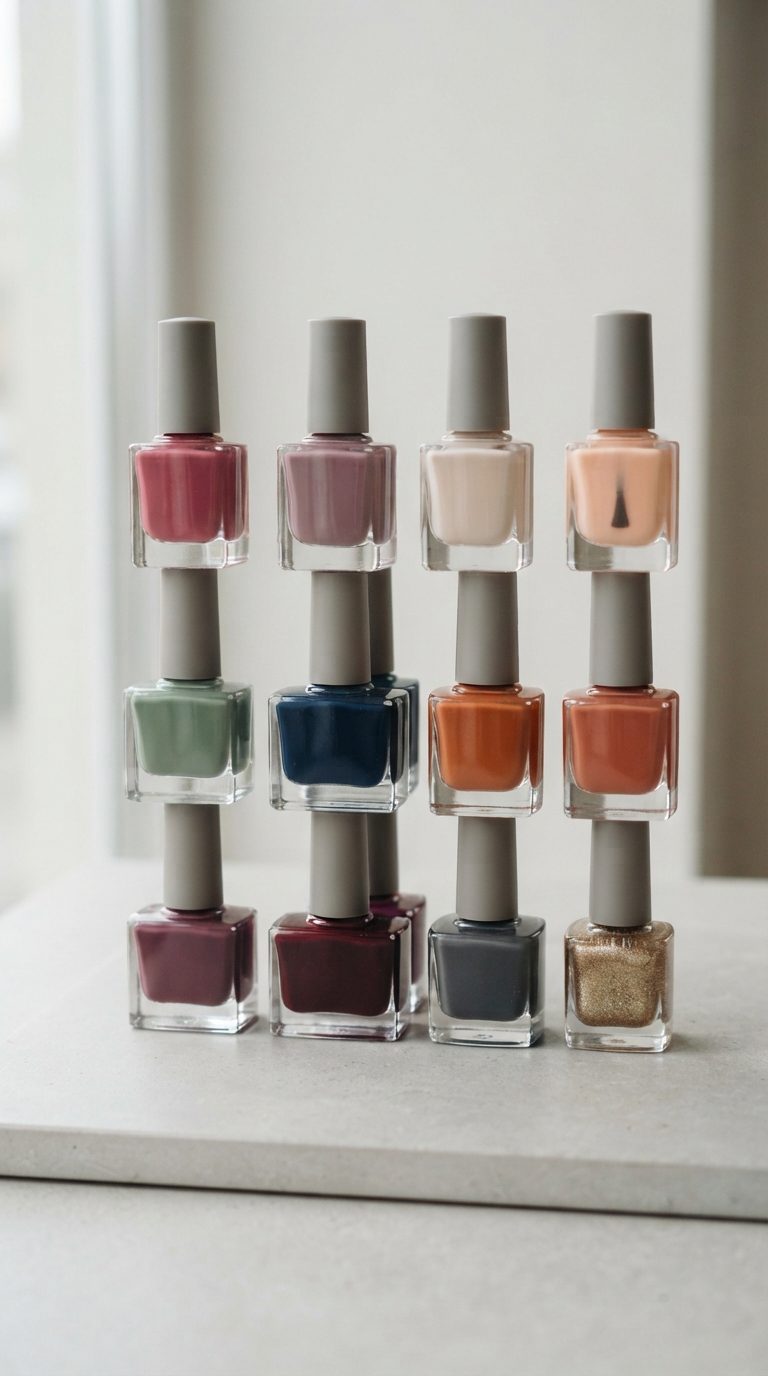
Best for: Anyone with a history of nail or skin sensitivity to polish or nail products.
Tip 15: Know When a Nail Change Warrants a Doctor’s Visit
Most nail concerns — some peeling, occasional breakage, mild dryness — respond reasonably well to the habits above over a few months of consistency. But certain changes are worth a doctor’s attention rather than continued at-home care: significant changes in nail color or shape, persistent pain, swelling around the nail, unusual thickening, or nails separating from the nail bed can all signal something beyond typical wear and tear, ranging from fungal infection to signs of an underlying health condition.
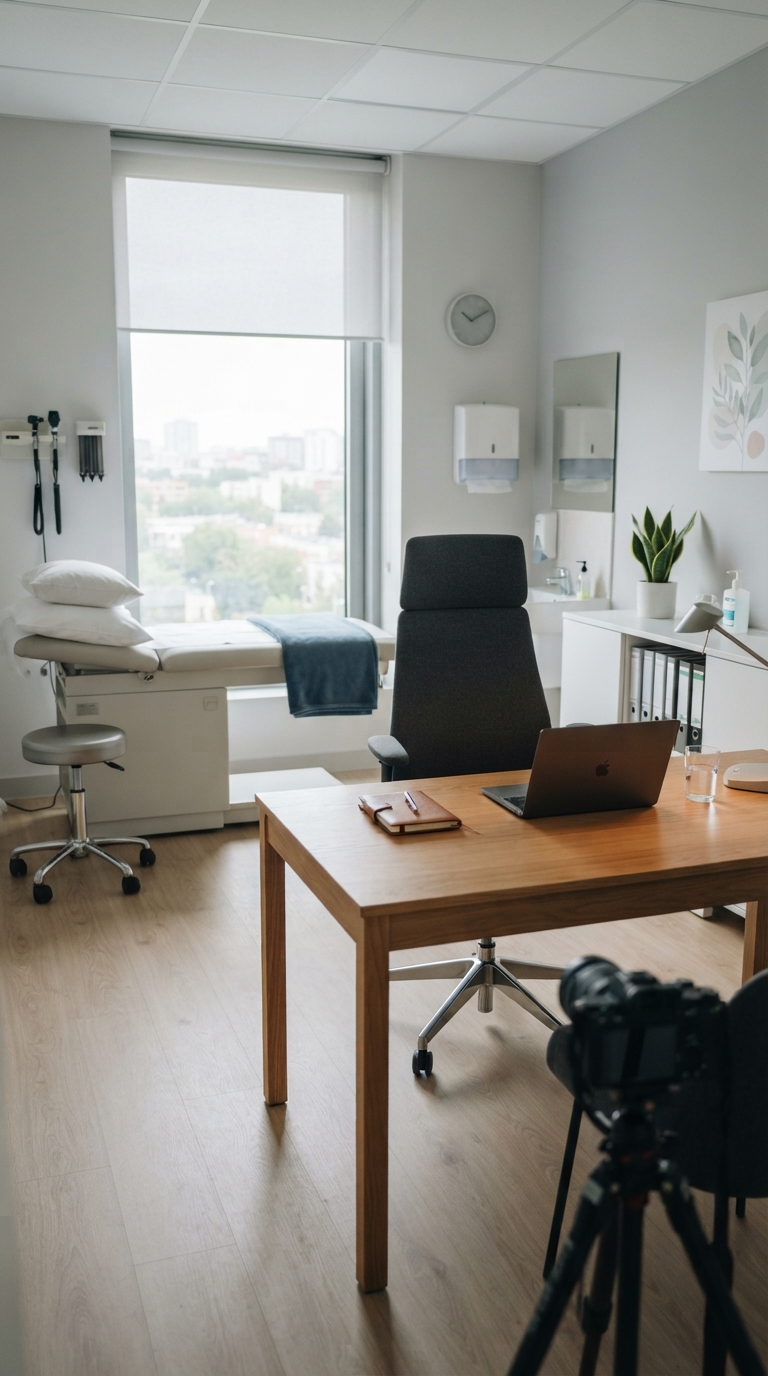
This tip matters because nail health is sometimes treated as purely cosmetic when it can occasionally be an early, visible signal of something else going on — a doctor is far better positioned to make that distinction than a skincare routine.
Best for: Anyone noticing a nail change that feels different from ordinary breakage or dryness — new, persistent, or unusual in appearance.
Building a Realistic Nail Care Routine
Start with the lowest-effort, highest-impact habits first — daily moisturizing (Tip 1), gloves for wet tasks (Tip 2), and a base coat under polish (Tip 7) — since these require almost no behavior change but address some of the most common causes of ongoing nail weakness. Once those feel automatic, layer in the habit-based changes, like filing technique (Tip 4) or breaks between enhancement sets (Tip 6), which take a bit more conscious effort to adjust.
Avoid changing everything at once. Nails take weeks to show visible change, and introducing too many new habits simultaneously makes it hard to tell what’s actually helping.
What to Realistically Expect
Nail growth is slow and steady — most fingernails grow only a few millimeters per month — so meaningful visible improvement from new habits typically takes 8 to 12 weeks or longer to show up in newly grown nail, not the portion of nail that’s already there. Existing damage, like peeling or splitting at the tip, generally needs to be trimmed away and grown out rather than “repaired” directly, which is worth knowing so the timeline doesn’t feel discouraging.
Closing Thoughts
Stronger, healthier-looking nails rarely come down to one dramatic fix — they’re almost always the result of several small, boring, consistent habits working together over months rather than days. Protecting nails from unnecessary stress, keeping them moisturized, and knowing when a change is worth a professional opinion will do more for long-term nail health than any single product on its own.
Save this guide, pick two or three habits to start with this week, and give your nails the time they genuinely need to show the difference.