
8 Flattering Hair-Color Ideas for Short Hair
Short hair color doesn’t behave the same way long hair color does, and treating it like a smaller version of a long-hair technique is one of the most common reasons a short cut color job can look flat or unfinished. With less surface area and less length for gradients or balayage to unfold across, every color choice on short hair reads faster and more immediately — there’s nowhere for a technique to hide if it’s not working.
That’s actually good news once you understand it. Short hair color can be some of the most striking, high-impact color available, precisely because the compressed canvas means every choice shows clearly. The right shade on a pixie or a short bob can look more deliberate and more polished than the same color diluted across twenty extra inches of hair.
This guide covers eight hair color ideas built specifically with short hair in mind — not simply borrowed from long-hair trend lists — organized by what each one is doing structurally to work with a shorter length rather than against it.
Style 1: All-Over Rich Espresso Brown
On short hair, a single, deeply saturated color reads with total clarity since there’s no length for the eye to travel across and lose track of the shade’s consistency. Rich espresso brown, applied uniformly, gives short hair a polished, deliberate density that a lighter or more broken-up color can’t always achieve at shorter lengths.
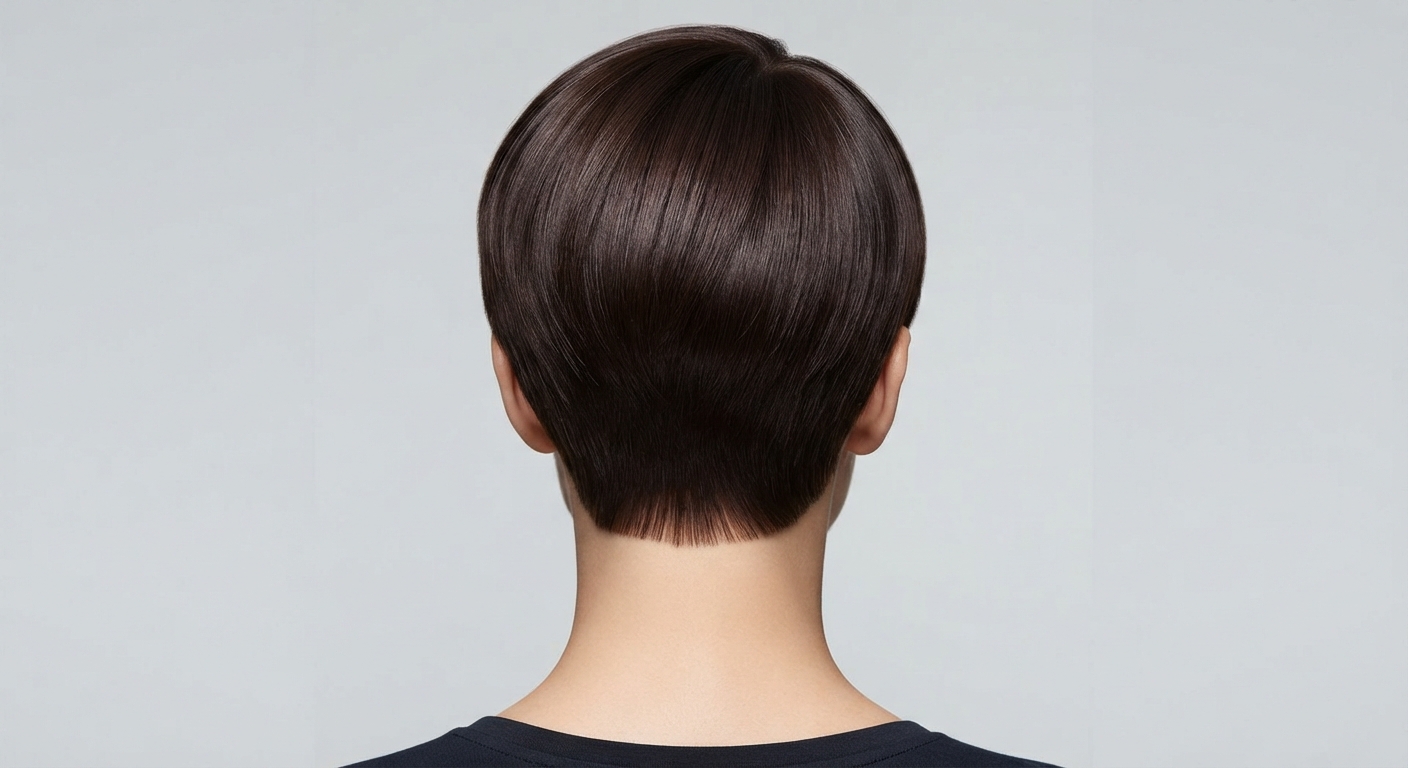
The uniformity here is the whole point — short hair styled with texture and movement already provides visual interest through cut alone, so a flat, rich color lets the shape of the haircut itself do the work.
Best for: Pixie cuts and short bobs; anyone wanting maximum color depth and shine.
Maintenance reality: Root touch-ups every 4–6 weeks, since short hair grows out visibly faster relative to its total length than long hair does.
Style 2: Soft Face-Framing Highlights on a Bob
Rather than full highlights throughout, a few soft, hand-painted pieces placed specifically around the face on a short bob draw attention directly to the jaw and cheekbones — features a shorter cut already puts on display. This targeted placement avoids the “stripiness” that can happen when highlight techniques designed for long hair get compressed onto a much shorter canvas.
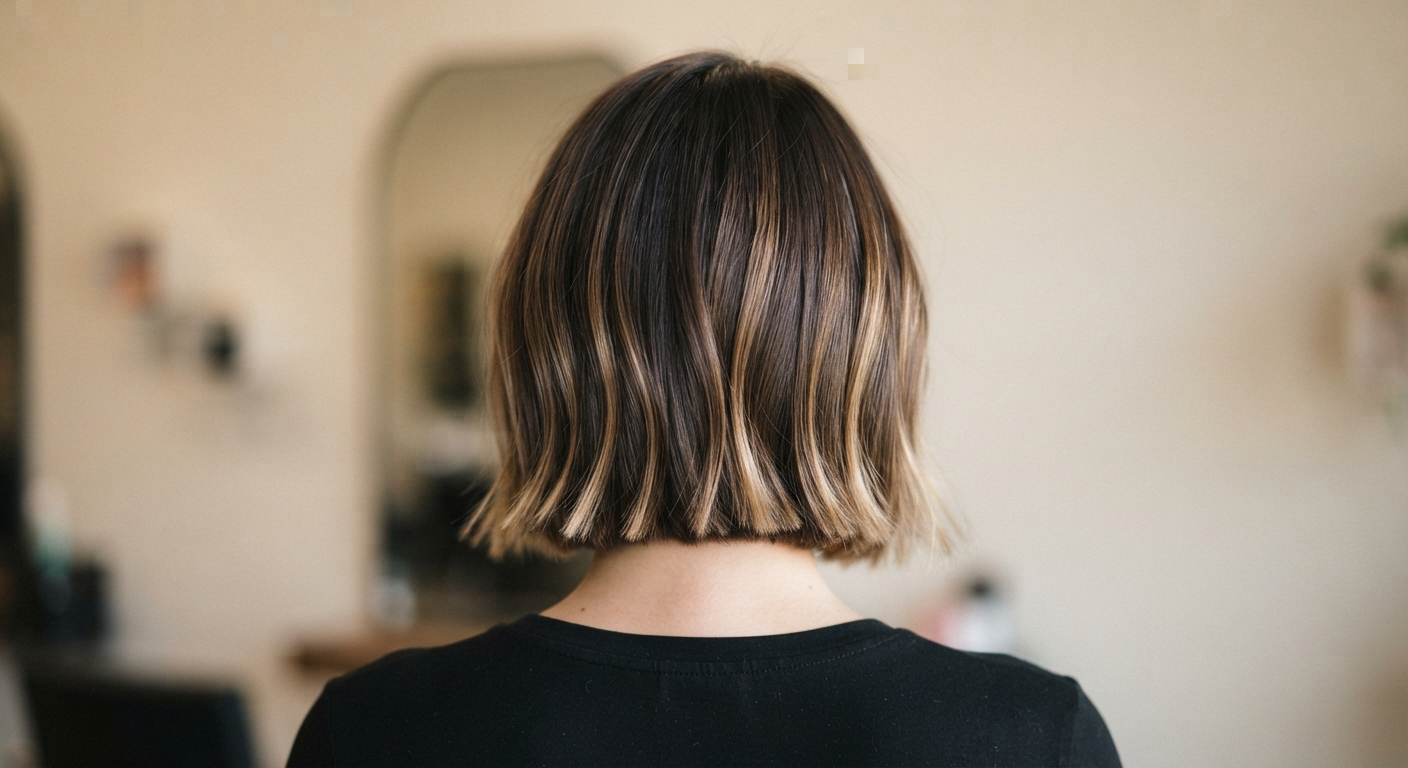
Because the highlights are concentrated at the face rather than throughout, this technique also requires less overall color processing than full highlights would.
Best for: Short bobs and lobs; anyone wanting brightness specifically around the face.
Maintenance reality: Touch-ups every 8–10 weeks; more forgiving than all-over highlights due to the limited placement.
Style 3: Solid Platinum Pixie
On very short hair, an all-over platinum color reads as bold and architectural rather than simply “blonde,” since the short length keeps the eye focused on the color’s intensity and the cut’s precision simultaneously. This is one of the highest-impact color choices for short hair specifically, delivering a striking, editorial result that longer hair often needs more styling effort to achieve.
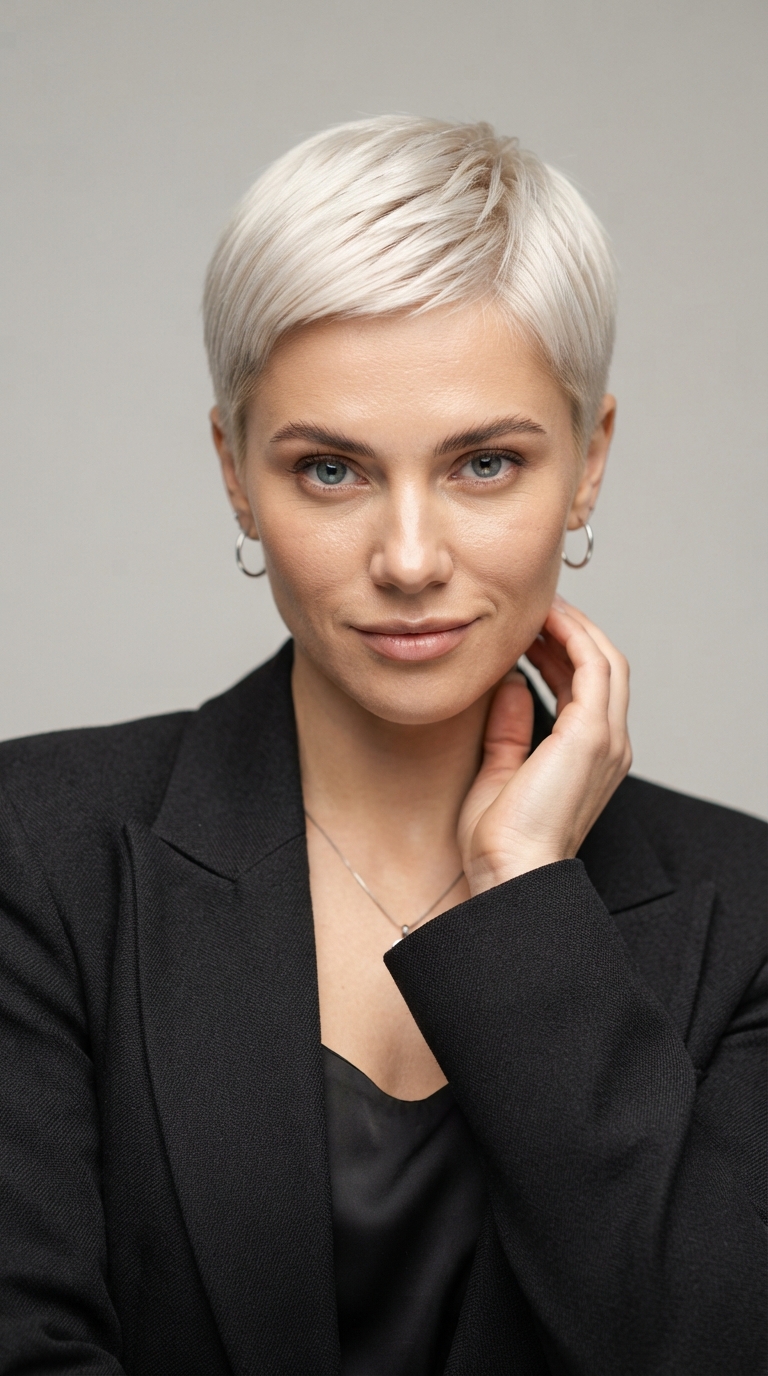
Because there’s minimal length for regrowth to visually dominate, platinum on a pixie tends to look intentional even a few weeks past a touch-up, unlike platinum on longer hair, where roots become obvious faster relative to the overall look.
Best for: Pixie cuts specifically; anyone wanting a genuinely bold, statement color.
Maintenance reality: Root touch-ups every 3–4 weeks and regular toning to prevent brassiness; one of the higher-commitment options on this list.
Style 4: Root Smudge for Short Grow-Out Ease
A soft, blurred transition between a slightly deeper root and a lighter overall color minimizes how quickly regrowth becomes visually obvious on short hair, where even a small amount of new growth represents a larger proportion of the total hair length than it would on longer hair. This technique is arguably more valuable on short hair than long hair for exactly that reason.

The soft blend also adds subtle dimension to what might otherwise be a completely flat color, giving short hair a sense of depth despite the limited surface area.
Best for: Anyone with short hair wanting lighter color without a demanding root-touch-up schedule.
Maintenance reality: One of the more forgiving techniques on this list; appointments every 8–10 weeks are typical even at shorter lengths.
Style 5: Copper Pixie
Vivid copper on a pixie cut delivers dramatic color payoff with a relatively small amount of hair to process, making it one of the more approachable ways to try a bold, saturated color without the commitment a full head of long copper hair requires. The short length also means the color catches light from every angle almost simultaneously, giving it a particularly vibrant, alive quality.
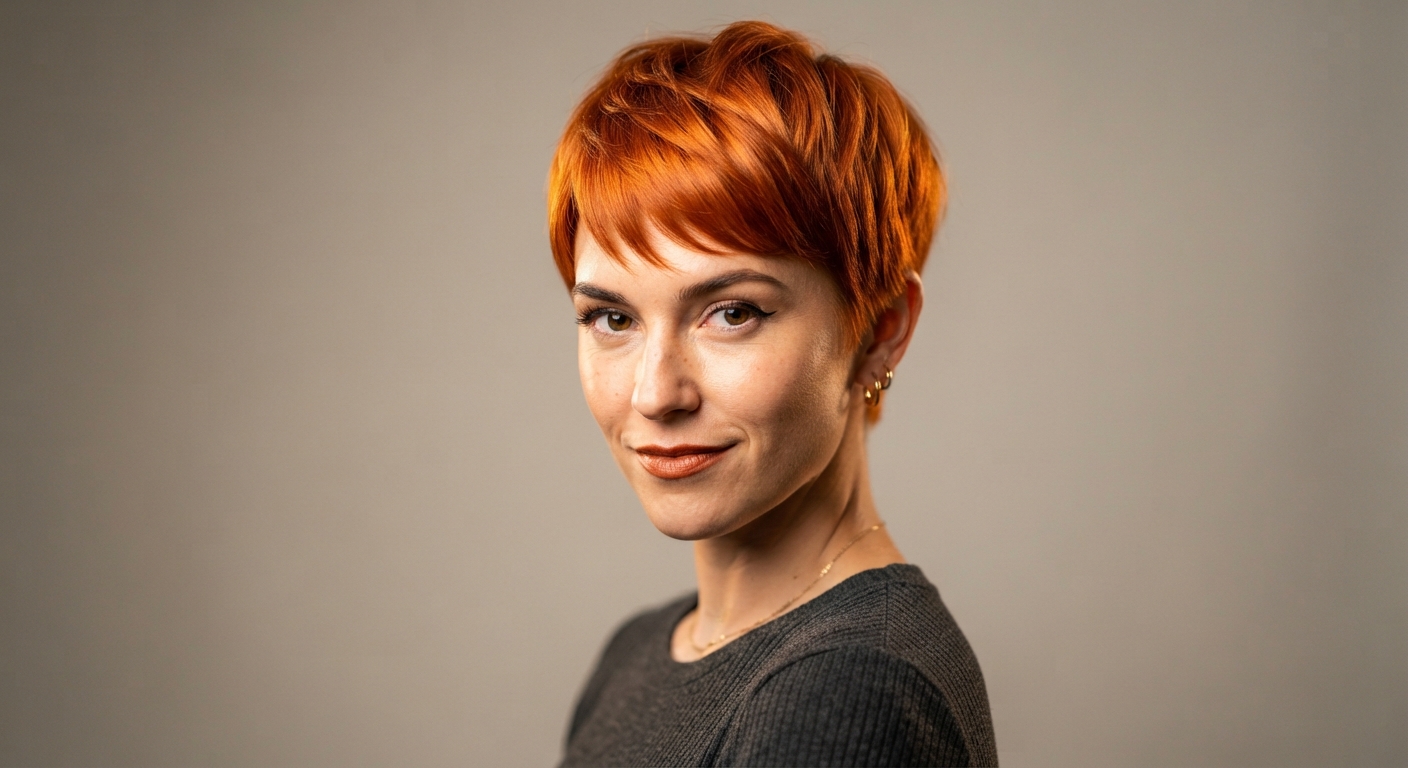
Copper does fade faster than most color families regardless of length, so this is a color that rewards frequent refreshes over a “set it and forget it” approach.
Best for: Anyone wanting a bold color statement with a lower overall commitment than the same shade on long hair.
Maintenance reality: Color refreshes every 4–6 weeks to maintain vibrancy; color-preserving shampoo extends the life between visits.
Style 6: Dimensional Brunette Balayage on a Lob
Balayage, applied with restraint on a shoulder-length lob, gives short-to-medium hair genuine dimension without the harsher contrast that can happen when a technique built for longer hair gets compressed too aggressively onto a shorter length. Keeping the lightened pieces soft and concentrated through the ends, rather than starting too close to the root, is what keeps this technique working well at a shorter length.

This is one of the more versatile options here, suiting a wide range of natural brunette bases and growing out gracefully thanks to the soft, blended placement.
Best for: Lobs and longer bobs specifically; anyone wanting dimension without a dramatic color change.
Maintenance reality: Touch-ups every 10–12 weeks; one of the lower-maintenance options for a lob-length cut.
Style 7: Deep Burgundy Bob
A rich, dark burgundy with a visible red undertone gives a short bob a dramatic, jewel-toned quality that reads clearly even in low light, since the short length keeps the color’s saturation consistent throughout rather than fading in appearance toward the ends the way it might on longer hair. This shade works particularly well on blunt, structured bob cuts, where the color’s richness echoes the cut’s precision.
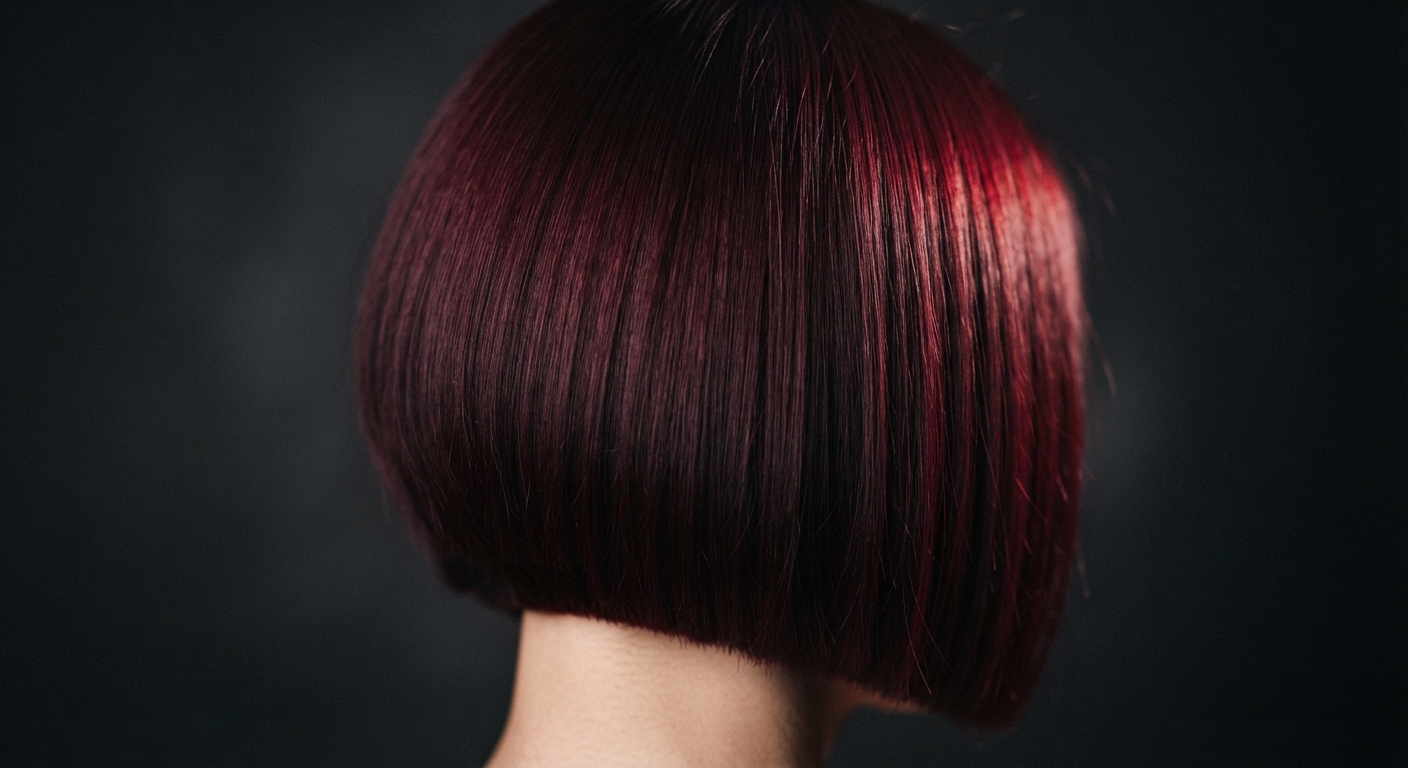
Burgundy on dark hair requires some lightening to achieve full vibrancy, so this is a color best discussed thoroughly with a colorist beforehand, especially for anyone starting from a very deep natural base.
Best for: Structured bob cuts; anyone wanting a dramatic, jewel-toned color statement.
Maintenance reality: Gloss refreshes every 6–8 weeks to maintain the red-toned richness; root touch-ups every 4–6 weeks depending on natural base color.
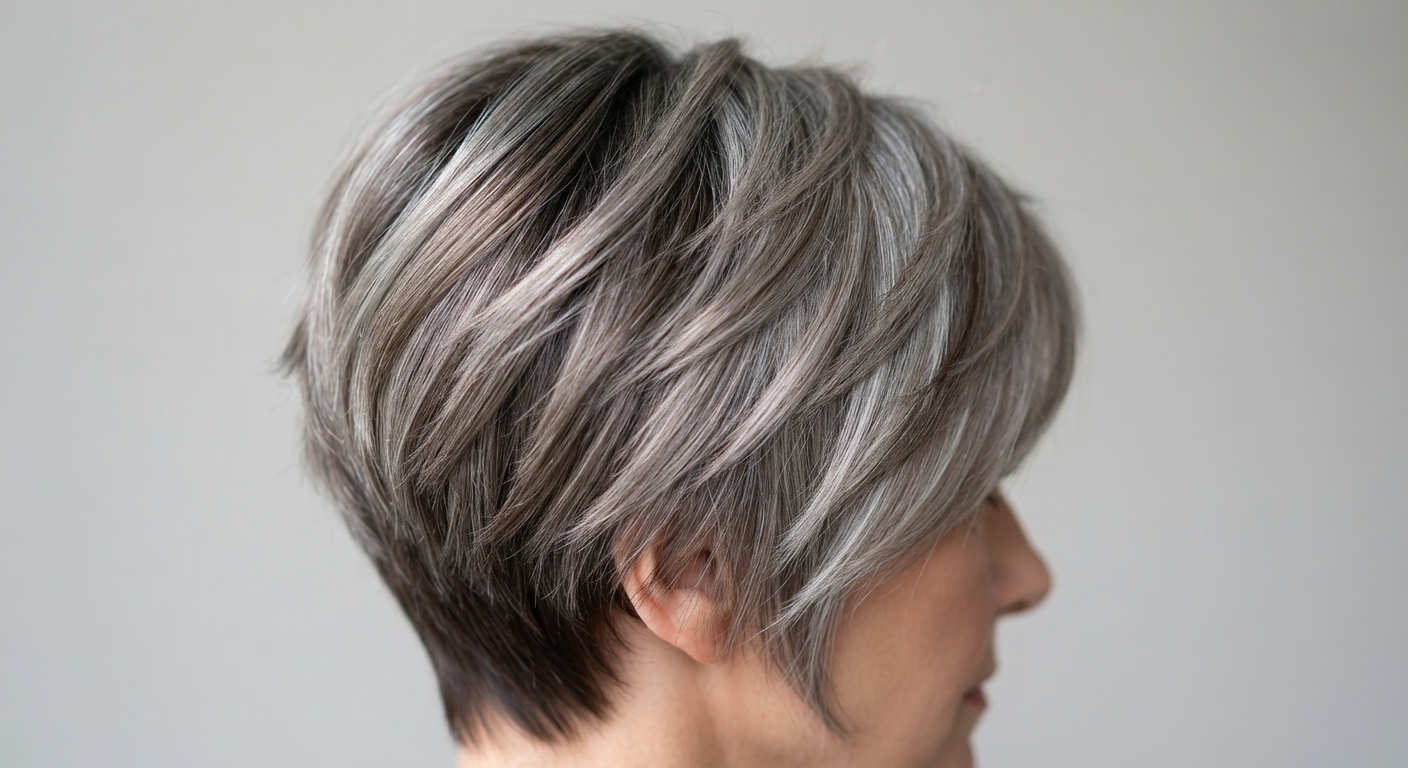
Style 8: Natural Gray Blending on a Short Crop
Soft, strategically placed highlights and lowlights woven through natural gray hair on a short crop let the gray read as intentional dimension rather than something being hidden, and the shorter length actually makes this blending technique easier to execute evenly than it would be across much longer hair. This has become an increasingly requested approach for anyone embracing natural gray while still wanting a polished, coordinated color story.
Because the technique works with the existing gray rather than against it, it also requires less frequent color maintenance than full gray coverage would on the same length.
Best for: Anyone with visible natural gray wanting a sophisticated, dimensional approach on a short cut.
Maintenance reality: Touch-ups every 10–12 weeks; notably more forgiving than full gray coverage, which typically needs monthly appointments.
How to Ask Your Colorist for the Right Shade on Short Hair
Mention specifically that your hair is short and ask how any technique you’re considering will translate at that length — a colorist experienced with shorter cuts will often adjust placement or intensity differently than they would for the same request on long hair. Bring a reference photo of someone with a similar hair length and cut, not just a similar color, since the same shade can look completely different depending on how much hair is actually there to carry it.
If low maintenance matters to you, say so directly and ask about root-smudge or soft-blend techniques rather than a sharp, all-over color change, since regrowth becomes visually significant much faster on short hair than on long hair.
Maintaining Color on Short Hair
Because short hair grows out faster relative to its overall length, root maintenance schedules tend to run tighter than they would for the same color on long hair — plan for appointments roughly every 4 to 8 weeks depending on how dramatic the color change was. A color-safe shampoo and minimal heat styling help preserve vibrancy between visits, and for any bold or vivid shade specifically, a color-depositing conditioner used every week or two can meaningfully extend how long the color looks fresh.
Choosing the Right Color for Your Short Cut
If you want maximum impact with reasonable upkeep, dimensional balayage on a lob (Style 6) or face-framing highlights on a bob (Style 2) deliver noticeable results without demanding constant salon visits. If you’re ready for a bolder commitment, platinum (Style 3) or copper (Style 5) on a pixie make the most of a shorter length’s ability to showcase saturated color from every angle.
And if low maintenance is the priority above all else, the root smudge technique (Style 4) or natural gray blending (Style 8) are built specifically to minimize how often you need to be back in the chair.
Closing Thoughts
Short hair color works best when it’s chosen for the length it’s actually going on, not borrowed wholesale from a long-hair trend list and hoped into place. Every shade in this guide was chosen because of how it behaves specifically at a shorter length — how it catches light, how it grows out, and how it interacts with a compressed canvas rather than a long one.
Save this guide, bring the specific shade and technique language to your next appointment, and let your short cut carry color the way it’s actually built to.
One thought on “8 Flattering Hair-Color Ideas for Short Hair”