19 Front Layer Haircuts for Long Hair That Frame Your Face Beautifully
Front layers are one of the most requested — and most miscommunicated — parts of a layered haircut, because “front layers” can mean anything from a barely-there wisp near the temple to a dramatic, chin-length curtain. This roundup breaks down 19 specific front-layer styles for long hair, grouped by where the shortest layer starts and how dramatically it’s cut, so you can identify exactly what you want before you sit down in the chair. Each entry covers what the layer actually does around your face, who it tends to suit, and how it grows out, so you’re working from precise language instead of a vague idea.
Layers Starting at the Cheekbone
Cheekbone-length front layers are the most dramatic option on this list, creating the most noticeable framing effect closest to the face.
1. Classic Cheekbone-Length Face Framing
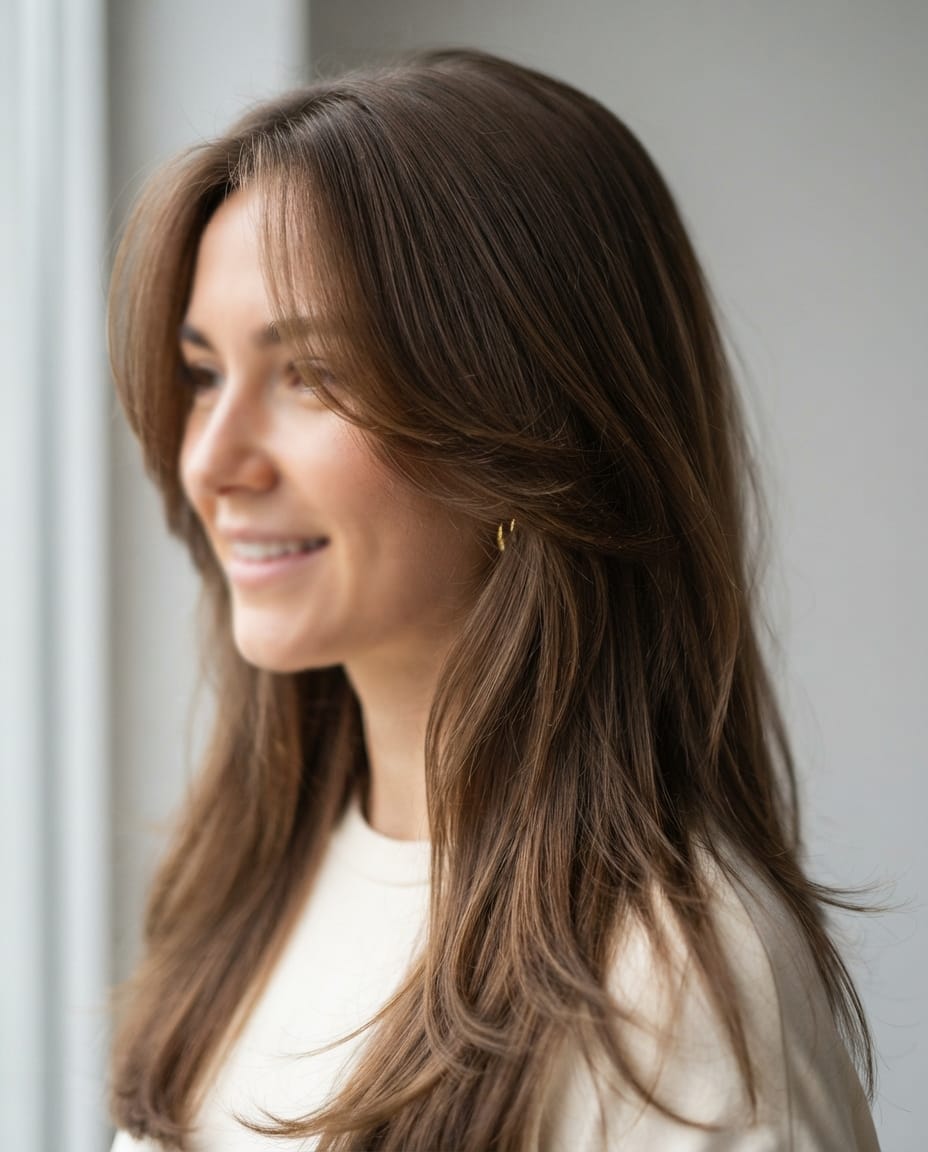
The shortest layer starts right at cheekbone height and blends upward into the rest of the length, creating strong, immediate framing around the widest part of most faces. This is the most attention-grabbing placement on the list, since the contrast between the short front pieces and the longer length behind them is the most pronounced. It suits anyone wanting a clear, defined change rather than a subtle addition, and it requires the most frequent trims of any option here — roughly every 8 weeks — to keep the short pieces from growing past the point where they still frame the face.
2. Cheekbone Layers with a Deep Side Part
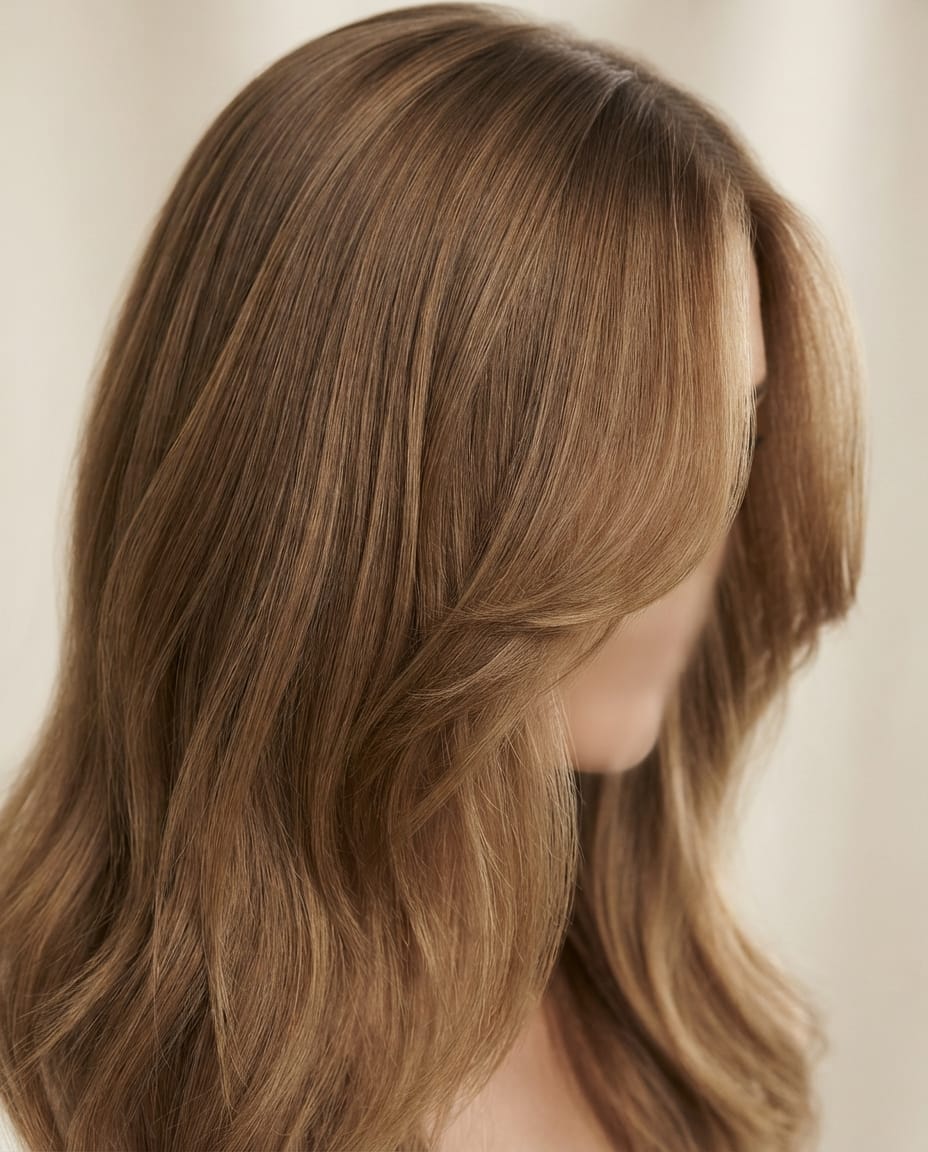
The same cheekbone-starting layer, but styled with a deep side part so one side’s framing pieces fall more prominently than the other, creating asymmetrical emphasis. This suits people who want the dramatic framing effect of cheekbone layers but prefer an off-center, less symmetrical look, and it tends to photograph particularly well from a three-quarter angle where the deeper side is visible.
3. Cheekbone Layers with Curled Ends
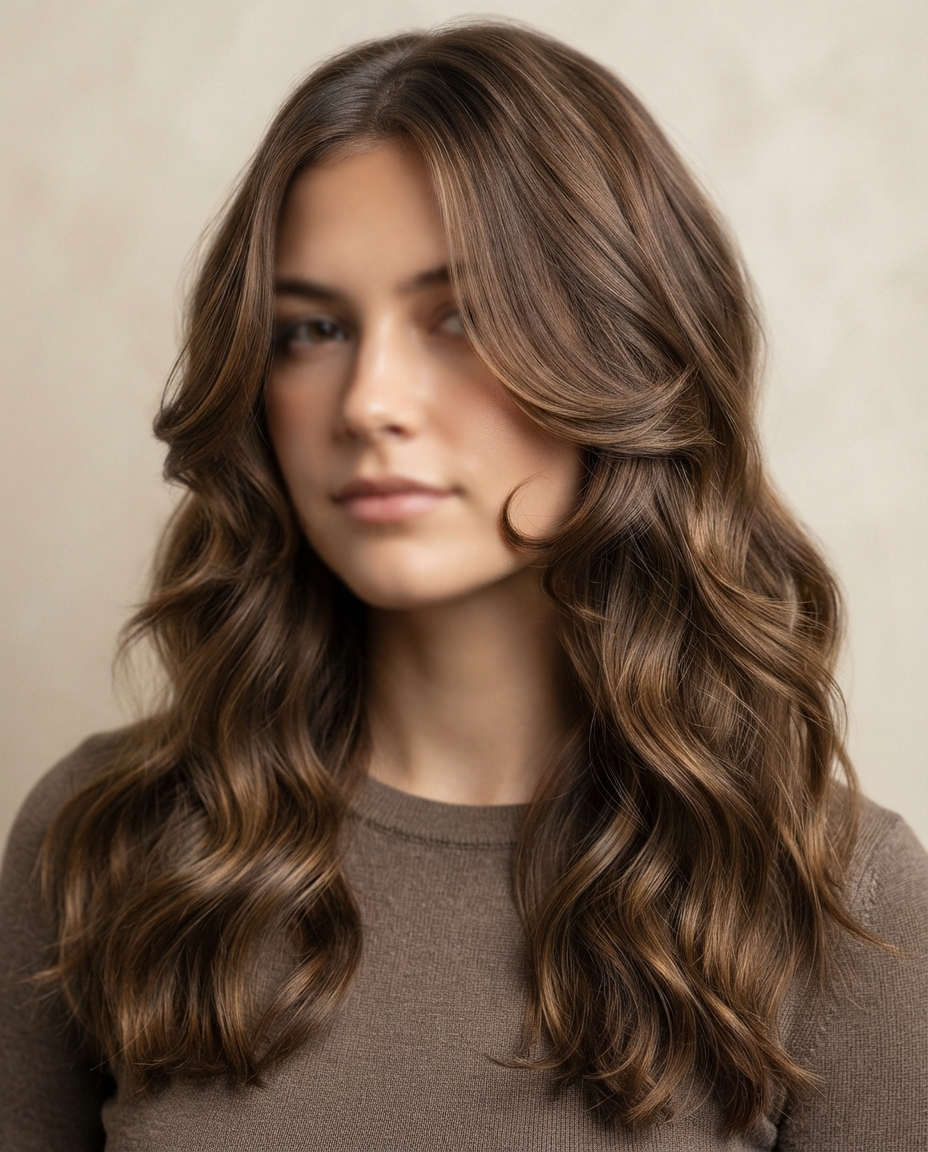
The front pieces are cut to cheekbone length and then curled inward toward the face using a curling iron or wand, which intensifies the framing effect by physically bringing the shortest hair closer to the jawline and cheek. This styling approach suits special occasions or anyone wanting the most dramatic possible version of this length placement, though the framing effect relaxes somewhat as the curl drops out over the course of a day.
Layers Starting at the Jaw
A slightly longer starting point than cheekbone layers, jaw-length framing offers a gentler transition while still providing clear definition around the face.
4. Classic Jaw-Length Face Framing
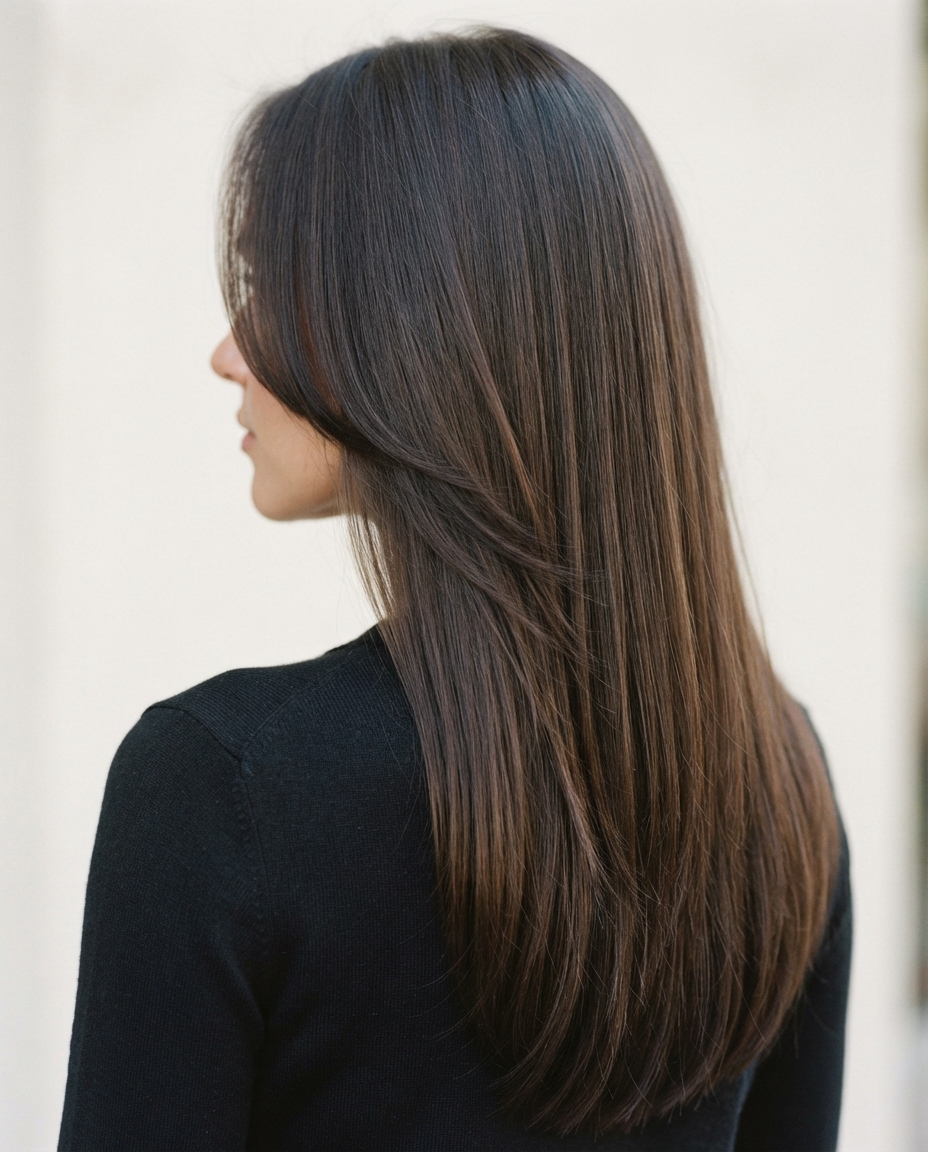
Starting the shortest layer at jaw height rather than cheekbone gives a softer, more gradual framing effect that’s less dramatic day-to-day but still clearly visible, especially with the hair down and unstyled. This is one of the most commonly requested placements because it balances visible change with a more forgiving grow-out period than cheekbone-length layers, typically allowing 10–12 weeks between trims before the framing effect noticeably softens.
5. Jaw-Length Layers with a Center Part
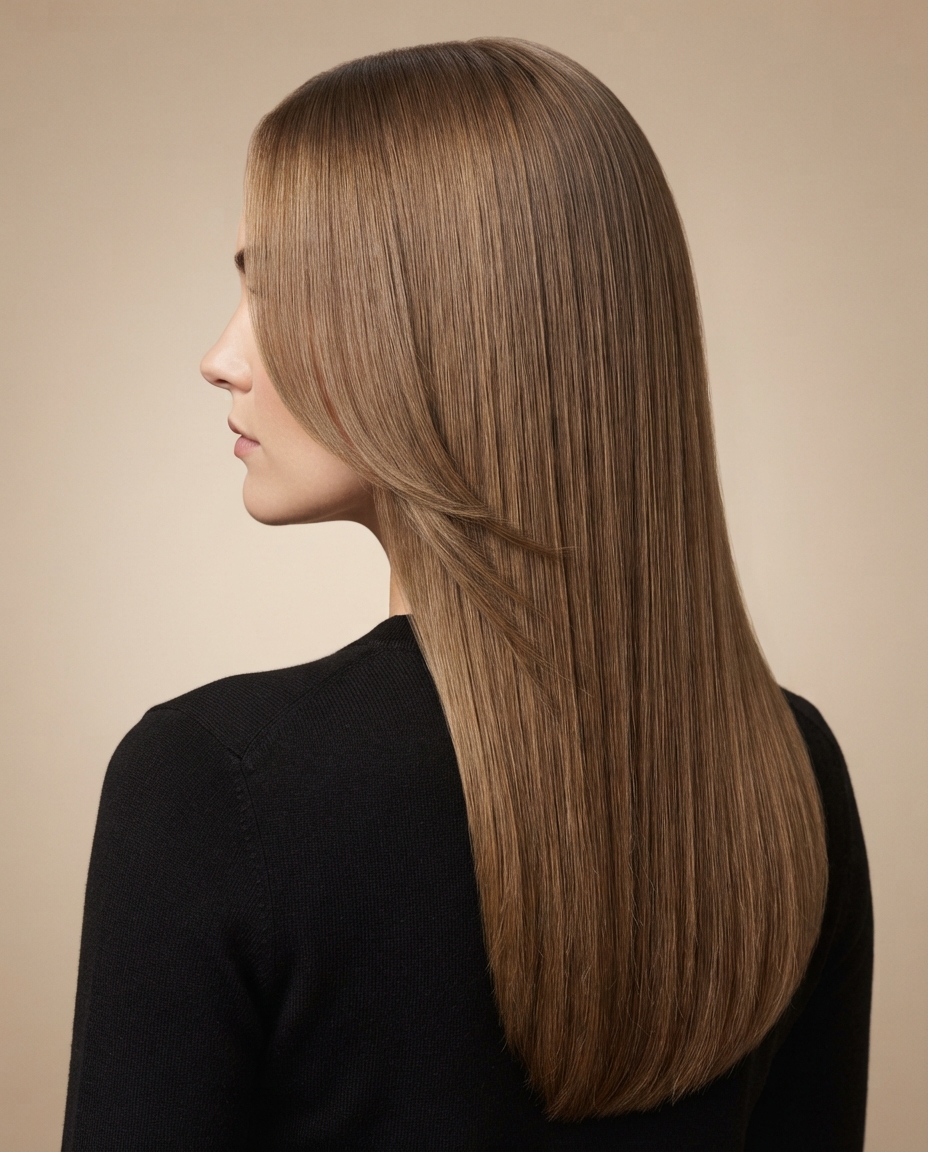
Paired with a precise center part, jaw-length front layers fall symmetrically on both sides, creating balanced framing that works particularly well for round or heart-shaped faces where symmetry helps offset width at the cheeks or forehead. This combination requires minimal daily styling, since the layers naturally fall into place along the part.
6. Jaw-Length Layers Blended into Longer Layers Throughout
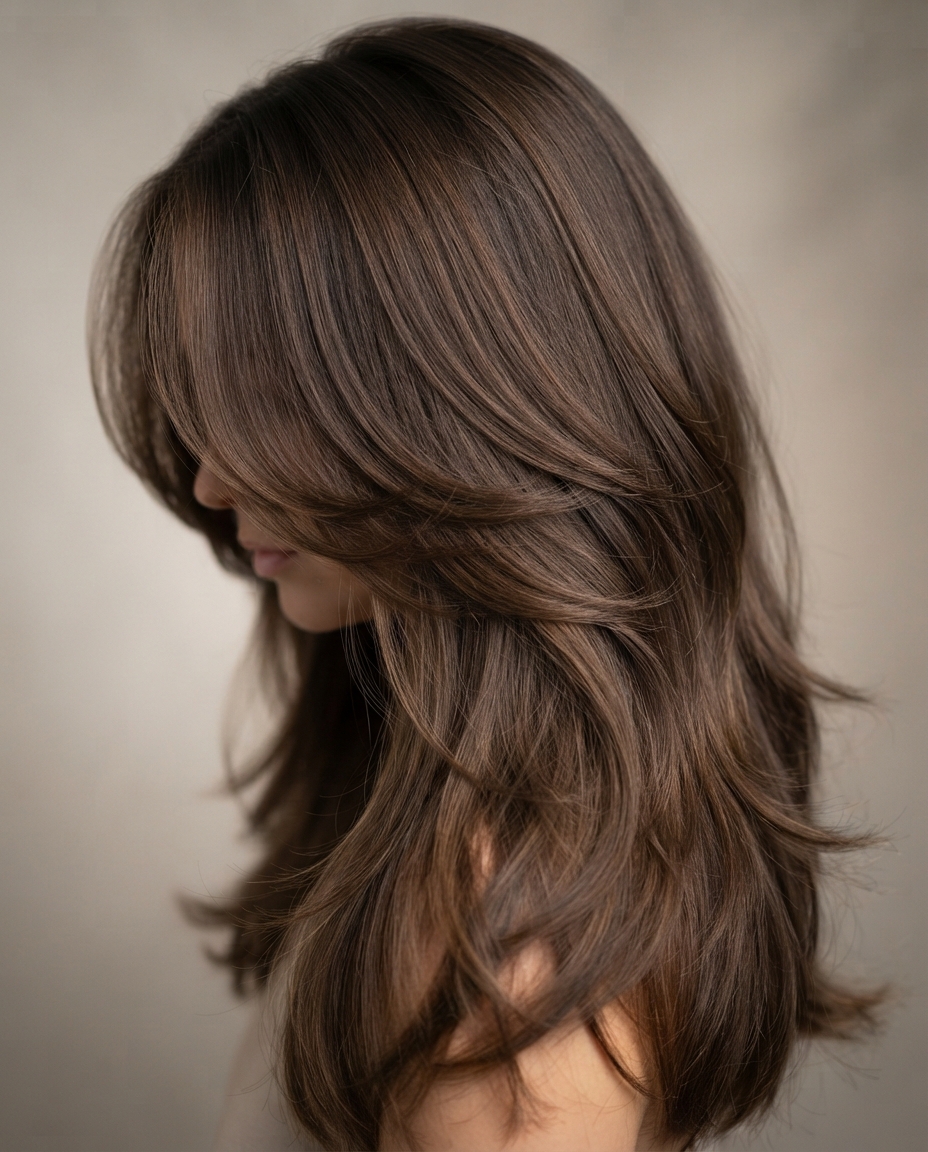
Rather than isolating the framing effect to just the front section, this style extends soft layering throughout the rest of the length as well, so the jaw-length pieces feel like part of a cohesive overall layered cut rather than a separate feature. It suits anyone who wants their whole haircut to feel layered and dimensional, not just the front, and it tends to move and photograph well from every angle rather than only from the front.
Curtain-Style Front Layers
Curtain layers are longer than traditional face-framing pieces, typically reaching chin-to-collarbone length, and are styled to sweep back and away from a center part.
7. Classic Curtain Layers
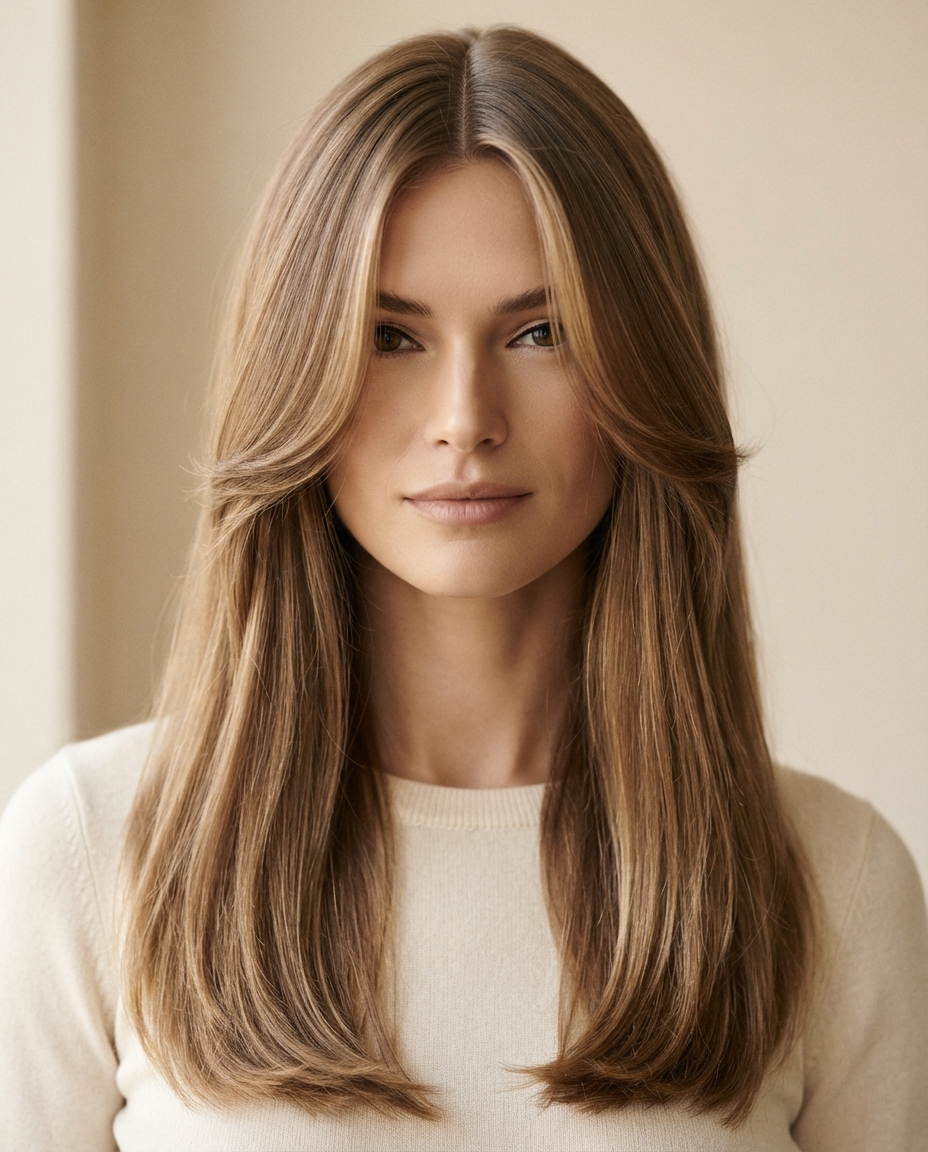
Front sections cut to roughly chin-to-collarbone length, parted in the center, and styled to sweep back and outward on both sides create a soft, parted frame around the whole face without requiring the shorter commitment of traditional face-framing pieces. This is one of the most versatile options on the list, since the length is forgiving enough to be worn tucked behind the ears, styled forward, or left to sweep naturally, and it suits nearly every face shape.
8. Curtain Layers with Waves
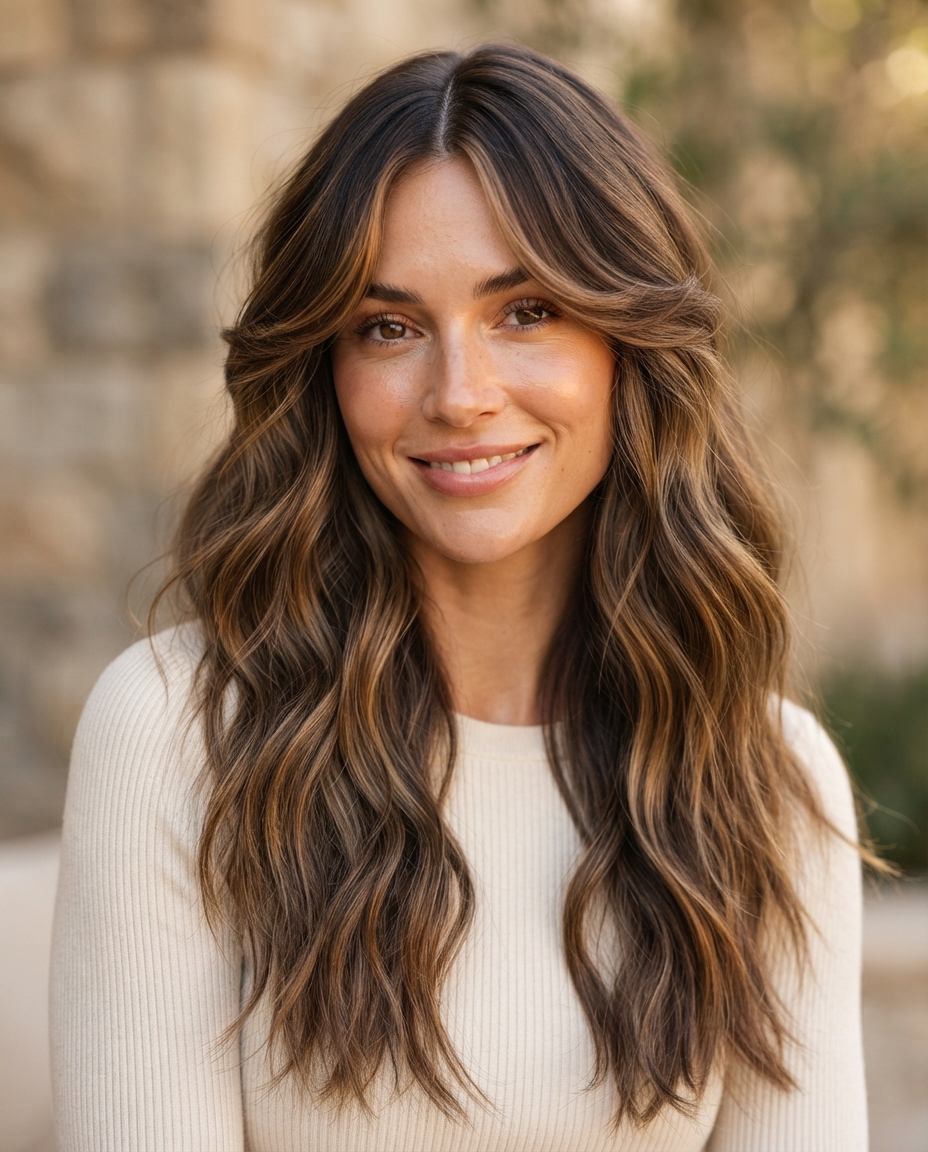
The same curtain-length front sections styled with loose waves rather than sleek and straight, giving the framing pieces movement and softness that pure straight styling doesn’t provide. This suits anyone who wants the curtain effect to feel a bit more relaxed and undone, and the wave pattern helps the curtain pieces hold their sweeping shape throughout the day better than straight hair, which can fall flat against the face.
9. Curtain Layers Tucked Behind the Ears
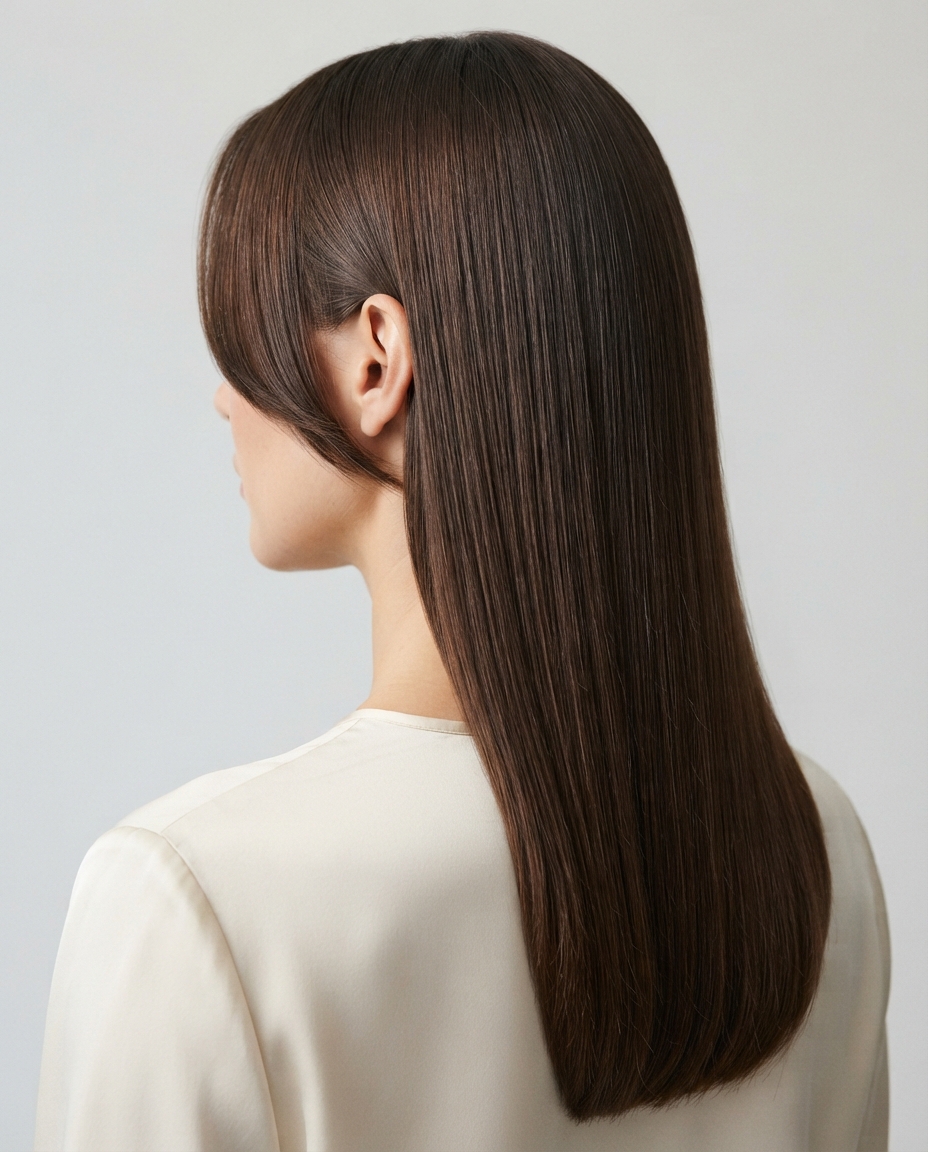
Styled to be tucked neatly behind the ears rather than left to sweep freely, this version of curtain layers offers a cleaner, more polished look while still providing the softening effect around the face when untucked. It’s a practical daily variation for anyone who wants the option to wear their curtain layers either way depending on the occasion, without needing a different haircut for each styling approach.
10. Curtain Layers with a Deep Side Part
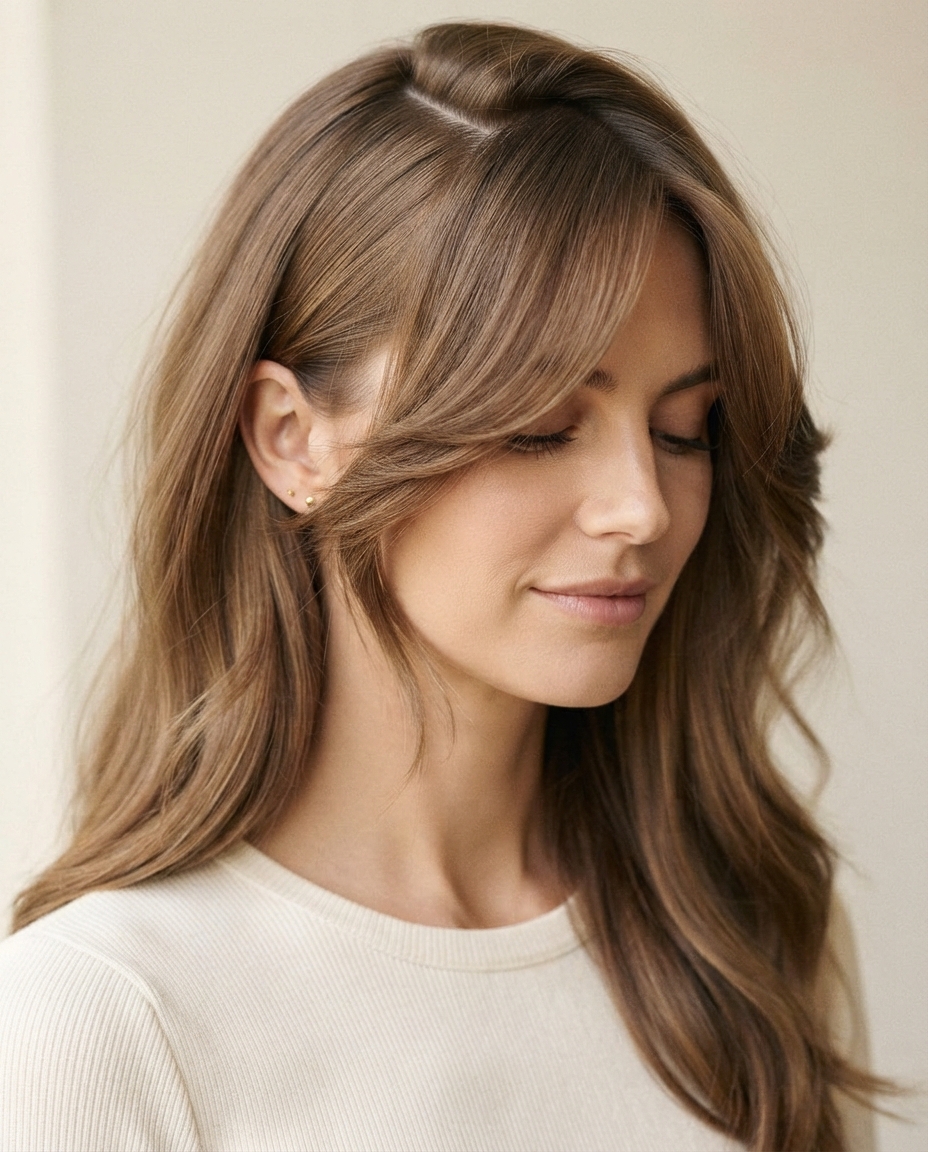
Rather than a center part, curtain-length layers styled with a deep side part create an asymmetrical frame where one side sweeps more dramatically across the forehead. This suits people who like the length and softness of curtain layers but prefer an off-center styling approach, and it works particularly well for adding the appearance of volume at the root on the deeper-parted side.
Longer, Subtle Front Layers
For anyone wary of losing too much length near the face, these options keep the front layers long enough that the change is felt more than clearly seen.
11. Shoulder-Length Front Layers on Long Hair
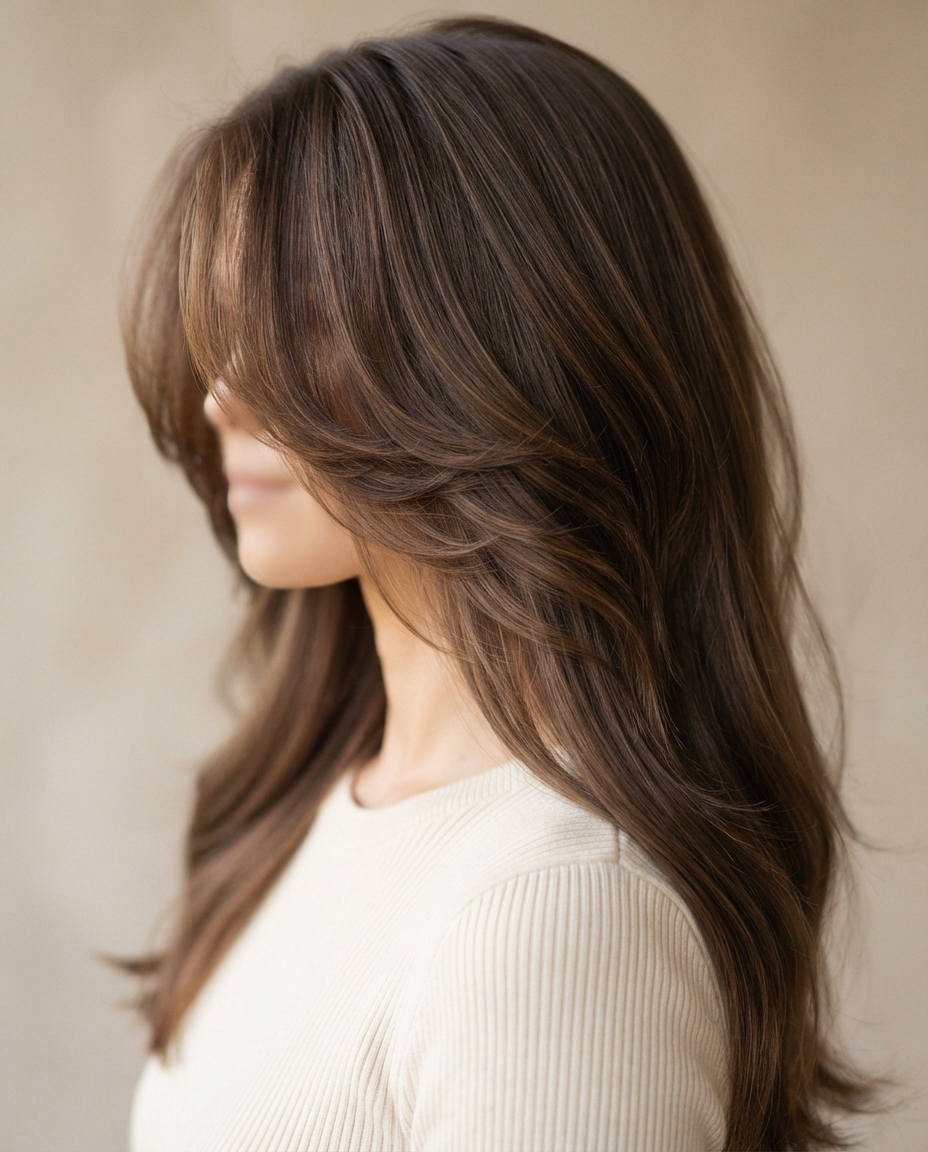
The shortest front layer starts at shoulder length rather than higher up, keeping significantly more length near the face while still introducing a meaningful difference that creates soft movement and framing lower down. This suits anyone nervous about committing to shorter face-framing pieces, since the change is subtle enough to feel low-risk while still adding visible dimension compared to a completely one-length front section.
12. Collarbone-Length Front Layers
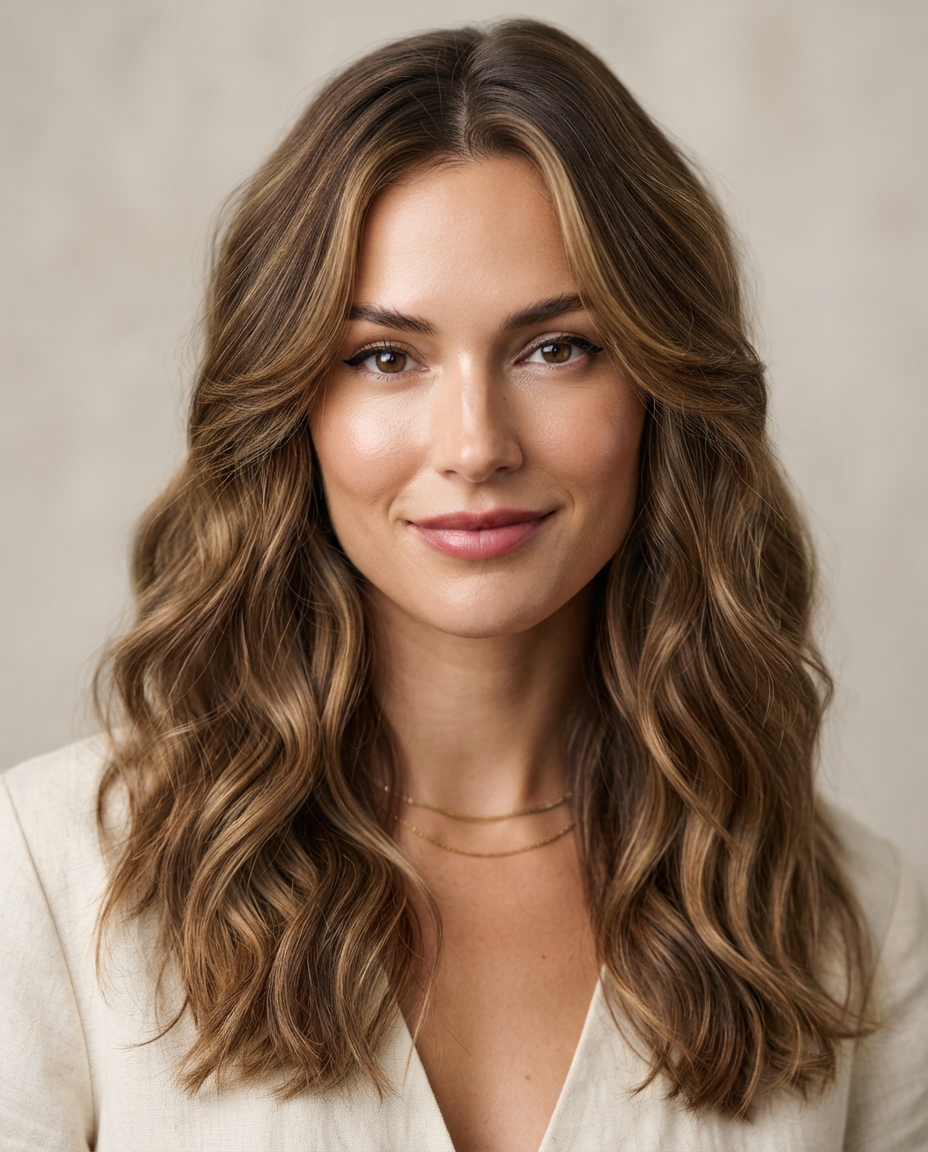
Slightly shorter than shoulder-length but still well below the chin, collarbone-length front layers strike a middle ground between a dramatic curtain effect and barely-there subtlety. This placement suits people who want their front layers to be noticeable without requiring the styling commitment that shorter face-framing pieces often need to look intentional.
13. Barely-There Front Layers
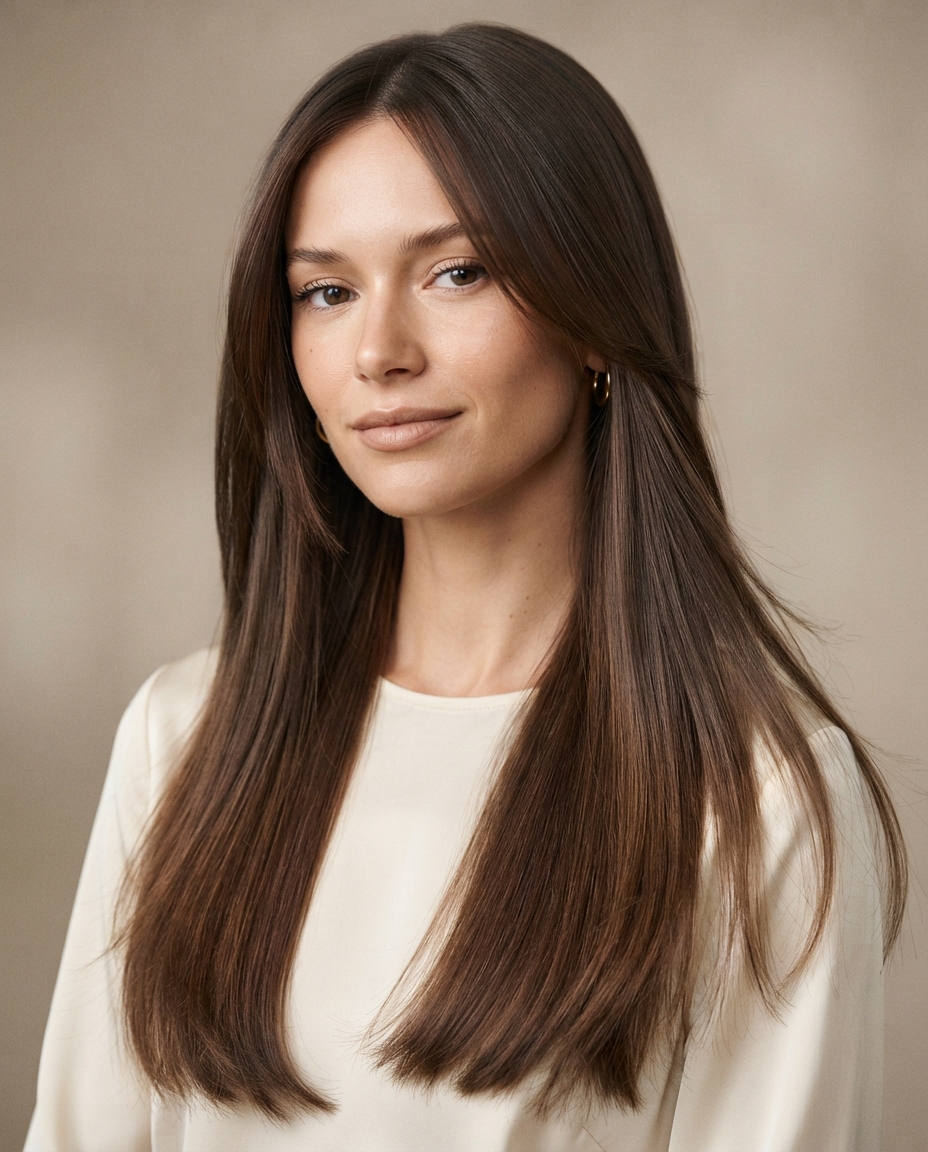
The subtlest option on this list, with only a few inches of length difference between the front pieces and the rest of the hair, this style softens the ends near the face without any dramatic shape change. It’s the lowest-commitment entry point into front layering and tends to grow out the most gracefully of any style here, since there’s minimal contrast to maintain.
Front Layers Paired with Bangs
Combining front layers with a fringe section changes how the framing interacts with the forehead as well as the cheeks and jaw.
14. Curtain Bangs with Front Layers
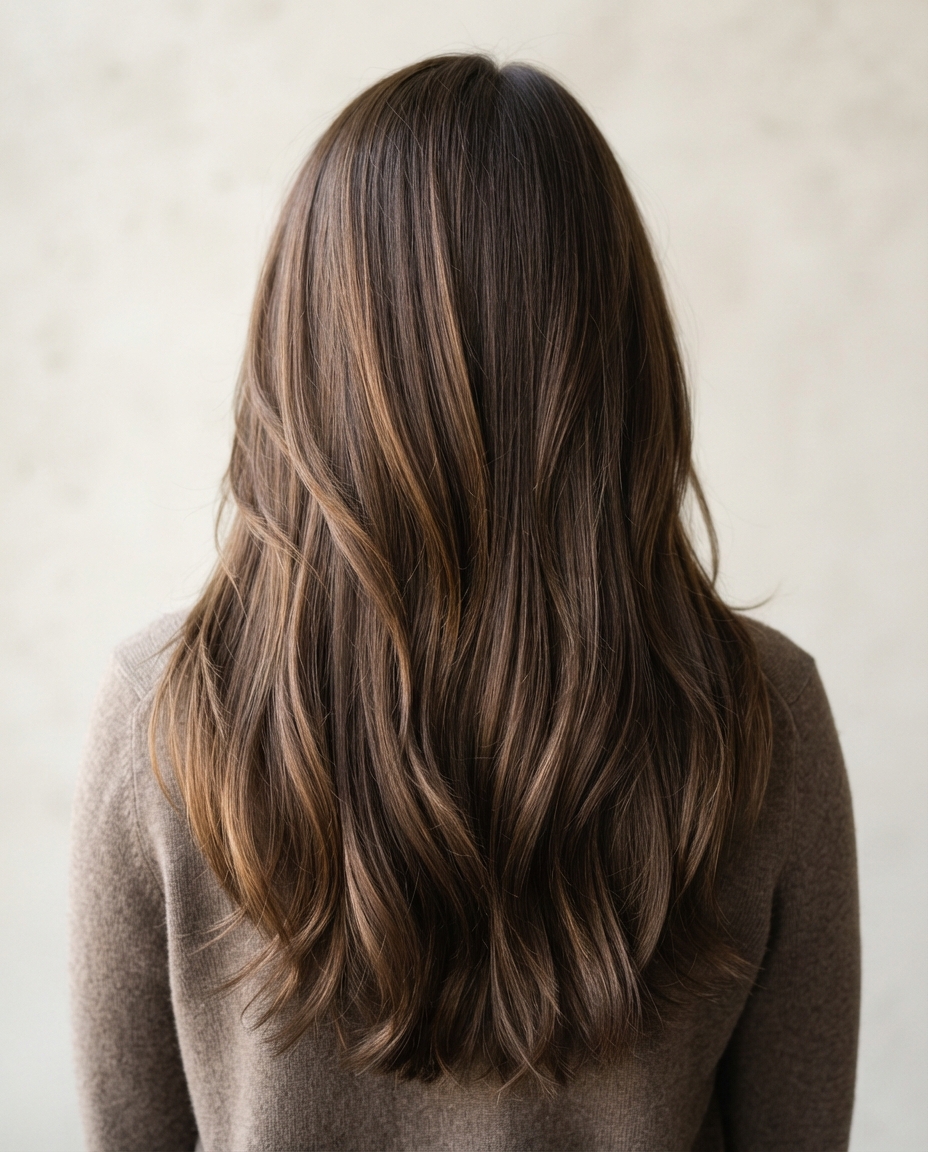
Curtain bangs — a center-parted, face-framing fringe — blended seamlessly into longer front layers so the whole front section reads as one continuous, softly layered shape rather than two separate elements. This is one of the most popular combinations in current long-hair styling, since it frames the face at both the forehead and the cheek level simultaneously, and it suits nearly every face shape due to the adjustable length and parting.
15. Wispy Fringe with Cheekbone Layers
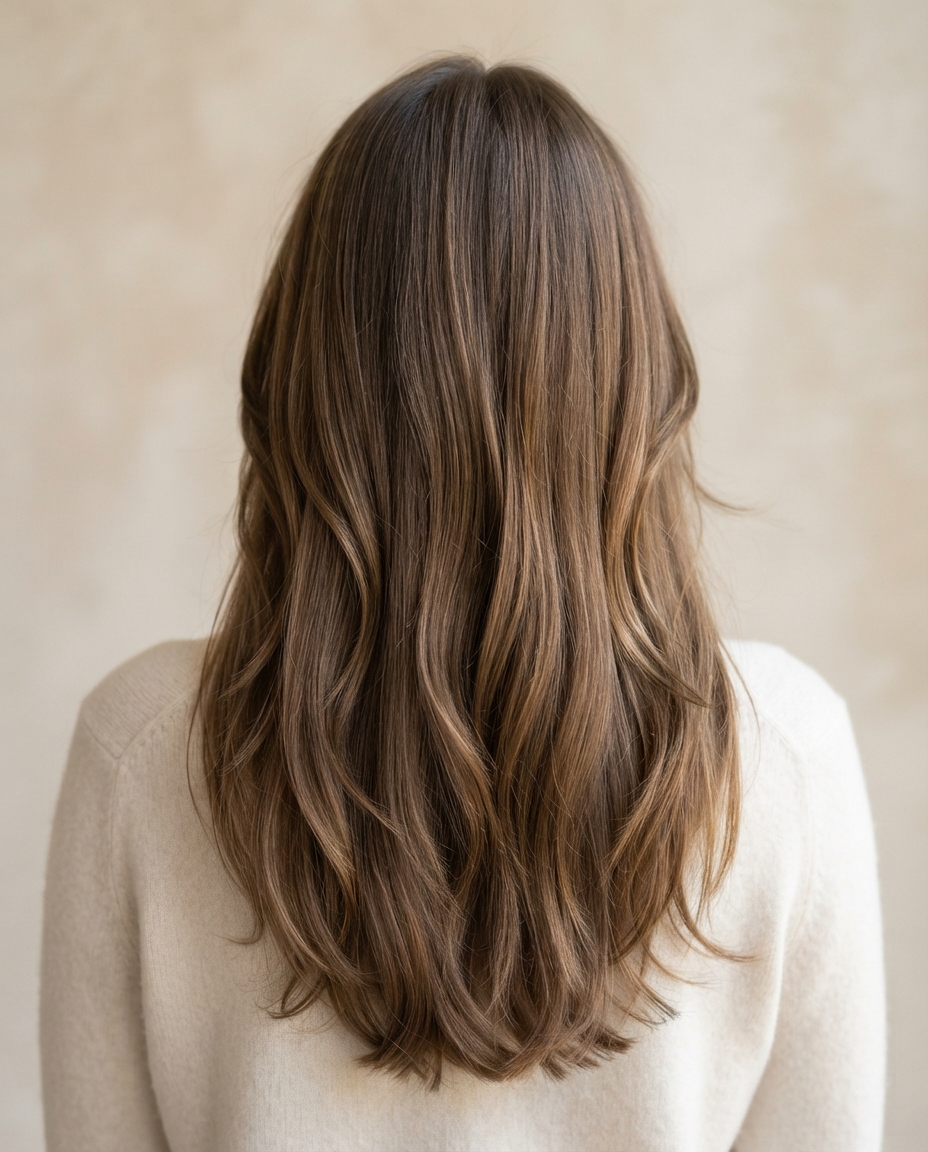
A soft, textured, wispy fringe cut shorter than curtain bangs, paired with cheekbone-length front layers on either side, creates a fuller framing effect across the whole upper face. This suits people wanting a more textured, undone look rather than the smooth sweep of curtain bangs, and the wispy fringe is generally more forgiving of natural texture and cowlicks than a heavier, blunt fringe would be.
Front Layers by Face Shape Consideration
While most front-layer styles can be adapted to any face shape through length and placement adjustments, a few considerations come up often enough to address directly.
16. Longer Front Layers for Round Faces
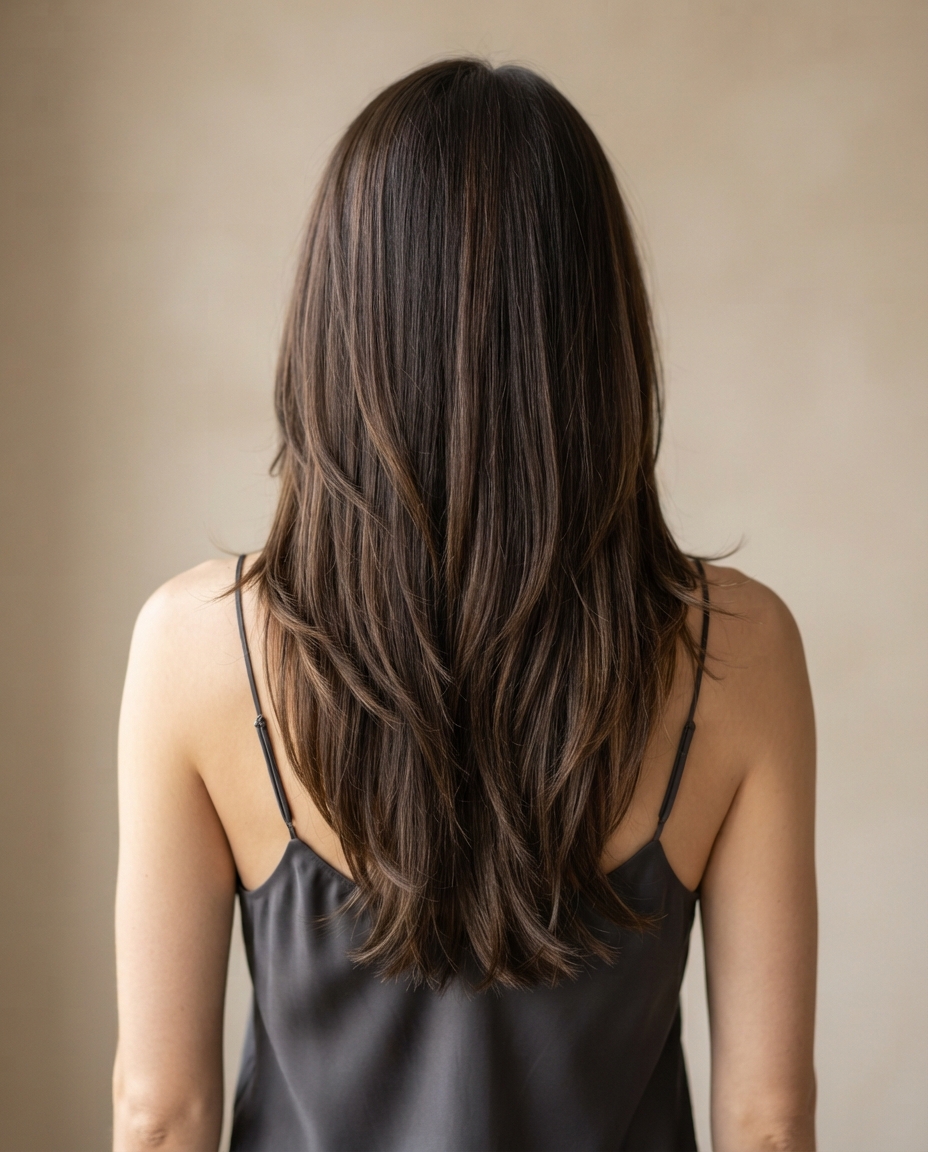
For round faces, front layers cut longer than chin length — closer to collarbone or shoulder length — tend to elongate rather than emphasize width, since shorter layers ending right at the cheekbone can sometimes widen the appearance of a round face rather than softening it. This suits anyone with a rounder face shape who still wants the framing effect of front layers without inadvertently emphasizing width.
17. Cheekbone Layers for Square Faces
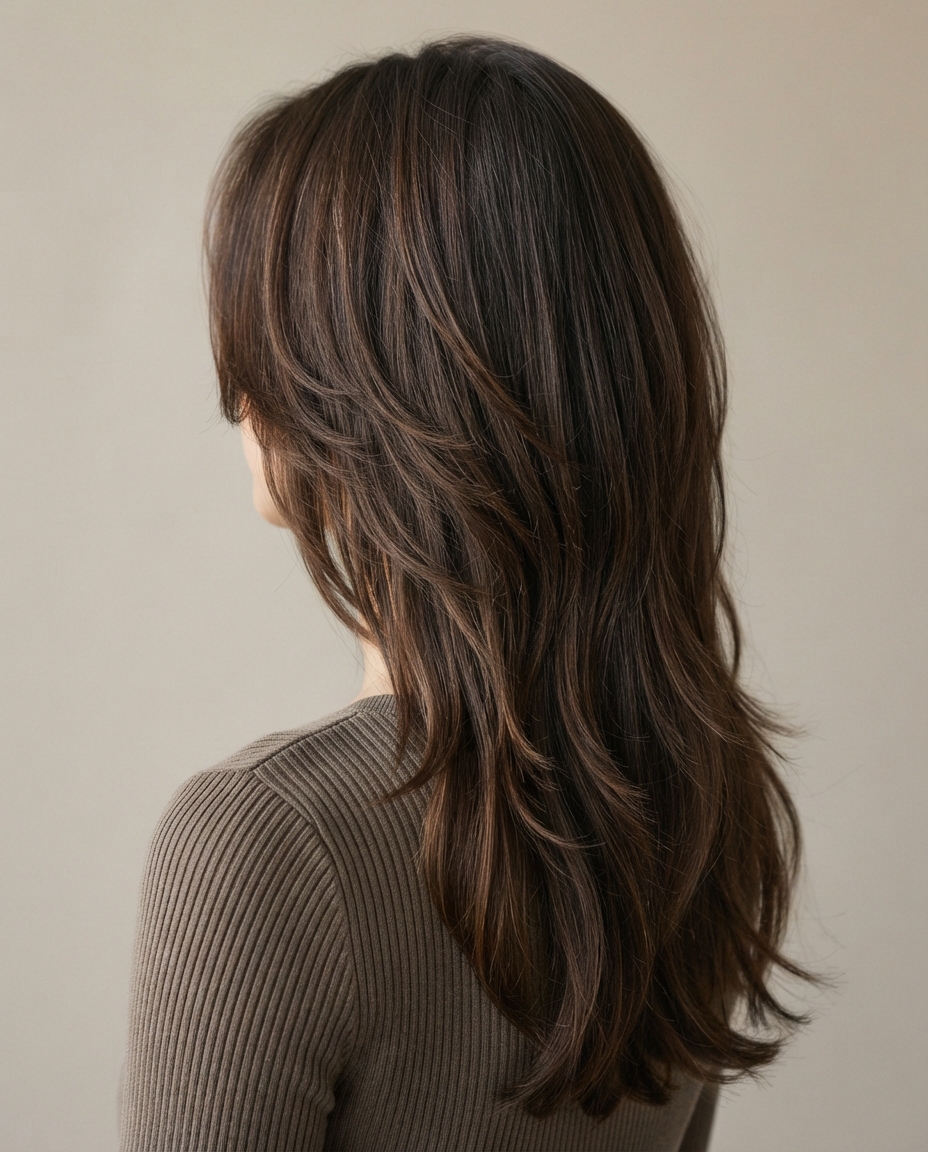
Front layers starting right at the cheekbone can soften the angularity of a square jawline by breaking up the straight line along the jaw with movement and shorter pieces, making this placement a particularly strong match for square face shapes specifically. This works because the shortest layer draws the eye toward the cheekbone rather than the jaw, redirecting focus away from the more angular lower face.
18. Jaw-Length Layers for Heart-Shaped Faces
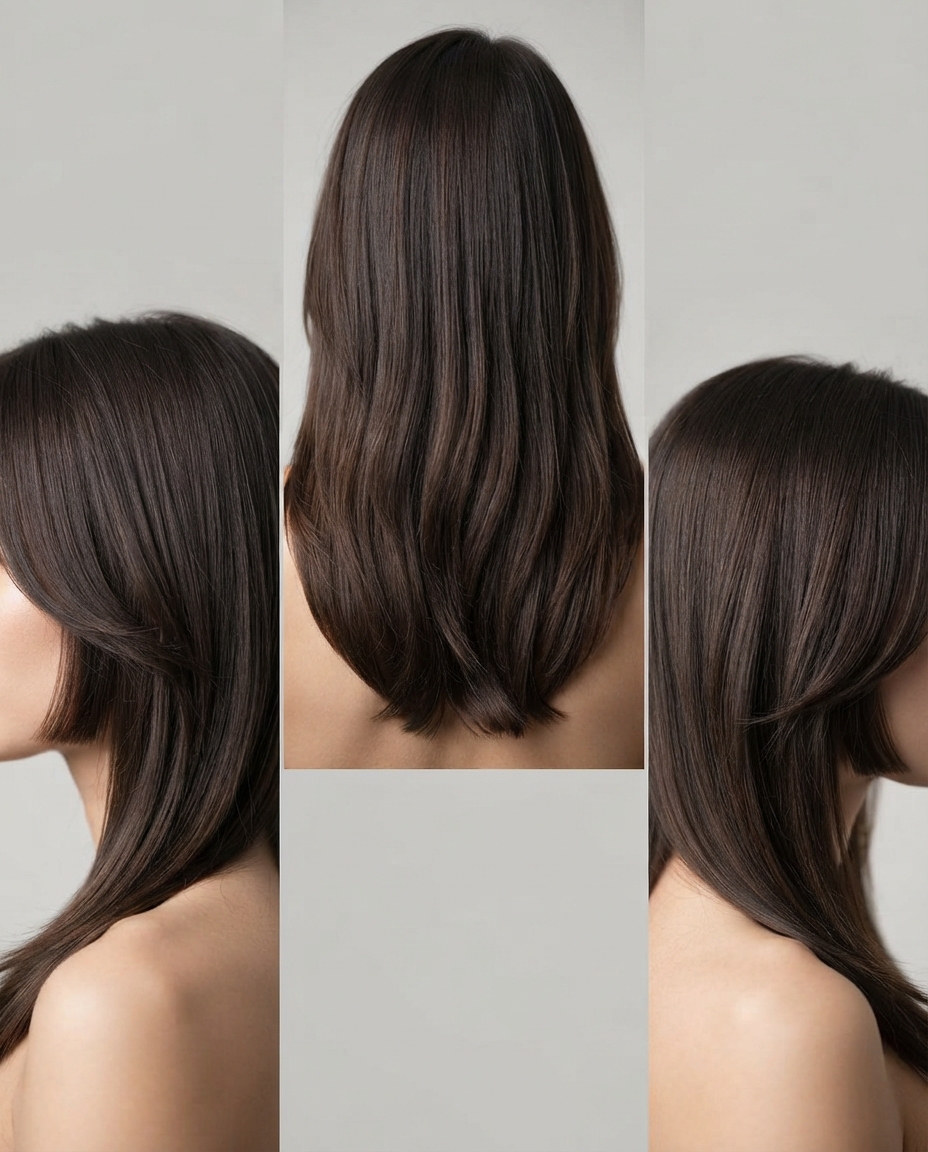
For heart-shaped faces — wider at the forehead, narrower at the chin — jaw-length front layers add width and visual weight near the jawline, helping balance the proportion between the upper and lower face. This suits anyone with a heart-shaped face wanting a softer, more balanced overall silhouette without changing their length dramatically elsewhere.
19. Curtain Layers for Oval Faces
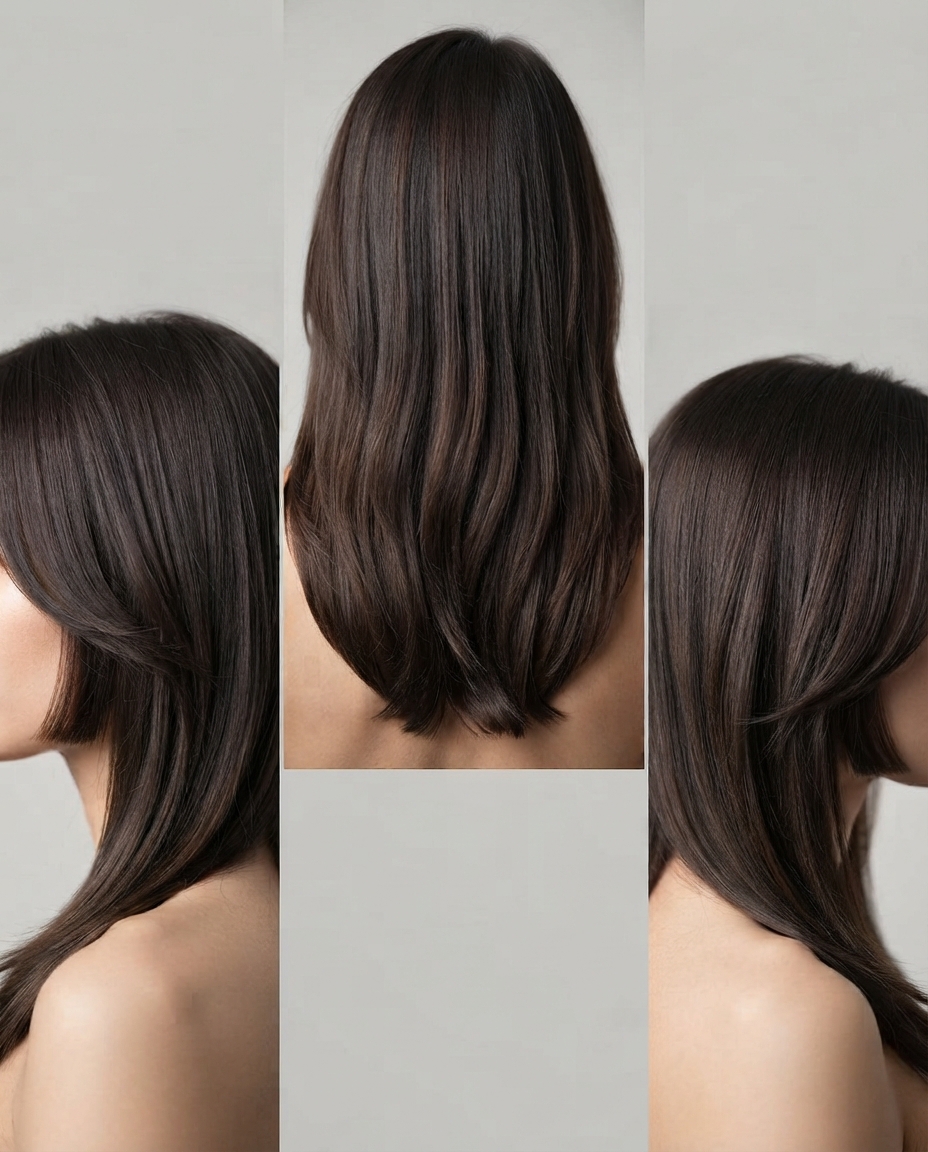
Oval faces are generally considered the most adaptable to nearly any front-layer length, and curtain-style layers in particular suit this face shape well since they add interest and dimension without needing to correct any specific proportion. This makes curtain layers a low-risk, versatile choice for anyone with an oval face shape who wants front layers but isn’t sure which specific length to commit to.
Choosing the Right Front Layer Length for You
If you’re nervous about committing to shorter front layers, start with the barely-there or shoulder-length options (#11, #13) — both can always be cut shorter at a future appointment, but hair that’s already short can’t be made longer until it grows out. If you know you want a dramatic framing effect and are comfortable with more frequent trims, cheekbone-length layers (#1–#3) deliver the most noticeable change. And if you’re unsure which length flatters your face shape specifically, curtain layers (#7–#10, #19) are the safest starting point on this entire list, since their longer length and adjustable styling make them genuinely forgiving across nearly every face shape.
What to Ask Your Stylist
Specify the exact starting point you want — “cheekbone,” “jaw,” or “collarbone” — rather than just saying “face-framing layers,” since stylists interpret that phrase differently depending on training and regional trends. Bring a reference photo showing the length and how it’s styled (swept back, tucked, or forward), and if you’re unsure how short is too short, ask your stylist to cut conservatively at your first appointment — front layers can always be shortened at a follow-up, but not lengthened until they grow out.