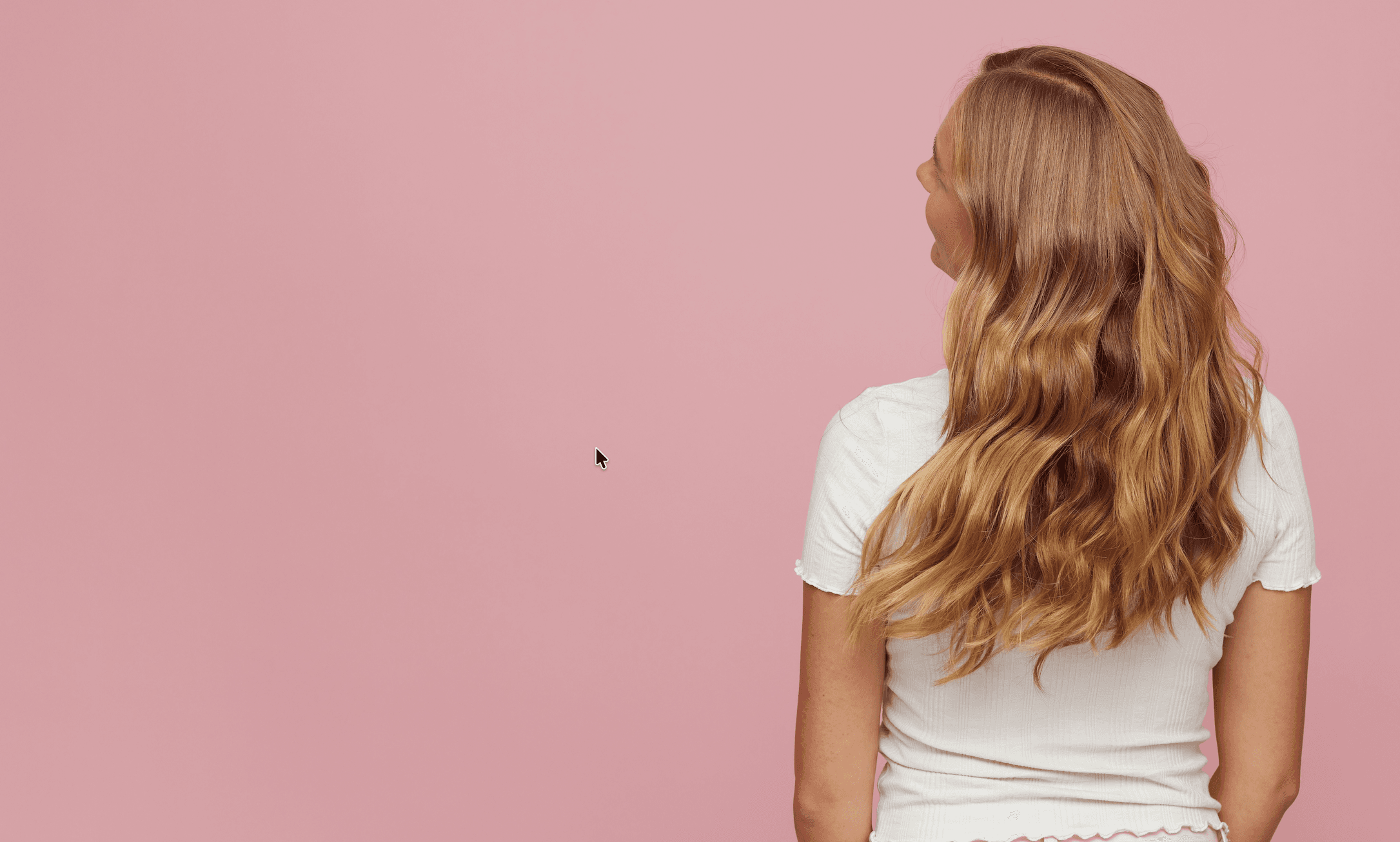
25 Trendy Hair Colors You’ll See Everywhere in 2026
Hair color trends for 2026 have shifted away from the high-contrast, high-maintenance looks that dominated recent years and toward something quieter: soft dimension, skin-tone-led shades, and color that grows out gracefully instead of demanding a salon visit every four weeks. This roundup gathers 25 of the shades and techniques actually shaping the year, organized by category so you can find your lane quickly — whether that’s a low-maintenance brunette upgrade, a warm blonde, a rich red, or a fully committed vivid. Each entry explains what the color actually looks like, who it tends to suit, and how much upkeep it realistically requires, so you can walk into your appointment with a specific, informed request.
Low-Maintenance Brunette Dimension
The biggest shift in 2026 color is toward brunette shades that add depth without demanding constant root touch-ups — dimension built to grow out well rather than fight against regrowth.
1. Soft Mocha Brunette
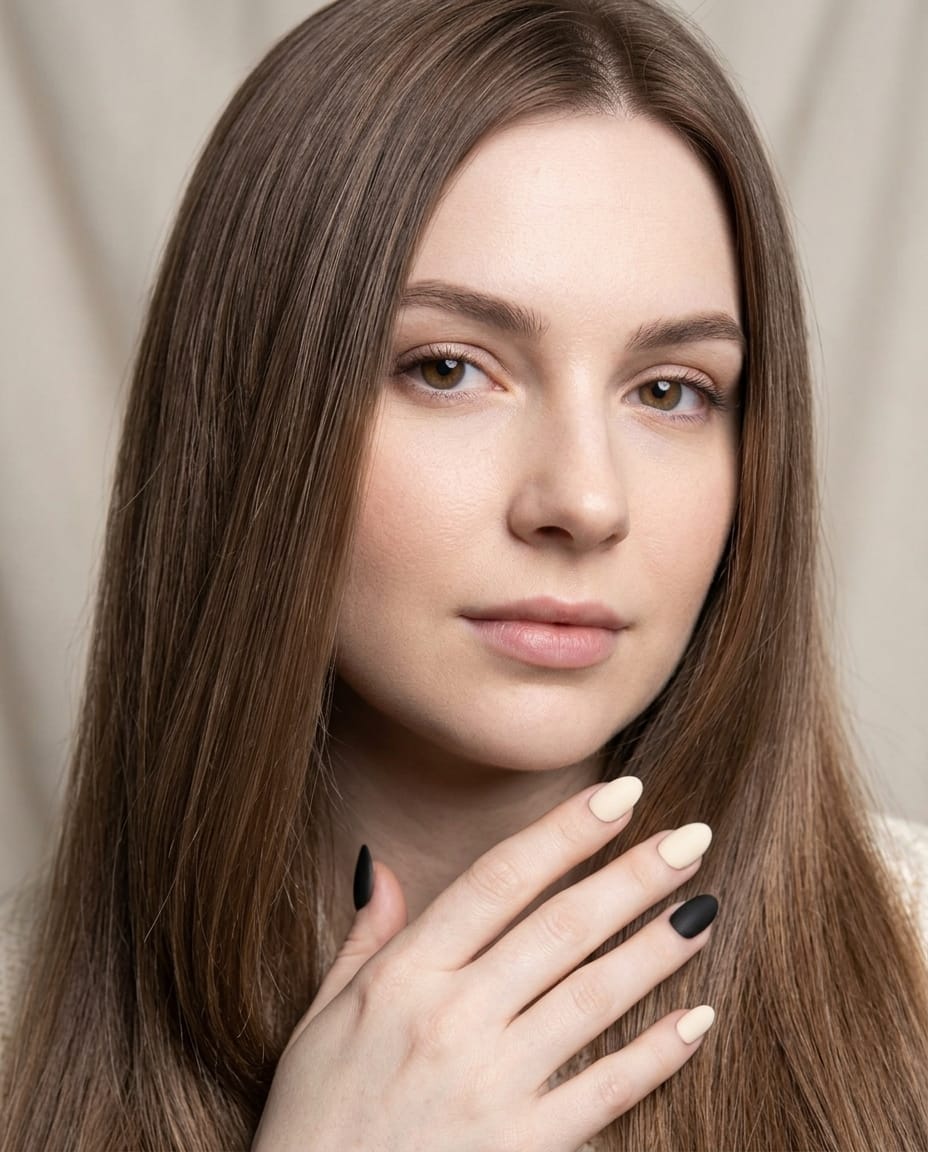
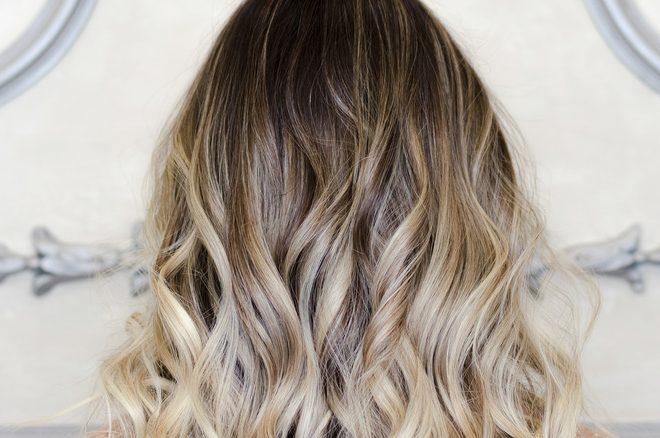
A warm, slightly muted brown with a subtle coffee-and-cocoa undertone, soft mocha sits between a flat, one-dimensional brown and a heavily highlighted style, using soft balayage placement to add gentle depth without visible stripes. It suits nearly any base brunette, since it works as a tonal shift rather than a lightening service, and it’s one of the lowest-maintenance color changes on this list because the placement is designed to blur into natural regrowth rather than create a hard line at the root.
2. Warm Chestnut Brown
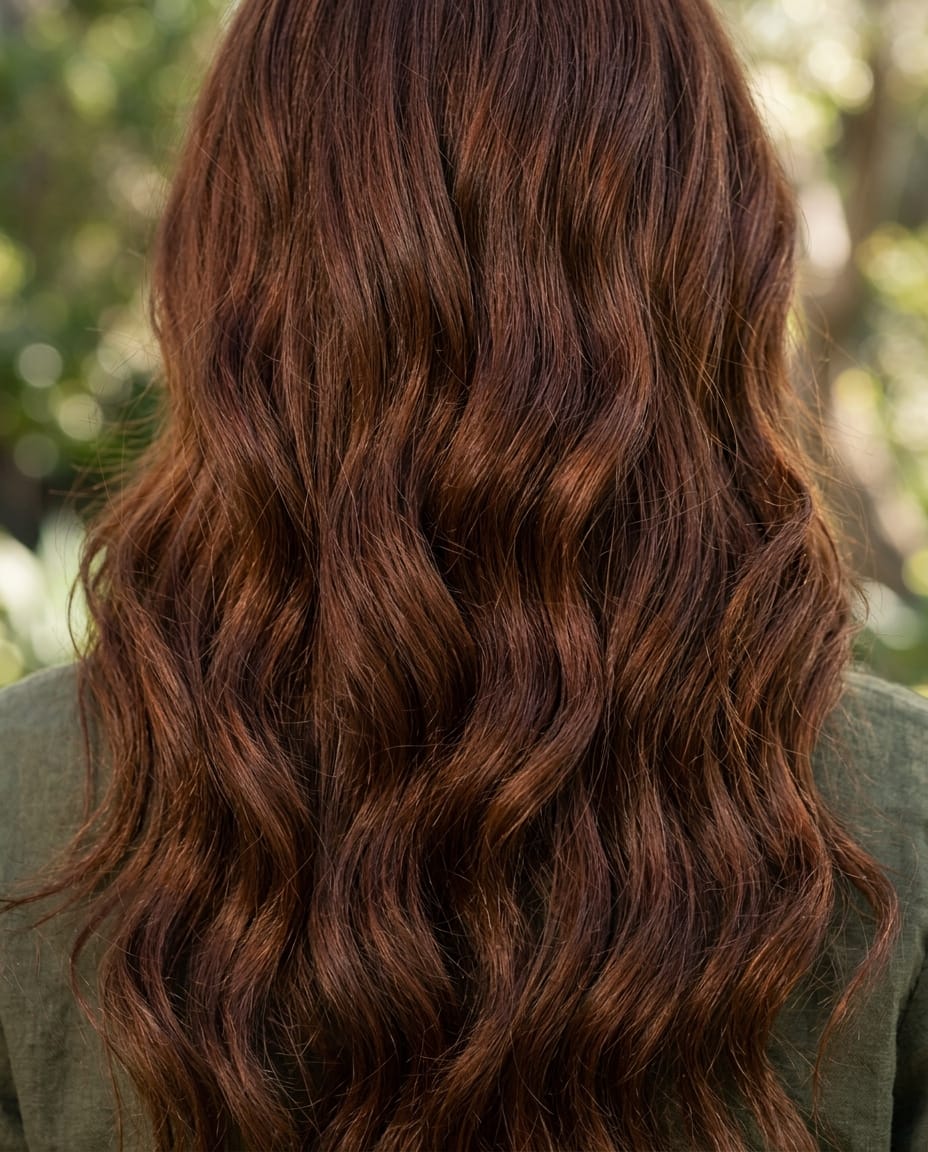
Slightly redder and richer than mocha, chestnut brown carries a warm reddish-brown undertone that photographs beautifully in both indoor and outdoor light, and it’s become one of the season’s most requested all-over or near-all-over brunette shades because it reads as rich without veering into a stark, flat black-brown. It suits medium-to-deep skin tones especially well and tends to require touch-ups only every 8–10 weeks since there’s minimal lightening involved.
3. Sun-Kissed Natural Brunette (Babylights)
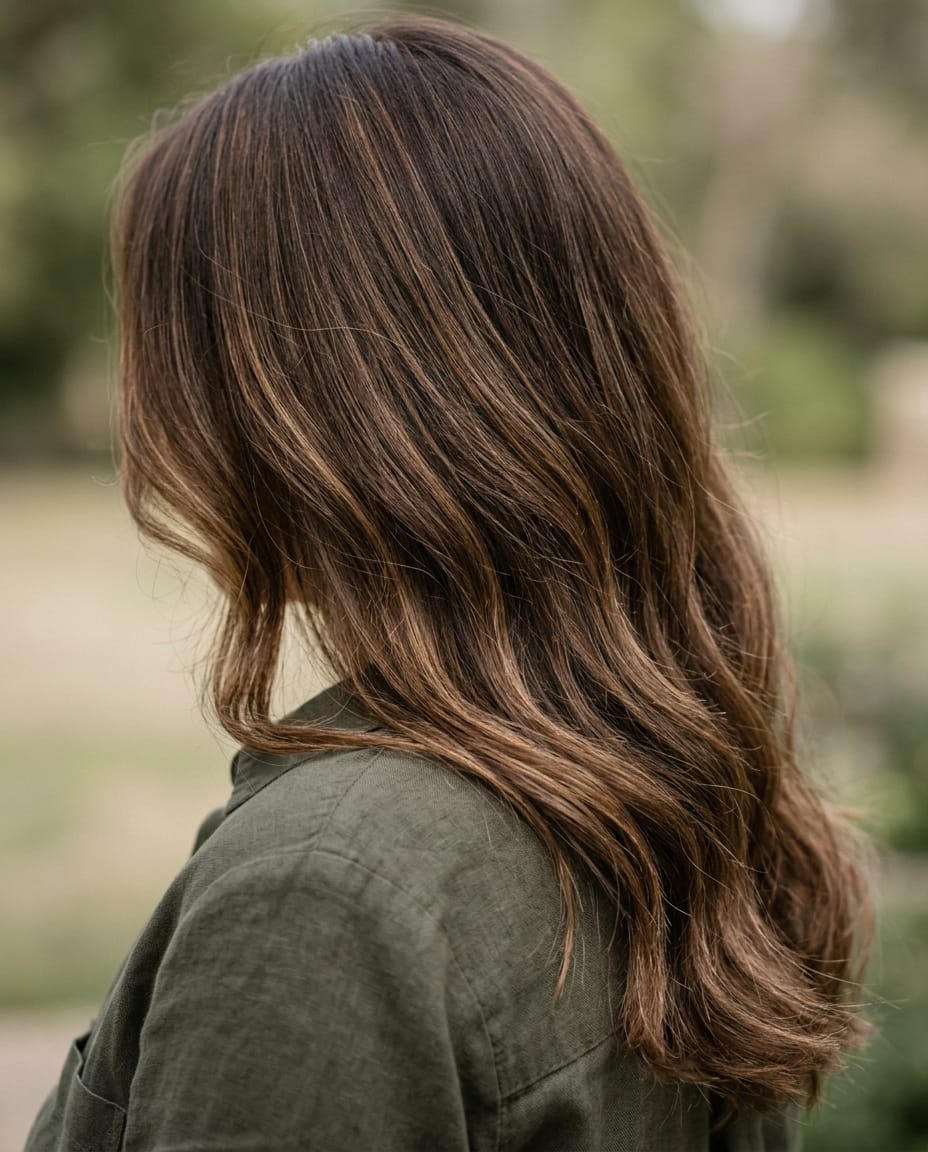
Extremely fine, subtle highlights placed throughout the hair — babylights — mimic the way hair naturally lightens from sun exposure, creating soft, barely-there dimension rather than distinct highlighted pieces. This technique has become a defining look of 2026 specifically because it’s the opposite of dramatic: the goal is for people to ask if you’ve been on vacation, not to notice you’ve had your hair colored. It suits brunettes who want brightness around the face without changing their overall depth, and because the highlights are fine and softly placed, regrowth is barely noticeable for months.
4. Root Smudge with Soft Ends
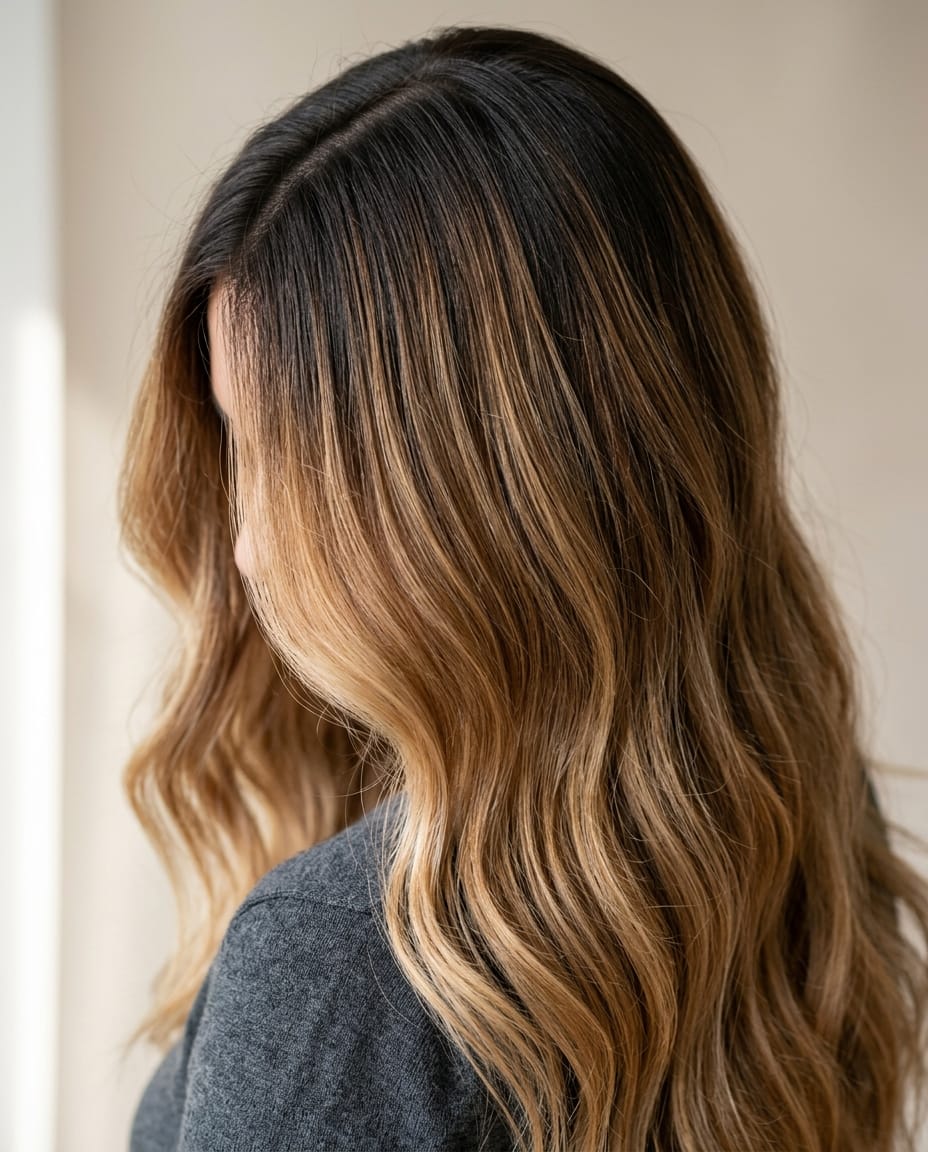
A deliberately soft, smudged transition between a deeper natural root and lighter mid-lengths and ends — rather than a crisp, defined line — is a technique built specifically to minimize how often color needs touching up, since the blurred transition means regrowth simply extends the soft gradient rather than creating a visible demarcation. It suits anyone who wants noticeably lighter ends without the commitment of frequent root maintenance, and it pairs well with almost any base brunette shade.
5. Money Piece for Brunettes
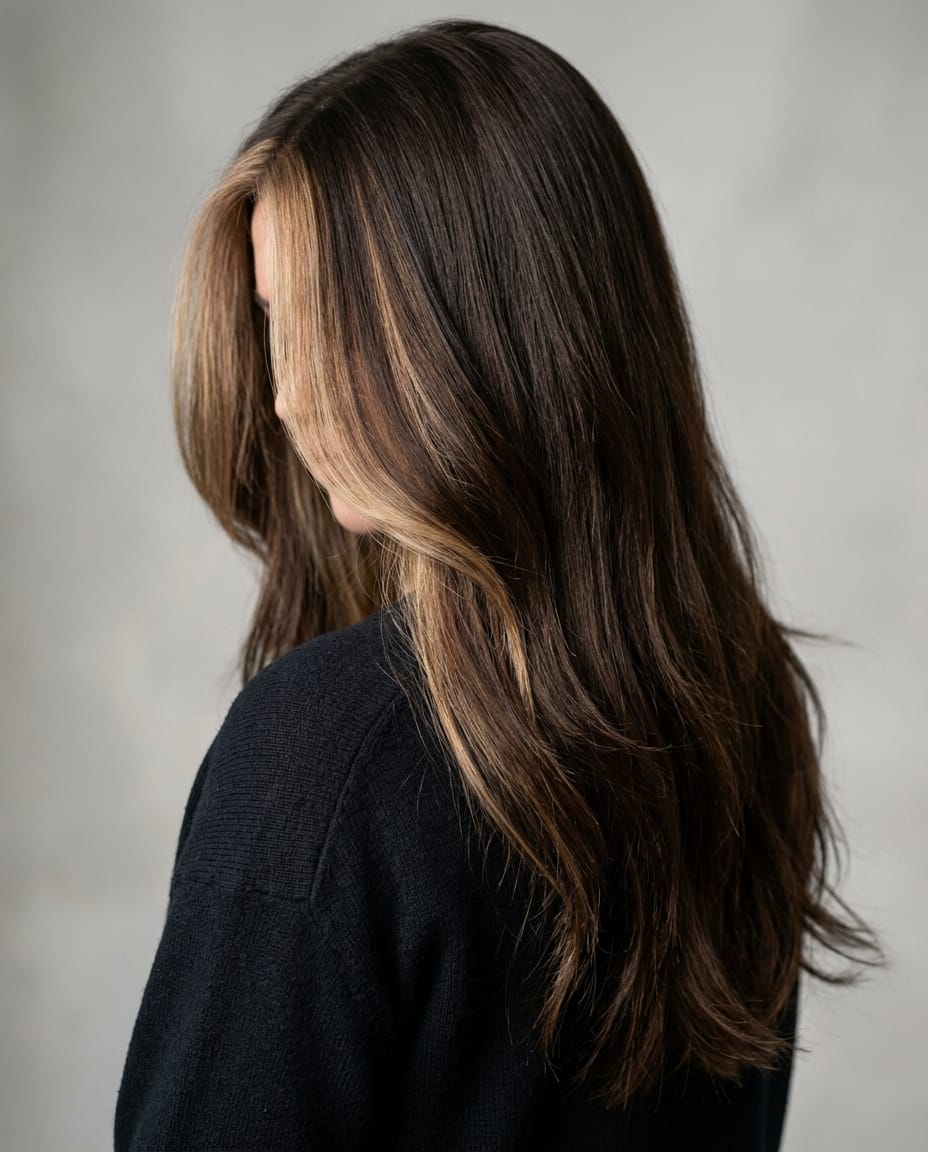
A concentrated section of lighter, brighter color framing the face — the “money piece” — against an otherwise deeper brunette base gives brightness exactly where it shows most, in photos and in person, without lightening the whole head. This remains one of the most requested partial-color techniques because it delivers a noticeable visual change with a fraction of the maintenance and cost of full highlights, and it suits nearly every brunette base shade.
6. Chocolate Cherry Brunette
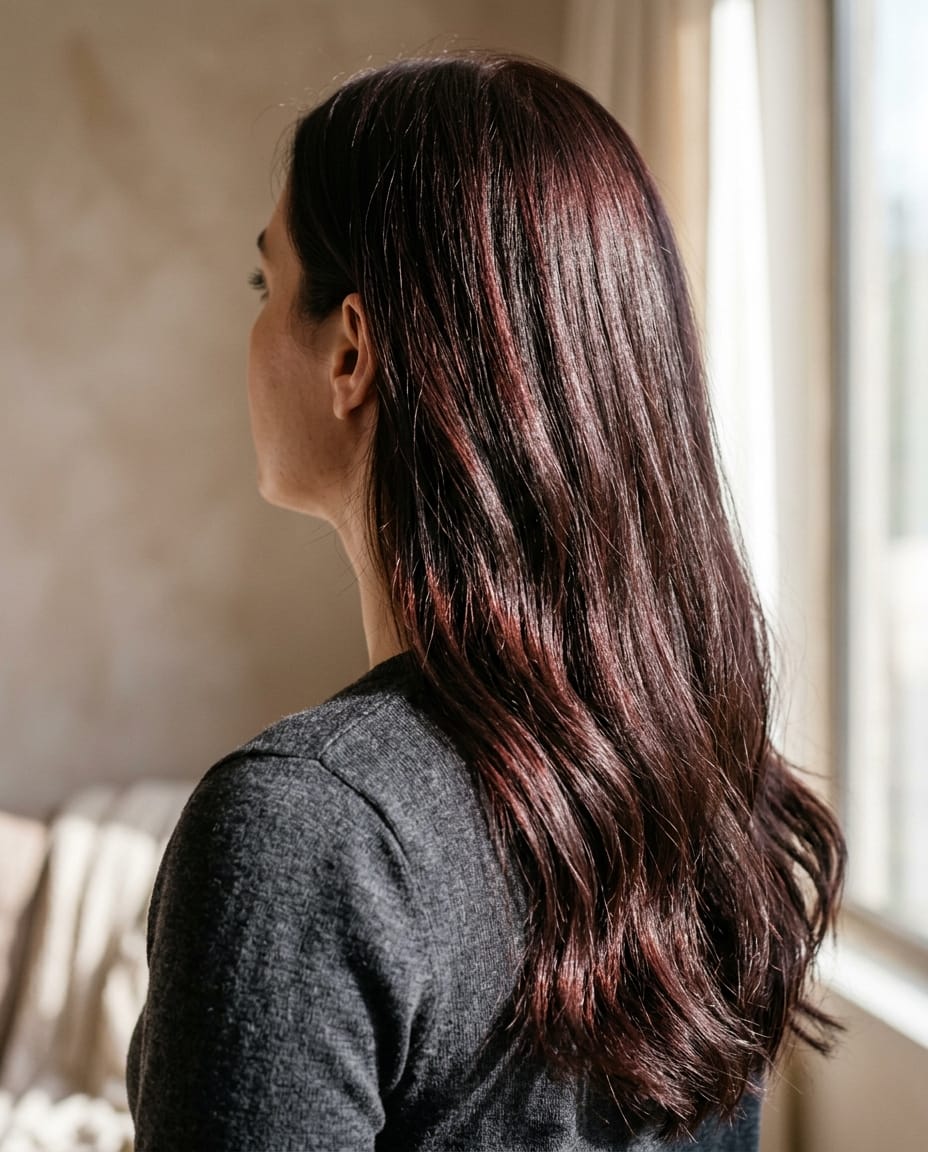
A deep brunette base with a subtle reddish-plum undercurrent that only reveals itself fully in direct or bright light, chocolate cherry reads as a rich, near-black brown indoors and shifts toward a deep red-brown outdoors, giving the color a dynamic, layered quality rather than a single flat tone. It suits deeper natural bases and requires only subtle upkeep since the color-shifting effect comes from tone rather than lightening.
Warm Blondes
Blonde in 2026 has moved away from icy, high-maintenance platinum and toward warmer, richer tones that grow out more forgivingly.
7. Buttery Blonde
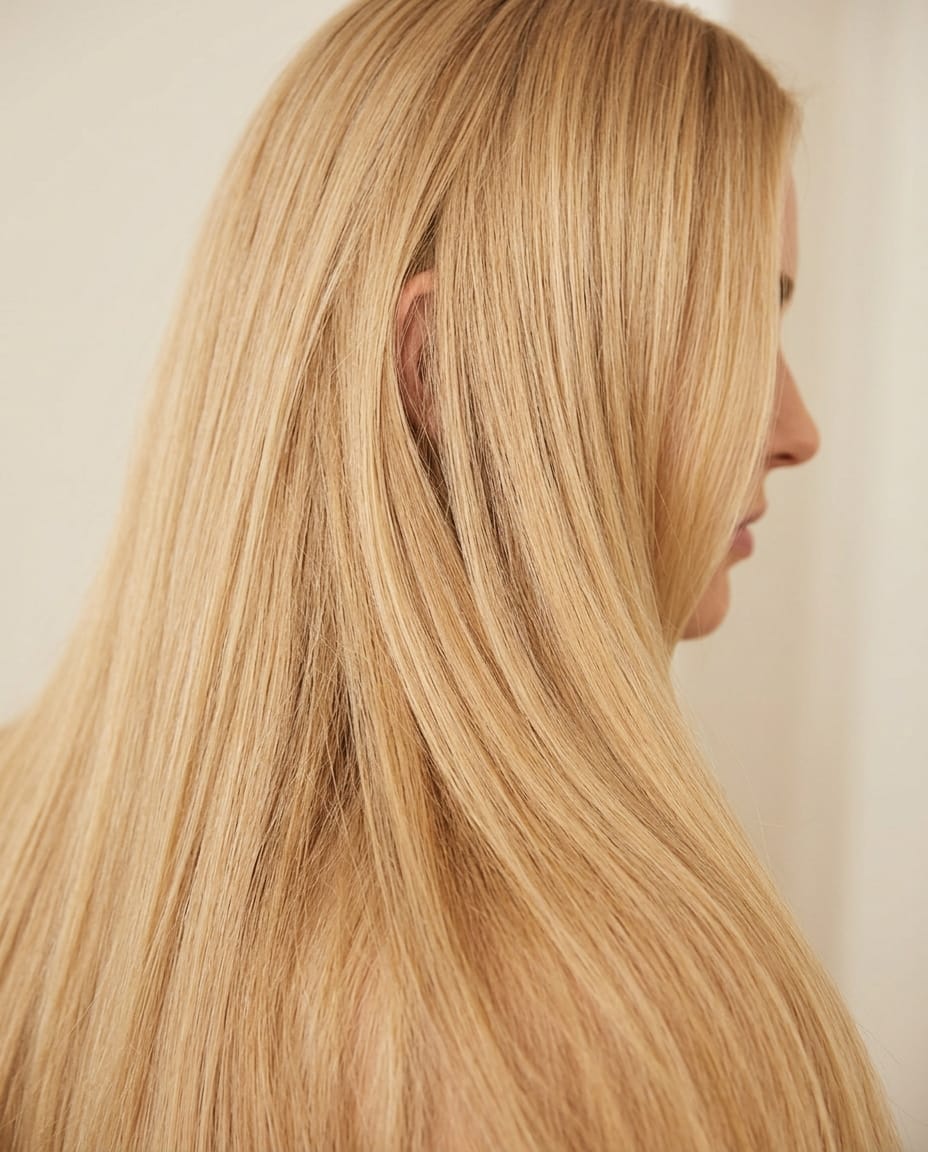
A warm, creamy yellow-gold blonde without the ashy or icy undertones of previous blonde trends, buttery blonde has become one of the season’s defining shades because it reads as soft and luminous rather than stark. It suits warmer skin undertones especially well and, when placed with a soft, blended technique rather than heavy foils, tends to require less frequent toning than cooler blonde shades, since warm tones don’t fade toward brassy in the same visually jarring way icy blondes can.
8. Honey Blonde
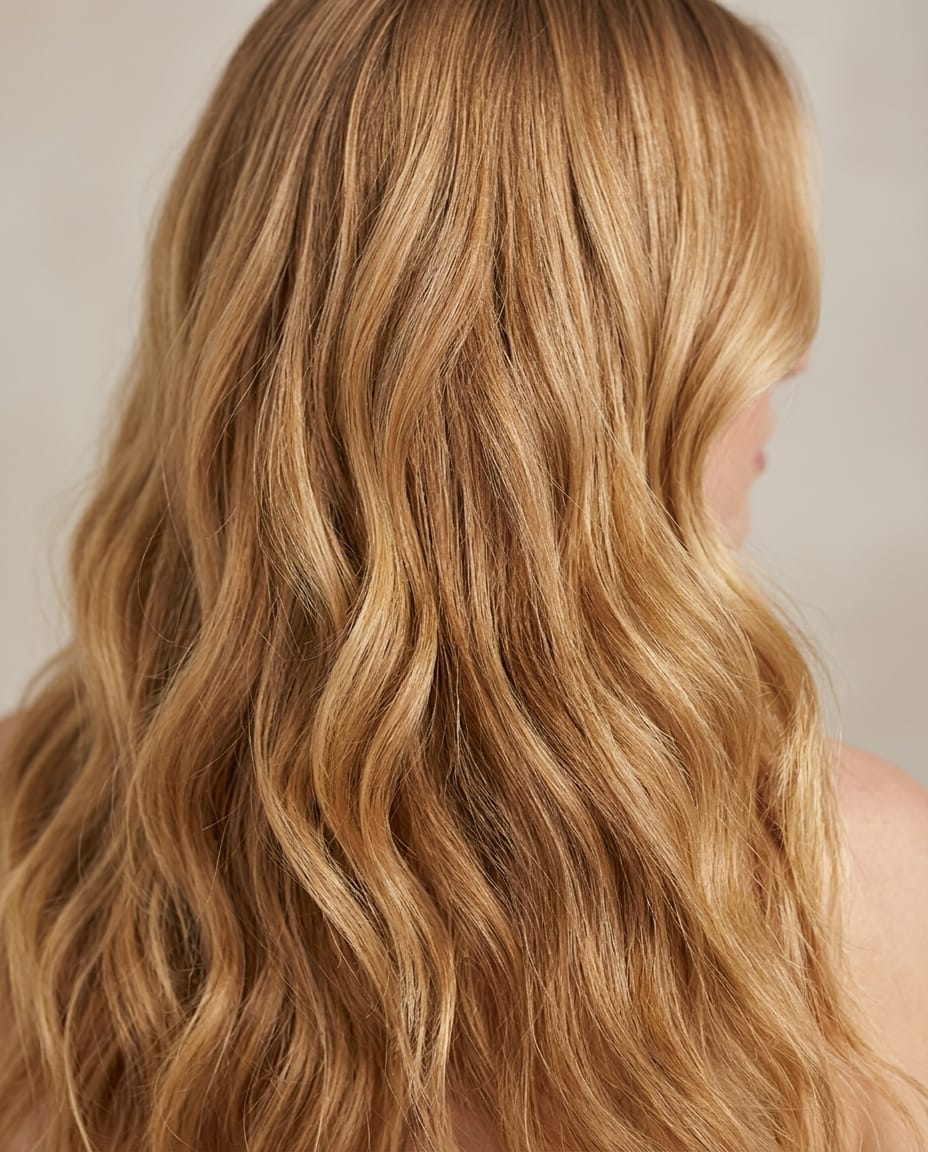
Slightly deeper and more golden than buttery blonde, honey blonde carries visible warmth without being as light overall, making it a strong transitional shade for brunettes easing into blonde territory rather than committing to a dramatic lift. It suits medium skin tones particularly well and holds its richness through a full growing-out period better than paler blonde shades.
9. Bronde (Brown-Blonde Blend)
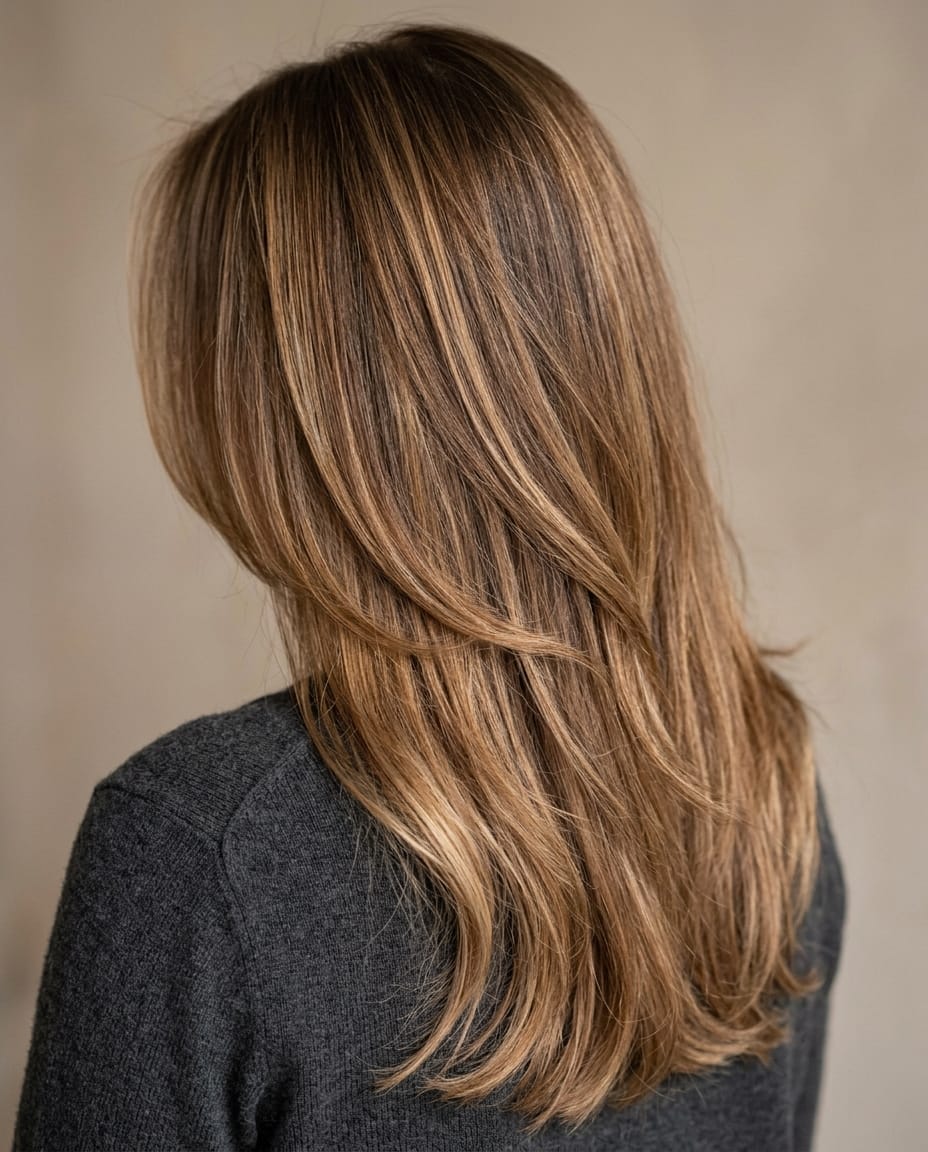
A deliberate blend that sits exactly between brown and blonde, bronde uses soft, blended lowlights and highlights throughout so the overall effect reads as a completely custom, in-between shade rather than a definitive brunette or blonde. It suits people who find a single-process color too flat and want visible movement and depth without the higher-maintenance demands of a full blonde.
10. Champagne Blonde
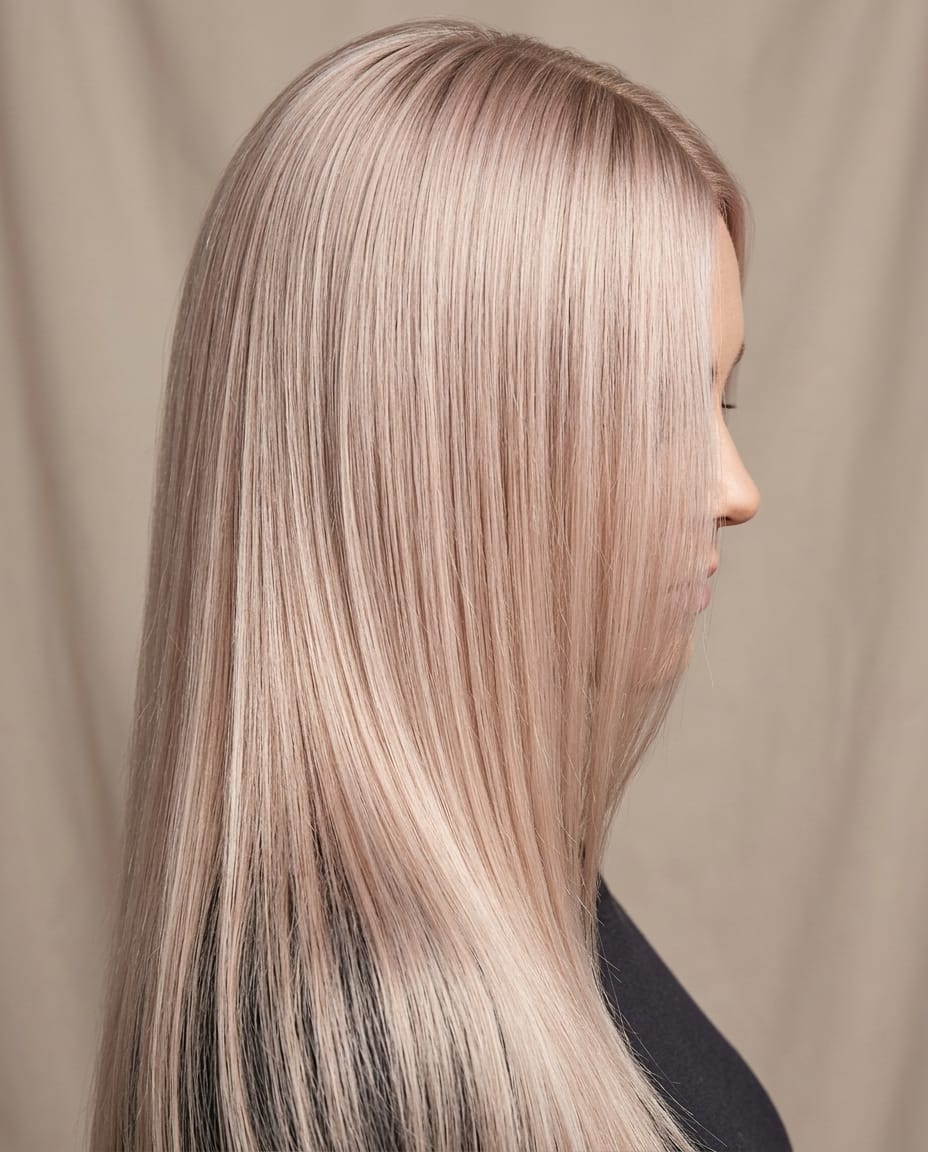
A pale, slightly cool-neutral blonde with subtle pink-beige undertones, champagne blonde offers a softer alternative to stark platinum while still reading as a genuinely light, bright shade. It suits fair-to-medium skin tones with cooler or neutral undertones, and because the tone is more nuanced than a single flat blonde, subtle regrowth is somewhat less visually jarring than with warmer, more saturated blondes.
11. Golden Balayage on Natural Brown
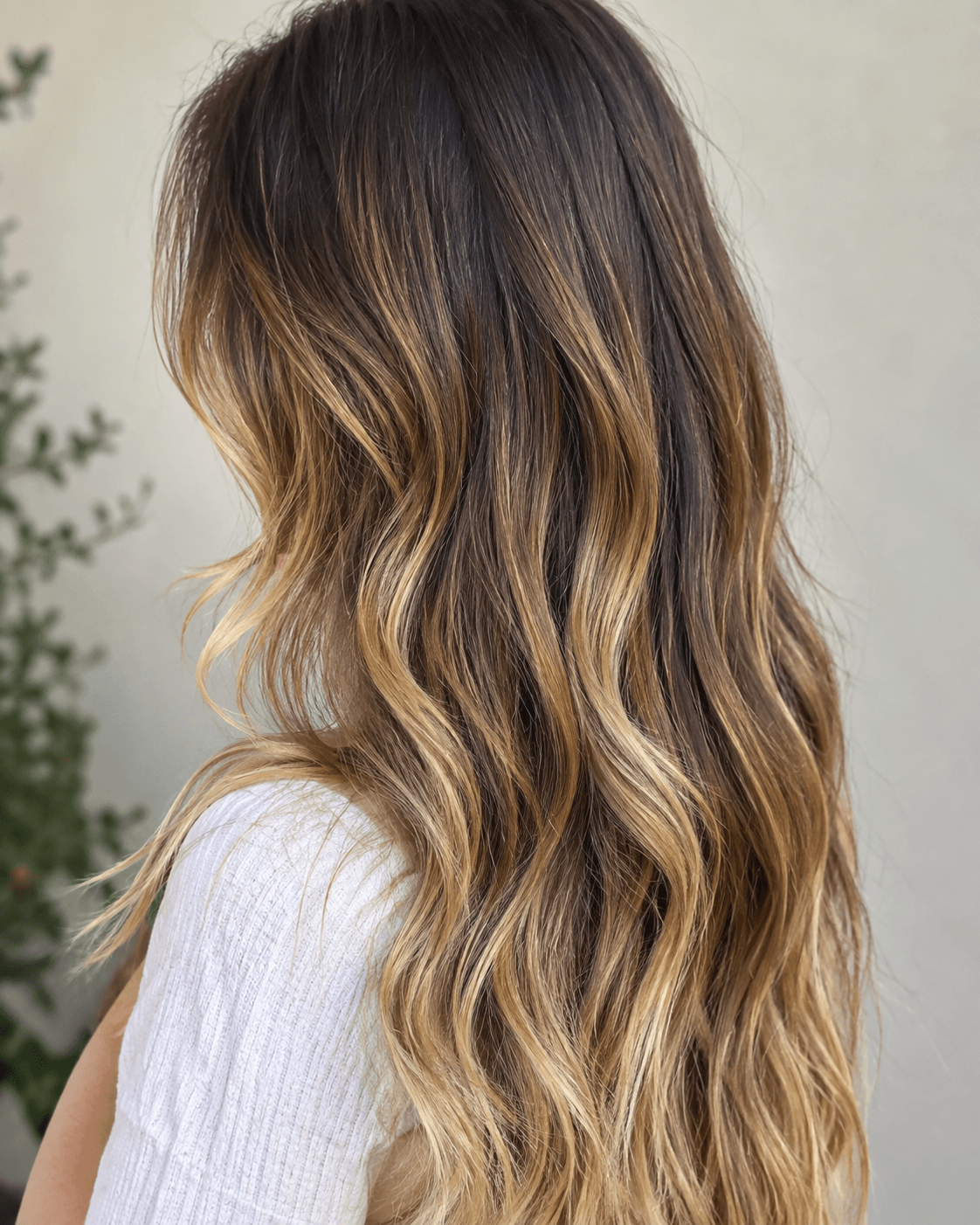
A hand-painted, sun-swept application of golden blonde pieces over a natural brown base, concentrated through the mid-lengths and ends rather than starting at the root, is one of the most durable and low-maintenance blonde techniques available, since the soft, painted placement grows out with almost no visible line. It suits anyone who wants meaningful brightness without committing to an all-over blonde process.
Rich Reds and Coppers
Red has moved toward richer, more dimensional territory in 2026, including shades that shift depending on the light.
12. Color-Shifting Auburn
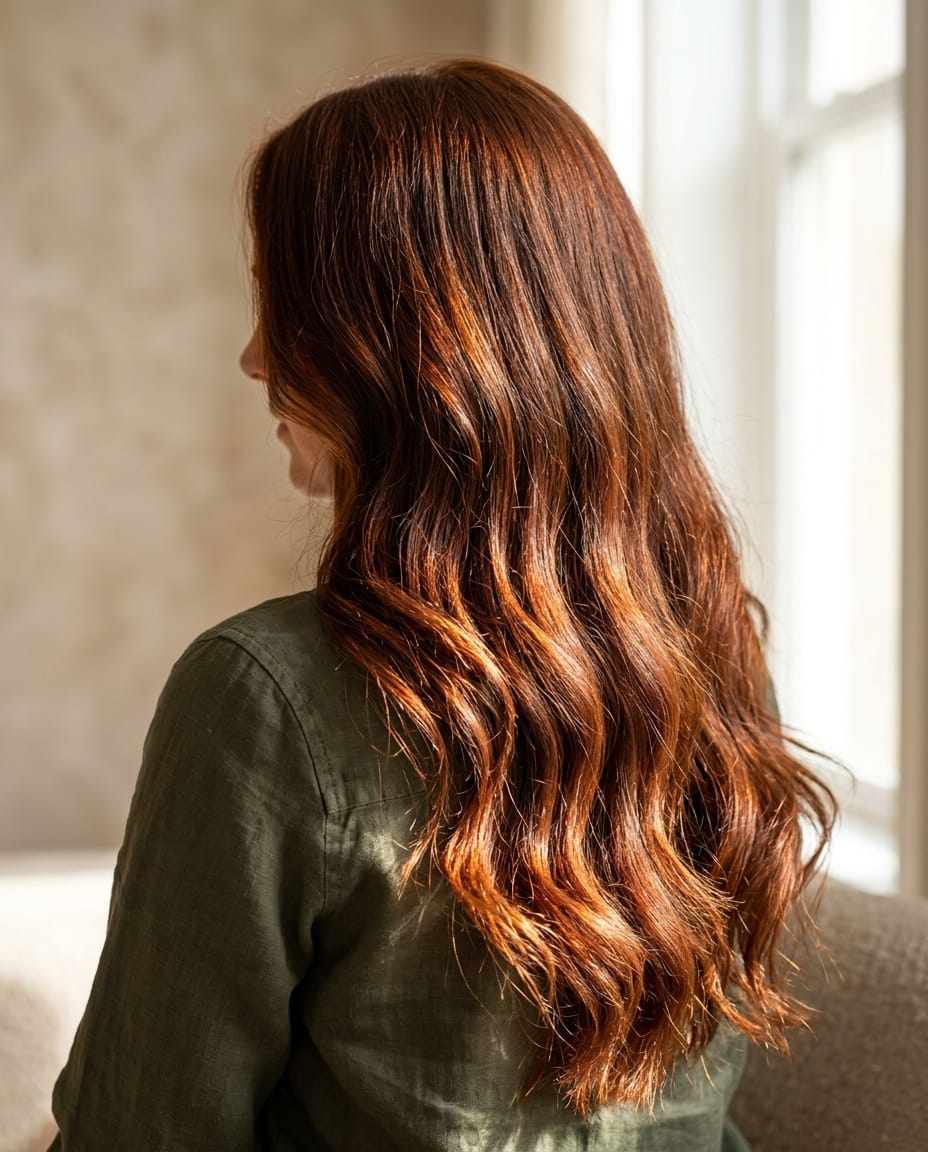
A deep, warm auburn base with subtle red-copper undertones woven through, this shade reads as a rich, sophisticated brunette in low or indoor light and reveals distinct cherry-red or copper undertones in direct sunlight, giving the color a genuinely dynamic, two-in-one quality. It suits deeper natural bases and requires relatively low maintenance since the effect relies on tonal layering rather than heavy lightening.
13. Copper Balayage
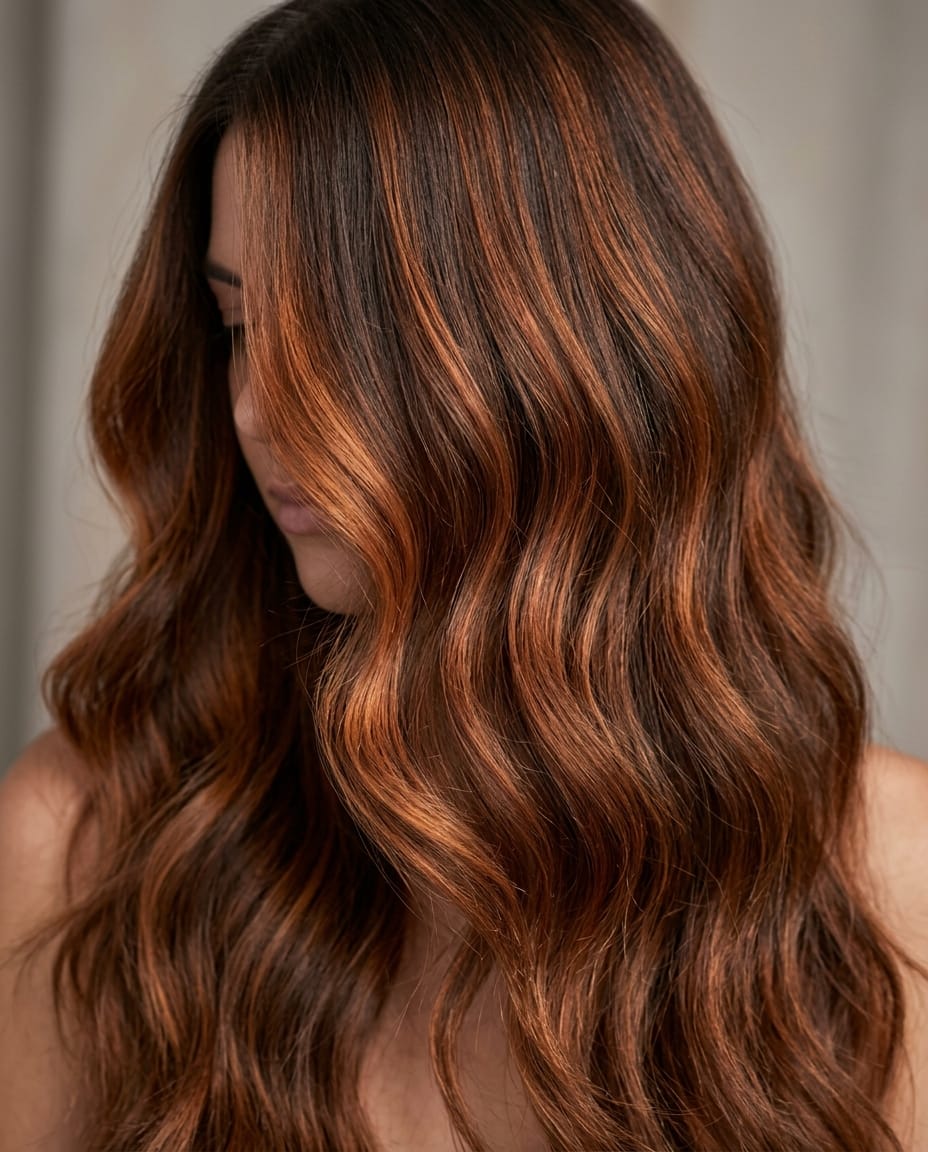
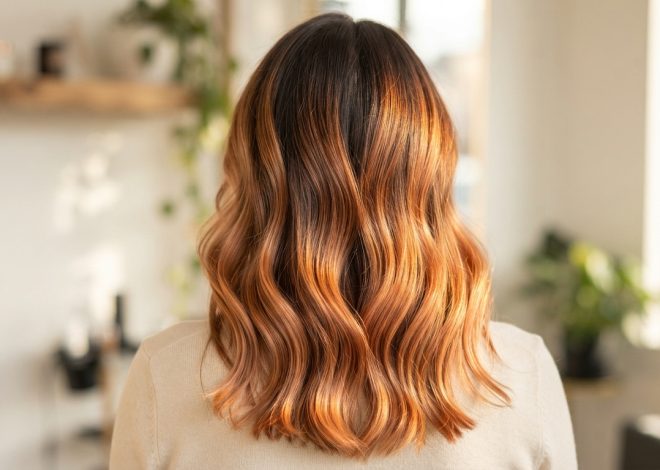
Warm copper tones hand-painted through a brunette or dark blonde base, rather than applied as an all-over color, deliver a vivid, eye-catching warmth concentrated where it shows most without the maintenance demands of a full copper transformation. It suits warmer skin undertones especially well and holds its vibrancy longer than an all-over red since the base color underneath doesn’t need constant re-coloring at the root.
14. Deep Wine Red
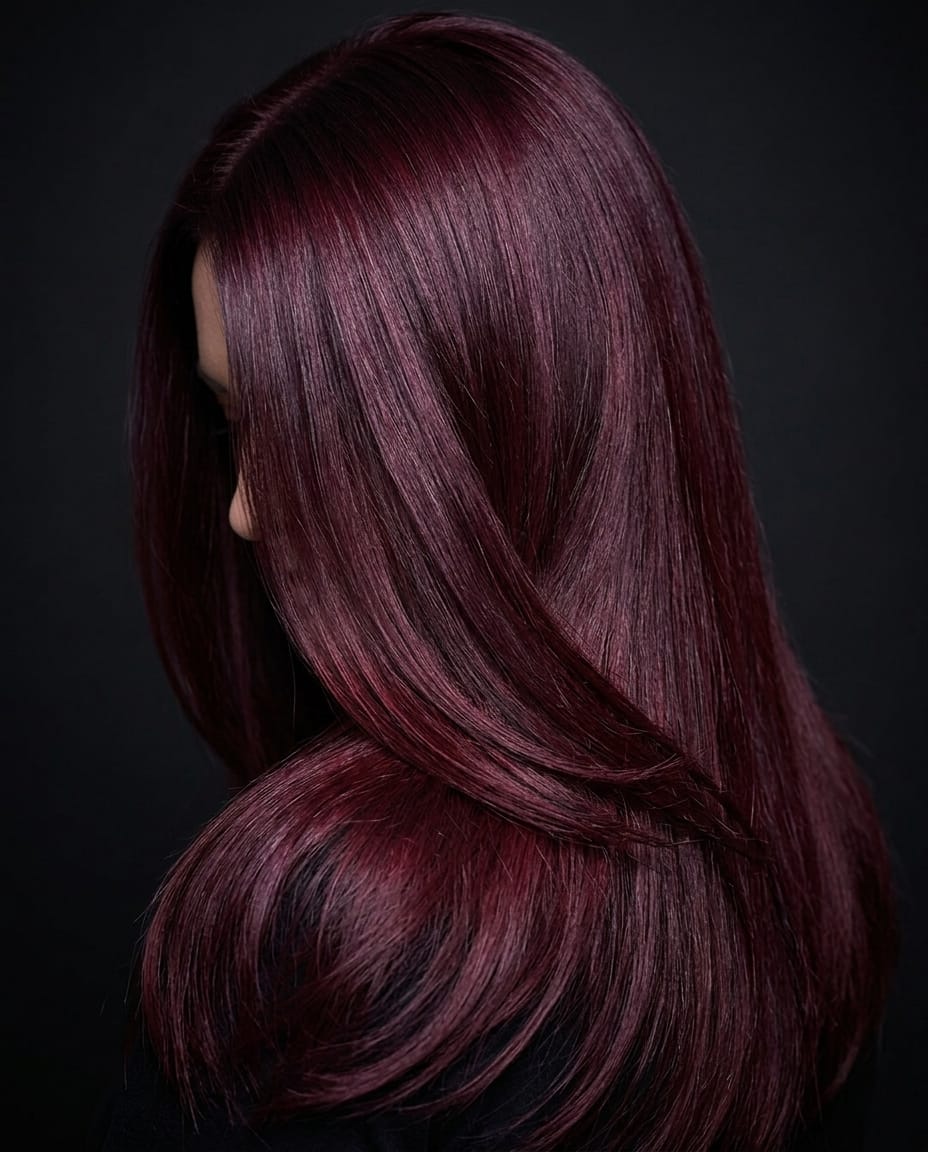
A dark, saturated red with a purple-leaning undertone, deep wine reads as dramatic and rich rather than bright or playful, making it a strong choice for anyone who wants a genuinely bold color shift while staying in darker, more wearable territory than a vivid fantasy red. It suits deeper natural bases and photographs particularly well in warm, low lighting.
15. Ginger Spice
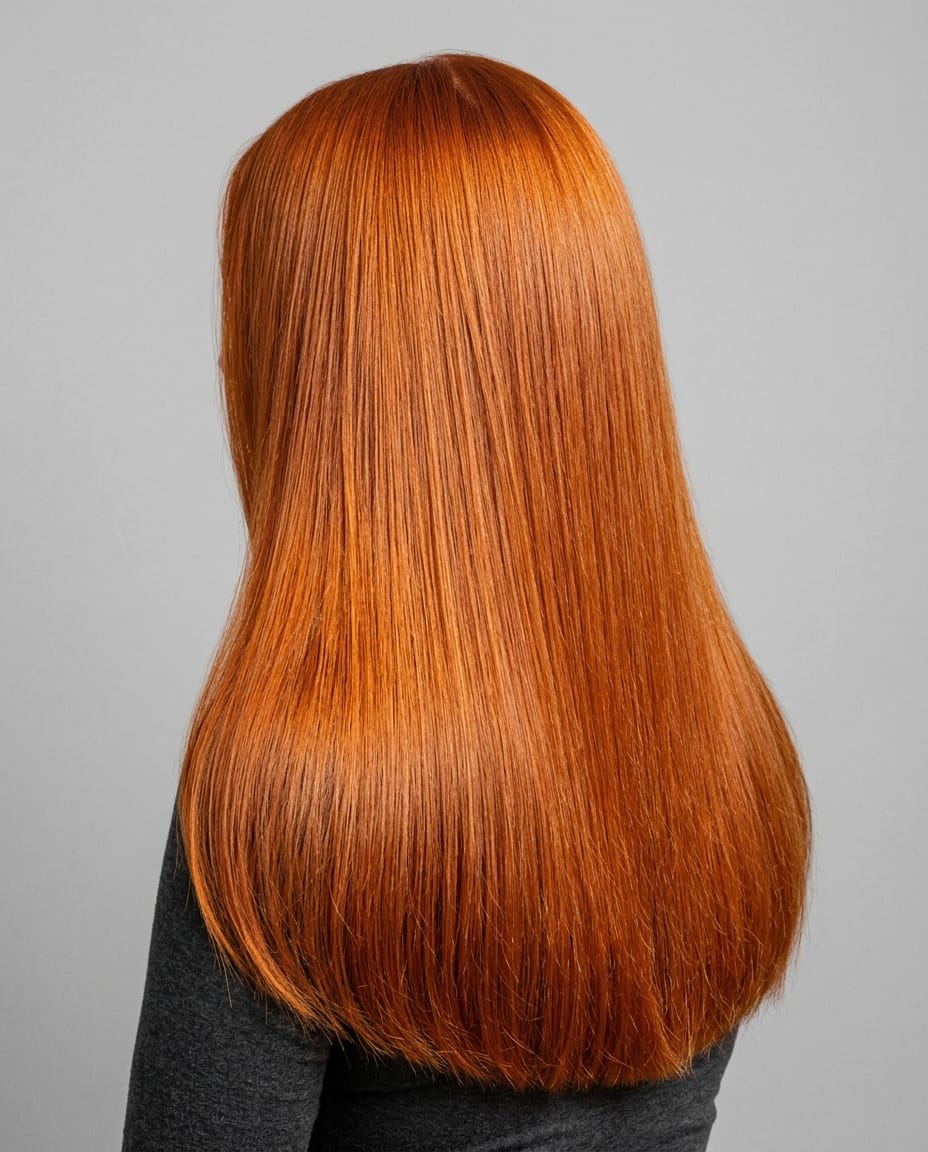
A vivid, saturated orange-red that leans brighter and more playful than auburn or copper, ginger spice has become a standout trend shade for people wanting a genuinely eye-catching color that still reads as a “natural” hair color family rather than a fantasy shade. It suits fair-to-medium skin tones with warm undertones especially well and requires more frequent root maintenance than deeper reds, since the vivid tone contrasts more visibly against regrowth.
Vivid and Jewel-Tone Colors
For those wanting to commit fully to color, 2026’s vivid trends lean toward deep, saturated jewel tones rather than neon brightness.
16. Deep Emerald
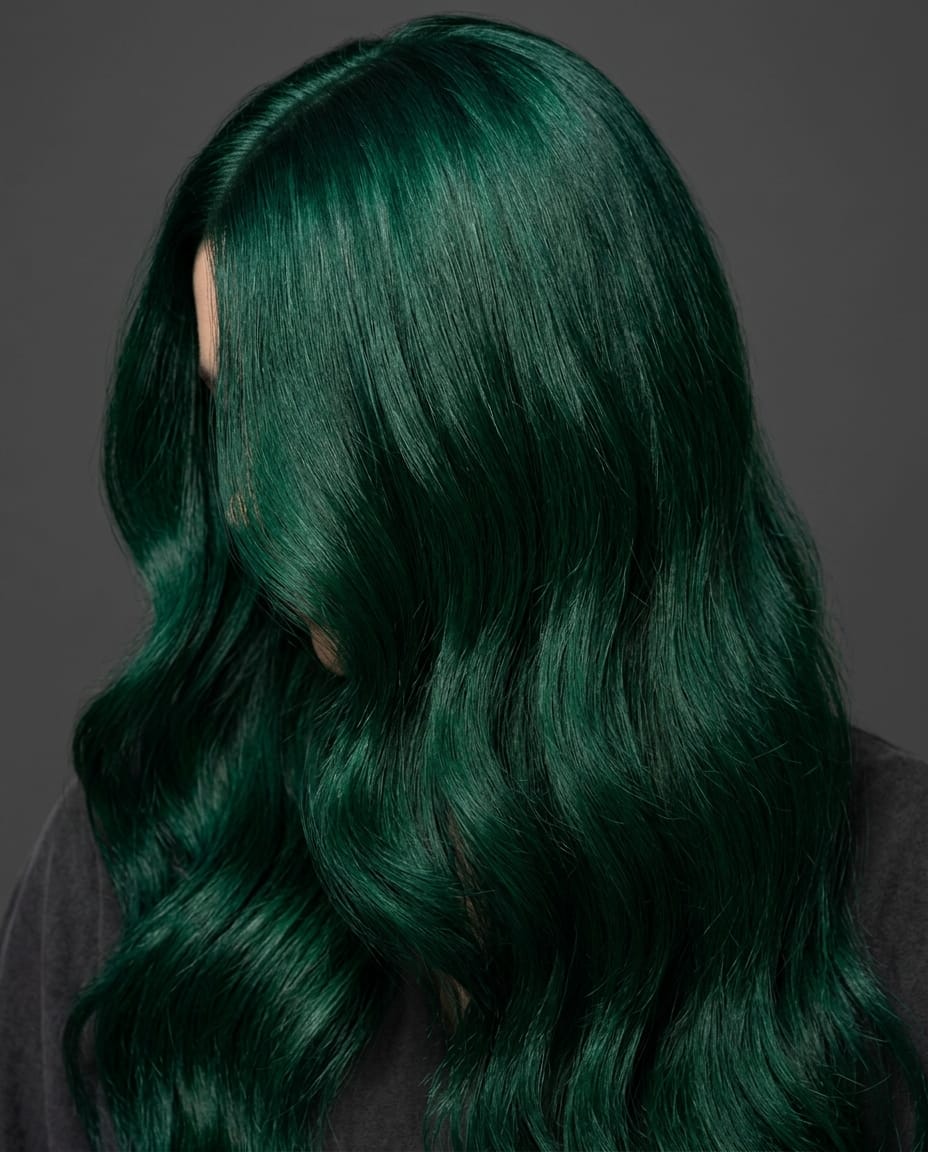
A rich, dark green with jewel-like saturation rather than a bright, cartoonish tone, deep emerald works best on darker natural bases where the color can layer over existing depth rather than requiring extensive pre-lightening. It suits anyone wanting a genuinely bold color commitment with a sophisticated, rather than costume-like, final result, though it does require more maintenance than natural shades since vivid colors fade toward pastel versions of themselves over several weeks.
17. Amethyst Purple
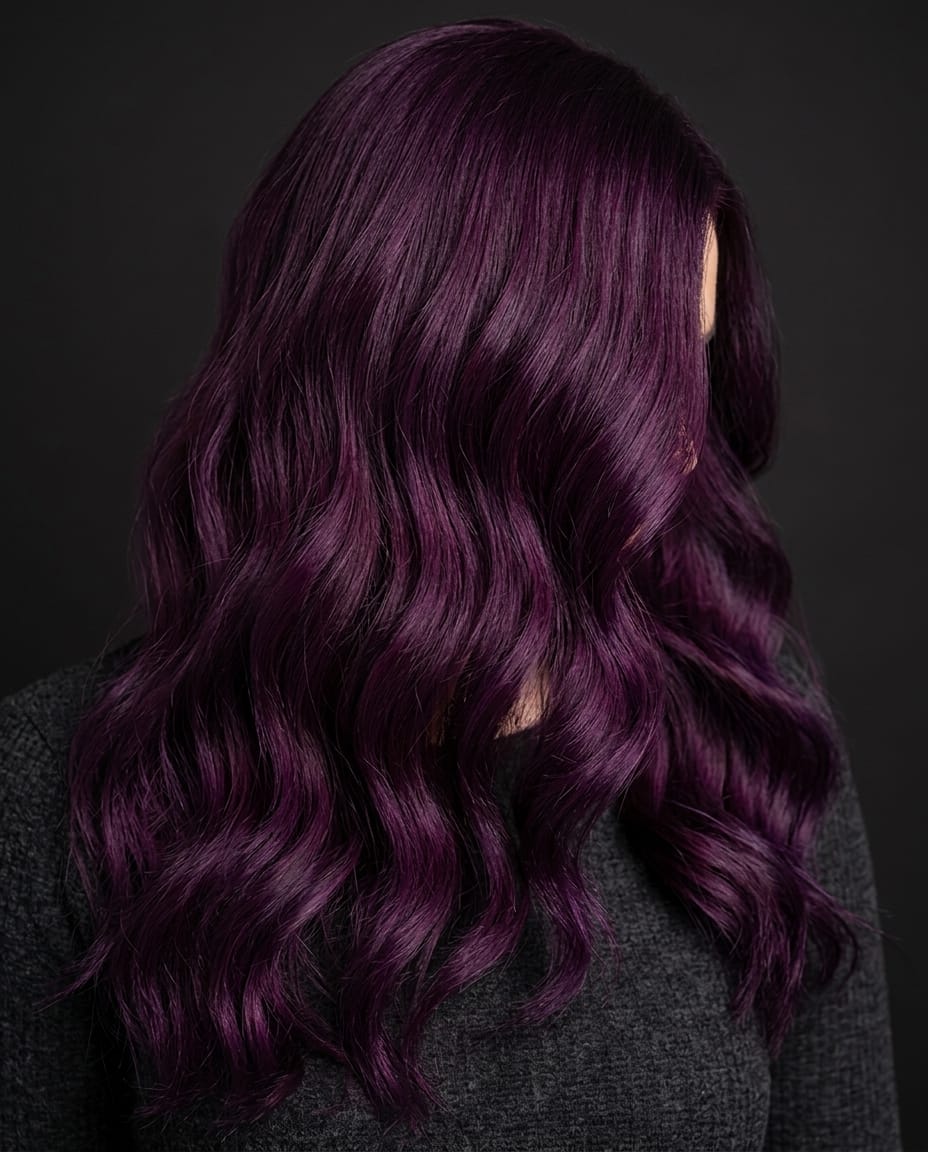
A deep, saturated violet-purple with jewel-tone richness, amethyst sits between a natural-adjacent dark plum and a fully vivid fantasy purple, making it accessible to people who want boldness without an entirely artificial-looking result. It requires pre-lightening on darker natural hair to achieve full saturation, and vivid purples generally need more frequent refresh applications than natural color families to maintain vibrancy.
18. Sapphire Blue-Black
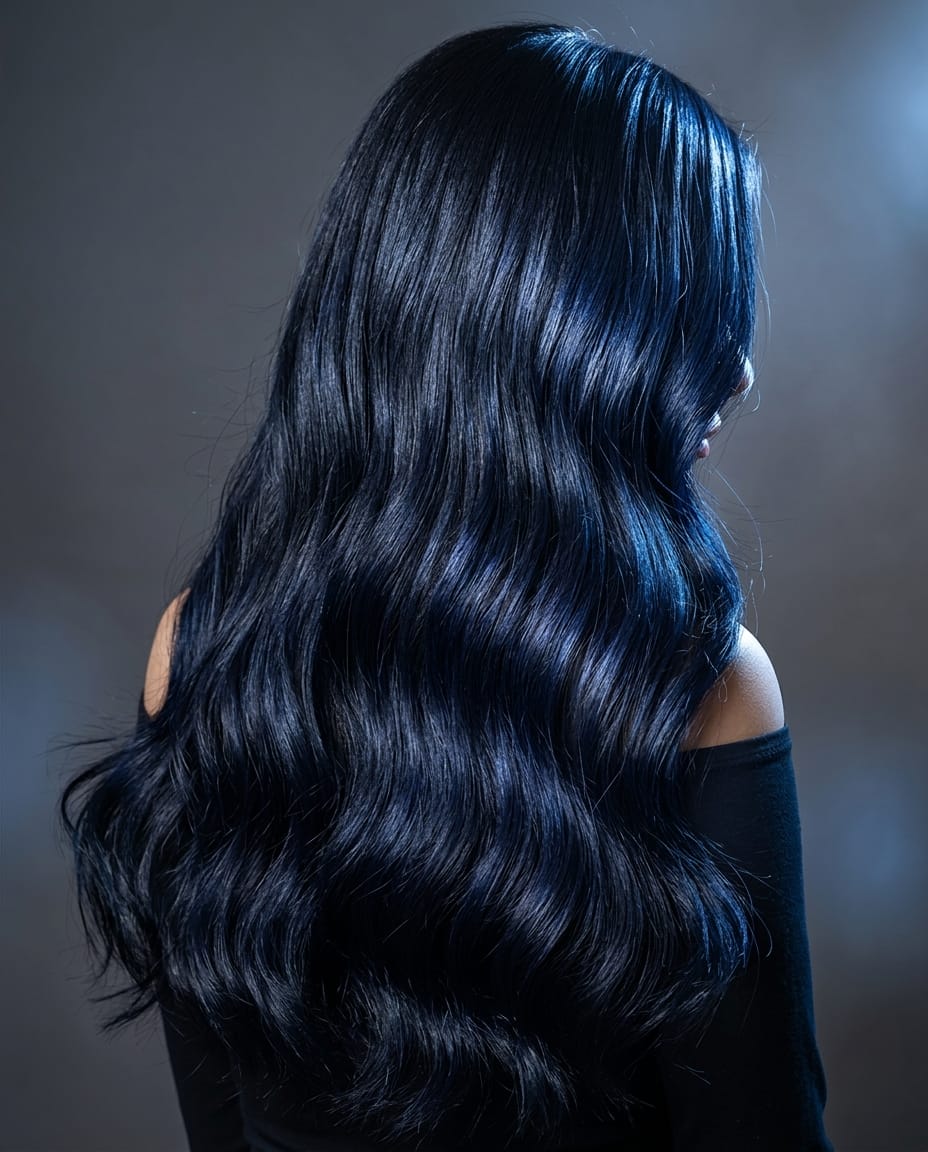
A very dark base with a subtle blue undertone that becomes visible in bright or direct light, blue-black offers a way to incorporate a vivid color family into hair while staying close to a natural-looking dark shade most of the time. It suits people who want a hint of unexpected color without a fully committed vivid change, and it requires minimal maintenance since the base itself is dark and doesn’t need frequent root touch-ups.
19. Pastel Baby Pink
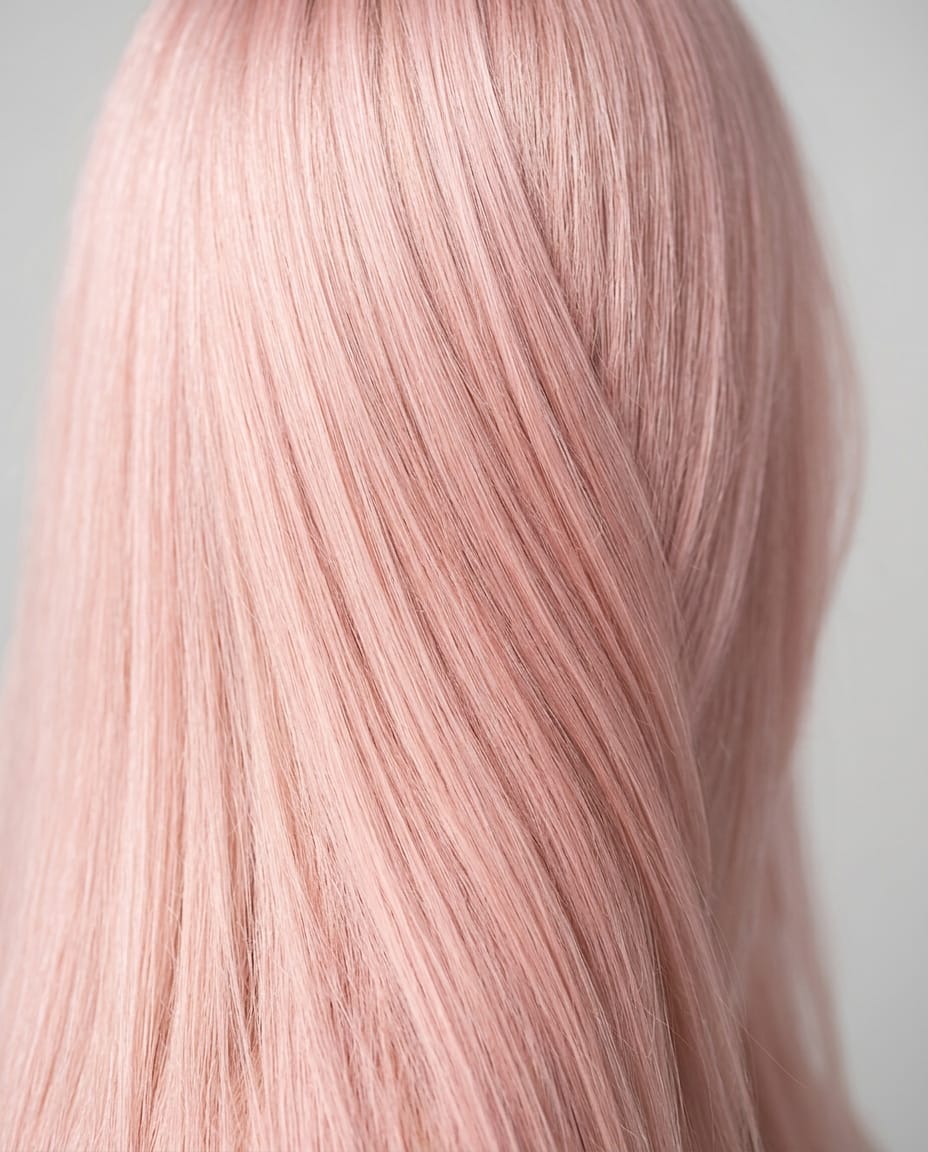
A soft, diluted pink with a candy-like but muted quality, pastel baby pink typically requires a pre-lightened blonde base to achieve the desired softness, since true pastel tones only show clearly on very light hair. It suits people wanting a playful, distinctly non-natural color while staying in softer, more wearable territory than a saturated neon pink, though maintaining the pale tone requires more frequent toning as pastel colors fade unevenly.
20. Icy Platinum with Color-Melt Roots
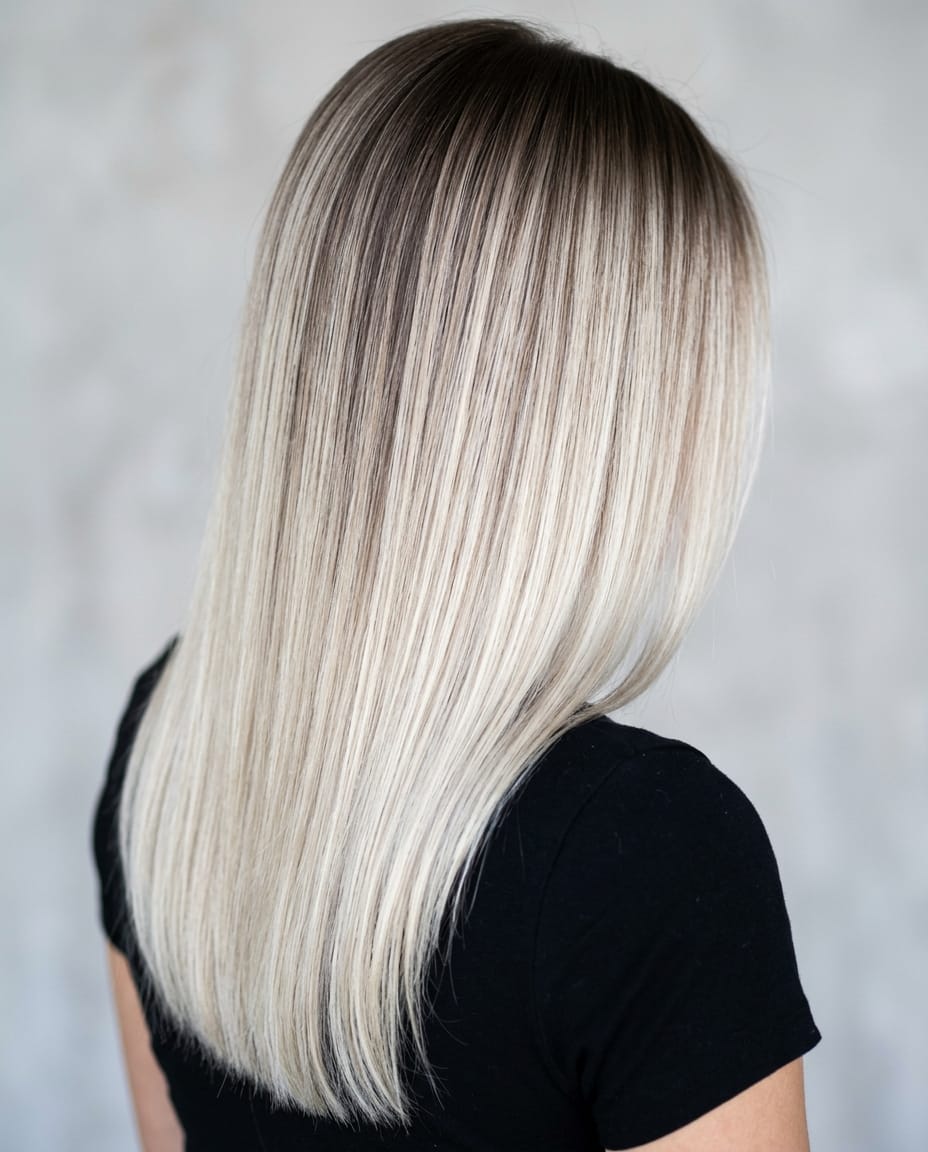
Rather than a stark, uniform platinum, this version pairs a bright icy blonde through the mid-lengths and ends with a soft, deliberately blended darker root, giving the high-impact brightness of platinum without the harsh, obviously grown-out look that a solid platinum color develops within a few weeks. It suits anyone drawn to platinum’s brightness who wants a more forgiving maintenance schedule, since the root melt is designed to look intentional even as it grows.
Natural and Understated Colors
Not every 2026 trend is about visible change — several of the season’s most requested looks are about refining or subtly enhancing natural color.
21. Enhanced Natural Brunette, Gloss
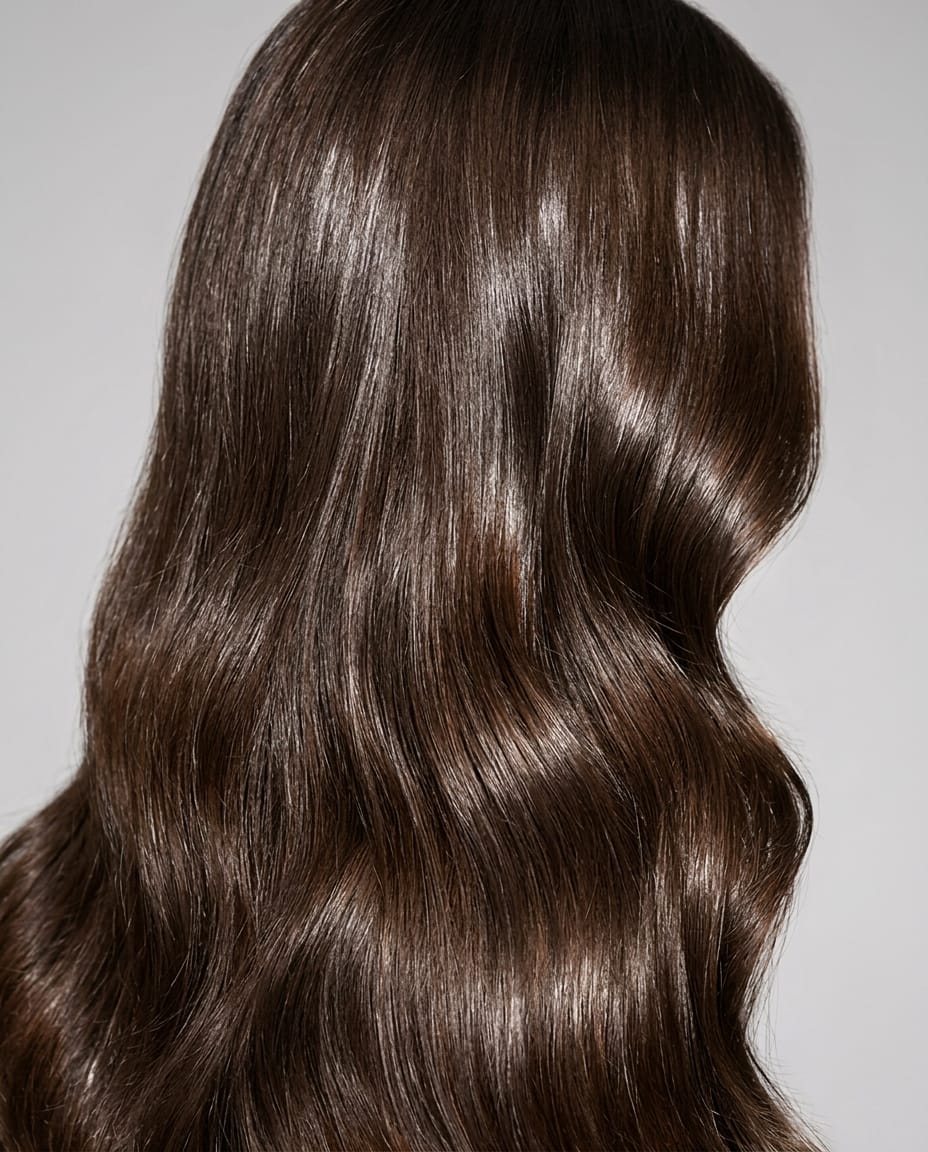
Rather than any actual color change, a clear or subtly tinted gloss treatment applied over natural brunette hair boosts shine and adds a slight richness to the existing tone without lightening or altering the color itself. This has become one of the most requested low-commitment salon services of the year, since it delivers a visibly “better hair day” result with essentially zero grow-out concern.
22. Soft Blended Gray Coverage
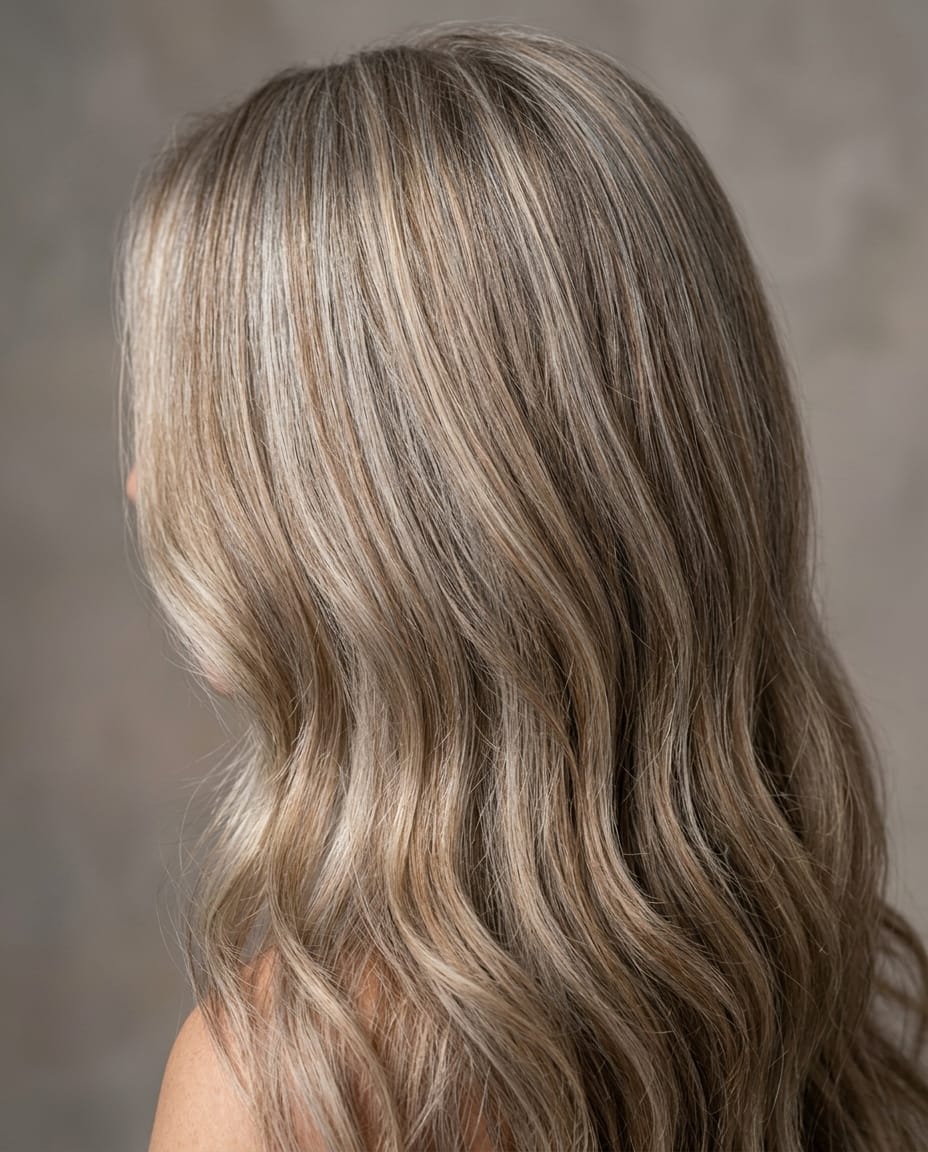
Rather than fully covering gray hair with a flat, uniform color, this technique blends gray strands into surrounding natural color using soft, strategically placed highlights and lowlights, so the gray reads as intentional dimension rather than something being hidden. It suits people transitioning toward embracing natural gray who still want a polished, coordinated look, and it requires touch-ups less frequently than full gray coverage since the blending itself accommodates new growth more gracefully.
23. Cool-Toned Ash Brown
A brown with a distinct cool, ash-grey undertone rather than warmth, ash brown suits cooler skin undertones and offers an alternative to the warmer brunette trends dominating much of this list, appealing especially to people who find warm brown tones clash with their coloring. It requires periodic toning to maintain the cool cast, since brown shades naturally tend to warm up as they fade.
24. Caramel Balayage on Brunette
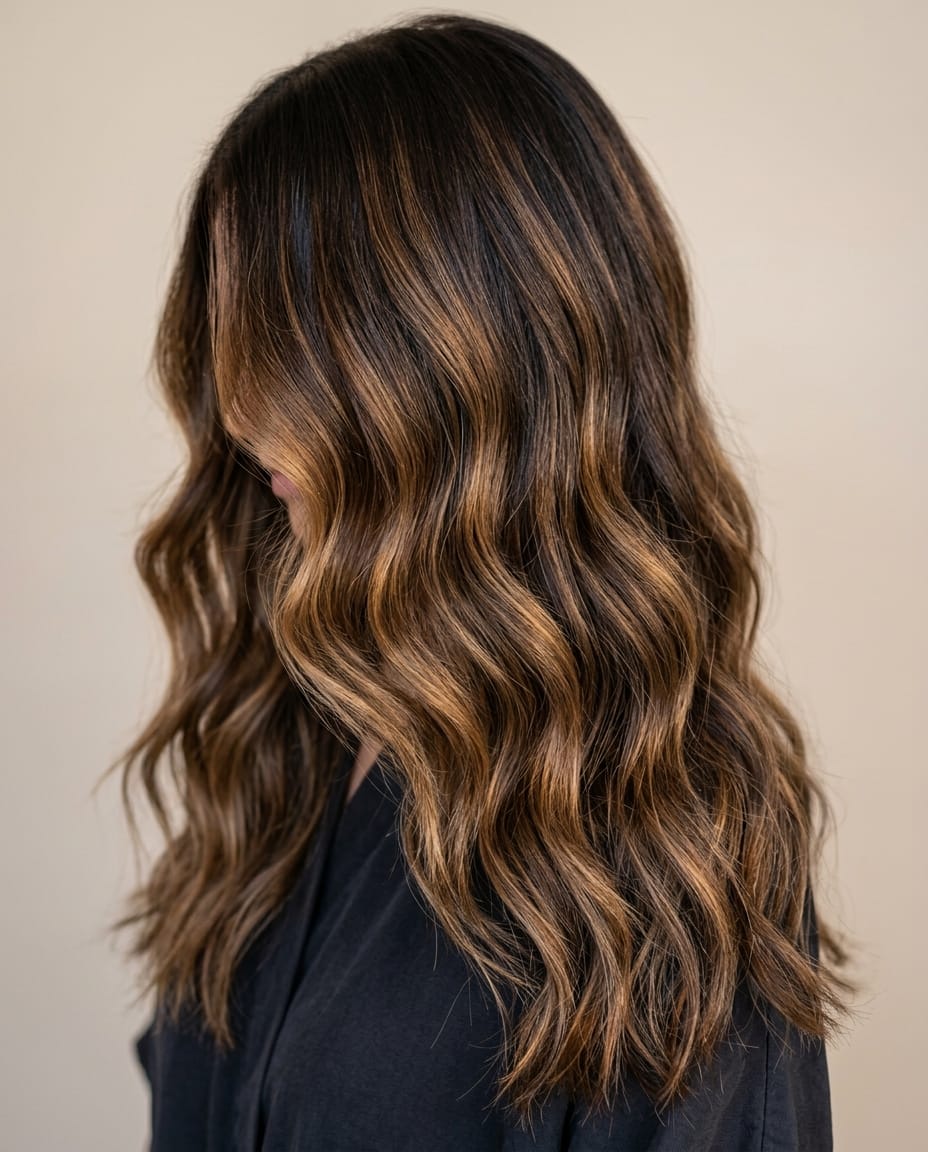
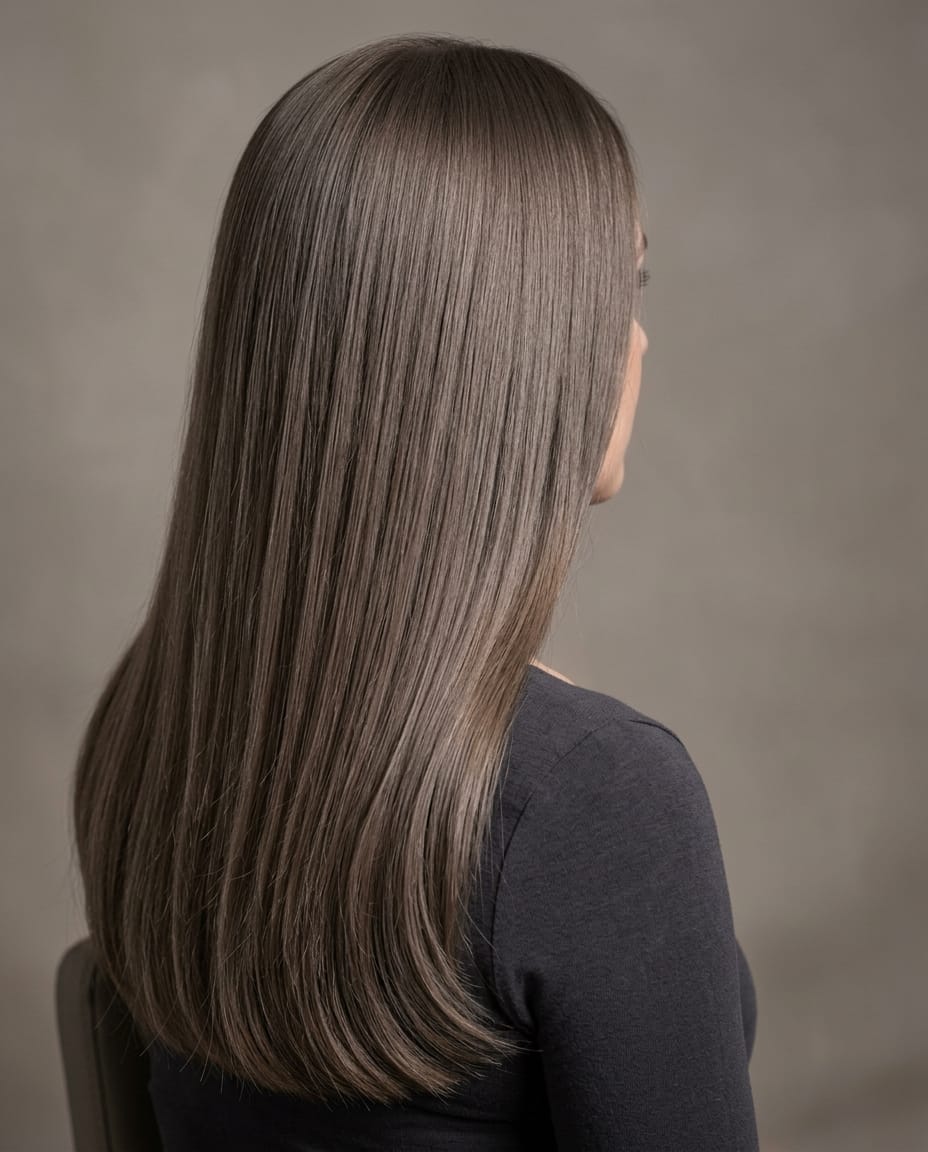
Warm caramel tones hand-painted through a brunette base in soft, sun-swept placement give brightness and richness without the stark contrast of traditional foiled highlights. This remains one of the most consistently requested balayage color combinations because caramel sits close enough to most natural brunette bases that regrowth blends rather than creating an obvious line, keeping maintenance appointments comfortably spaced out.
25. Rose Gold Undertone on Blonde
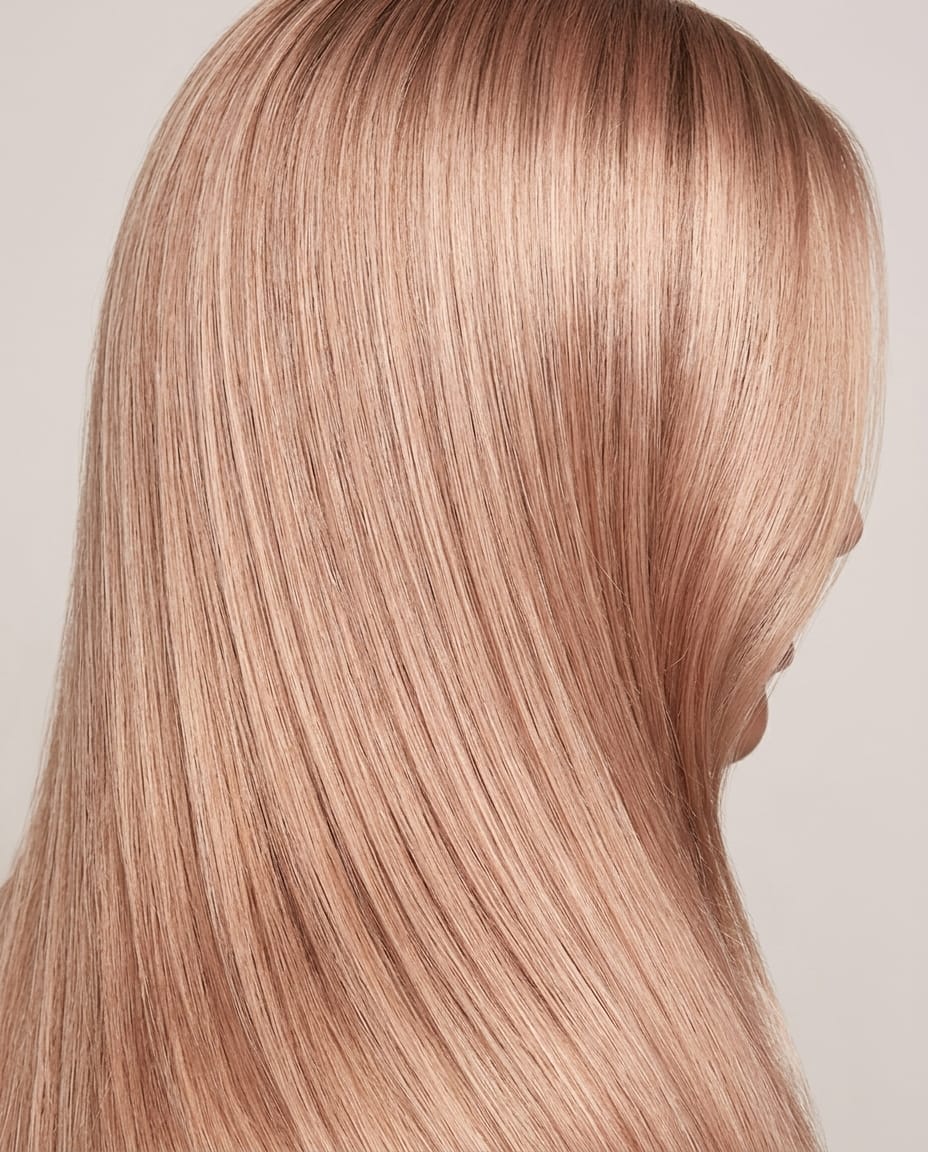
A soft pink-beige undertone toned into an existing blonde base gives a subtle metallic warmth without shifting into full pastel-pink territory, offering a more wearable, everyday version of the rose gold trend. It suits blondes wanting a distinctive, slightly unexpected undertone, and because it’s applied as a gentle tone over existing blonde rather than a separate process, it integrates easily into a normal blonde maintenance schedule.
Choosing a Trend That Fits Your Maintenance Reality
If you want a noticeable change but can’t commit to salon visits more than every couple of months, prioritize the low-maintenance brunette techniques (#1–#6) or a soft balayage placement (#11, #24) over anything that starts at the root, since root-based color is what drives frequent touch-up schedules. If you’re drawn to a vivid or jewel-tone shade, budget for more frequent refresh appointments than you would for a natural color family — vivids fade toward pastel versions of themselves regardless of how well they’re maintained, which is simply part of how those pigments behave. And if you’re not ready for a full commitment either way, a gloss treatment (#21) or a subtle undertone shift (#25) delivers a visible refresh with essentially no grow-out concern at all.
What to Say to Your Colorist
Bring reference photos rather than just a color name — “chestnut,” “mocha,” and “ash brown” all mean something slightly different depending on who you ask, and a photo removes the ambiguity. If low maintenance matters to you, say so explicitly and ask your colorist to recommend a placement technique (balayage, root smudge, babylights) rather than a specific shade alone, since technique affects grow-out just as much as color choice does. And if you’re transitioning from a previous vivid or heavily processed color, mention that upfront — it affects both what’s achievable in one session and how your colorist will sequence the appointment to protect hair health.