21 Long Layered Hairstyles That Actually Suit Your Hair Type
Choosing a layered haircut based on a photo alone often backfires, because the same set of layers looks completely different depending on whether your hair is fine or thick, straight or curly, dense or sparse. This roundup takes a different approach than a pure inspiration gallery: it groups 21 long layered hairstyles by who they’re actually built for, so instead of guessing whether a look will translate to your own hair, you can start from your texture and thickness and work outward. Each entry explains what the cut is doing structurally, not just what it looks like finished.
Long Layers for Fine, Thin Hair
Fine hair needs layers that create the illusion of density rather than layers that remove more weight than the hair can spare.
1. Root-Lifted Crown Layers
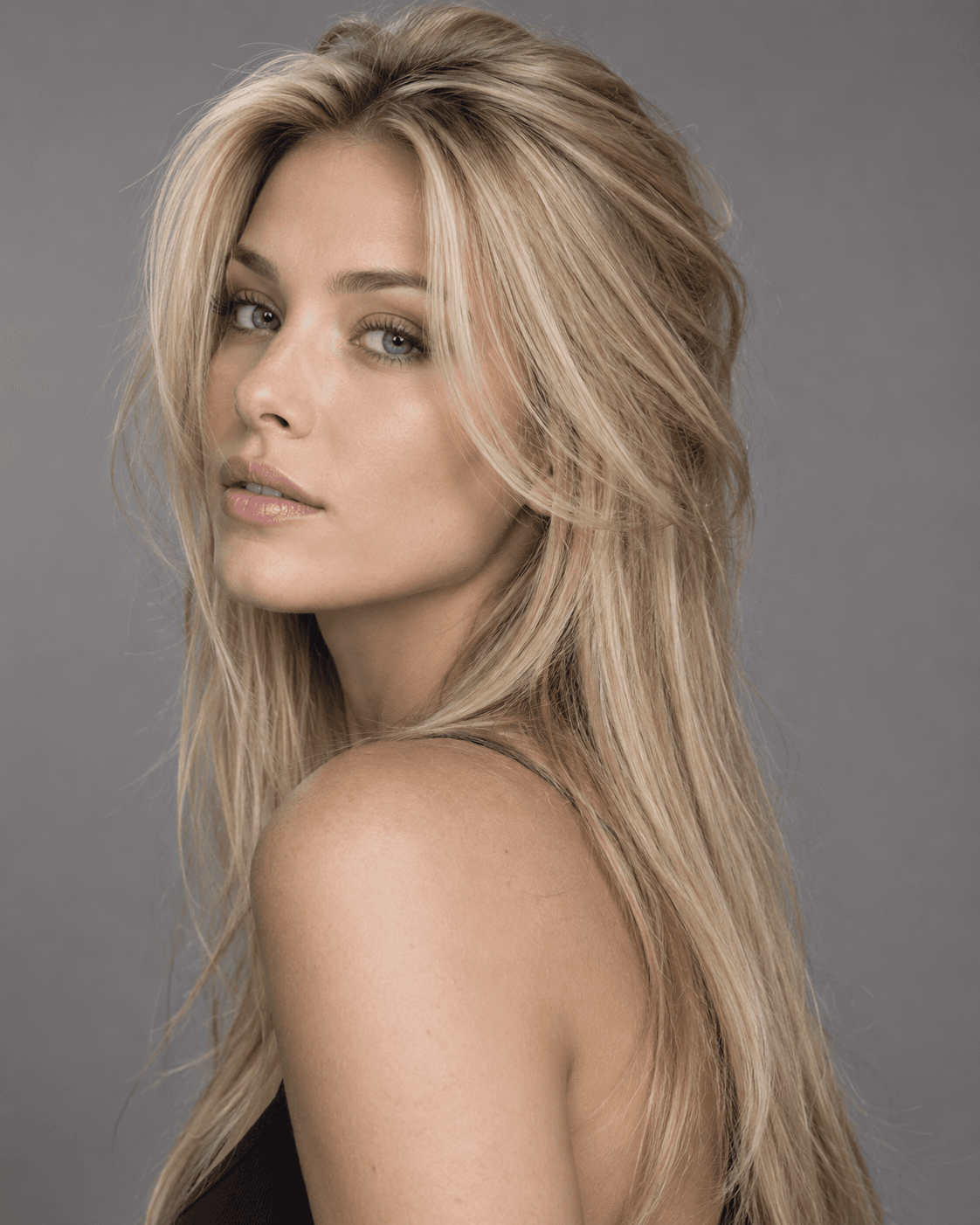
Short layers cut specifically at the crown lift the hair away from the scalp, creating volume at the root that carries down through the rest of the length. Because the shortest pieces are concentrated where volume matters most, the rest of the hair can stay longer and fuller without looking flat on top. This is one of the most reliable fixes for fine hair that goes limp by midday.
2. Long Layers with a Textured, Wispy End
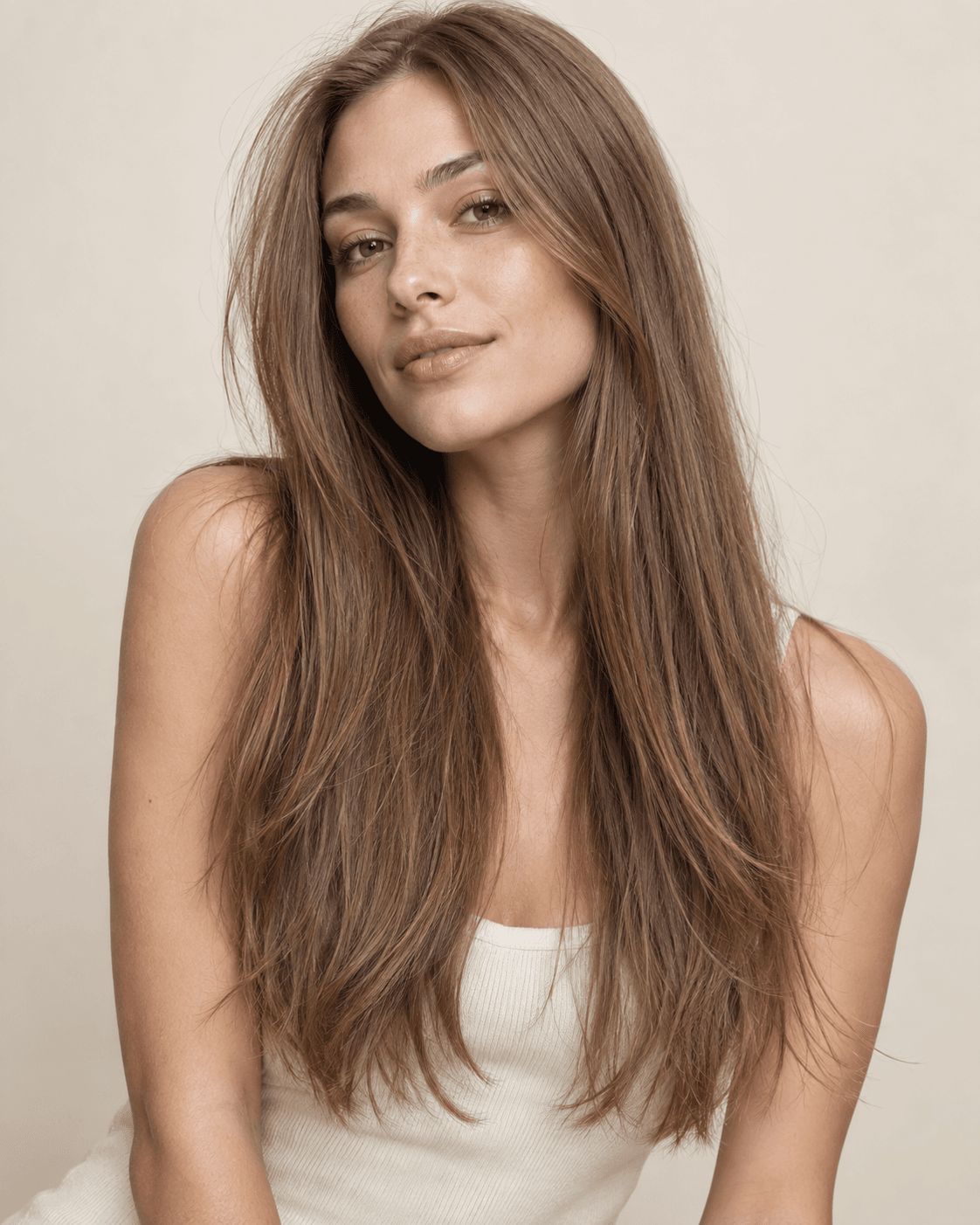
Rather than distributing layers evenly, this cut keeps the mid-lengths fuller and concentrates thinning shears only at the very ends, so the hair doesn’t lose the density fine hair relies on for the appearance of thickness. The wispy ends read as intentional texture rather than thin, straggly hair.
3. Face-Framing Layers with a Deep Side Part
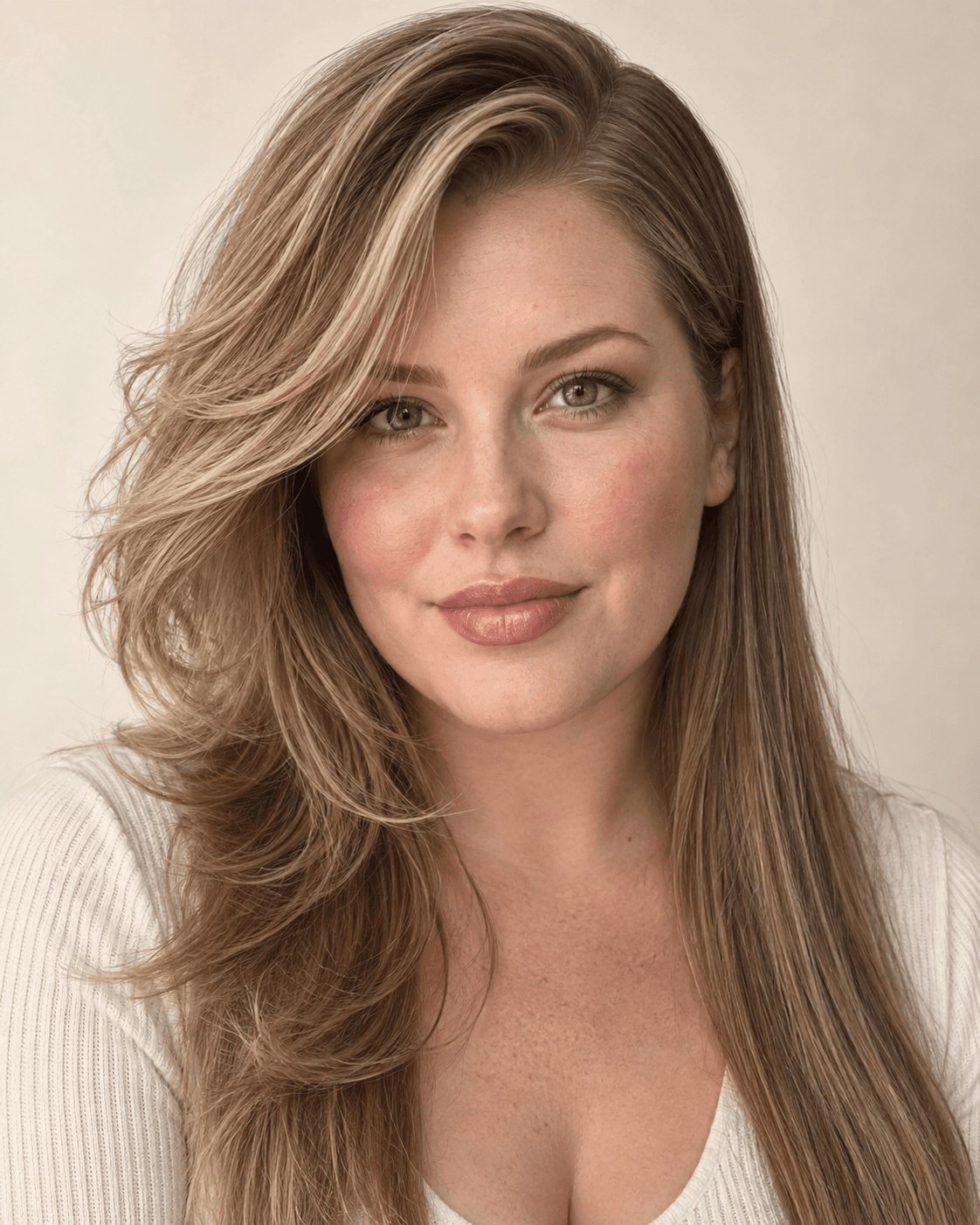
Combining a deep side part with shorter face-framing layers on the heavier side creates a lift-and-fall effect that reads as volume without any backcombing or root spray. The layers on the parted side fall with visible separation, while the opposite side stays longer and smoother for contrast.
4. Long Shag with Fine-Hair Layering
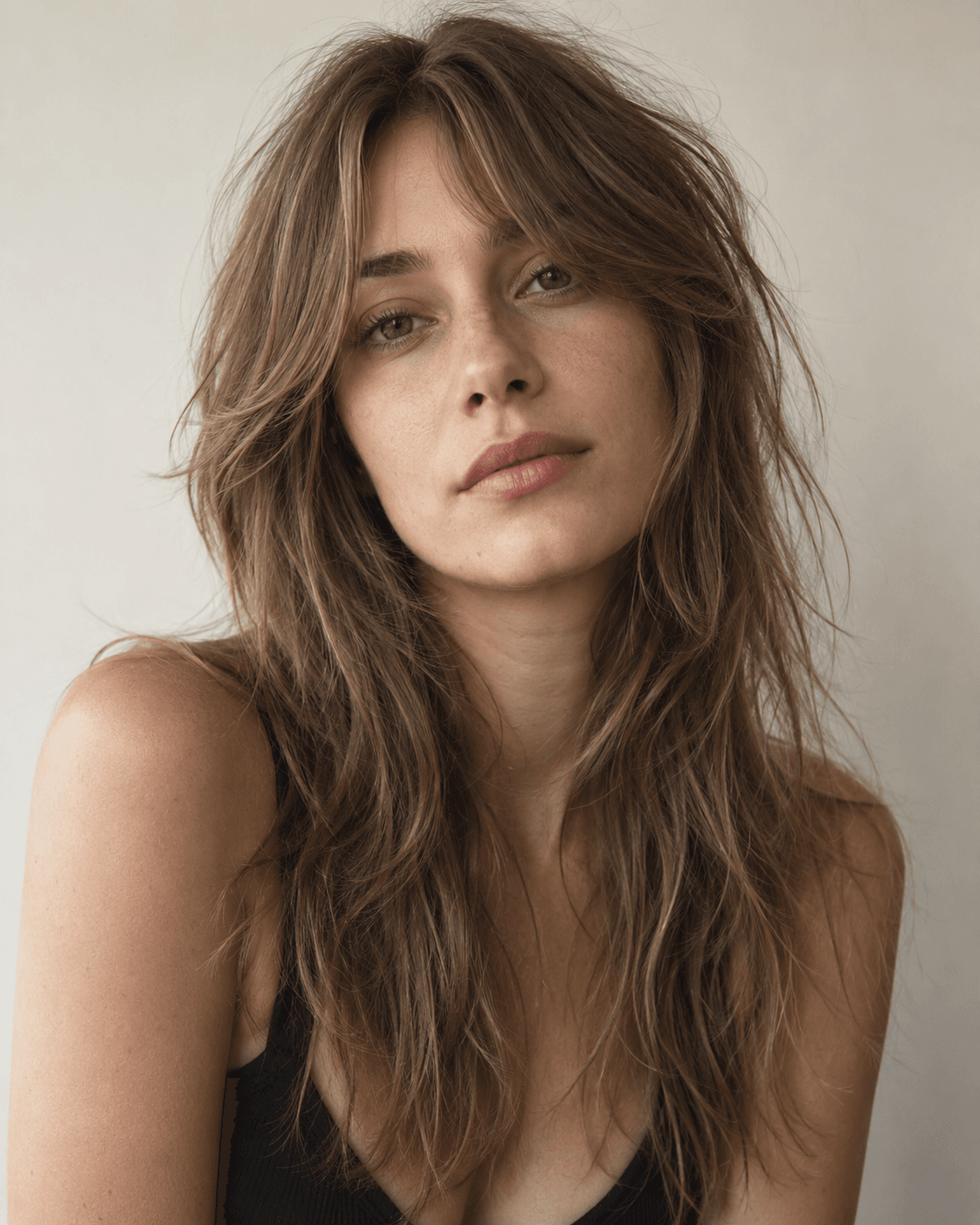
A shag cut adapted for fine hair uses shorter, more frequent layers than a typical shag, since fine hair needs more layer changes per inch to create the same amount of visible texture that thicker hair achieves with fewer cuts. The result is a piece-y, lived-in shape without the thin, stringy look fine hair can get from layers spaced too far apart.
Long Layers for Thick, Dense Hair
Thick hair usually needs layers for weight removal first, movement second — without that order, the cut can end up bulky rather than shaped.
5. Internal-Only Layers with a Blunt Edge
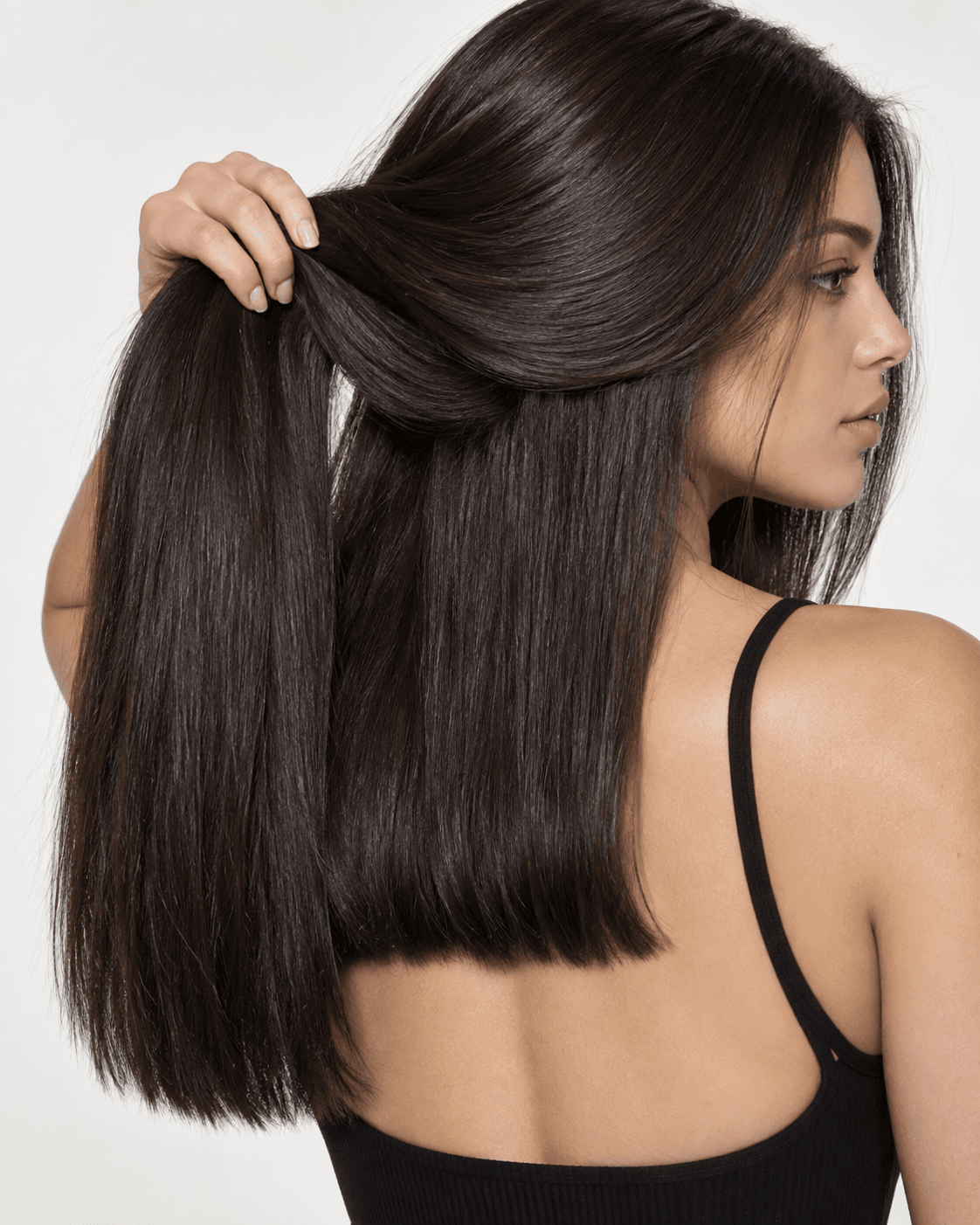
Layering only the underneath sections while keeping the outer perimeter blunt removes significant bulk from thick hair without sacrificing the clean, solid line that makes blunt cuts look polished. This is often the single best option for anyone with thick hair who wants a sleek finish without the hair feeling like a heavy curtain.
6. Wide-Spaced Long Layers
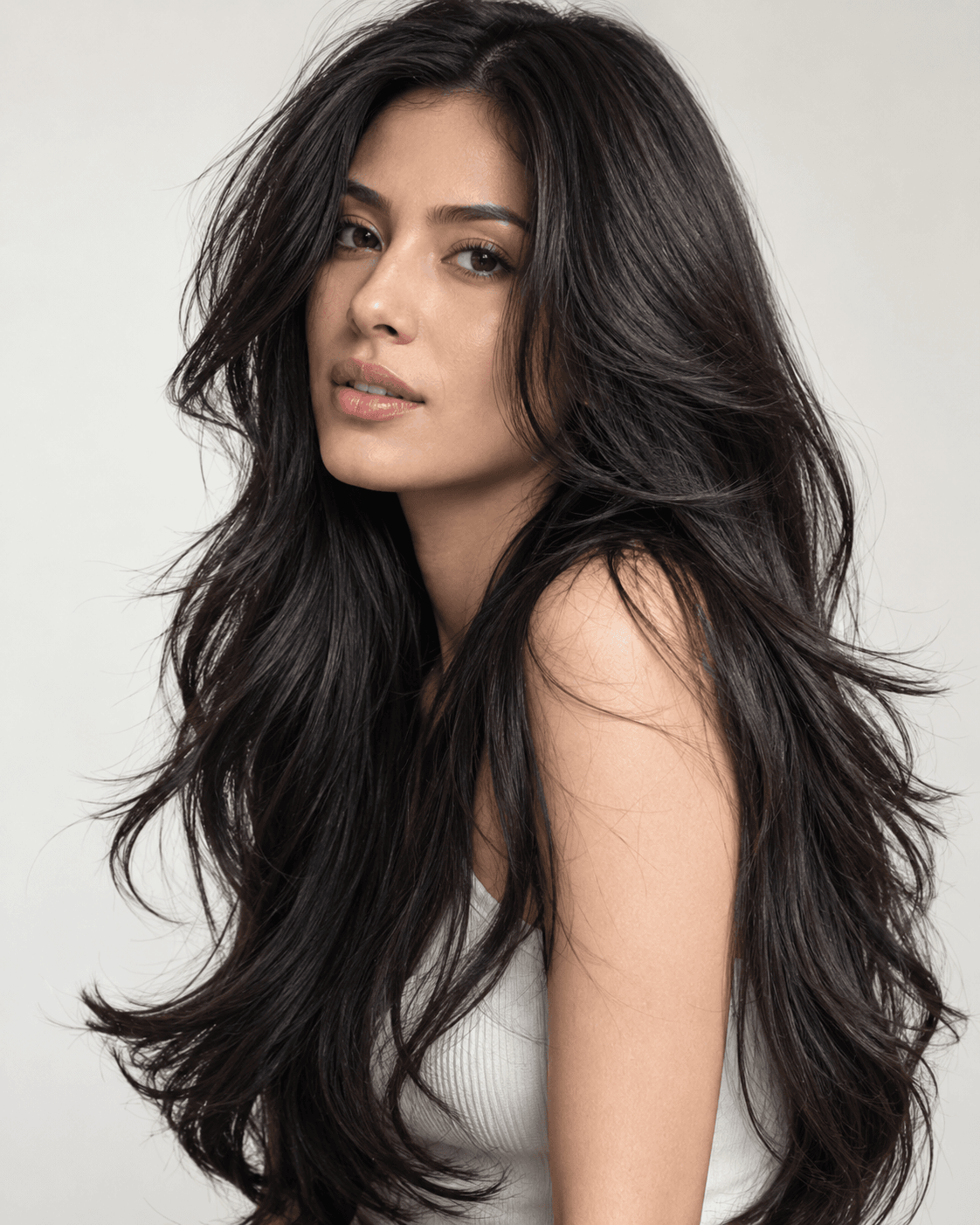
Layers cut with more distance between each section — rather than tightly stacked — remove weight gradually, which suits thick hair that holds its own shape well and doesn’t need aggressive thinning to move. This moves without the “poofy” outcome that can happen when thick hair is over-layered.
7. Razor-Cut Layers for Thick Hair
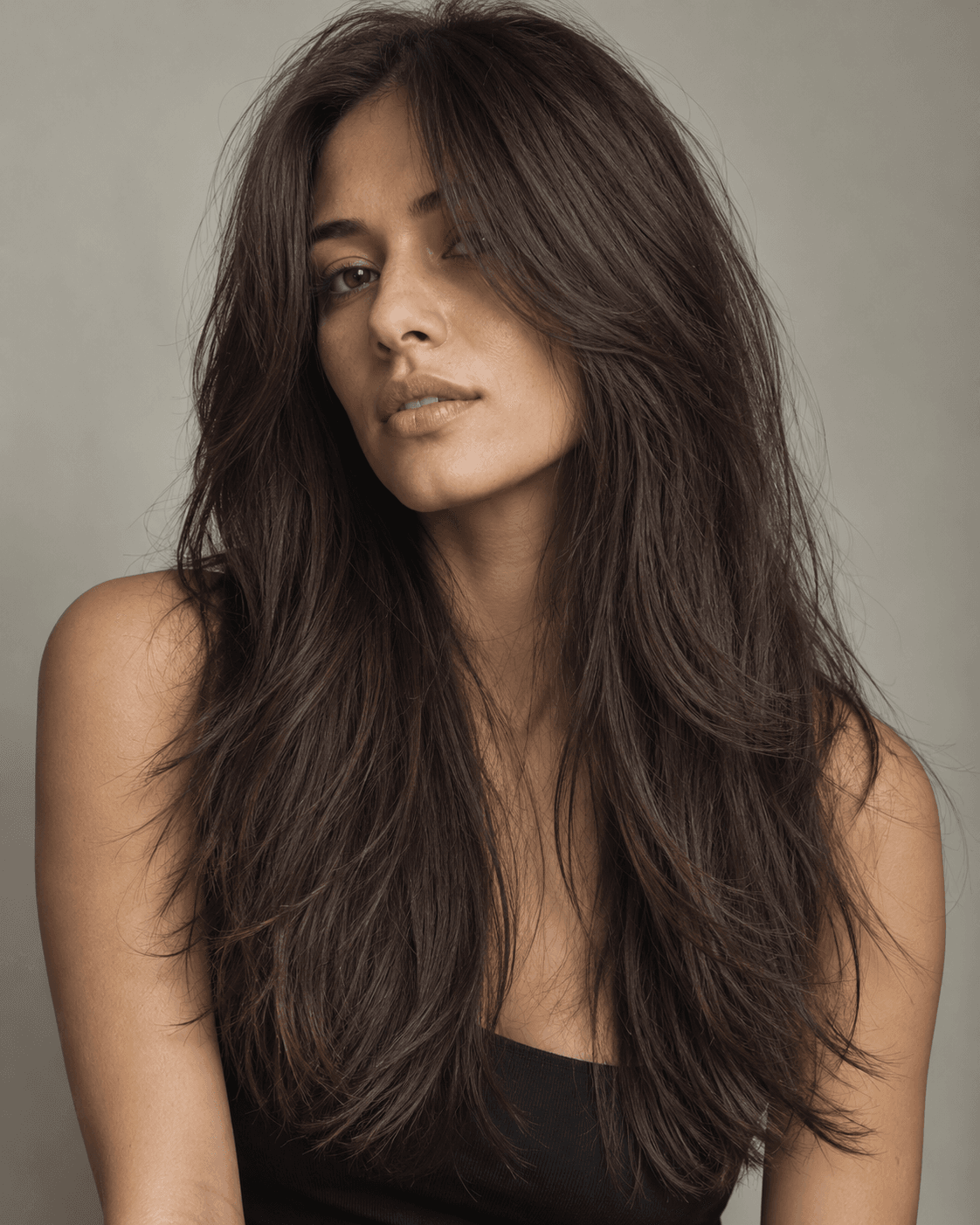
Razor cutting, rather than scissor cutting, removes bulk in a way that tapers hair strands to a finer point instead of a blunt cut end, which makes thick layered ends fall softer and less blocky. It’s commonly used specifically on thick or coarse textures where scissor-cut layers can look heavy no matter how they’re spaced.
8. Long Layers with a Center Part for Thick Hair
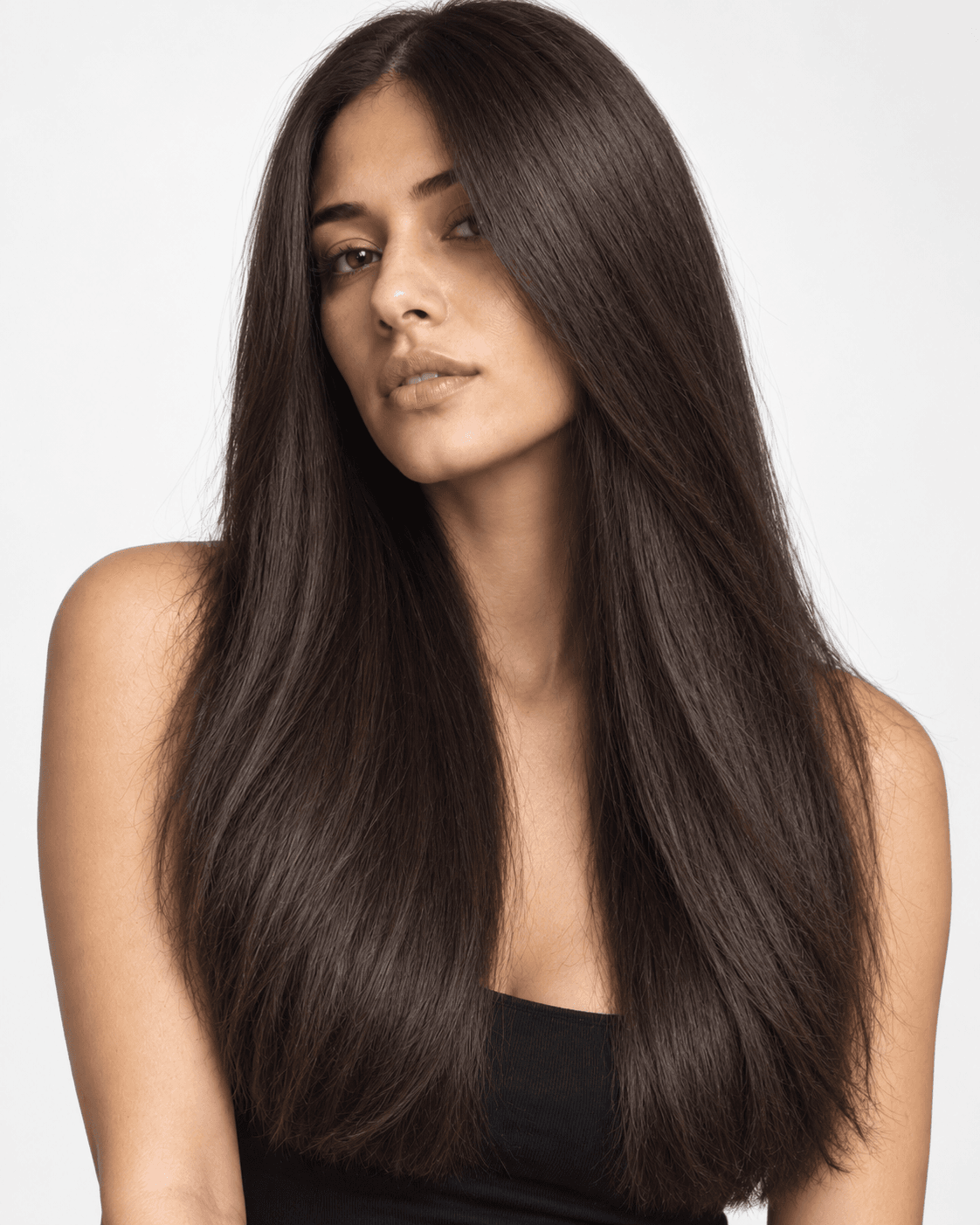
A precise center part paired with minimal, wide layering keeps thick hair’s natural fullness intact while still giving it shape and preventing a triangular. This combination is popular because it requires very little daily styling — thick hair with the right layering often looks finished simply air-dried.
Long Layers for Wavy and Curly Hair
Texture changes how layers read once the hair dries, so cuts here are built around how curl pattern will settle, not just how the hair looks wet.
9. Long Layers Cut Dry for Curl Definition
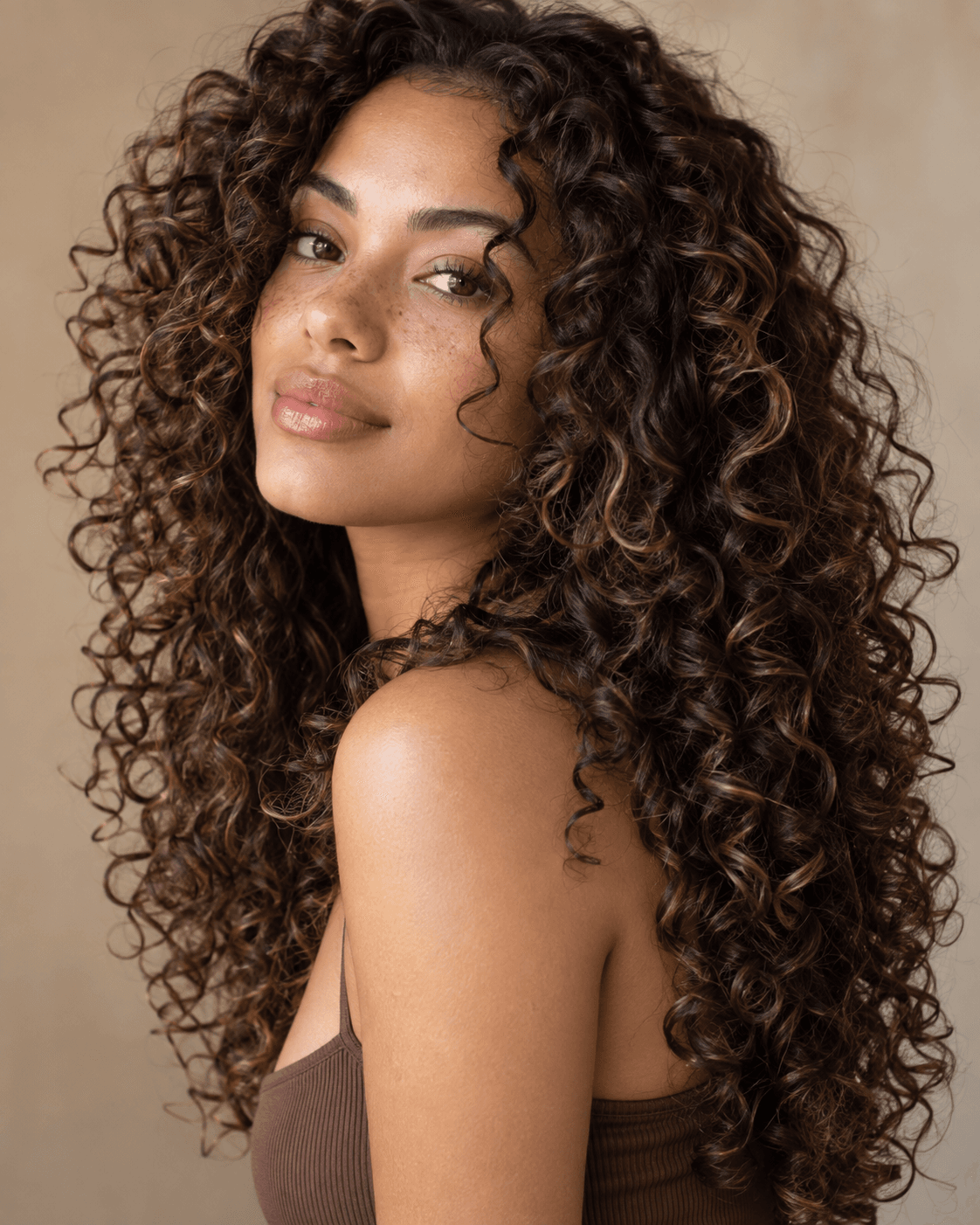
Curly hair is frequently cut dry, curl by curl, so the stylist can see exactly how each layer will spring up and settle before committing to length. Layers cut this way tend to have better shape retention over time than curls cut wet and left to shrink unpredictably.
10. Long Layers That Remove Bottom Weight on Curls
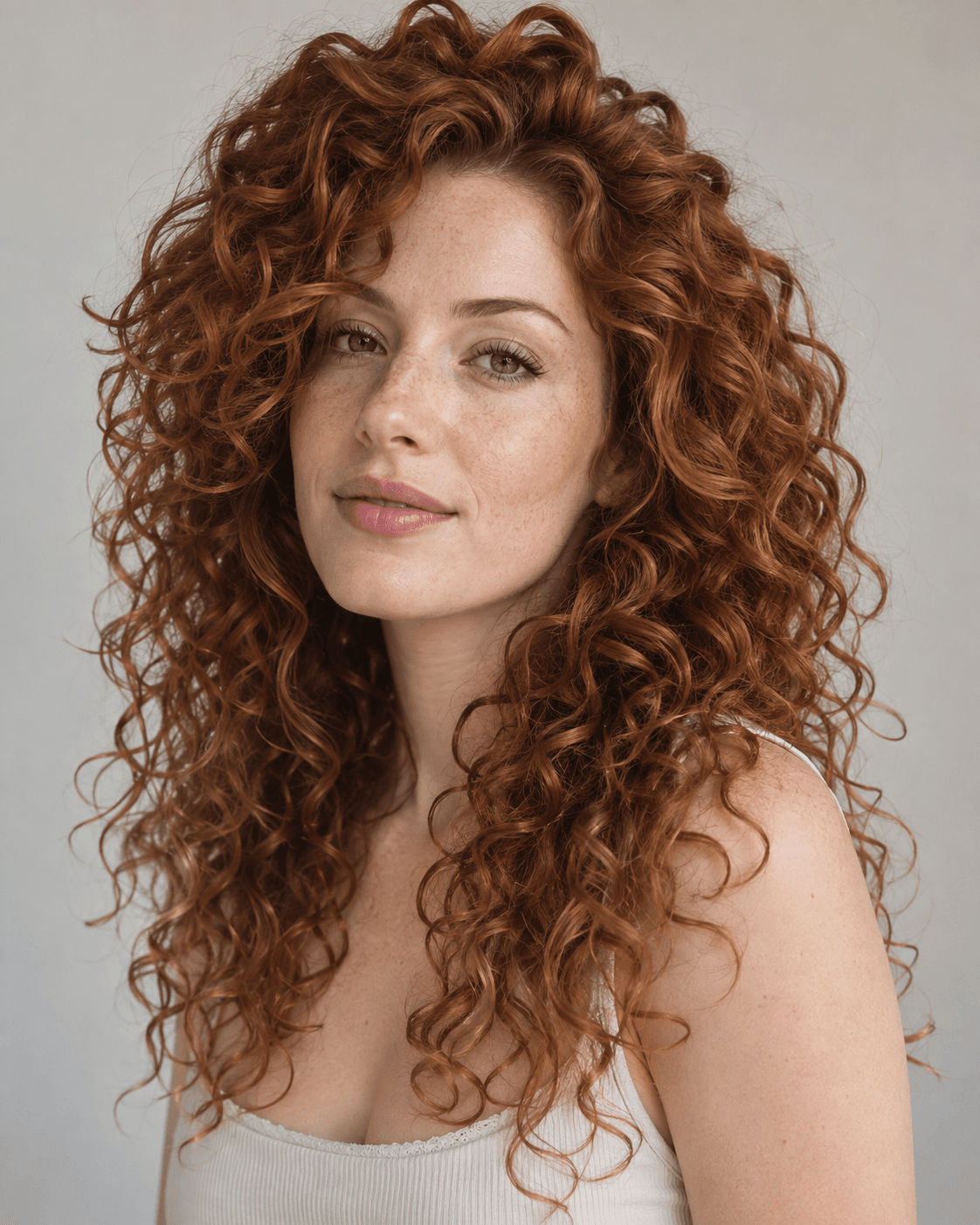
Curly hair often falls into a triangular shape when left one length, since the top curls sit closer to the head while length adds width lower down. Removing weight specifically from the bottom sections — rather than throughout — corrects the triangle without sacrificing overall length or curl bounce.
11. Beachy Layers for Loose Waves
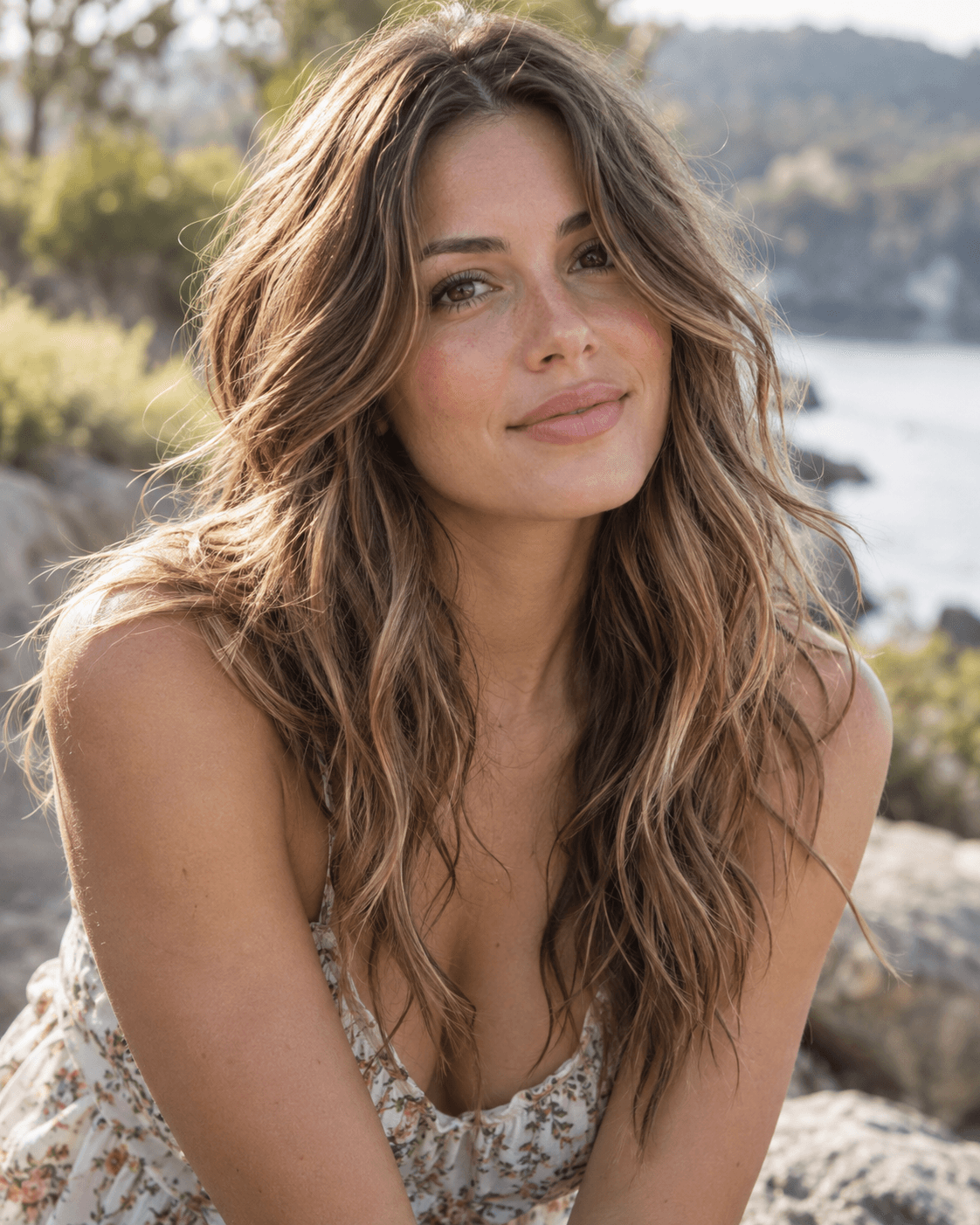
Layers starting around the collarbone let loose waves separate and move rather than fall into one flat sheet, and the layering works especially well paired with texturizing products that emphasize natural wave pattern. This look tends to require the least daily maintenance of any style in this list, since it’s designed to look intentionally undone.
12. Long Layers with a Diffused, Air-Dried Finish
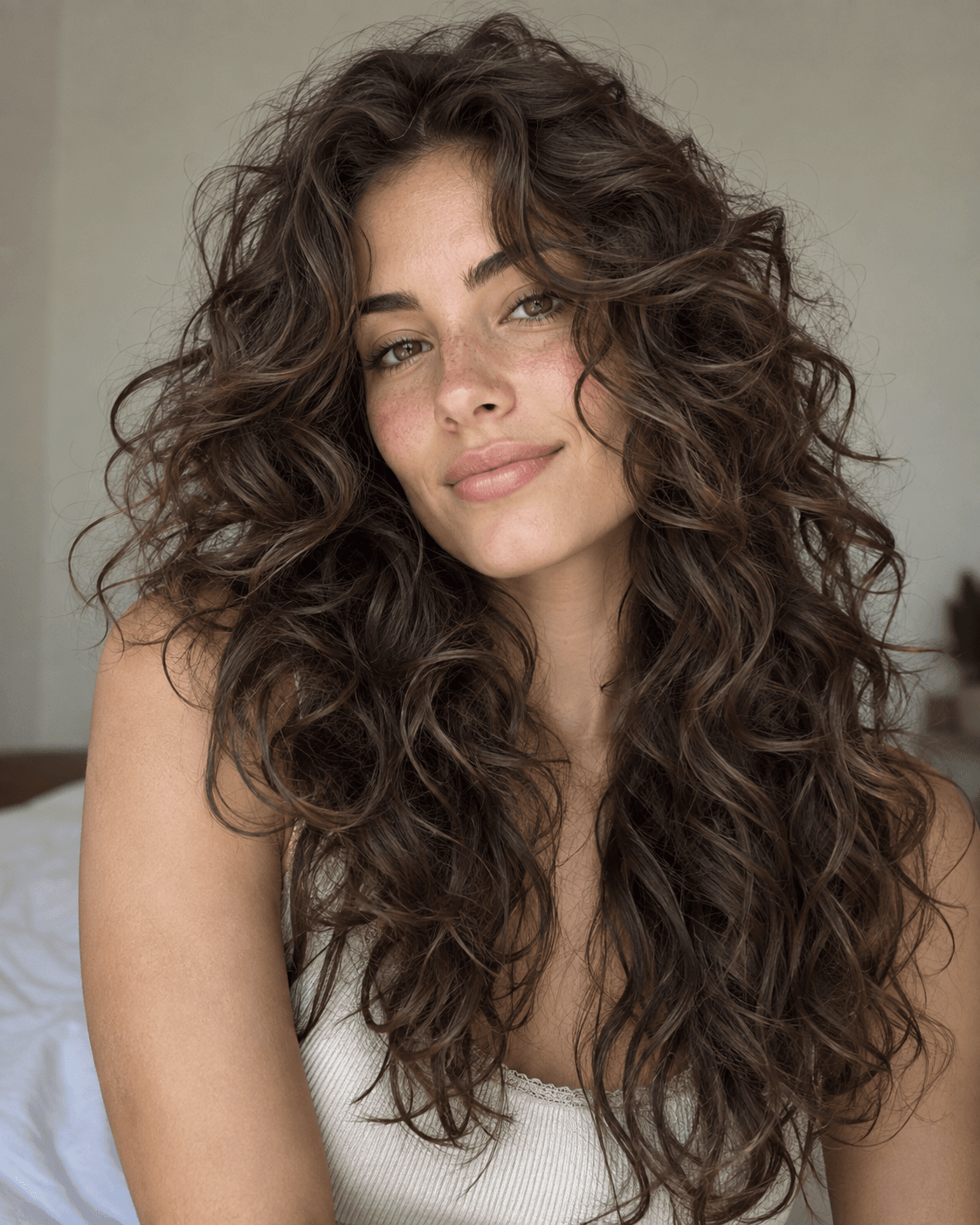
This entry covers how wavy or curly layered hair looks when diffused rather than blown straight — the internal shorter layers curl and separate independently from the outer longer pieces, producing volume and texture that a single-length cut can’t replicate. It’s less a specific haircut and more a styling philosophy that pairs naturally with textured layering.
Long Layers for Straight Hair
Straight hair shows every layer line clearly, so precision and blending technique matter more here than on textured hair.
13. Long Layers with a Sharp V for Straight Hair
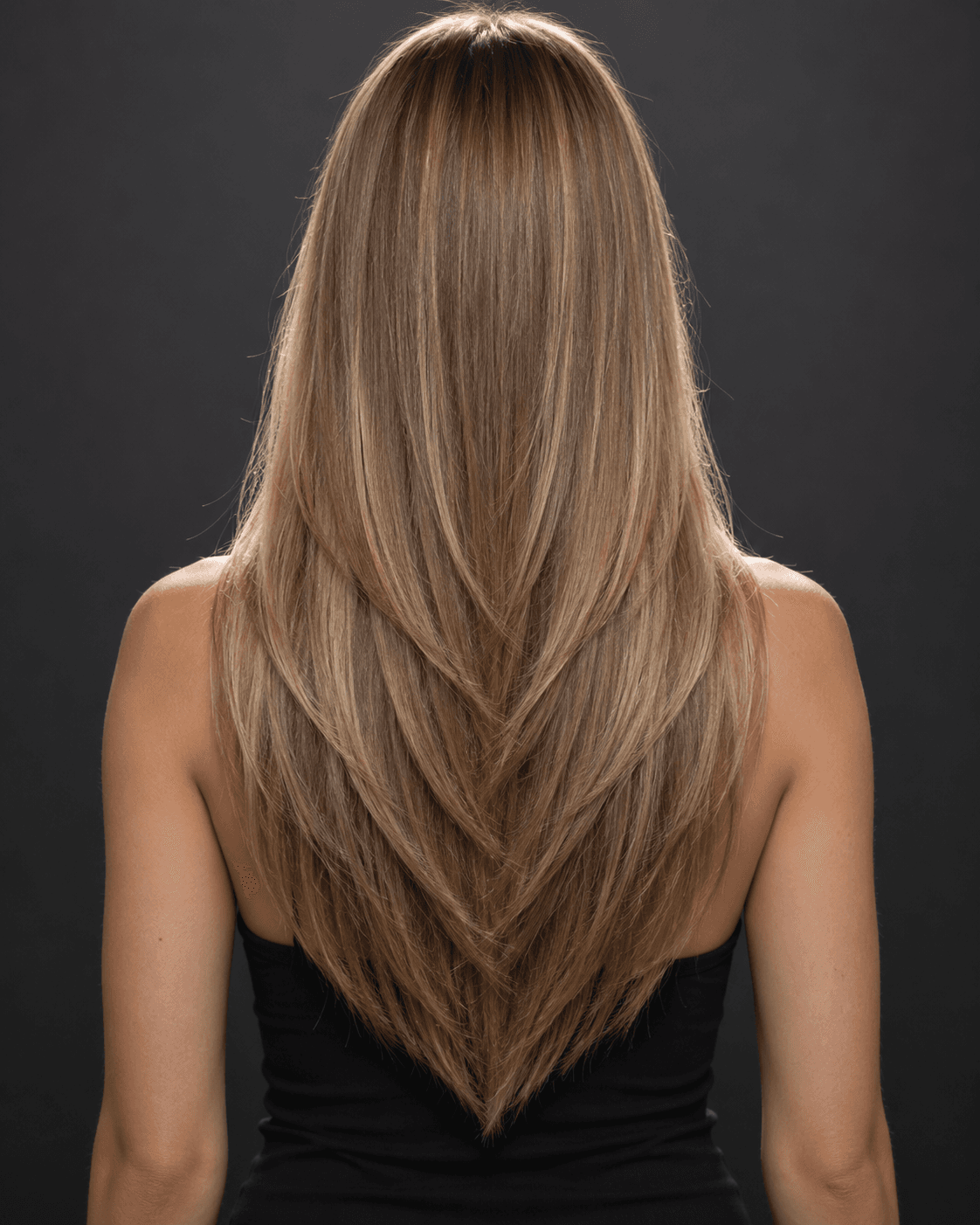
On straight hair, a dramatic V-shape reads with maximum clarity since there’s no natural texture to soften the lines between layers. The shortest layers at the crown create visible lift, and the taper down to the V point gives straight hair movement it wouldn’t otherwise have.
14. Long Layers Blow-Dried with a Round Brush
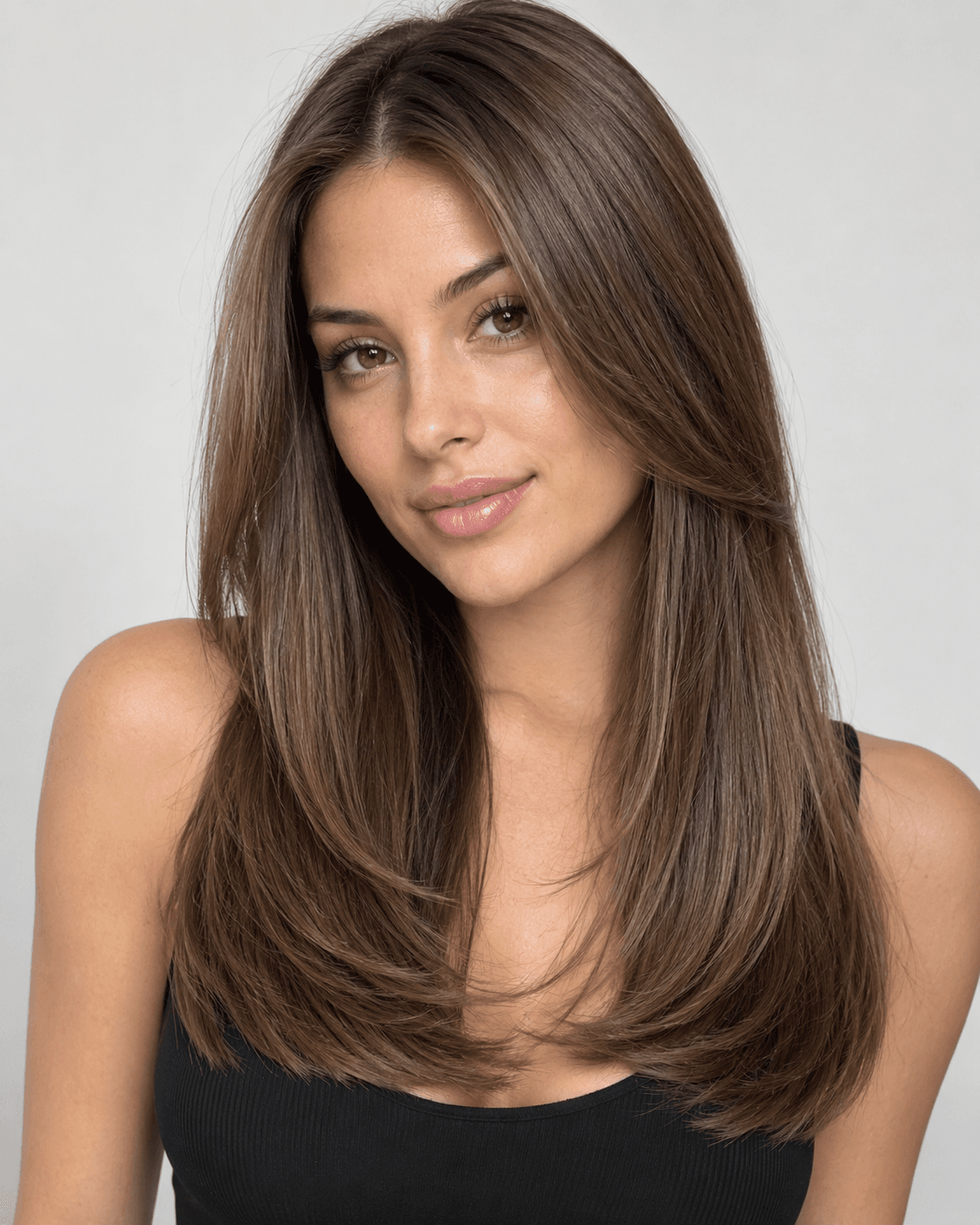
Round-brush styling on layered straight hair rolls the ends under or flips them out depending on brush direction, giving the layers visible shape and bend they wouldn’t have air-dried. This entry is about styling technique as much as the cut itself — the same haircut looks noticeably different depending on how it’s blow-dried.
15. Long Layers with Minimal Blending for a Graphic Finish
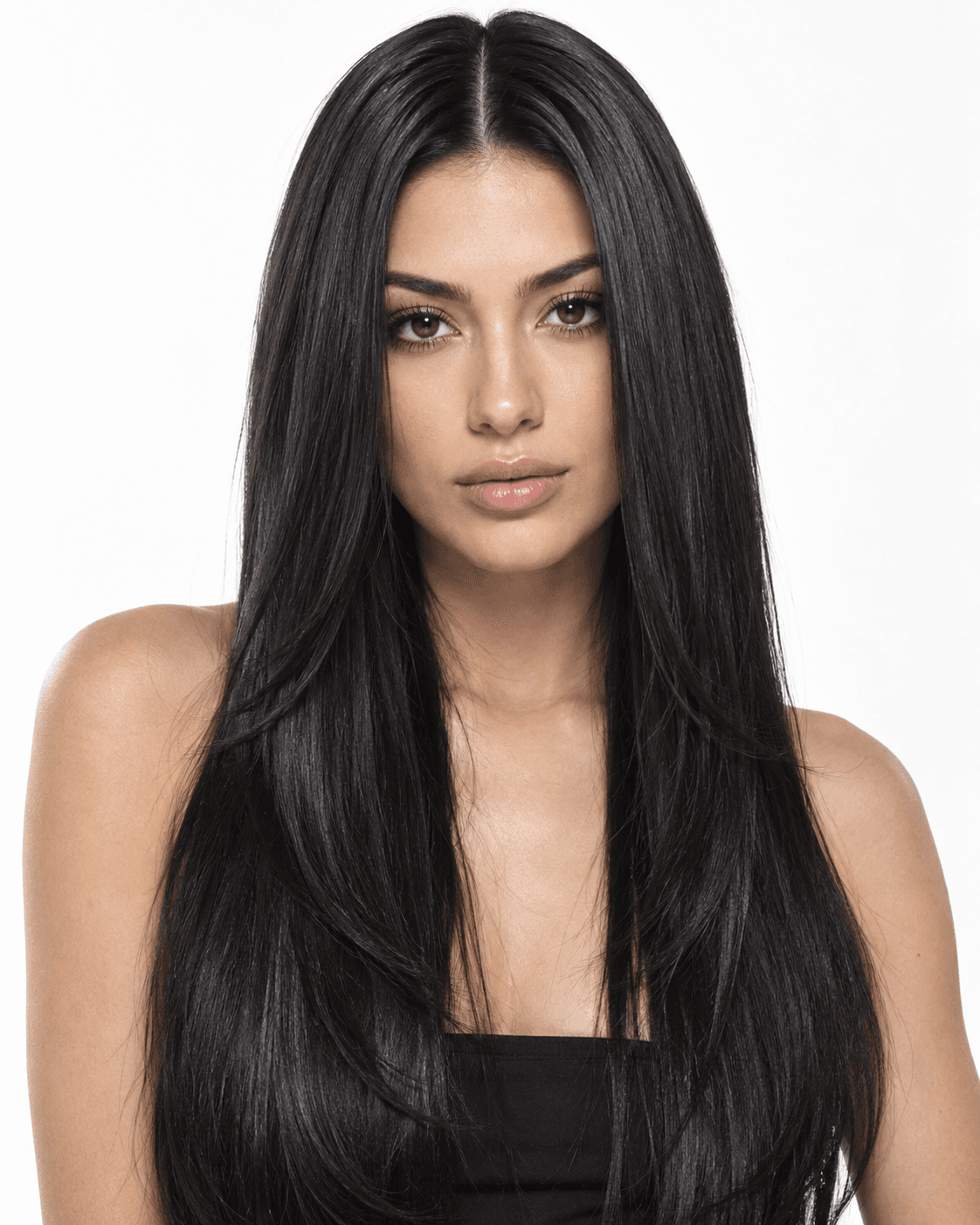
Some straight-hair layer cuts intentionally leave visible, less-blended lines between sections for a graphic, modern finish rather than a soft gradient. This works only on straight hair, where the distinct lines stay crisp instead of blurring into texture.
16. Barely-There Layers for Straight Hair
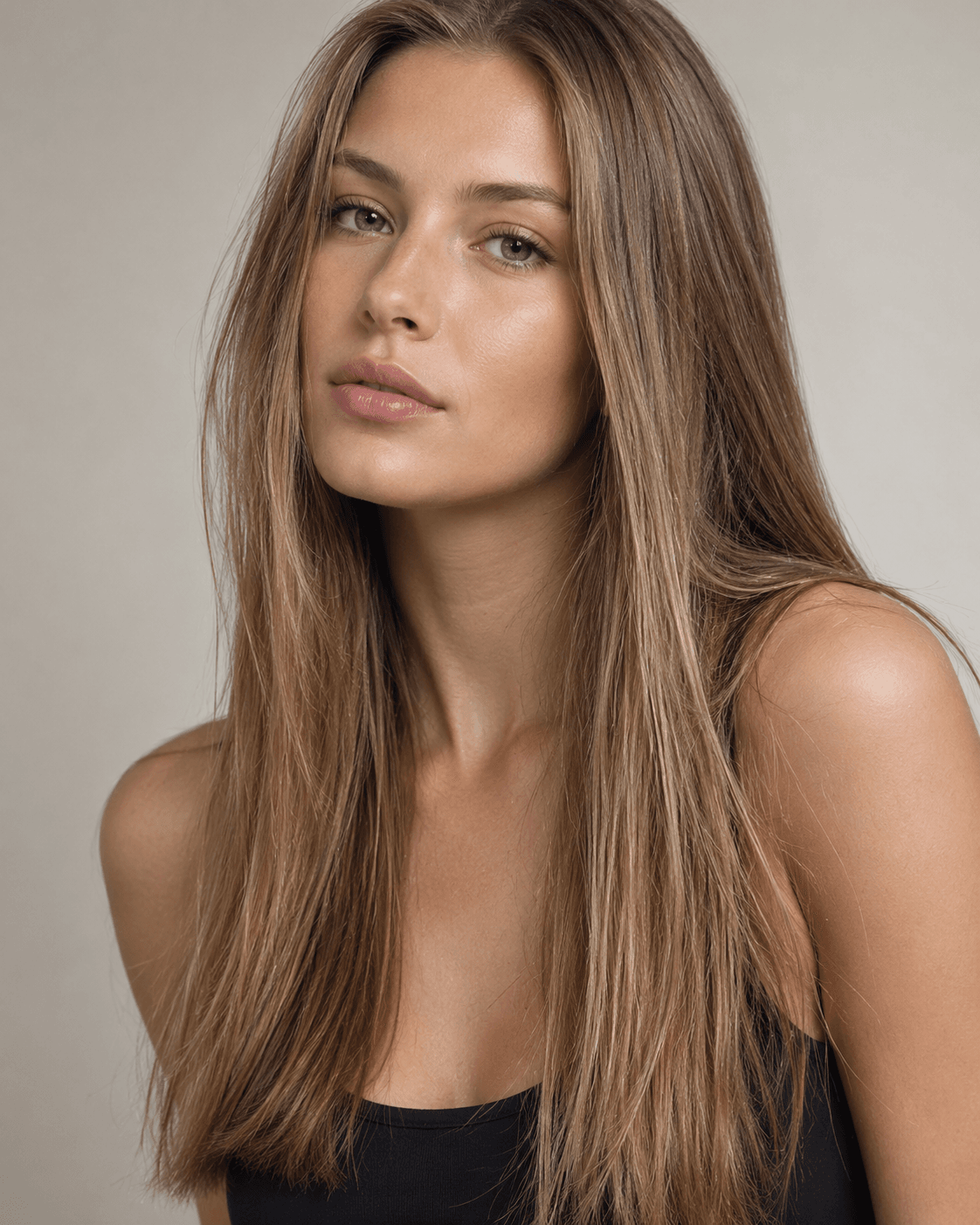
For straight hair specifically, subtle layering is often the safer entry point into layers, since even a small amount of layering shows clearly and can be built up later without regret. This cut keeps just a few inches of variation between the shortest and longest layer.
Long Layers for Specific Face-Framing Needs
These entries focus on how layer placement near the face changes the overall effect, independent of hair texture.
17. Long Layers Starting at the Cheekbone
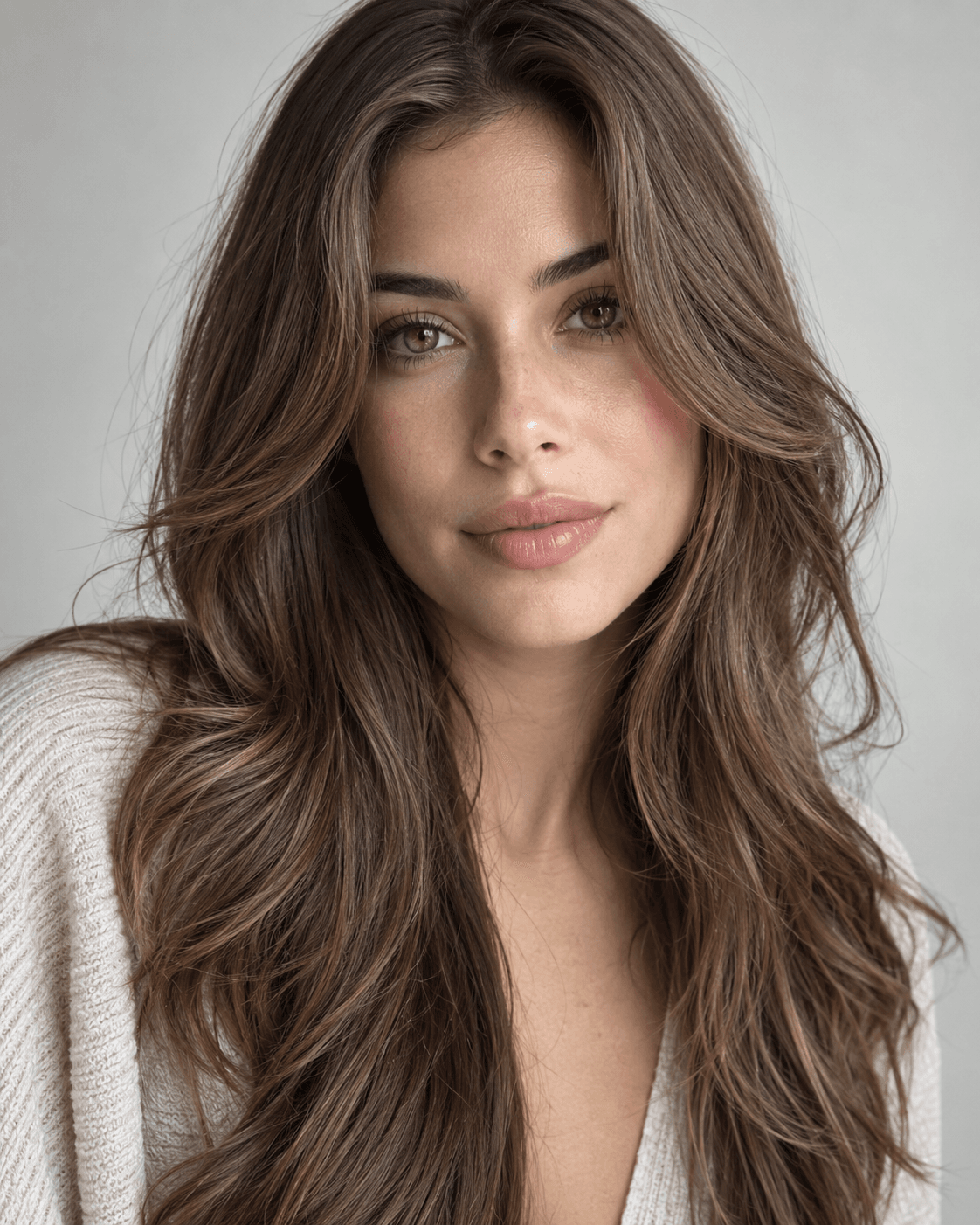
Starting the shortest face-framing layer at cheekbone height creates the most noticeable softening effect around the face without shortening the overall length significantly elsewhere. It’s one of the most commonly requested placements because of how directly it interacts with facial features.
18. Long Layers Starting at the Jaw
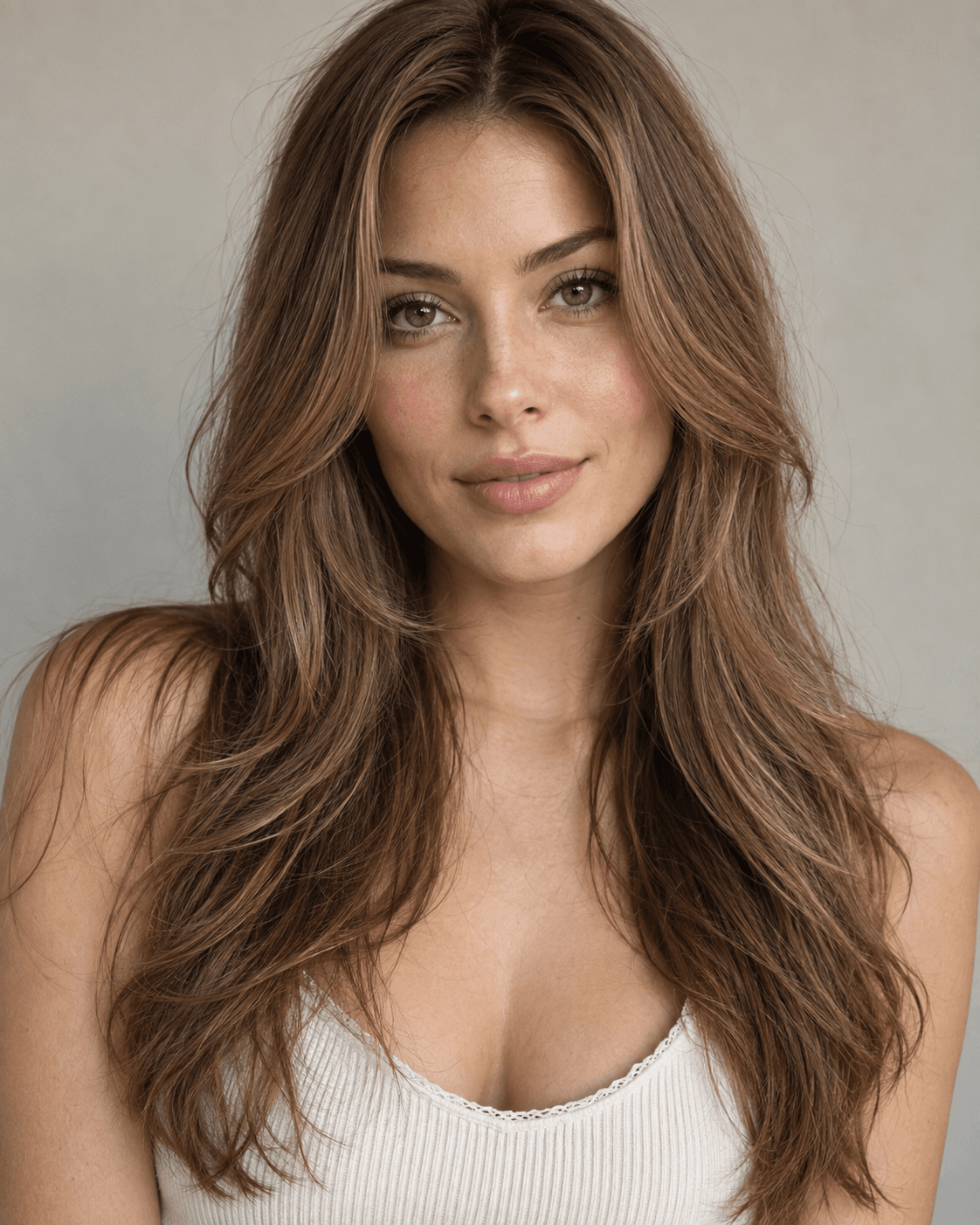
A slightly longer starting point than cheekbone layers, jaw-length face-framing creates a softer, more gradual frame that’s less dramatic day-to-day but still adds noticeable movement near the face. This placement tends to grow out more gently than higher-starting layers.
19. Curtain Layers Paired with a Center Part
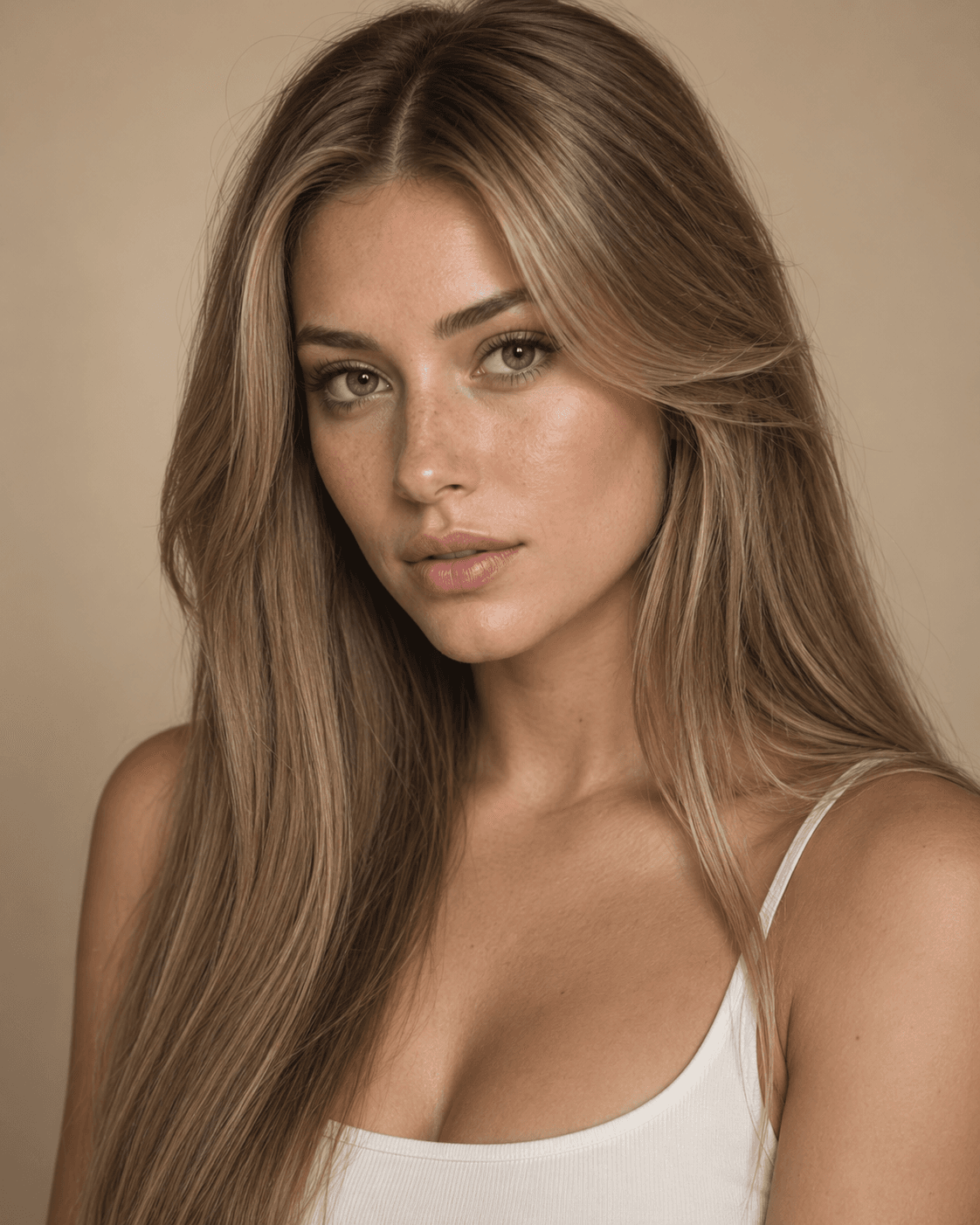
When face-framing layers are cut long enough and paired with a center part, they function like curtain bangs without being cut as a separate fringe section, sweeping back on both sides. This is a popular choice for people who want the curtain-bang effect without maintaining a distinct short section.
20. Asymmetrical Face-Framing Layers
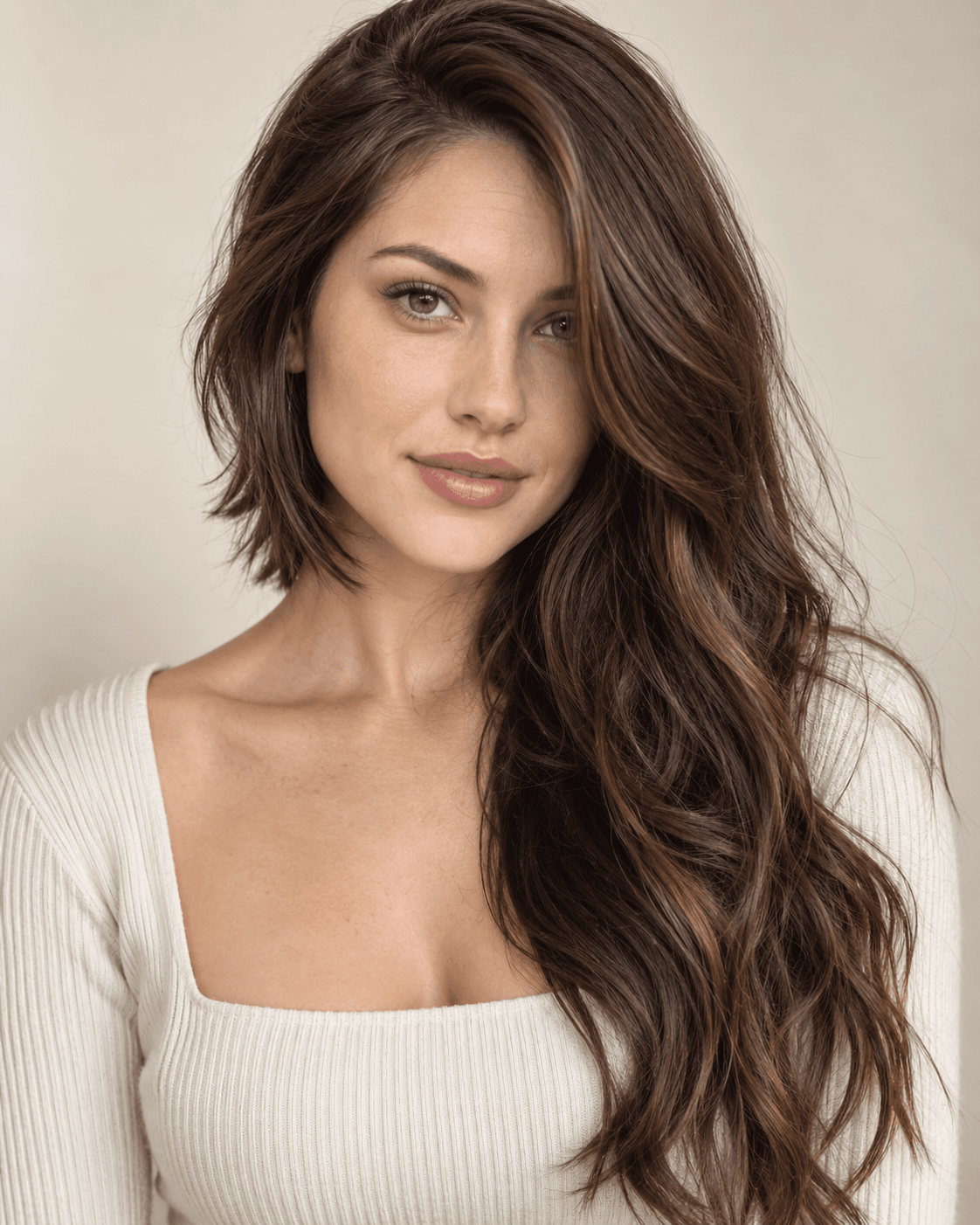
Layering one side of the face shorter than the other creates intentional asymmetry that shows most clearly with a deep side part, offering a subtler alternative to a fully asymmetrical haircut. It’s a low-commitment way to add visual interest without an unconventional overall shape.
21. Long Layers Grown Out From Short Face-Framing Pieces
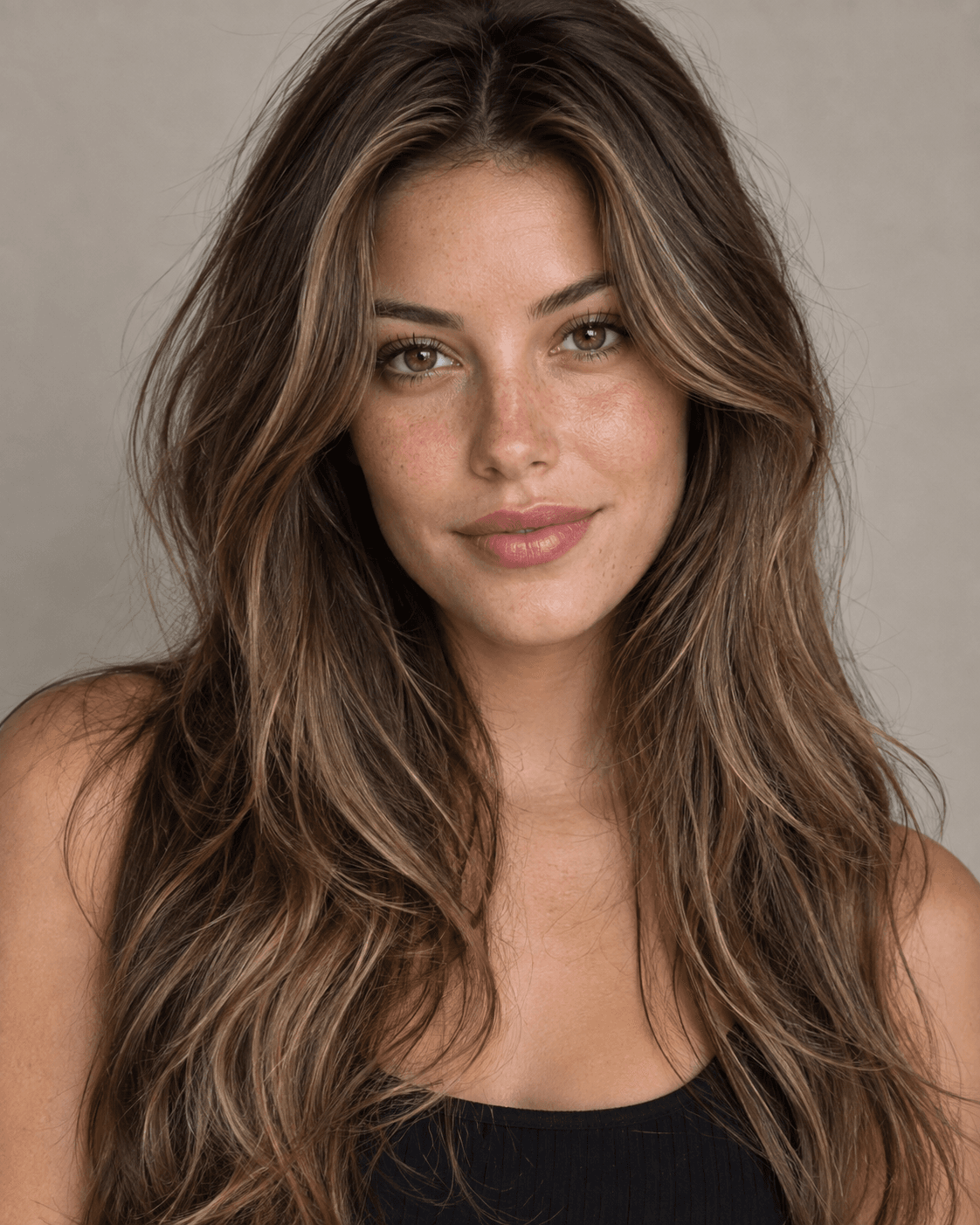
For anyone whose face-framing layers have grown past the “fresh cut” stage, this entry covers how longer, settled face-framing pieces integrate into the rest of a layered cut over time — still visible, but softer and less structured than immediately post-appointment. It’s a realistic reference for what most long layered hair actually looks like most of the year, between salon visits.
Matching Your Layers to Your Maintenance Reality
Beyond texture and thickness, the honest deciding factor for most people is how much upkeep they’re actually willing to do. If you rarely style beyond air-drying, lean toward wide-spaced or internal-only layers (#5, #6, #18) that hold their shape without a blowout. If you blow-dry regularly and don’t mind trims every 8–10 weeks, sharper V-shapes and crown layering (#1, #13) will reward that maintenance with more visible shape. And if you’re not sure yet, starting with subtle layering (#16, #19) leaves room to go more dramatic later — a route that’s always easier than waiting for heavy layers to grow out.